2026 has gotten off to an exceptional start in the Department of Bioengineering, with staff and students achieving recognition across research, education, innovation, and public engagement.
This Spring 2026 Staff and Student Successes round-up brings together a selection of highlights from the past term, including funding awards, fellowships, competition results, publications, and external recognition.
We encourage you to read through the full list and join us in congratulating colleagues and students on their achievements. Taking a moment to recognise and share in these successes helps celebrate the collective strength and impact of our department.
Enterprise Fellowship awarded for translational research

Congratulations to Aditi Sitolay, Bioengineering MDDE MRes alumnus, who has been awarded a prestigious Enterprise Fellowship from the Royal Academy of Engineering.
The one-year fellowship, worth £75,000, supports researchers and recent graduates in developing engineering and technology innovations with commercial potential, providing protected time, funding, and training to explore market need, refine their proposition, and build a pathway to impact.
Aditi’s fellowship will support the translational development of bioadhesive hydrogels from the Celiz Lab, advancing this research toward real-world application.
Translational funding awarded for dental biomaterials research
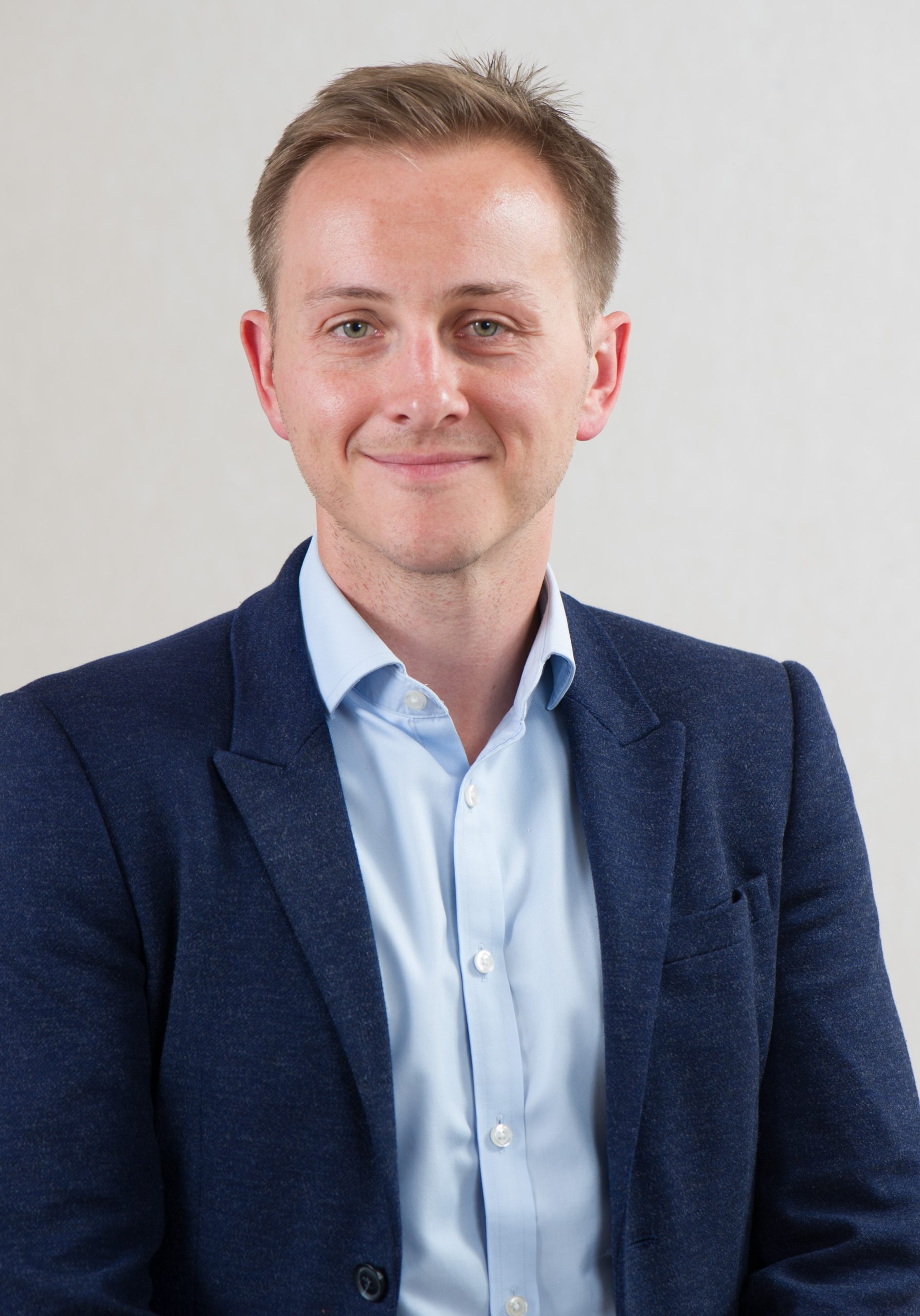
Congratulations to the Celiz Lab, which has been awarded a Translational Fellows grant from the Rosetrees Trust.
The two-year award, worth £150,000, will support the translation of a bioadhesive medical technology developed in the lab.
Funding will enable testing of bioadhesive hydrogels with bacteria and support their development for dental applications, with the aim of reducing gum disease and associated bone resorption.
Bioengineering undergraduate recognised by WIRED as a Game Changer
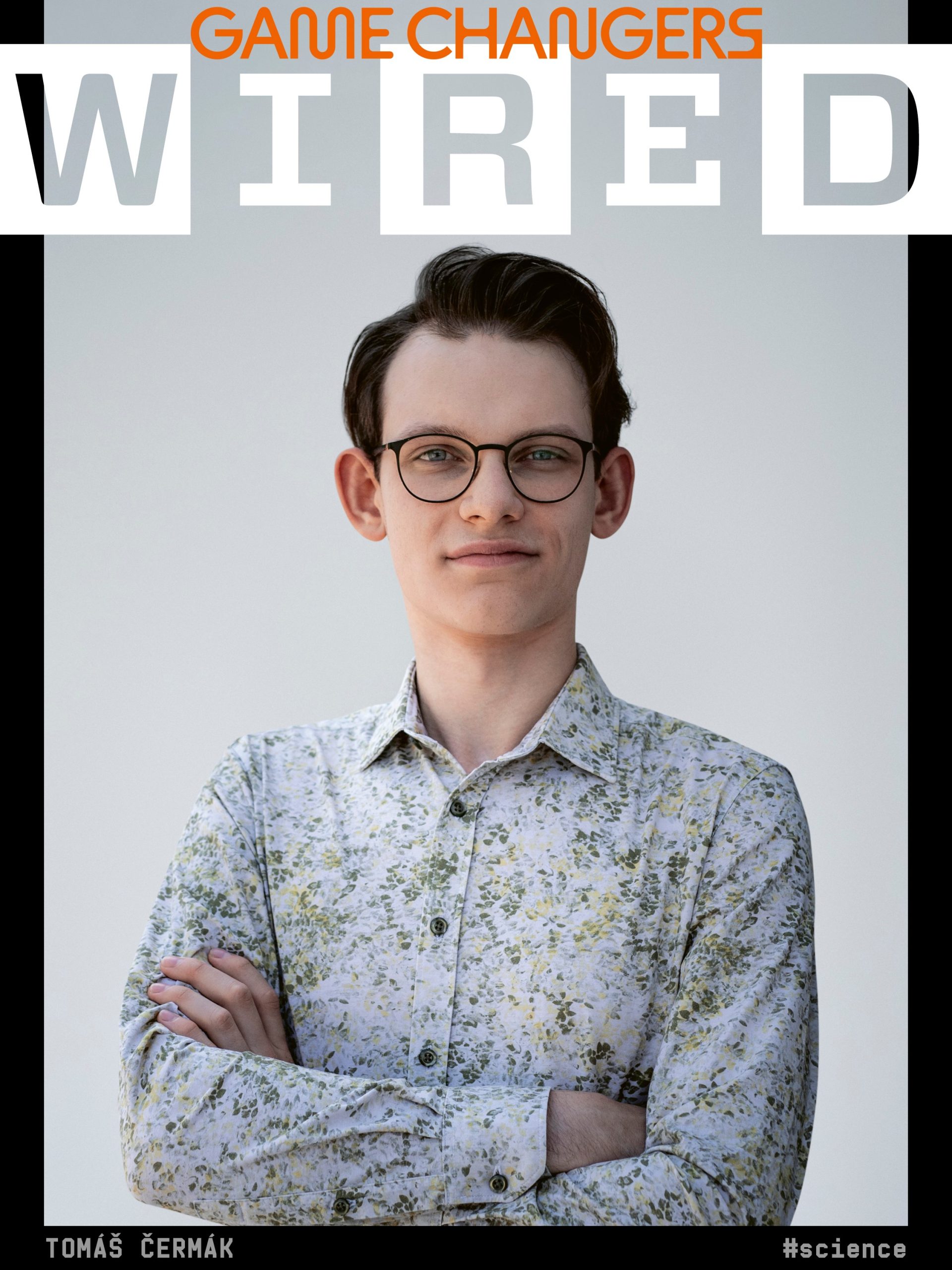
Congratulations to undergraduate student Tomas Cermak, who has been named a Game Changer of 2025 in Science by WIRED. At 19, Tomas is the youngest person included in the magazine’s annual selection of people recognised for their impact across technology, science, and the arts.
In its coverage, WIRED Czechia & Slovakia highlighted Tomas’s work in opening up science to younger audiences and demonstrating that meaningful scientific contributions can be made early in a career.
Mentor of the Year recognition for laboratory training
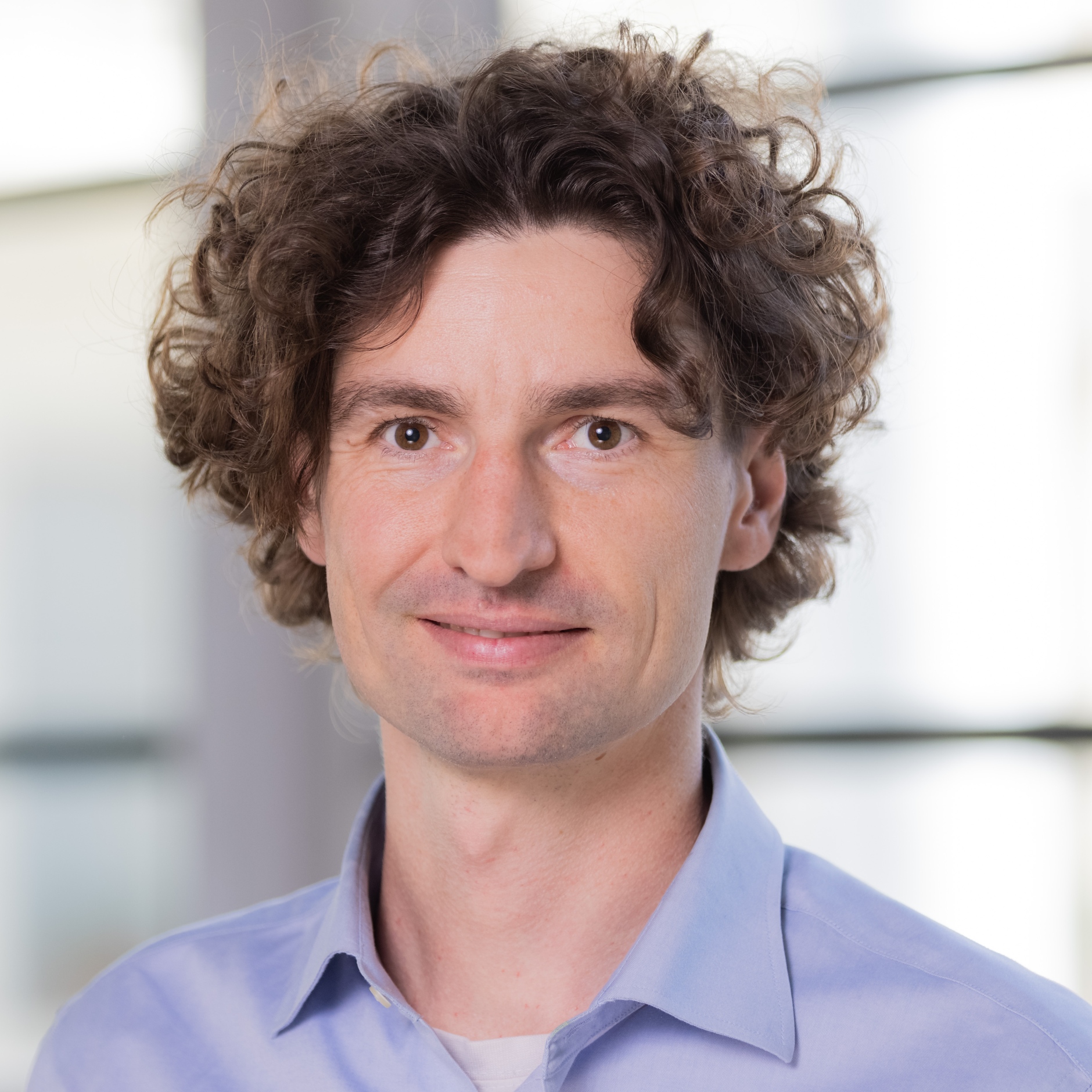
Congratulations to Dr Florent Seichepine, Engineering Core Facilities Manager, who has been recognised as Mentor of the Year by CSR Scientific Training Ltd for his management and mentorship of laboratory apprentices!
The award recognises his contribution to supporting apprentices through their training and development within the laboratory environment.
Florent was also recently featured in the College’s On the Sofa with the Department of Bioengineering video, along with fourth-year undergraduate student Neo Perera, where he discusses his role supporting research infrastructure and facilities.
Third-place finish in national Inclusive Additive Design Challenge
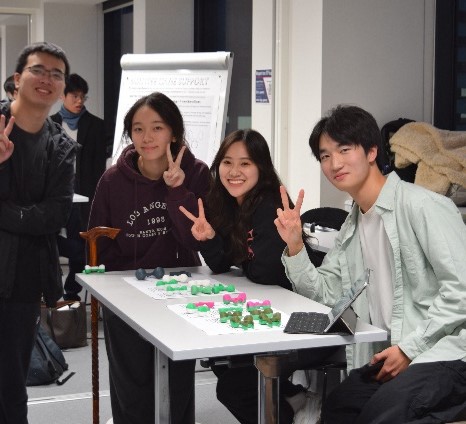
Bioengineering undergraduate students Yanzi Jiang and Xinjing Li have secured third place in the National Inclusive Additive Design Challenge 2025. The competition focuses on empathy-driven engineering and inclusive, low-cost design across ability levels, ages, and neurodivergence.
Working as part of a cross-departmental team with students from Electrical and Electronic Engineering, they developed a cane rest design addressing real-world usability barriers, supported by a working FDM prototype. The team represented Imperial at the national finals hosted by Aston University, achieving a strong third-place result!
Distinction awarded alongside doctoral studies
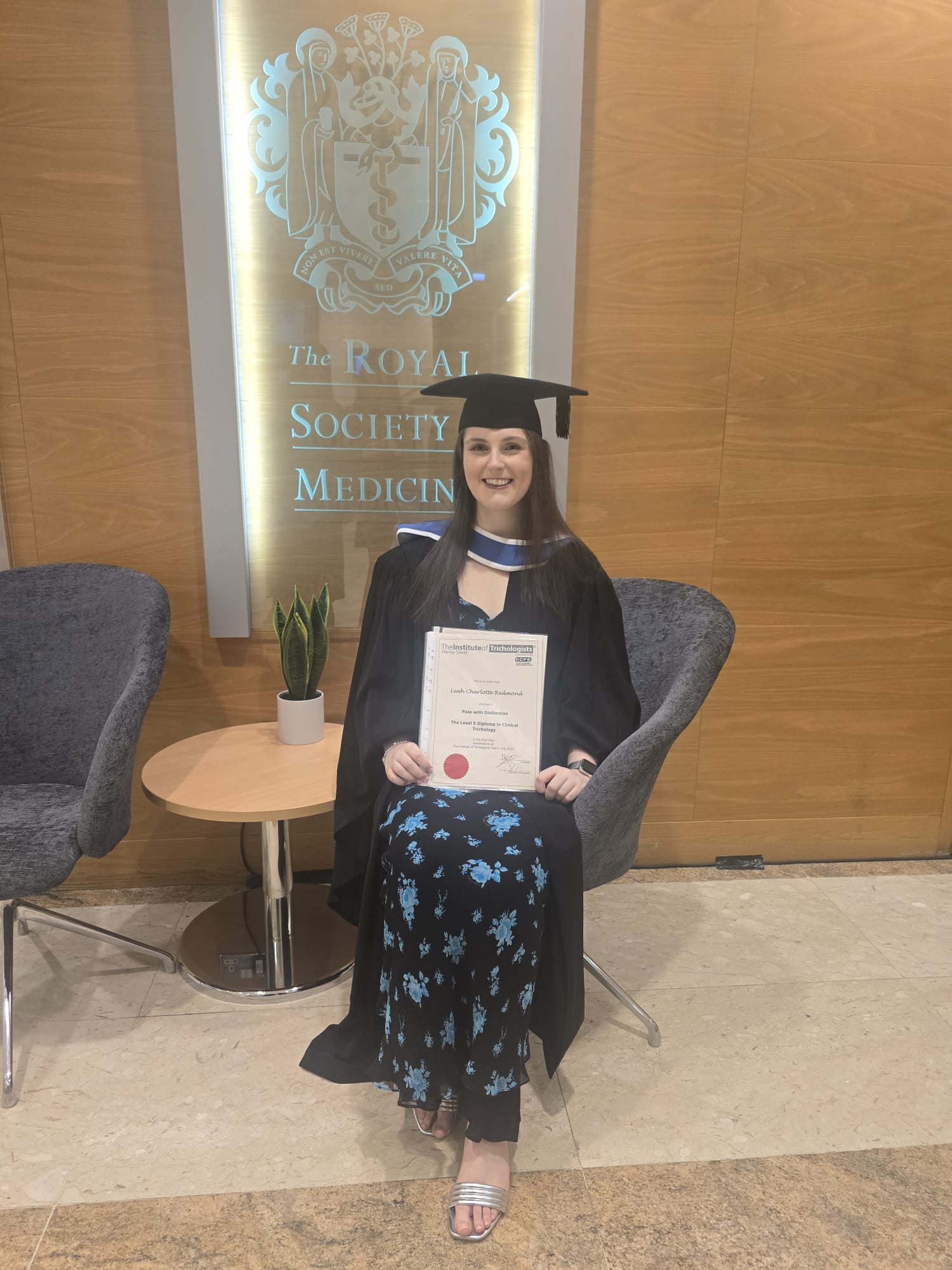
Congratulations to Leah Redmond, final year PhD student in the Higgins Lab, who graduated with a Distinction (98%) in her Clinical Trichology Diploma from the Institute of Trichologists.
Alongside her PhD, Leah completed two years of clinical training, including lectures, patient consultations, and treatment sessions focused on the diagnosis of hair and scalp disorders. She plans to combine this clinical expertise with her doctoral research on the genetic mediators of hair thickness, supporting future translational approaches to hair loss treatment.
Award recognition for doctoral research in childhood disability
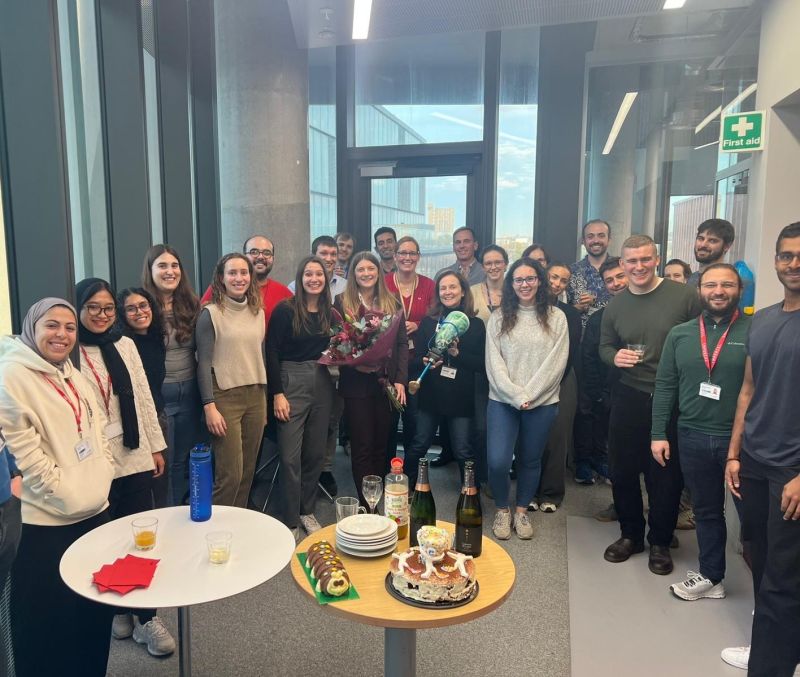
Congratulations to Dr Caitlin Edgar, Research Assistant, who won the annual Pursuit Award in Childhood Disability from the Bloorview Research Institute for her PhD thesis.
The award recognises outstanding research with the potential to improve outcomes for children and young people with disabilities. Dr Edgar’s thesis focused on paediatric prosthetic limb provision in low-resource environments, addressing challenges in access, design, and delivery of prosthetic care.
Imperial researchers lead global AI benchmark for cardiac MRI

Researchers from Imperial College London have led a major international initiative to establish a new global benchmark for artificial intelligence–driven cardiac MRI reconstruction through the CMRxRecon2024 Challenge. The project brought together hundreds of research groups worldwide to advance the evaluation of machine learning methods for accelerating and improving cardiovascular imaging.
The challenge was coordinated by Fanwen Wang, Research Assistant and Dr Zi Wang, Research Associate (Department of Bioengineering and Imperial-X), working with Dr Guang Yang, other Imperial researchers, and a wide network of global partners across Europe, Asia, North America, and the Middle East. More than 200 teams from 18 countries registered to take part, reflecting strong international engagement.
CMRxRecon2024 introduced one of the largest and most diverse raw cardiac MRI datasets released to date, along with open and standardised benchmarks that reflect real-world clinical complexity. The resulting datasets and findings have been published in leading medical imaging journals, and the organising team is now planning the next phase of the challenge, CMRxRecon2026.
Live workshop delivery at the London Science Museum

Nana Asante Asamoah-Danso, Bioengineering Laboratory Support Technician, was invited to deliver live workshop sessions at the London Science Museum’s Skills Fair in November 2025, engaging large audiences of visiting school groups.
Nana’s contribution formed a key part of the event programme, introducing young people to technical skills and career pathways through hands-on activities.
In addition, he authored an article for Times Higher Education on routes to professional registration for technicians, sharing practical insights drawn from sector experience.
UK–India research collaboration and inaugural lecture highlights
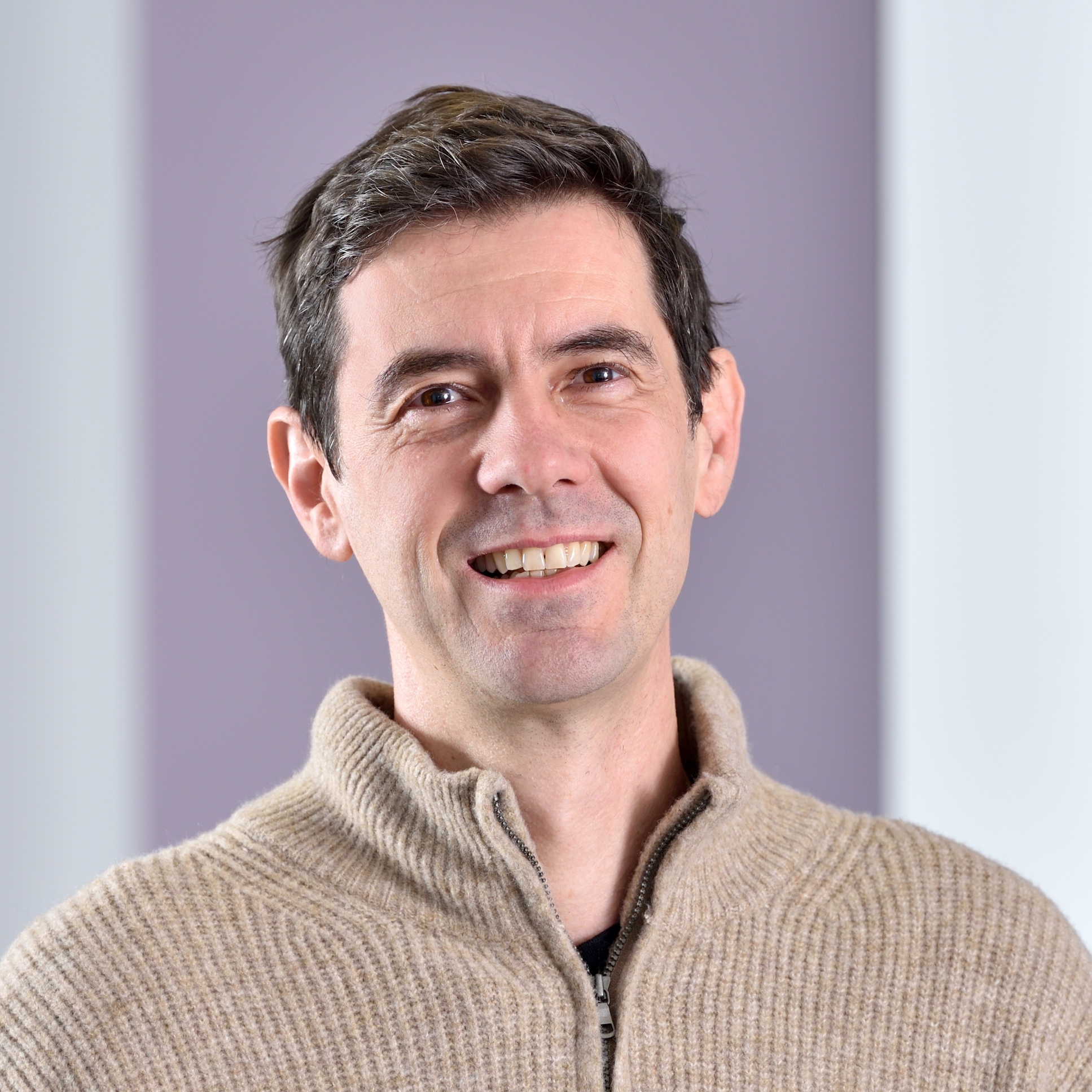
Professor Julien Vermot was among the Imperial researchers involved in projects selected for support through the India Connect Fund in October 2025. The scheme supports early-stage research collaborations between Imperial and partner institutions in India, enabling new international partnerships and exploratory research activity.
More recently, Professor Vermot’s inaugural lecture on 21 January was well attended! A recording of the lecture is available on YouTube.
Bioengineering research informs menstrual blood health innovation

Bioengineering researchers at Imperial are contributing to new work exploring how menstrual blood could be used as a valuable data source to improve understanding of women’s reproductive health. The research underpins the work of Genie Fertility, a startup co-founded by Dr Andreas Hadjimitsis, who completed his PhD in the Department of Bioengineering.
The project draws on Bioengineering expertise from Professor Rodrigo Ledesma Amaro and Dr Sylvain Ladame to support the analysis of menstrual blood samples, generating insights that could enable earlier diagnosis and improved management of conditions such as endometriosis and polycystic ovary syndrome.
Bioengineering academic elected to the US National Academy of Medicine

Professor Molly Stevens has been elected to the US National Academy of Medicine in recognition of her contributions to biomaterials research and biomedical engineering.
Election to the Academy is considered one of the highest honours in health and medicine, recognising researchers whose work has made a significant impact on research, clinical care, and public health.
Professor Stevens’ research spans fundamental materials science through to translational and clinical application, and has informed new approaches to tissue regeneration, point-of-care diagnostics, and medical technologies. Her work focuses on designing advanced biomaterials and biointerfaces, with applications across regenerative medicine, diagnostics, and global health.
Royal Microscopical Society Scientific Achievement Award
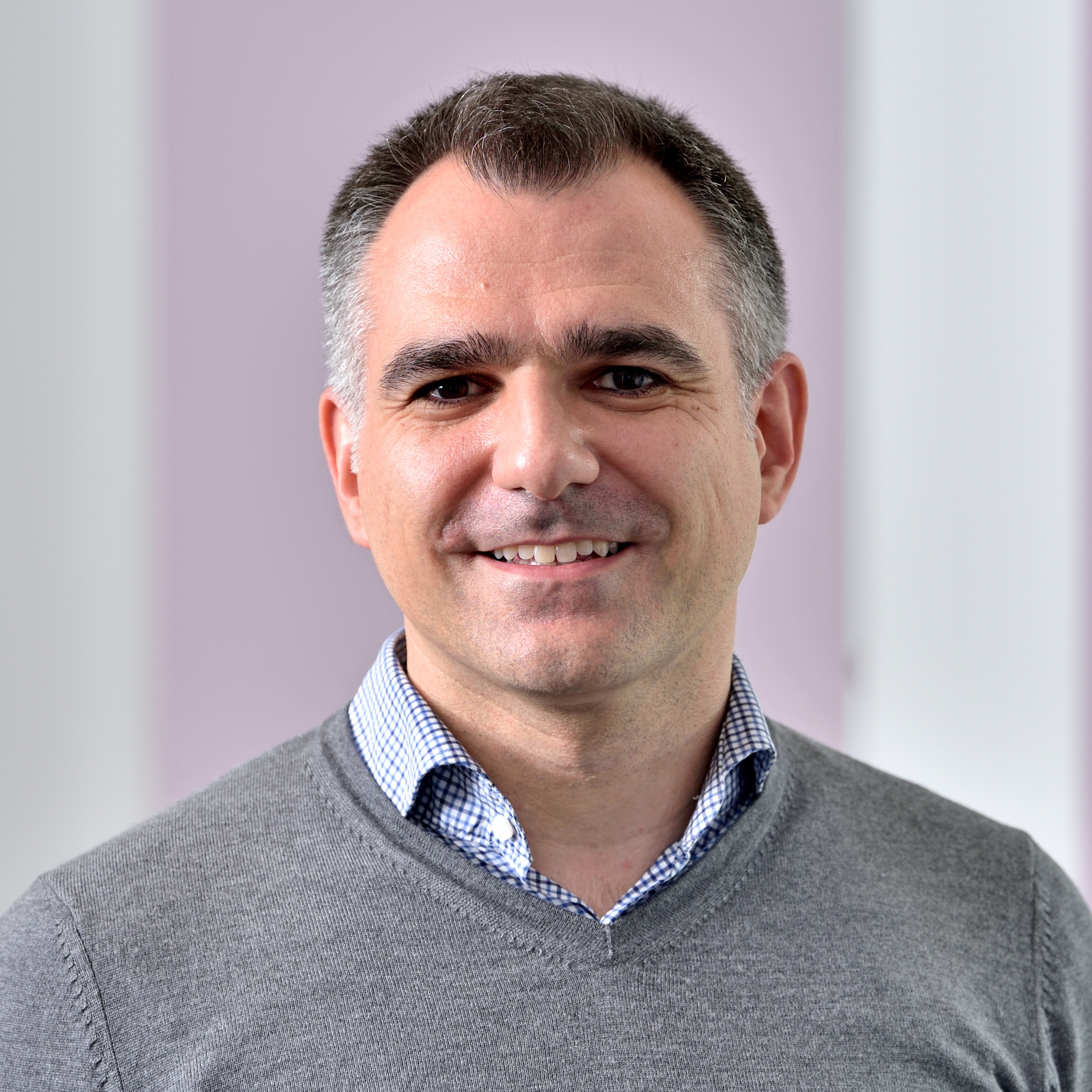
Dr Periklis Pantazis has been selected as a winner of the Royal Microscopical Society Scientific Achievement Award 2025. The award recognises sustained, independent excellence in microscopy and imaging research and is open to mid-career researchers worldwide.
Dr Pantazis has been invited to receive the award in person at the Royal Microscopical Society’s Annual General Meeting, which will take place on Wednesday, 30 September 2026, at the Royal Society of Chemistry in London.
Bioengineering input supports Focused Ultrasound Centre of Excellence
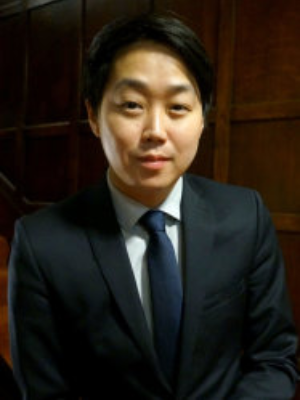
Dr James Choi has contributed Bioengineering expertise to Imperial’s designation as a Focused Ultrasound Centre of Excellence. His work supports the development of focused ultrasound technologies that use targeted sound waves for non-invasive treatment across a range of clinical applications.
Dr Choi’s involvement forms part of a wider interdisciplinary effort linking engineering, imaging, and clinical research to advance focused ultrasound approaches in healthcare.
Bioengineering contribution to dragonfly wing research

Bioengineering researchers at Imperial College London contributed to a collaborative study with the Royal Veterinary College that sheds light on how dragonflies use wing sensors to monitor deformation during flight.
The work, led by Dr Alexandra Yarger in the lab of Dr Huai-Ti Lin, used neural recordings and detailed mechanical simulations to show how a small number of strategically placed sensors can effectively encode wing state, despite complex bending and twisting patterns.
The study provides insights into how biological sensor systems could inform future engineering and robotics designs by simplifying sensing and control requirements in flexible structures.