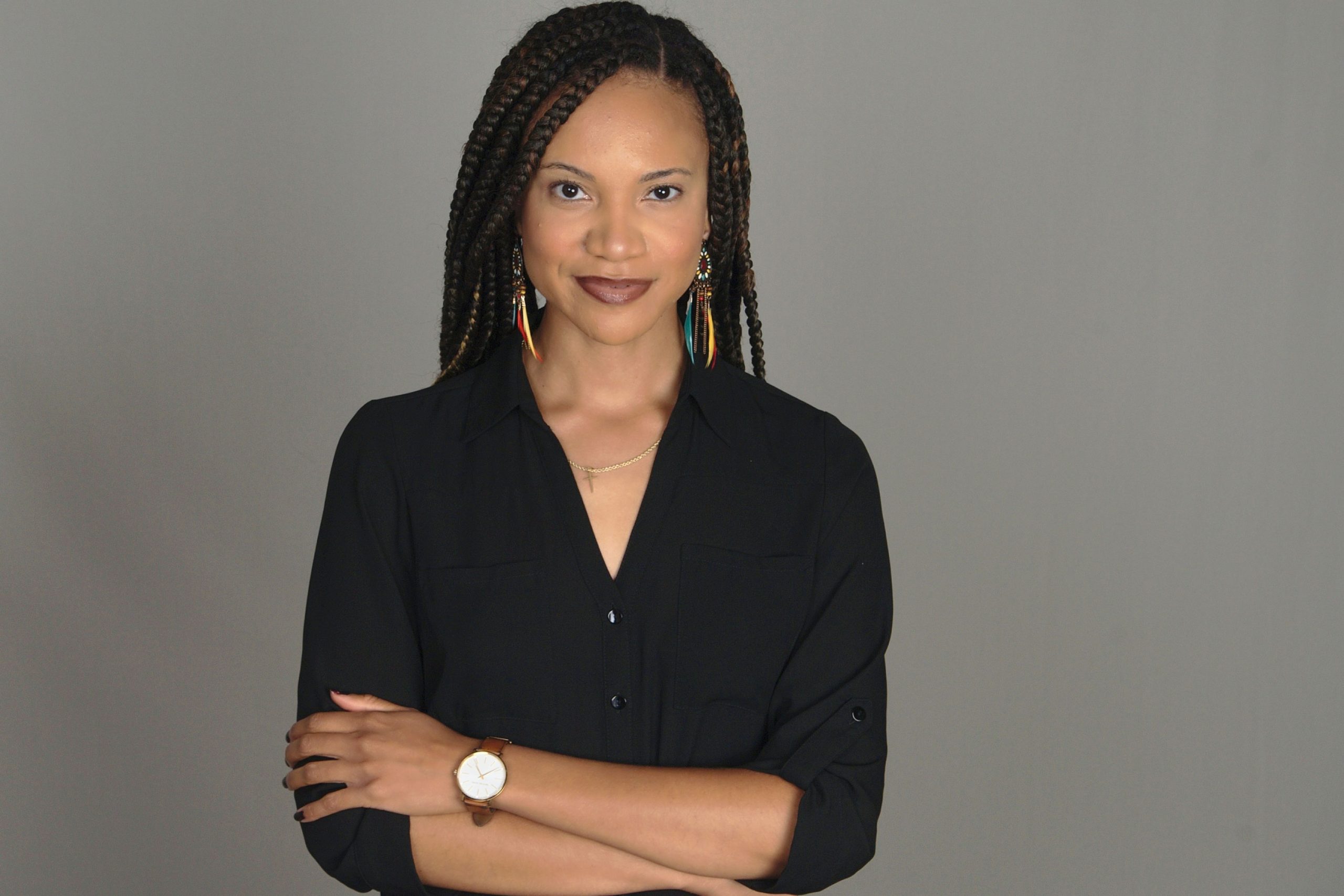
Psychedelic research is advancing mental health science through studies of brain function and consciousness. We interviewed Sara Reed, Psychedelic Research Therapist in Psychopharmacology within The Centre for Psychedelic Research at Imperial College London and – now – Department EDI Co-lead and Committee Chair.
Sara discussed her EDI vision for the department, what it means to be a “mental health futurist,” and her path from Yale-trained psilocybin therapist to global equity advocate.
First of all – congratulations! As the new Department EDI Co-lead and committee chair, what is your vision for equity, diversity, and inclusion within the department? What are your key priorities over the next year?
Sara Reed: As Department EDI Co-Lead and committee chair, my vision is for equity, diversity, and inclusion to anchor the way our department functions – not as a side initiative or tokenistic gesture, but as a core commitment that shapes our organisational culture and our work. Without a genuine commitment to EDI, we cannot create environments where staff, students, and others feel safe to show up fully and do their best work.
In the year ahead, my priorities are threefold. First, I want to get a clear understanding of the EDI efforts already underway across the department. Many people have been pushing for change and making a real impact, and it’s important that their work is recognised, supported, and amplified.
Second, I want to focus on how EDI commitments translate into everyday practice – how they show up in research design, supervision, mentorship, team dynamics, and daily interactions. This also means paying attention to what happens when things go wrong: moments of miscommunication, exclusion, or harm that can easily be overlooked in fast-paced academic settings. That includes addressing subtle but damaging behaviours like microaggressions, which erode psychological safety and often go unchallenged. I’m interested in identifying solutions that strengthen awareness, accountability, and healthier communication across the department.
Third, within my own research group, I am committed to addressing a global challenge: the underrepresentation of people from the Global Majority in psychedelic research. Increasing diversity in participant recruitment is essential to ensuring this emerging field serves all communities, not just a select few.
You described yourself as a “mental health futurist” – could you tell us more about what that means to you and how it shapes your approach?
When I call myself a “mental health futurist,” I’m naming my commitment to reimagining what effective and accessible mental health care can be. The mental health field is evolving, transforming how we talk about, treat, and support mental wellbeing. Right now, we’re seeing reduced stigma in talking about mental health, the emergence of digital therapeutics – including innovations like VR-based exposure therapy – and, of course, growing research into psychedelic-assisted treatments.
But I also believe the future of mental health care extends beyond clinics or medical settings. Healing can happen in community, in safe and supportive connections, and in embodied practices like movement, ecstatic dance, and other forms of artistic expression. These relational spaces often hold forms of regulation, connection, and meaning that traditional medical settings overlook or can’t replicate.
As a futurist, I hold both hope and responsibility for what comes next. I’m committed to ensuring that this evolving landscape – within my network – does not reproduce the inequities we see today, but instead expands access, cultural relevance, and opportunities for transformative care that meets the needs of the world we live in.
Could you elaborate on your unique background in psychedelic-assisted therapy, particularly your training in psilocybin therapy at Yale University, as well as your work on health equity and training clinicians?
My journey in psychedelic-assisted therapy began with a focus on addressing a critical gap in the field: the lack of diversity in clinical trial participation. The Multidisciplinary Association for Psychedelic Studies (MAPS) approached my former team, led by Dr Monnica Williams, to help create a space where people of colour could participate in MDMA-assisted psychotherapy research in a culturally informed and supportive way. Little did I know at the time that this work would become an important moment in my early career, showing me firsthand how cultural sensitivity is not just an ethical imperative but central to the safety, efficacy, and integrity of psychedelic research.
I later learned that I had become the first Black therapist to provide MDMA-assisted psychotherapy in a clinical trial – a milestone I hold with deep honour and reflection, as it underscores how much work remains to expand opportunity and meaningful (rather than tokenistic) representation for Black clinicians and space holders already doing this work. Around this time, I joined a group of women who came together to create and co-lead the first therapist training for clinicians working in communities of colour. While there were many lessons from this training, one that stands out is the many opportunities and challenges we face of doing this work in medicalised and institutional settings.
Through international teaching and collaboration, I have shared lessons about culturally responsible care in psychedelic therapy, helping future practitioners deepen self-awareness of their biases and the ways their social identities shape their clinical work. At the Centre for Psychedelic Research, I continue to draw on this foundation to train psychedelic guides, develop EDI initiatives, and integrate cultural sensitivity into the foundation of how we relate to one another and conduct research.
During your recent presentation ,you touched on important aspects of team collaboration. How do you incorporate your experience as a therapist into your work with teams and colleagues?
Firstly, I have to give a shoutout to David Erritzoe for creating this monthly sharing circle – a space where we can talk not just about our work, but about how we work and what we need support with. We co-facilitate these sessions, sometimes bringing prompts for focused discussions, and other times simply checking in with one another.
While I’m not offering therapy in these settings, I bring therapeutic soft skills – presence, curiosity, honesty, and reflection. These same skills are useful for fostering collaboration, trust, and psychological safety in academic and research contexts. I pay careful attention to group dynamics, power imbalances, unspoken tensions, and the emotional realities that often lie beneath professional interactions, striving to bring what’s in the background to the foreground.
I aim to create environments where people feel heard, respected, and empowered to engage thoughtfully, even when conversations are complex or challenging. This space is not only about navigating difficulties; it’s also about celebrating each other, too – sharing successes, and having fun together, making collaboration meaningful and sustainable.
Tell us about your journey to this role. What drew you to the intersection of psychedelic research, mental health care, and equity work?
Oh, that’s a long story – ha! The shortest version I can share begins with an experience I had as part of a healthy volunteer study during MAPS therapist training. I had the opportunity to take MDMA in a one-time clinical setting, and I chose to participate for many reasons – one of the reasons being to understand firsthand what it might be like for a participant to experience MDMA-assisted psychotherapy.
That experience taught me many things, but the main takeaway was how little attention is often given to the delivery of psychedelic therapy in research. Knowing the clinical results is only part of the story. What truly interests me are the lived experiences of participants – the stories behind the numbers, the details that rarely make it into published articles. So many non-pharmacological factors – race, gender, sexual orientation, previous psychedelic experience, age, religious background, and more – shape a participant’s journey and the trajectory of therapy. Yet these factors are often overlooked or unacknowledged, meaning we could be missing out on nuanced and important learnings about the therapeutic process and delivery of this therapeutic modality.
This realization inspired much of my current work, particularly my focus on ethical care in psychedelic therapy. Without attention to culture, context, and what’s actually happening in the room, we risk overlooking crucial elements of the therapeutic process – or worse, causing harm – simply because of our own blind spots. My journey to this role has been about bridging psychedelic research, mental health care, and equity work to ensure therapy is not only effective, but also inclusive, ethical, and accessible to those we serve.
What has been your biggest professional challenge to date, and what did you learn from it?
One of my biggest professional challenges has been navigating the isolation that can come with working in predominantly white institutions, particularly as a Black American Woman in psychedelic research. Being one of the few carries a responsibility and vulnerability that is nuanced, and it can feel heavy at times.
My experience has taught me the importance of community, mentorship, boundaries, and self-care. It has reinforced that while I care deeply about advancing equity, diversity, and inclusion, this work is not mine alone to carry – it requires collective effort, shared responsibility, and mutual support. It has reminded me that rest is essential, because this work is demanding and can be deeply personal. When EDI is done well, it creates spaces where people can show up fully, without having to fragment or silence who they are to belong.
What do you enjoy doing outside of your professional activities?
I enjoy spending time with my family and taking care of my fish! Even though I don’t do it as often as I’d like, I also loveee learning new songs on the piano (currently perfecting Aretha Franklin’s “Ain’t No Way”).
And finally: what’s your favourite thing about London?
What I like most about London is my husband- ha! He’s the reason why I moved here in the first place. We’ve gone on some pretty sweet adventures in the city.