by Laili Sadr, Imperial SCHMAS
What happens when we don’t take a break?

Focusing or hyper-focusing on a topic or a problem can be a double-edged sword. Although spending hours in the library reading and researching can make us feel as though we’re working hard, actually our brain can start switching off and we might stop processing the information in front of us. This is due to “cognitive overload” (Neurolaunch, 2024), which is when the working memory – where we retain and manipulate information in real time – is overflooded. This affects the prefrontal cortex and hippocampus in our brain and results in mental chatter, stress, inability to make decisions, impaired memory and/or an inability to focus.
But why? 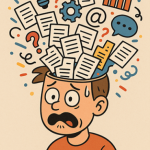
The simple explanation is this: after a period of intense focus, we can start staring at what we need to learn without any of it going in. This is because the brain has a limited capacity for how much information it can process at any given time.
When we are focusing, the brain must resist distractions and filter out external stimuli. The prefrontal cortex is mainly responsible for this.
Why breaks are vital
When we take breaks and let the mind wander, the default network of the brain gets activated (neuroscientifcallychallenged.com). In practice what this means is, even though we might think we’re wasting our time, in actual fact this is when problem-solving happens because the brain is connecting and retrieving memories. In addition, creativity happens when we are awake, alert and not in hard focus.
However, not every break has these benefits and it’s worth thinking about trying to take ‘the right kind’ of breaks to ensure that this ‘downtime’ really serves its intended purpose. For example, often, we can find ourselves scrolling on our phones when we think we’re taking a break from our studies, perhaps switching from one social media platform to another. But, focusing on our phones, and this continuation of engaged screen time, can still lead to cognitive overload, and this means we might not feel any more alert or ‘ready to learn’ again when we do come back to studying, i.e. because we’re not allowing our brain the chance to rest and recharge.
Some ideas for restorative and energising breaks:
 Nourishing breaks: e.g. meditation, taking a nap, focusing on food and hydration.
 Social breaks: e.g. meeting up with others; talking with friends and family.
 Movement breaks: e.g. exercising (note: this doesn’t have to involve the gym or even any kind of sport…) e.g. why not try some deskercise exercises (curated by Move – home of sport, activity and physical wellbeing at Imperial); changing our environment; doing a chore mindfully or simply leaving the library and sitting outside for a bit (because even a short break can make a big difference!)
Laili Sadr is a Study Mentor (Mental Health) based in Imperial’s Student Counselling and Mental Health Advice Service (SCMHAS). To find out more about the workshops we provide within Imperial’s Student Counselling & Mental Health Advice Service (SCMHAS), why not check out our free SCMHAS courses and resources.
References & Useful Resources:
Neurolaunch (2024) Brain flooding: Exploring the cognitive overload phenomenon. https://neurolaunch.com/brain-flooding/ [Accessed: 23 January 2026]
Neuroscientifically Challenged. (n.d) Know your brain: Default mode network. https://neuroscientificallychallenged.com/posts/know-your-brain-default-mode-network [Accessed: 23 January 2026]
 ALSO: Why not check out the resources page on the Imperial Learning Well Project website – here, you can find a range of materials that can support and enhance your study strategies while also maintaining positive wellbeing. These have been co-created with Imperial students for Imperial students, based on empirical data exploring the lived experiences and tried-and-tested practices of your fellow students at this university.