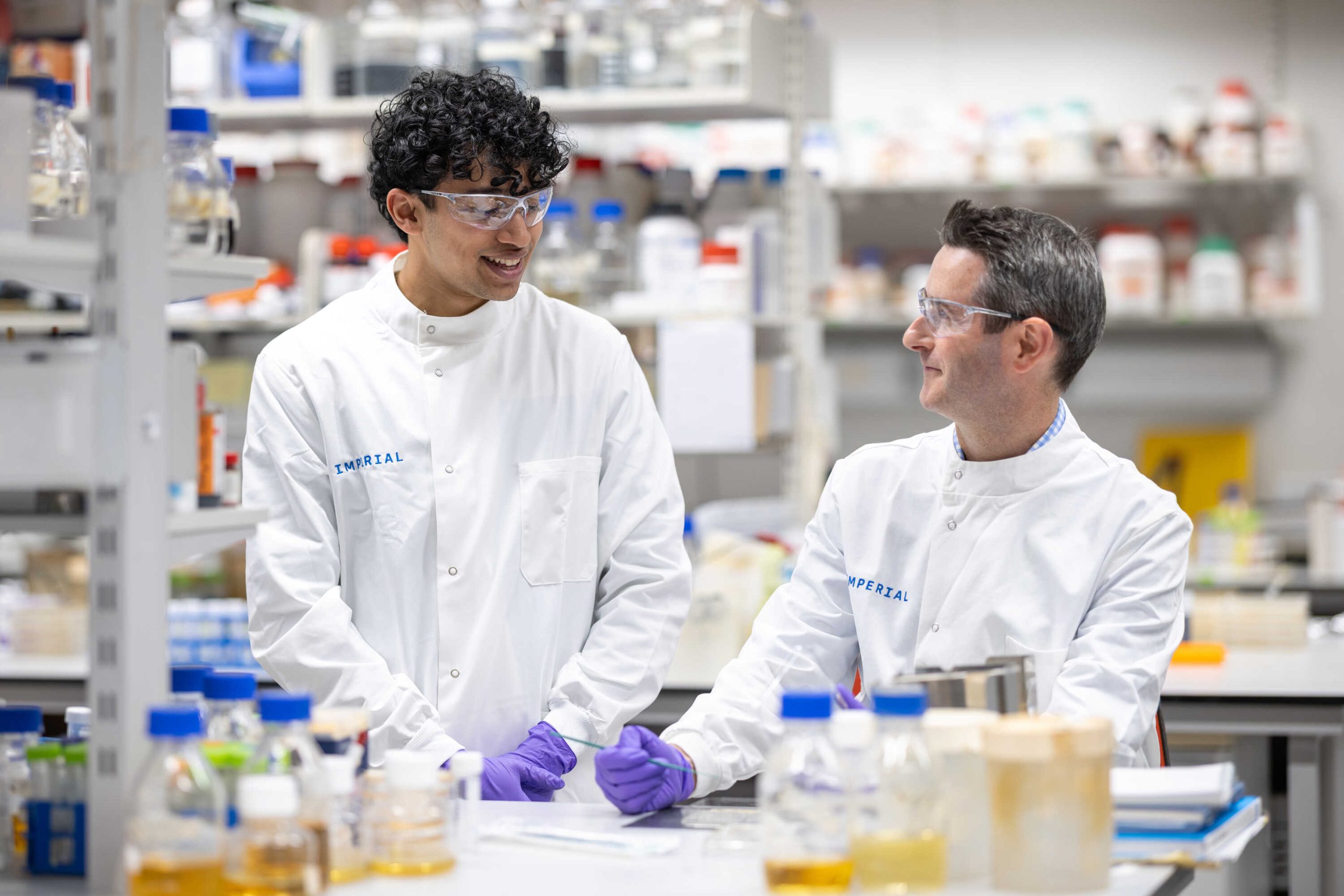
Written by Shayma, PhD Genomic Medicine
Applying for a PhD can be a daunting and extensive process. However, with the right guidance, it can become a smooth and even exciting experience, allowing you to better understand your goals and interests. Here’s a rough guide for finding a PhD that is a good fit for yourself, based on my personal experiences of finding, choosing and applying for a PhD at Imperial.
Why do a PhD?
Before beginning to search for a PhD, you must first understand why you want to do a PhD. A PhD is a commitment, and making sure it aligns with your goals and interests is important. A PhD provides training to become an independent researcher, which personally for me is a skill necessary for the career I’d like to pursue.
Beyond technical training, I was drawn to the research freedom and creativity that academia allows. My love for science can only stretch so far if I’m working on topics I am disinterested in and running experiments I don’t care for, so I picked a PhD project that I was definitely interested in finding out more about. The freedom of taking my project to where I want it to be is also a big plus for me and is one of my favourite aspects of doing a PhD.
So, as simple as it may sound, I’d suggest making a pros and cons list for doing a PhD before you start your search to make sure it’s 100% something you want to do – what do you think a PhD will provide for you?
The PhD application process
The application process typically involves several stages:
- Search for a PhD
- Initial application submission
- Shortlisting
- Interview(s)
- Conditional or formal offers
- Funding decisions
Interviews often focus on your motivations for applying, your understanding of the project, what prior research experience you have and how you approach challenges. When I was preparing for interviews, I revisited my application, read relevant literature and reflected on my experiences so I could discuss them clearly and confidently in interviews.
Finding a PhD
Finding a project first requires you to understand what kind of research excites you, what working environment you thrive in and what skills you want to gain from the PhD. Some tools you can use for finding your PhD are:
- University websites, such as Imperial’s – look for specific department webpages where they list all their open PhD opportunities
- Centralised PhD portals and job boards such as FindAPhD
- Research group and supervisor webpages
- Academic networks and recommendations from lecturers or supervisors
- Funding body and doctoral training centre websites
My application process might slightly differ from yours. For my PhD, I received funding from my home country so I simply needed to find a research group that worked on a project I was interested in. To do this, I searched through the Imperial website, found lists of researchers and research groups at Imperial, read descriptions of their research and explored their research output.
As I was already a Master’s student at Imperial while searching for PhDs, I also spoke to my lecturers on what research groups they thought would make a good fit for me. I found my current project supervisor from a list of research groups my MSc course leader had sent me.
The key is to speak to EVERYONE and try to get as much input as possible. I personally know a fellow PhD student who found their project through speaking to a stranger in a pub who connected them with their current principal investigator (PI) and PhD supervisor.
Funding your PhD
If you’re not self-funded, there are lots of other PhD funding options you can look into, including:
- Fully-funded PhD projects advertised by supervisors
- UK Research Council studentships
- External funding from research councils, charities and industry
- Scholarships and fellowships for specific backgrounds or research areas
- Grants and loans
Understanding funding deadlines and eligibility criteria early on is crucial as these often differ from project application deadlines.
Imperial offers a wide range of funding schemes you can explore, but many of these are highly competitive, so aligning your application with the funder’s remit and priorities is essential.
Doing a PhD after a Master’s at Imperial
For students already studying at Imperial, continuing to a PhD offers several advantages. You’ll already be familiar with the academic environment, expectations and research culture, and you may already have established relationships with potential supervisors. In my case, this made it easier to identify research groups that align with my interests and get support from lecturers who are well-informed on potential research groups.
Writing a PhD application
Most PhD applications required some combination of the following documents:
- CV
- Cover letter or personal statement
- Academic transcripts
- References
- Research proposal (for some projects)
It’s important to be detailed and specific in your application. Rather than simply listing skills, I backed up my statements with concrete examples. Remember that no one expects you to have all the skills required to complete a PhD at the application stage – if that were the case, you’d already be in a postdoctoral position – so just talk about the relevant experiences you’ve had so far and demonstrate how they’ll help you progress and succeed in the PhD.
A strong application clearly explains:
- Why the topic interests you
- How the project fits into your long-term goals
- Why you want to work with the supervisor and research group
- Why you want to do a PhD in this specific institution
Supervisors have different mentoring styles, and students have different learning needs. Showing that you have thought carefully about this fit demonstrates maturity and self-awareness.
Using scientific literature is a good way to show your thought process. Referencing key papers, specifically work published by the research group or supervisor, shows genuine engagement with the research and helps your application stand out. If the project is funded by a specific body, referencing the funder’s aims demonstrates strategic awareness and an understanding of the broader research context.
My best advice for PhD applicants
- Start early and stay organised
- Be honest about your motivations and goals
- Focus on fit, not just prestige
- Back up claims with evidence
- Read the literature – it really matters
- Don’t be discouraged by rejections – they are part of the process
- Remember that potential and mindset matter as much as existing skills.