
Month: November 2025

Nan Wu: ‘Never lose the ability to think independently’

What is your name?

Nan Wu

Where are you from?

Qingdao, China

To which class do you belong?

MRes Experimental Neuroscience 2025

Where and what did you study before joining Imperial College London?

Before coming to Imperial, I studied Clinical Medicine at Shandong University (China). At the same time, I trained in basic medical research under Professor Lining Zhang, focusing on the immune microenvironment in tumours and metabolic diseases. For example, I worked on the mechanisms of how D-mannose could be used to treat obesity and depression

How did you find your Master’s experience at the College?

This year at Imperial was rewarding! It is an experience I will never forget. Imperial has world-class teaching staff and researchers, and our course director, Dr Stefano Sandrone, always reminded me to enjoy every assessment. I really took that advice to heart. Although I’ve now graduated, this is not the end, but the beginning of my journey as a researcher. This programme gave me far more than technical skills: it trained me in critical thinking and communication. Rather than simply becoming a ‘machine for experiments’, the ability to think independently and communicate ideas effectively has been the most valuable takeaway

Which research project did you work on?

The programme is divided into three projects, and all of mine focused on glioblastoma. For project 1, I worked in Dr Nelofer Syed’s group under the supervision of Dr Maria Chatziathanasiadou, I worked on identifying biomarkers of response to arginine deprivation therapy in glioblastoma. I learned how to analyse Visium data and perform immunohistochemistry. I also did my second project in Dr Syed’s lab, this time with Dr Richard Perryman. We discovered that arginine deprivation sensitises radiotherapy in ASS1-negative glioblastoma by epigenetically silencing DNA damage repair genes. For my third rotation, I joined Professor Simone Di Giovanni’s group. Supervised by Dr Marco Milano, I explored the intersection of cancer and neuroscience. We developed a small-fibre neuropathy animal model and found that epidermal neurodegeneration was associated with immune infiltration. We cultured dorsal root ganglia sensory neurons with glioblastoma-conditioned medium to study effects on neurite outgrowth and used proteomics to identify key factors

Where are you now?

I am about to return to China

What are you working on?

Back in China, I will continue collaborating remotely with Dr Syed on a project using Visiopharm to analyse changes in the glioblastoma microenvironment before and after metabolic therapy. Next June, I will begin my PhD at the University of New South Wales, focusing on epigenetic therapies for diffuse midline glioma

What is the most important lesson you learnt as a Master’s student?

The most important lesson is: never lose the ability to think independently. Regardless of how bold or unconventional your ideas may be, discuss them with your supervisor. An invaluable tip I learned from Dr Syed is that when reading a paper, especially the results section, look at the figures first and try to interpret them yourself. Then compare your interpretation with the authors’. This practice helps you maintain your critical thinking

How did the Master’s programme help you get to where you are now?

The three pillars of this MRes —technical skills, critical thinking, and communication —are exactly what prepared me for the next step. Beyond experiments, being a researcher means thinking independently, questioning even high-impact publications, and having confidence in your own discoveries. The MRes transformed me into a junior researcher, and I am ready to continue my journey in the scientific world
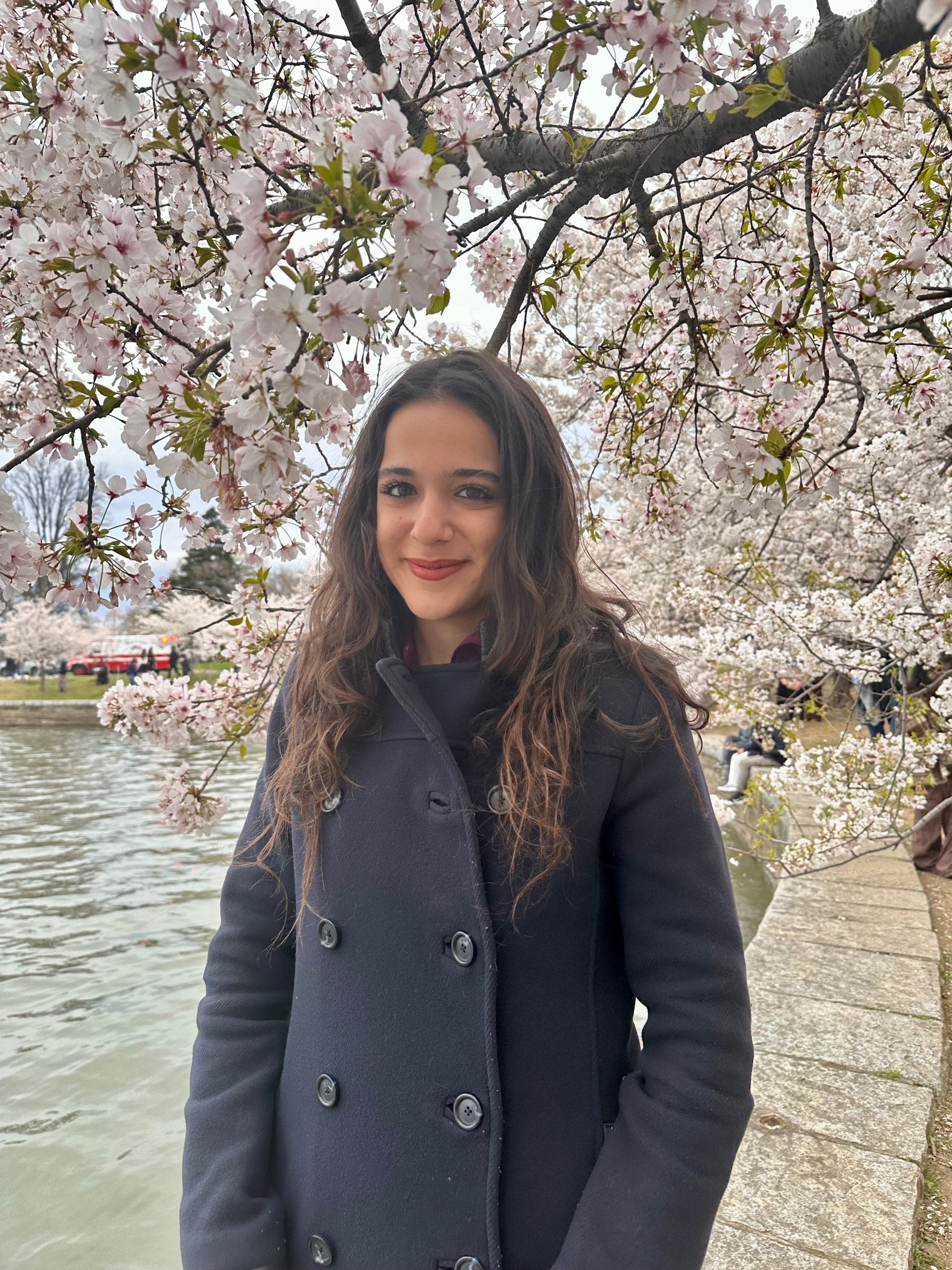
Gamze Kazakoglu: ‘The MSc was immersive, fast-paced, and deeply rewarding!’

What is your name?

Gamze Kazakoglu

Where are you from?

Istanbul, Turkey

To which class do you belong?

MSc Translational Neuroscience 2024-2025

Where and what did you study before joining Imperial College London?

I got my BSc in Psychology from Yale

How did you find your Master’s experience at the College?

Immersive, fast-paced, and deeply rewarding! I gained exposure to diverse research areas in neuroscience and ultimately chose the project that resonated with me the most

Which research project did you work on?

I completed my project with the Translational Machine Intelligence Lab and the UK Dementia Research Institute under the supervision of Professor Payam Barnaghi. My research focused on developing a machine learning pipeline that integrated clustering and supervised models to predict dementia risk from longitudinal sleep and physiological data

Where are you now? 

Still in London

What are you working on?

Working as a Business Analyst in a healthcare consulting company

What is the most important lesson you learnt as a Master’s student?

For the project, I learned to plan my roadmap wisely and realistically, and to consistently check in with my supervisor—since even one small unnoticed mistake once cost me a great deal of time. As for the modules, I made it a point to take away at least one key insight from each, even when the content didn’t immediately spark my interest. Education is truly priceless, and it passes by more quickly than you realise!

How did the Master’s programme help you get to where you are now?

Apart from this amazing programme, I was also fortunate to be at an institution like Imperial and in a city like London, both of which offer numerous career resources, networking events, and opportunities to meet inspiring people. I did not shy away from taking full advantage of these opportunities and would recommend the same to everyone

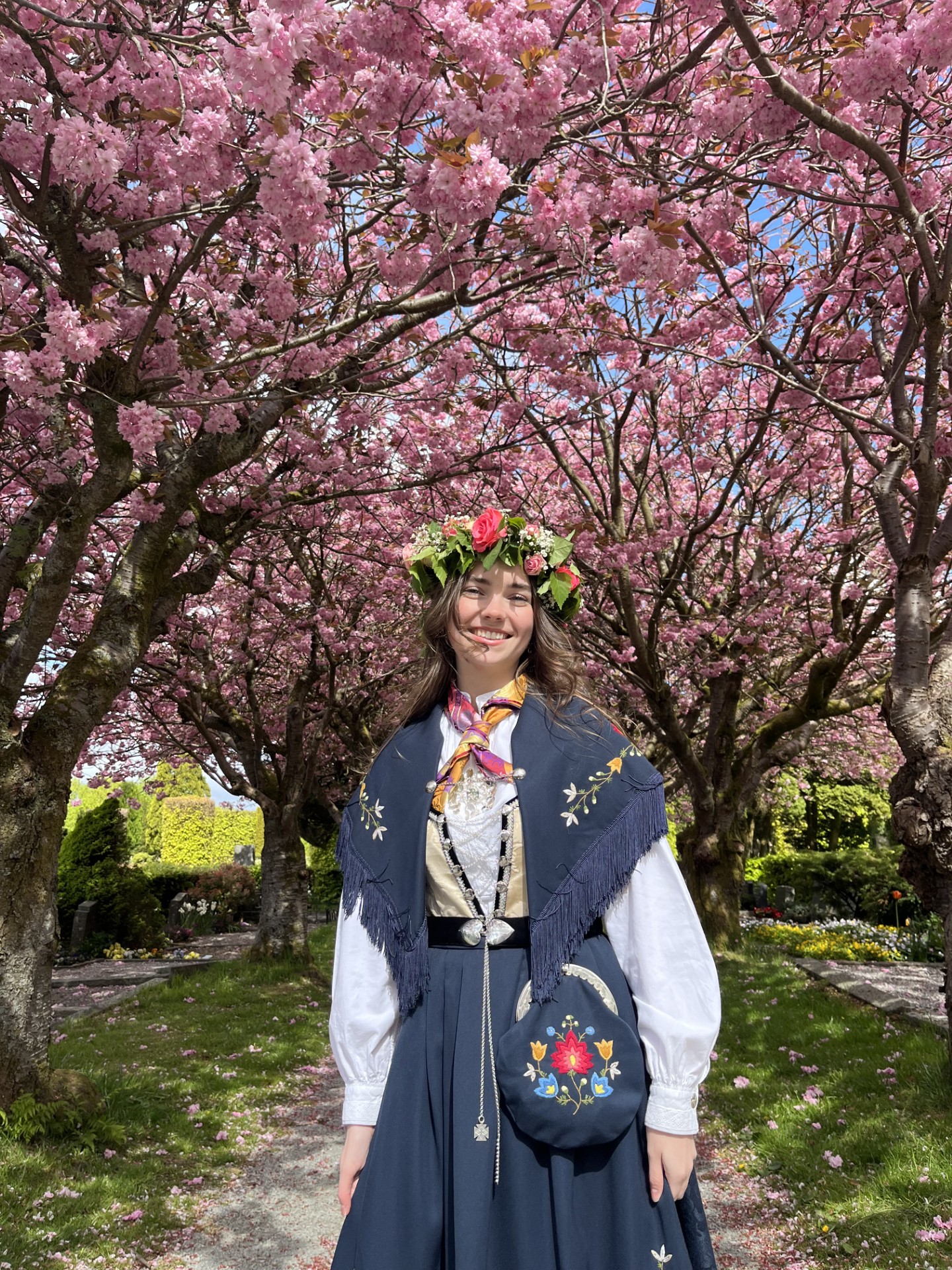
Live Grødem: ‘I had a wonderful time at Imperial. The course was very engaging, challenging and had a very steep learning curve’

What is your name?

Live Grødem

Where are you from?

Stavanger, Norway

To which class do you belong?

MSc Neuroscience class of 2025

Where and what did you study before joining Imperial College London?

BSc Biomedical Science at Queen Mary University of London

How did you find your Master’s experience at the College?

I had a wonderful time at Imperial. The course was very engaging, challenging and had a very steep learning curve. I had the chance to learn from world-class professors and lecturers, getting a broad understanding of neuroscience while also specialising in my own research interests. I particularly valued the translational aspect of the programme, the staff and the environment, as well as my peers who shared the same passion for science

Which research project did you work on?

I did my project with the Brain and Behavioural lab under the supervision of Dr. Paul Bentley. I investigated the use of wearable devices for motion tracking in stroke patients to improve current stroke assessments and inform rehabilitation strategies.

Where are you now? 

I am currently working in the Thuret lab at King’s College London

What are you working on?

I am investigating the role of platelets in Alzheimer’s disease. We are growing hippocampal progenitor cells and treating them with platelets and platelet-poor plasma to explore whether platelet-derived factors influence cellular processes linked to Alzheimer’s risk

What is the most important lesson you learnt as a Master’s student?

To be adaptable. In science, things rarely run exactly to plan, and I learnt how to manage setbacks and find alternative approaches to keep projects moving forward

How did the Master’s programme help you get to where you are now?

I have grown a lot as a scientist. I have been introduced to the translational side of neuroscience and gained a valuable skill set to take with me into future research. I developed independence, strong collaboration and networking skills, and an interest in combining wet lab research with data-driven approaches such as machine learning and AI. These experiences now guide me as I explore PhD and research opportunities at the intersection between neuroscience and technology