The Early Career Researcher Club (ECRC) continues to create momentum amongst early career researchers of the Department of Infectious Diseases (DoID) with three consecutive events that have brought together staff, technicians, undergraduate and postgraduate students, postdoctoral researchers, fellows, academics, and professionals of multiple expertise beyond academia to explore various career trajectories.
In March, the DoID ECRC have gathered to prepare for job interviews by taking on both the perspective of interviewees and the interviewers via an innovative setting in collaboration with Dr Inês Perpétuo of the Early Career Researcher Institute (ECRI). In April, the community has met to illuminate career options beyond academia – the founders of Manteis Bio, Dr Julia Makinde and Dr Anna Ettorre, and Full Circle Labs, Dr Michael Crone, showcased their path of transitioning from academia to starting their own businesses. Further, the ECRC have gathered to showcase career paths beyond academia including publishing, patent law, laboratory management and biosafety in June. The ECRC gratefully acknowledges support by the Department of Infectious Disease, a Clinical Academic Training Office (CATO) Connect Grant, FIDABIO and Full Circle Labs, whose generous financial support continue to shape the Department’s vibrant early career researcher community.
Early Career Researchers connect through micro pitch networking event in March
The DoID Early Career Researcher Club (ECRC) and early career researchers have gathered for an engaging and interactive networking event so to strengthen communication skills and build confidence in pitching one’s competencies. Specifically, staff, technicians, undergraduate and postgraduate students, postdoctoral researchers, fellows, and academics recently came together to master how to pitch themselves in interview settings in the Social Space of the Sir Alexander Fleming Building of Imperial College London on 26 March 2026. Indeed, the ability to emphasize one’s suitability for filling a position is critical when applying for highly competitive roles.
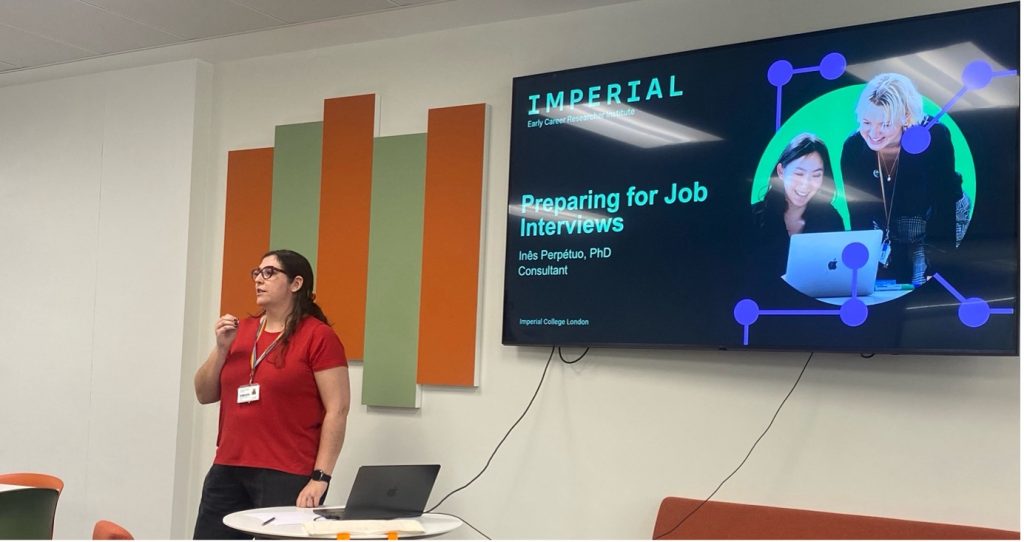
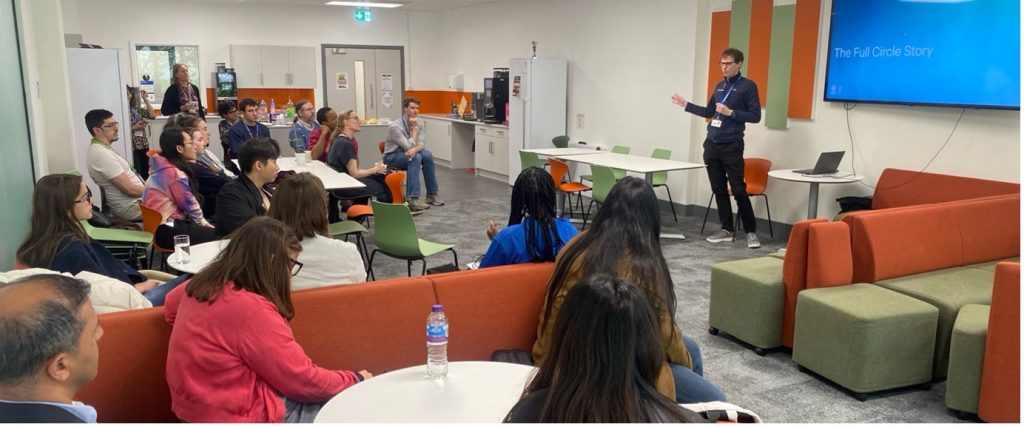
The event started with an insightful presentation by Dr Inês Perpétuo, consultant at the Early Career Institute (ECI) at Imperial College London, who outlined the most critical aspects when preparing for job interviews (Figure 1). The engaging talk highlighted key aspects applicants should take into consideration when applying for fellowships, lectureships, or non-academic roles. The nuanced differences when approaching interviews led to captivating discussions amongst the participants.
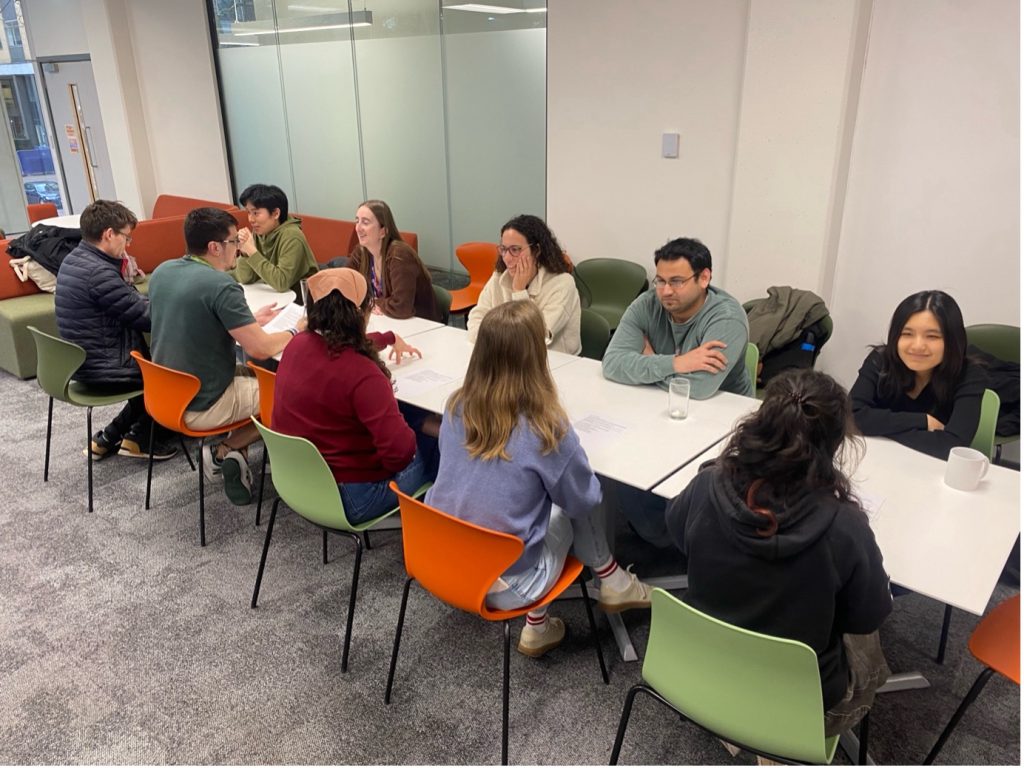
Moreover, the event entailed a fast-paced micro pitch and speed-networking format, giving participants the opportunity to practise answering interview-style questions in a supportive environment while meeting researchers from a wide range of disciplines. Participants were divided into two groups: interviewers and interviewees. Each exchange followed a structured format:
- Interviewer chooses and asks a potential interview question
- Interviewee replies in due time
- Interviewer gives constructive feedback
After each round, participants rotated to meet someone new, creating a dynamic and energetic atmosphere that encouraged concise communication, active listening, and quick thinking. Once all participants had completed the full networking circle, the groups swapped roles, allowing everyone the opportunity to experience both interviewing and being interviewed (Figure 2).
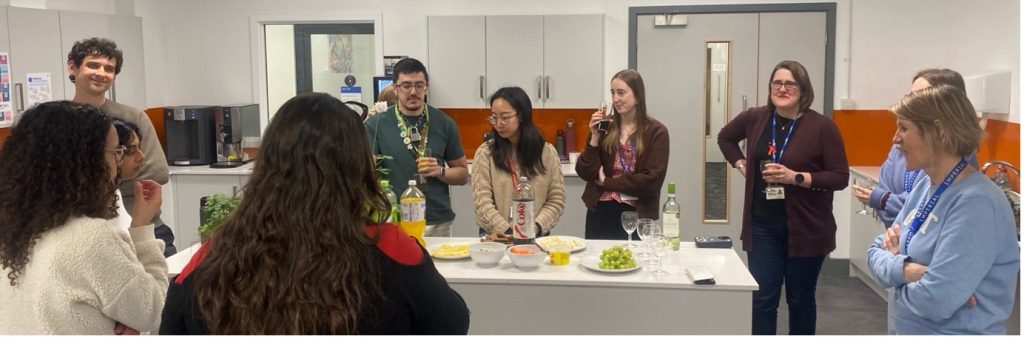
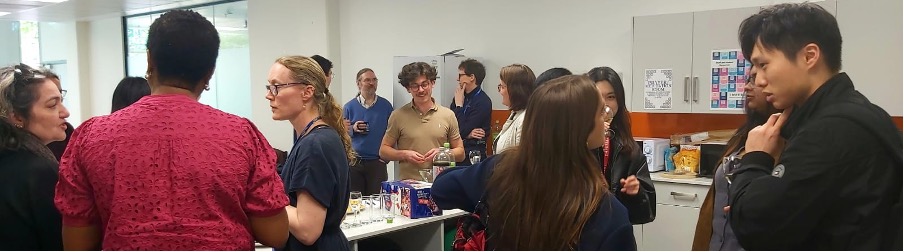
Throughout the event, the participants enjoyed refreshments that further allowed mingling and exchanging ideas related to career paths (Figure 3). The drinks and snacks were generously provided by the Department of Infectious Disease, a Clinical Academic Training Office (CATO) Connect Grant, and FIDABIO.
Voices about the event:
Niall McIntyre – Research Associate with Dr Ravinash Krishna Kumar
Niall, were the questions typically what you would expect in an interview?
“The questions were quite broad, focusing on both technical and interpersonal skills. The questioning made me reflect significantly more on soft skills I have acquired throughout my research career, which I found more challenging to answer than questions directly about science. Overall, it was a very beneficial exercise and a good time to reflect.”
Dr Inês Perpétuo – Consultant at the Early Career Researcher Institute
Inês, based on your experience, what is the most effective way of preparing for upcoming interviews?
“When you are applying for a role, you should do a bit of research on the employer/university/group/team you are joining and make some notes to help you during the process.”
To prepare for an interview:
- Re-read the job advert/description and your notes and highlight not only the desired skills/knowledge but also what activities you will be doing in the new role.
- Prepare to articulate why you want to work with THEM.
- Think about how you are evidencing those skills and how you could contribute to the activities – write short bullet points:
- Summary sentences summarising your experience and a concrete example using the Context-Action-Result structure.
- E.g.: I have supported 10 students, 5 undergraduates and 5 Masters and PhD students. I was the main supervisor of a Master student (CONTEXT and what was happening). I had conversations with them and then (ACTION you took and who else was involved). This led to (RESULT of the thing).
- It is also helpful to reflect on specific situations to think what could/should you have done differently.
- RE-READ YOUR APPLICATION – you probably wrote the examples already in there
- If you have a presentation – focus on the ask and practice timing.
- Do a bit of self-reflection and think about what skills you are bringing, but also how you can grow in the new role – what support might you need at the beginning?
- Clarify anything that isn’t clear in the process.
- Dress up – even if it is online.
Early Career Researcher Club hosts start-up & Micro-Dragon’s Den networking event in April
In April, the Early Career Researcher Club brought together researchers and entrepreneurs for an inspiring evening focused on innovation, entrepreneurship, and the career trajectories that led Dr Anna Ettorre, Dr Julia Makinde and Dr Michael Crone to transition from their academic roles into starting their own businesses.
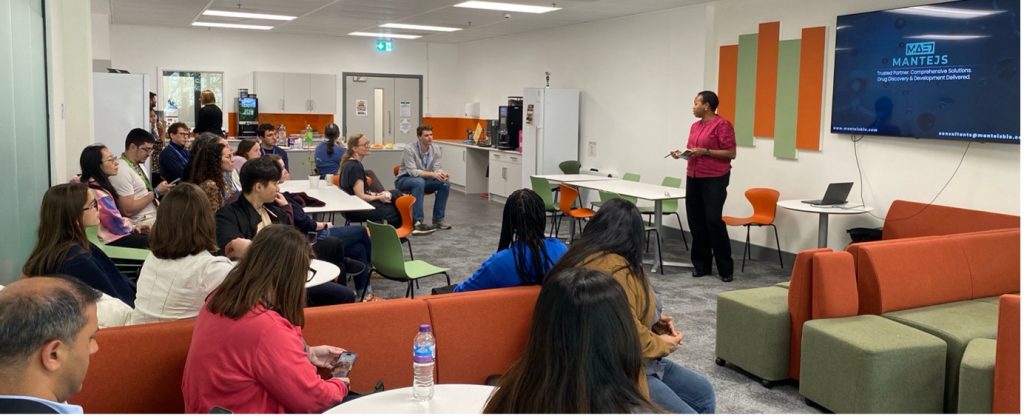
Manteis Bio is a scientific consultancy company that delivers strategic solutions to tackling complex challenges in drug discovery and development by providing specialist expertise across all aspects of R&D. Founded by Dr Julia Makinde and Dr Anna Ettorre, Manteis Bio helps accelerate innovation within biotech and pharmaceutical research by providing tailored scientific and operational support across a range of therapeutic areas (Figure 4).
Full Circle Labs is a London-based biotechnology company founded in 2022 that provides rapid DNA /RNA sequencing services, HPLC services, and bioinformatics analysis for researchers in academia and industry. Built around principles of accessibility, sustainability, and scientific collaboration, the company aims to support scientists through innovative laboratory services and environmentally responsible practices. Recently, Full Circle Labs has started to actively explore its services for environmental testing.
During the session, the founders shared insightful presentations about their individual career journeys, the challenges and opportunities of building a start-up, and the pathways that led them from academic research into entrepreneurship. Participants gained valuable insight into translating scientific expertise into commercial innovation, as well as the realities of establishing and growing companies within the biotech sector.
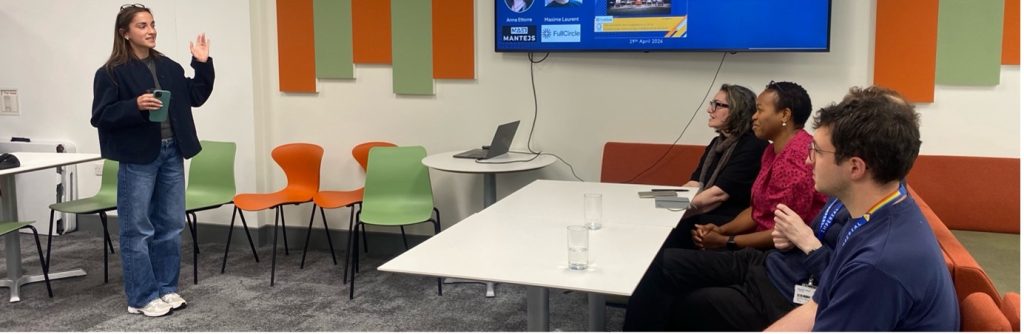
Following the talks, attendees continued discussions over refreshments in the Sir Alexander Fleming Social Space, where the evening transitioned into an interactive “Dragon’s Den”-style activity. Participants formed teams to develop and pitch their own business ideas to a panel of “dragons” comprising Dr Julia Makinde, Dr Anna Ettorre, Dr Michael Crone, and Maxime Laurent from Full Circle Labs. Teams presented creative and innovative concepts before receiving feedback, questions, and encouragement from the panel (Figure 6).
The fascinating career paths of all founders and the exciting business idea pitches led to further discussions and exchange over drinks and snacks, which were kindly provided by the Department of Infectious Disease, a Clinical Academic Training Office (CATO) Connect Grant, FIDABIO and Full Circle Labs (Figure 7).
Voices about the event:
Dr Stephanie Ascough – Research Associate
Steff, how did you feel pitching in front of the Dragons, and what do you take from their feedback going forward with your idea?
“Pitching at the ECR Club Micro Dragon’s Den was a fun experience; the relaxed setting in the DoID Social Space, a friendly crowd, and of course, free drinks(!) made it feel more like a lively conversation than a formal pitch. The Dragons gave really considered feedback, pushing me to sharpen my idea and consider all sides of a pitch. It was great to learn from founders of actual start-ups, like ManteisBio and Fullcircle Labs, swap ideas with other ECRs, and leave feeling both inspired and better prepared for future pitches.”
Paloma Garcia – MRes student with Prof Christopher Chiu
Paloma, what do you think you will watch out for when choosing the right co-founder, please?
“I learned that one of the most valued qualities of any co-founder is adaptability and resilience. You can have the kindest, most respectful person to help you start up a company… but at the end of the day you need someone to push through the inevitable difficult times!”
Dr Anna Ettorre – Co-Founder of Manteis Bio
Anna, would you mind please sharing a critical lesson of your career path that you’d like early career researchers to hear who consider a career in entrepreneurship, too?
There is no such career path to become an “entrepreneur”, no manual with what to do and what not to do, no SOP or protocol to follow, no time limit. Take your time, play with your ideas and different scenarios, and when you are ready, give your “matured ideas” a chance. Believe in yourself; be prepared to work long hours; the path is not a linear one; you learn on-the-job and through (many) mistakes; it requires a lot of passion, resilience, tenacity and patience…but these are all skills you learn as a MSc student first and then as a PhD student, and you perfect as a Postdoc…And ask for help; there are people out there who can help you.
Early Career Researchers explore roles beyond academia
In June, the ECR Club hosted an exciting event aimed at laying out career paths in academia and beyond. Specifically, the ECRC was joined for this event by Dr Sarah Gee (part-qualified patent attorney), Heather Combe (biorisk management), Katarzyna Sala (research technician) and Emma Cookson (deputy editor). The experts introduced the tasks associated with their roles on an everyday basis (Fig. 8), their individual career paths, and shared fascinating insights that sparked fruitful conversations.
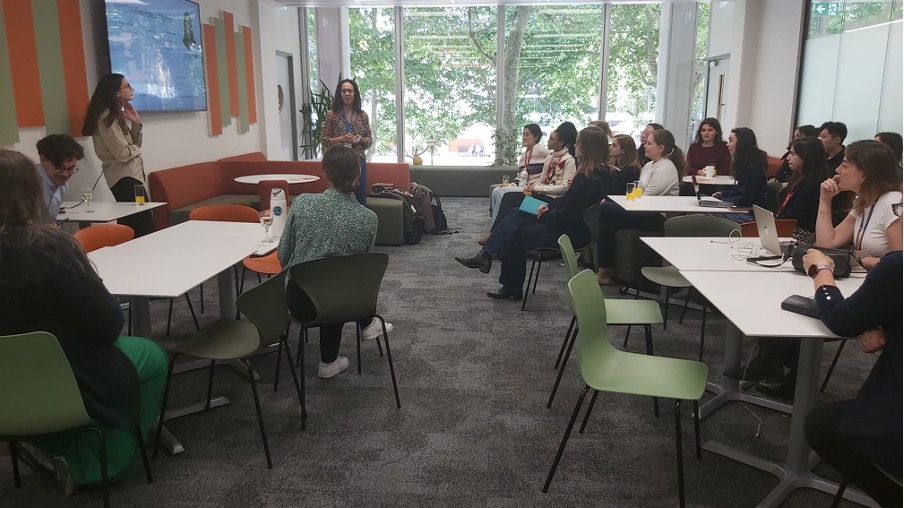
After giving brief introductions to their roles, the four panellists created a thriving environment that welcomed questions from all attendees. Further, the panellists exchanged views amongst themselves, which created an encouraging atmosphere (Figure 9). Some aspects of the discussions included:
- Motivations that led the panellists to follow their career paths
- The transition between roles in academia and industry, and vice versa
- The versatility of individual ambitions in driving impact
- Career challenges and how to overcome them
- The importance of transferable skills that are shared amongst the different roles.
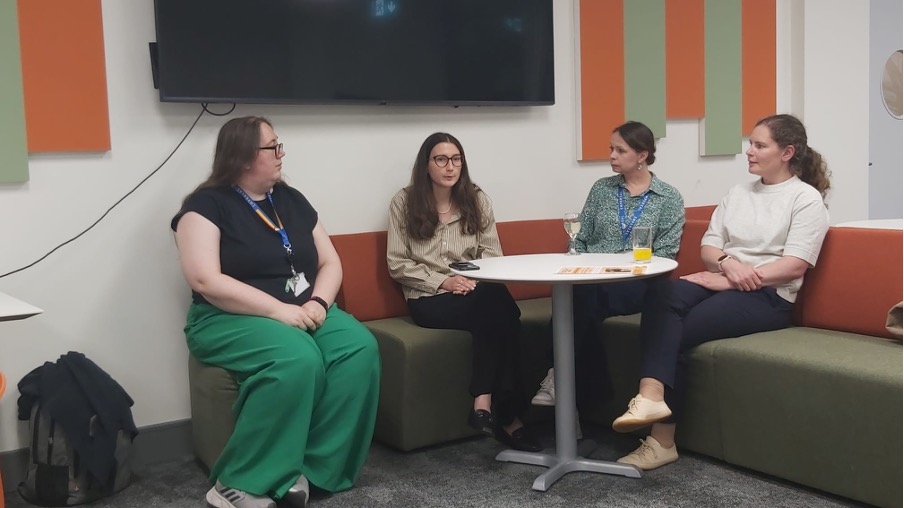
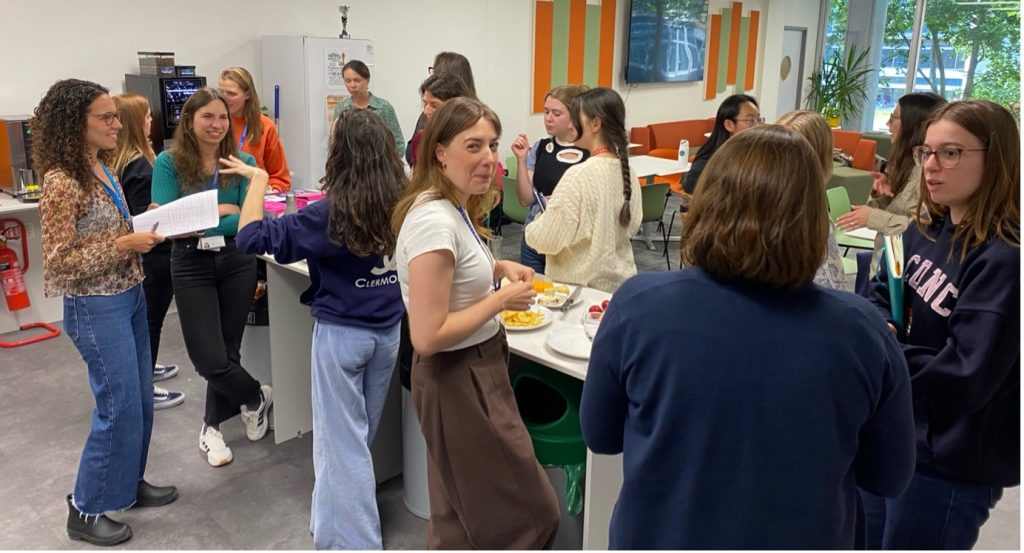
The panellists joined the ECR Club community over drinks and nibbles afterwards in the DoID Social Space, where no questions remained unanswered (Figure 10). It was lovely to see that many early career researchers of the Department of Infectious Disease exchanged ideas and career ambitions both in academia and beyond.
Voices about the event:
Dr Sarah Gee – Part-Qualified Patent Attorney with J A Kemp
Sarah, would you mind please sharing what excites you the most about your work as a Part-Qualified Patent Attorney?
“Being exposed to the forefront of innovation is incredibly exciting, and no two days are the same. The work is constantly intellectually stimulating and requires creative problem-solving whilst aligning strategy with the client’s commercial objectives. Together, this role provides a unique combination of science, law, and business.”
The ECRC acknowledges the hard work of the Committee Members – Alex McCarthy, Goedele Maertens, Christine Hilcenko (Chair, Secretary and Poster Design Lead), Carlota Miranda-Solé (Speakers Lead, Social Media & Marketing Lead), Stephanie Ascough (Treasurer), Sebald Verkuijl (Website Lead), Joelle Mettier (Relationships Lead), Jayanti Singh, Akashaditya Das, and Jorin Riexinger (Fundraising Lead).
Critically, the ECRC is continuously looking for your suggestions. If you have ideas for speakers, workshops or other activities, please feel free to get in touch with Carlota via email: c.miranda-sole@imperial.ac.uk.
Further, please do not hesitate to reach out if you are interested in contributing yourself towards the ECRC’s mission of bringing together early career researchers at regular events that highlight potential career trajectories, thereby supporting a thriving research environment (j.riexinger@imperial.ac.uk). You may contribute by joining a specific sub-committee of the ECRC (i.e. Speakers), by joining our committee meetings, by helping at distinct events, by sharing your thoughts and ideas, and of course by being part of our events.
Stay tuned for exciting speakers, workshops and activities already in the making. So, feel free to share your contact details with us via email (j.riexinger@imperial.ac.uk), so we can let you know as soon as our next events come up. We cannot wait to welcome you at the Early Career Researcher Club!