Author: Tom Rozier-Hope

Annual Teachers Conference 2026

Our Annual Teachers Conference “Brave learning in challenging times: A hope-centred approach in undergraduate Primary Care,” brought together our community of GP educators for a day of inspiration, reflection and practical learning. The theme of hope resonated throughout, from Dr Argita Zalli’s powerful morning keynote, where she shared her inspiring personal story of hope and its relevance to primary care, to afternoon keynotes from Michael Cole, Dr Naa Okantey, and medical student Yasmin Baker, who explored the concepts of critical hope and power, including the importance of inclusive language, principled spaces and learner-centred approaches. Key takeaways were that critical hope requires effort as well as the imagination of something better and is strengthened by a keen curiosity about power and injustice.

Interactive workshops explored hope in feedback, community-engaged learning, sustainable primary care, coaching conversations, digital equity, AI-supported clinical reasoning, and inclusive approaches to language, assessment and group learning.

We were also educated and inspired by students presenting their prize-winning projects from each placement; a huge thanks to all the GP practice staff who supported students with these projects. The day culminated with presentation of  the Teacher Awards where we celebrated colleagues’ achievements. You can see the list of worthy winners below.

Feedback from the day was overwhelmingly positive, with teachers leaving energised, connected and reminded of the purpose and impact of GP teaching. We look forward to welcoming even more of our GP teaching community to next year’s conference.

Student award-winning projects

Year 1 PCH Community Survey Project Prize

GP Community Survey Project
Simra Naveed Khan, Suhela Mukherjee, Emily Wheeler, Khalid Yussuf
Dr Jyoti Ramchandani, Belmont Medical Centre​

Year 2 PCH Community Collaboration Project Prize

Understanding the health experiences, priorities and perspectives of black and ethnic minority groups at Golborne Medical Centre
Fayowa Adesomoju, Evan Davidson, Catherine James, Vaasahi Rubakumar
Dr Yasmin Razak, Golborne Medical West10GPs

Year 3 MICA Community Action Project Prize

Supporting low-income patients to access food services in primary care
Shivani Dave and Raaga Devabaktuni
Dr Caroline Jewels, Sands End Health Clinic

Year 5 GPPHC Patient Project Prize

Safer steps to independence for Mr X
Daniele Cotton
Dr Josh Tognarelli, Richford Gate Medical Practice

Year 6 GPSA Quality Improvement Project Prize

Assessing factors that influence uptake of the “NHS Diabetes Prevention Programme” (NDPP) at the Willows Medical Practice 
Katerina Loupasaki and Haram Saouri
Dr Dania Shoeb, The Willows Medical Practice

Teacher awards

Teaching Excellence Award

Dr Panteleimon Chan, The Lilyville Surgery

Dr Anne Hughes, The Village Practice

Supporting the Student Experience Award

Brook Green Medical Centre

Plas Menai Health Centre

The Neaman Practice

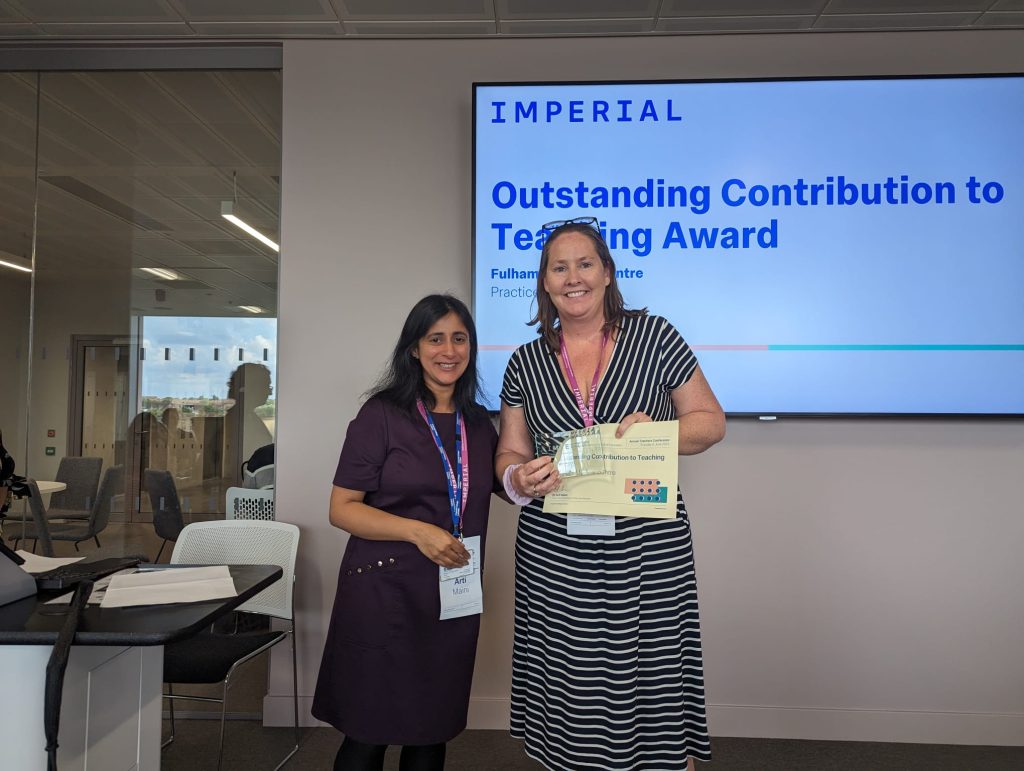
Outstanding Contribution to Teaching Award

Dr Sneha Bhatt, Brook Green Medical Centre

Five Minutes with Dr Catherine Ramsay: How She Turns Everyday Consults into Learning Moments

by Dr Sarah Green

Dr Catherine Ramsay is a GP in west London and has been teaching Imperial medical students for many years. We caught up with her to find out how she makes every teaching moment count.

In a busy clinical day, what helps you weave teaching into the normal flow of patient care?

I check regarding the student’s prior experience in primary care and check if they need any particular clinical skills or formative assessments to be completed which enables me to tailor any teaching to the student’s learning needs. I also try to involve them in small active roles like summarising the history or suggesting the management plan and this helps with engagement. I think aloud during consultations, discussing my reasoning as I go along to the patient and ask the student to write down any queries they might have during the consultation. I get them to reflect a learning point after every case on a particular aspect of the consultation depending on the level of the student, for example, addressing ideas, concerns and expectations or the management plan. I also try to mix up teaching techniques, for example running a joint clinic where I might take the history and the student do the management plan and then swapping over roles.

Can you describe any useful student learning activities if you’re tight on time?

I might give the student a specific task like giving lifestyle advice or safety netting the consults, or for them to do a clinical skill such as taking the blood pressure whilst I am typing in the patient record. I might acknowledge that we are running really late and talk about why that might change my consultation style and get the student to pick out any cues or health promotion opportunities I might have missed. With admin I might ask them to type, draft a referral letter or fit note. Another option might be to give them a task of looking through the prescription requests.

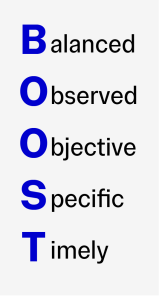
The BOOST model for feedback

What strategies have you found most helpful for having effective feedback conversations with students?

Feedback is most effective when the student has indicated what they feel is the priority for them in their learning, but I do try to use the BOOST model or I tend to break down feedback into the domains used in assessments like clinical skills, consideration of the clinical issues and management plans. I always ask the student to reflect on what they have done well and achieved and finish again on a positive or something they can reflect on. In communicating potential improvements, I like to ask the students what they might do differently on a better day to put a positive light on things.

How do you adapt your teaching approach for learners at different stages of training?  

I tend to teach final year students, but I do also teach nursing students in my diabetic clinics. We might have a chat about their confidence levels at the start, and I’ll ask the student to consider what they want to focus on or get feedback about. For less experienced students it might be practising taking a focused history when I might be the patient or working on communication skills such as communicating results. For more experienced learners I tend to let the students run their own clinics, report back with a suggested management plan or perhaps ask them to discuss the clinical issues. I think it’s important to reinforce recognising a sick patient in primary care, for students to recognise their limits and when to ask for support from a senior.

And finally, what’s one small change you’ve made that’s made teaching feel more sustainable or satisfying alongside your service commitments?

I ensure I allow time for students to give feedback as I really appreciate this so that I can continue to adapt and make my teaching relevant. I think it’s important for learning to be fun – I feel it improves everyone’s enthusiasm and enjoyment!

Integrating Sustainable Healthcare in Medical Education: A Guide for GP Tutors

by Hollie Meyers and Alexandra Cardoso Pinto

The connection between climate change and health is undeniable, with environmental changes exacerbating conditions such as respiratory illnesses, heat-related diseases, and the spread of infectious diseases (1). Despite the increasing recognition of these links, including recent updates to GMC outcomes underscoring the importance of sustainability in the medical curriculum, we couldn’t help but notice how sustainable healthcare practices remained underemphasised in our medical education (2).

Driven by our desire to make a meaningful difference in helping medical students and medical educators understand sustainable healthcare, we applied for StudentShaper roles in the Undergraduate Primary Care Education Unit. In collaboration with Faculty, our job was to review and further integrate sustainability into the Primary Care curriculum at Imperial. We hope that this project helps to equip future doctors with the skills and understanding needed to practice sustainably – whilst supporting GP tutors in being a part of this journey too.

The Project: What We Did

Our efforts began with a review of the existing curriculum, focusing on online learning modules and project assessments. Through this process, we learned that there is a paucity of innovative and engaging learning resources to support students learning about sustainable healthcare practices. We conducted an extensive literature review and gathered student feedback to inform our approach in updating this material. We also reviewed assessment briefs for projects conducted in Primary Care, to ensure these not only emphasise sustainability as a core principle, but also provide sufficient guidance for students to achieve this.

We discovered that while there is interest in the topic, there is also lack of confidence amongst educators on how to best support students in incorporating sustainability in healthcare. In response, we filmed a video incorporating insights from Dr Tamsin Ellis, a GP tutor, who emphasised that primary care is a prime setting for integrating sustainable healthcare education. Dr Ellis highlighted the importance of explaining the relevance of sustainability through stories and practical examples to make the learning meaningful. You can watch the video below.

The Role of GP Tutors in supporting students

This project also highlighted how GP tutors have a pivotal role in shaping the next generation of healthcare professionals. Here are three ways that GP tutors can support the integration of sustainable healthcare into medical education:

  1. Support Sustainability QIPs and other placement projects: Encourage students to undertake Quality Improvement Projects (QIPs) with a sustainability focus. We have provided guidance on the core pillars of sustainability and how to use these in practice – encourage students to review this material and apply it in their work.
  2. Emphasise Existing Content: Many aspects of current GP teaching, such as health coaching, health promotion and preventative medicine are inherently linked to sustainability. Highlight these connections to show students how sustainability is already part of their learning.
  3. Foster Interest and Engagement: Enthusiastic tutors inspire enthusiastic students. Stay informed about sustainability issues and current recommendations, use real patient stories to help illustrate these concepts to keep learning engaging and relevant.

Some resources we have found helpful in our learning journey include:

Final StudentShaper Reflections

Having now completed this project, we feel a mixture of realisation and responsibility.

This work is far from done – but we leave with a better sense of the extent of our own knowledge and equipped to apply this in our clinical practice.

Integrating sustainability into healthcare education is essential for preparing us, future doctors, to address the health impacts of climate change. By leveraging existing resources and focusing on practical applications of our knowledge, we can make sustainable healthcare a core component of medical education. The role of GP tutors is vital in this transformation, and together, we can cultivate a generation of healthcare professionals dedicated to sustainable practices. 


References

(1) World Health Organization. Climate Change. 2023. Available from: https://www.who.int/news-room/fact-sheets/detail/climate-change-and-health

(2) General Medical Council. Sustainability Q&A. n.d.. Available from: https://www.gmc-uk.org/professional-standards/learning-materials/sustainability-questions-and-answers

(3) Stancliffe R, et al. Towards net zero healthcare. BMJ. 2022 Oct 11;379:e066699. doi: 10.1136/bmj-2021-066699. PMID: 36220183.

(4) Centre for Sustainable Healthcare. n.d.. Available from https://sustainablehealthcare.org.uk/

(5) RCGP. RCGP’s Green Impact for Health Tool Kit. 2024. Available from https://toolkit.sos-uk.org/greenimpact/giforhealth/login

Conference Workshops: WATCCH

The MEdIC team, who run the WATCCH (Widening Access to Careers in Community Healthcare) programme, delivered workshops at both Imperial’s Festival of Learning and Teaching (FoLaT) on 29th April and the NIHR ARC NWL Collaborative Learning Event on 9th May.

Through small group work, these interactive workshops encouraged attendees to engage critically with barriers to accessing healthcare education and careers, as well as identify what can be done to support young people interested in pursuing them. Our WATCCH student lead, who was previously a participant in the programme, gave a unique longitudinal student perspective. Small group discussions revealed insights around valuing individuals’ experiences and working towards an inclusive educational and workforce experience within healthcare and attendees’ own contexts.

The session at the FoLaT focussed on barriers to accessing and participating in healthcare education and was well attended by colleagues from across the College, including teaching fellows, researchers interested in EDI and outreach officers. Small groups explored practical ways to overcome barriers; ideas discussed included greater financial support, extended student mentor programmes, and critically reviewing implicit expectations and requirements of students within courses to identify points of hidden exclusivity. The NIHR ARC NWL Collaborative Learning Event workshop considered the conference theme of ‘Building Capacity for Integration: Engaging Local Workforces’. Attendees included academics, research participants and students. Brainstorming of solutions for implementation led to discussions about role models, raising awareness and engagement of key stakeholders.

As well as providing insightful learning for the WATCCH team, both workshops ignited thoughts about how the principles of widening participation can be applied in various contexts. We thank all participants for their contributions.

If you are interested in learning more about WATCCH or supporting the programme, please email r.bhudia@imperial.ac.uk

Annual Teachers Conference 2024: Student prizes

Year 6 General Practice Senior Assistantship
Dr Sian Powell

GPSA Adam Snape QIP Prize

Winner: Alexandra Cardoso-Pinto
Establishing a clinic to identify priorities and support patients living with complex co-morbidities
Highly Commended: Azita Ahmadi and Hassan Ali

Grant Blair GPSA Prize 

Winner: Azmi Rahman
Highly Commended: Mabel Prendergast and Alexandra Cardoso-Pinto


Year 5 General Practice and Primary Health Care Course
Dr Neepa Thacker

The GPPHC Patient Project aims to increase students’ understanding of person-centred care in the context of complex health needs and/or social factors. Students are able to understand and enhance the care of patients by exploring wider issues surrounding care pathways and the interaction between primary/secondary and social care.

Winner: Christie Tsang
Nitrous Oxide Toxicity

Winner: Anežka Macey-Dare


Year 3 Community Action Project
Dr Georgina Neve

Overall winner: Victoria Hu and Rhea Patel
Health awareness and literacy on the effects of the consumption of betel nuts in Camden


Years 1 and 2 Patients, Communities and Healthcare
Dr Viral Thakerar

Year 1 Community Survey Project winner: Alisha Mahmud and Kieron Christie-Downie
Unlocking Immunization: Exploring Barriers and Challenges to Flu Vaccine Access
Year 2 Community Collaboration Project winner: Aimma Shahzad and Hasan Zaidi
Refugee Access to Healthcare

Annual Teachers Conference 2024: Tutor prizes

Congratulations to all the winners of tutors prizes at the 2024 Annual Teachers Conference. Below you can read feedback from students placed with each of the winners:

Teaching Excellence Award: Dr Yulia Peysakhova,  Cavendish Health Centre

“My supervisor Dr Peysakhova is so awesome. She actually wants us to learn and gives us opportunity to do this.”

“Dr Peysakhova doesn’t waste time. She makes sure everything is a learning opportunity and she’s so well versed in teaching younger years. Very lucky to be put on this placement. Thank you!”

“She’s so awesome. Would definitely recommend her to be put forward to teach more students.”

“She lets us take calls to practice history taking. Her advice is actually targeted and useful. I’ve learnt so much from her.”

Teaching Excellence Award: Dr Sabri Trepca, Barlby Surgery

“Dr Trepca is very encouraging and teaches useful and relevant lessons during his clinic.”

“Dr Sabri Trepca was an excellent teacher who discussed all the cases that presented with us – he was kind and understanding and gave good advice – contributing to our clinical knowledge and general life knowledge. Dr Sabri created a relaxed environment for us – where we felt comfortable to speak up and ask questions. He was non-judgmental and did not use harsh language. He showed us how to deal with difficult patients, how to perform and interpret findings from otoscopy/ophthalmoscopy/blood pressure measurements/urine dipsticks/blood results, what to notice in a patient when they walk in – signs that show a child is ill – what to do when in clinical doubt. He covered a vast scope of topics with us including multiple myeloma, nutrient deficiencies, ear infections, tonsillitis, vitamin deficiencies, 8 week checks, smear tests etc It was a pleasure to be on placement with him – he worked hard and made it as enjoyable and as engaging as he could.”

Teaching Excellence Award: Dr Stephanie Hughes, The Friarsgate Practice

“Dr Hughes was absolutely amazing, such a well organised and useful placement This was genuinely one of my favourite placements of medical school. I was going to GP not expecting to enjoy it much as I had not enjoyed it in previous years due to insufficient opportunity to get involved with the team. However I had the opportunity to get involved with multiple members of the MDT, run numerous clinics and decide patient plans. I also think this placement prepared me for being a doctor – I got practice writing patient prescriptions, writing referral letters, requesting investigations and I was well supported by all the doctors who supervised me. I would really strongly recommend this placement. All the doctors were instrumental in my education especially Dr Stephanie Hughes who is an excellent GP tutor.”

Supporting the Student Experience Practice Award: KS Medical Centre, Southall

“KS Medical Centre welcomed us so well and made us feel a part of the team. Dr Kamini was an amazing mentor and teacher, who always went above and beyond to give us useful teaching and experience. She was very passionate about us getting more confident throughout the 8 weeks and she ensured that we became more confident with our own skills and knowledge. Both Dr Kamini and Dr Ross taught us really well and also understood the importance of getting our sign offs done so we felt really comfortable and did not have to worry about not getting things done.”

“Overall, they were incredible and definitely should be praised for giving both me and my partner such an enjoyable time during MICA. Dr Kamini Gautam+ Dr Ross Mcjannette were incredibly accomodating. They went above and beyond in support, teaching and general care. I have never enjoyed and learnt so much from a placement before.”

Supporting the Student Experience Practice Award: Millbank Medical Centre, Westminster

“This was the best medical placement I have had up to date in my medical education. The structure and organisation from the get go with regards to teaching and the forms we needed, the additional opportunities provided by Dr McLaughlin; the hospice, the district nurses and the coroners court. She went above and beyond what is required for our medical teaching and provided experiences that I will not forget throughout my professional career. All the GPs, in particular Dr Dee and Dr Patel, made sure to have us as included as possible within the team and would actively involve us in any learning experiences available. The teaching was centred on what we wanted to get out of the placement and made us feel involved with the practice team as well as being able to take control of our learning was something I haven’t experienced at any other placement. I have no improvements to recommend. This experience was incredible. If there are any accolades awarded I would like to nominate both the practice and Dr Niamh McLaughlin as it is well deserved for the effort and care they put in their teaching. Truly exceptional. Again just to emphasise any medical student should feel privileged to have the opportunity to learn at Millbank! Absolutely fantastic GP tutor and team at the practice, really welcoming, keen to learn and to teach and open to answering any questions. Niamh McLaughlin is a great mentor, who is keen to facilitate our learning and catered our timetable to what we wanted to achieve. Couldn’t have been better.”

Supporting the Student Experience Award: The Croft Medical Centre, Leicester

“The entire team at the croft medical center was so lovely! I had the best time, all of the reception staff, all nurses and of course all of the lovely GP’s I got to spend time with were all kind beyond end. A HUGE thank you to Dr Makda for being such a great student mentor, his team gave me a perfect amount of authority during the time I was there; I was allowed my own clinics but was guided in terms of management and quieres along the way. He was an outstanding GP and even more so teacher; very understanding, very enthusiastic and extremely kind. I can only recommend this practice highly. Generally as a GP service, this practice was by far one of the most organised and thought through practices I have ever seen. From splitting the workload to timetabling students, whether these were from London universities or Leicester university, all of it was done seamlessly with absolutely no problems; no IT problems, no reasons to be shy, no problems accessing the GP center. It was top tier.”

Outstanding contribution to teaching: Fulham Medical Centre

Jan 2024: “The entire team at the Fulham Medical Centre was exceptional. In particular, Dr Libby Pearson and Dr George Hawche went above and beyond in their teaching and support, making this one of the most enjoyable and useful placement I have had to date.”

Oct 2023: “All of the members of the team at this GP were extremely friendly and welcoming and made us feel at home in the practice. In particular Dr Tim and Dr Libby gave us excellent teaching and feedback. They always picked out specific patients for us to see which would be most useful to our learning, which I found very beneficial.”

Sept 2023: “The entire team were very kind and inviting. They all welcomed us and would ensure that any queries we had were dealt with efficiently. Moreover, the doctors were very kind. Particularly, the leads (Libby Pearson and Tim McNicholas) always ensured we were seeing interesting patients and were fulfilling any goals or objects we had set out. Dr Pearson is a very wonderful mentor and I understand why she has won so many teaching awards! She had a very kind and reassuring demeanour. If any issues had arisen, I would have felt more than happy to discuss with her.”

August 2023: “Dr Libby Pearson, Dr Tim Mcnicolas and Dr George Hawche were excellent in providing opportunities for me to clerk patients independently, while feeling involved in the team”

“This GP practice is a shining beacon of what a GP team can achieve. Dr Pearson, Dr Hawche and Dr Tim (forgetting his last name) were all thorough and patient teachers despite having busy schedules. All staff members at the practice were warm and welcoming and provided any support needed.”

Oct 2022: “Dr Pearson was incredibly supportive throughout the placement. Along with support from Dr MacNicholas, the practice was very welcoming and granted me a high level of autonomy and independence which was very helpful for my professional development.”

 July/Aug 2022: “The team at Fulham Medical Centre were amazing! I felt so welcomed by all the doctors and staff there. Dr Pearson was so lovely and eager to teach, and gave us our own clinic from week 1 so we could practice independent interactions with patients. Dr George was also particularly enthusiastic about teaching us regarding various topics and cases presented.”

“This was such a great placement, my anxieties of continuing clinical years after finishing my BSc were mostly gone after this placement! My confidence greatly increased due to the guidance provided by the team here.”

Annual Teachers Conference 2024 Innovative Partnerships: Learning and Working Together in Medical Education

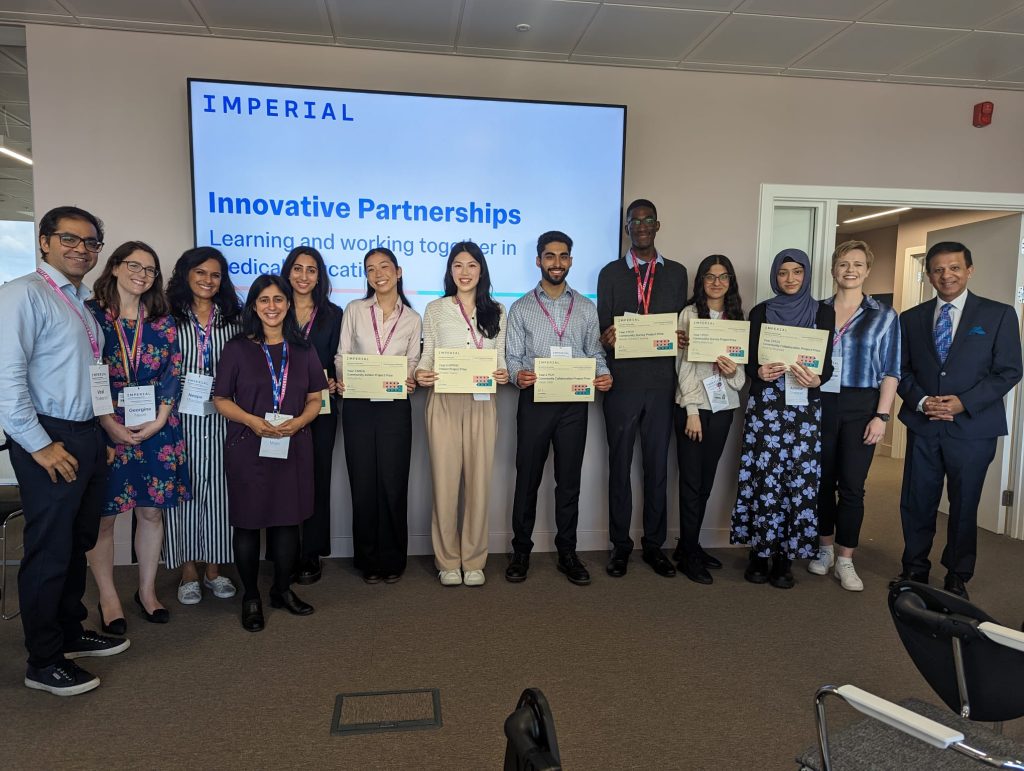
On Thursday 6 June 2024, the Undergraduate Primary Care Education Unit hosted its Annual Teachers Conference. This year we welcomed colleagues from the GP community to the new School of Public Health Building at White City Campus. Themed “Innovative Partnerships: Learning and Working Together in Medical Education,”

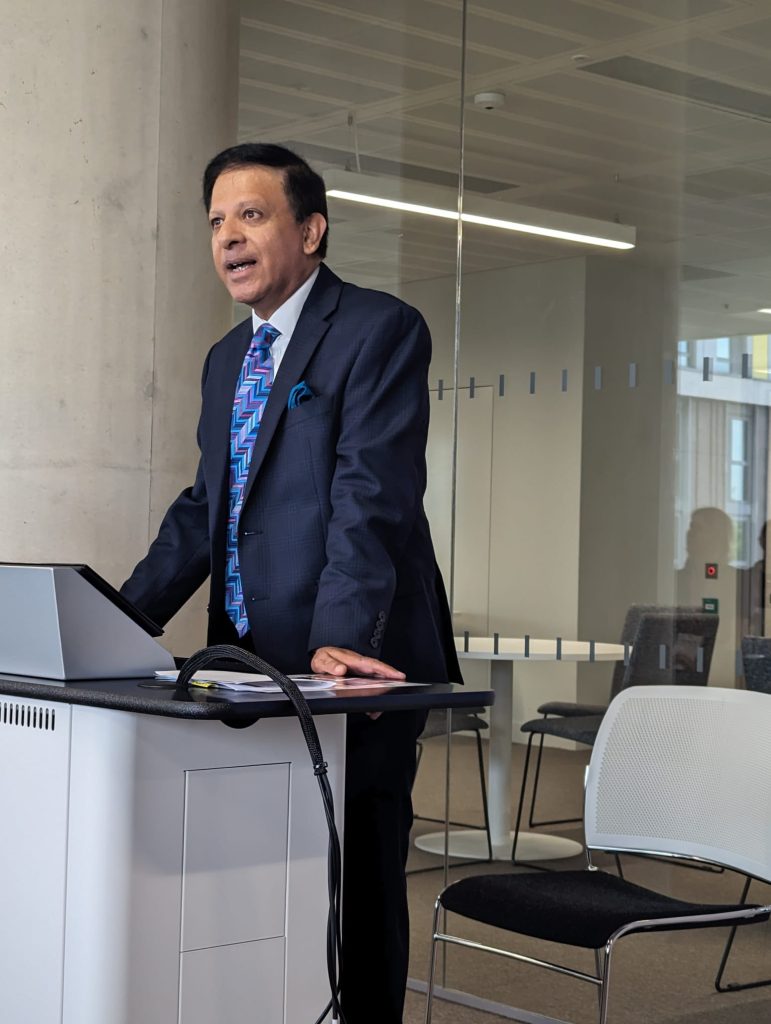
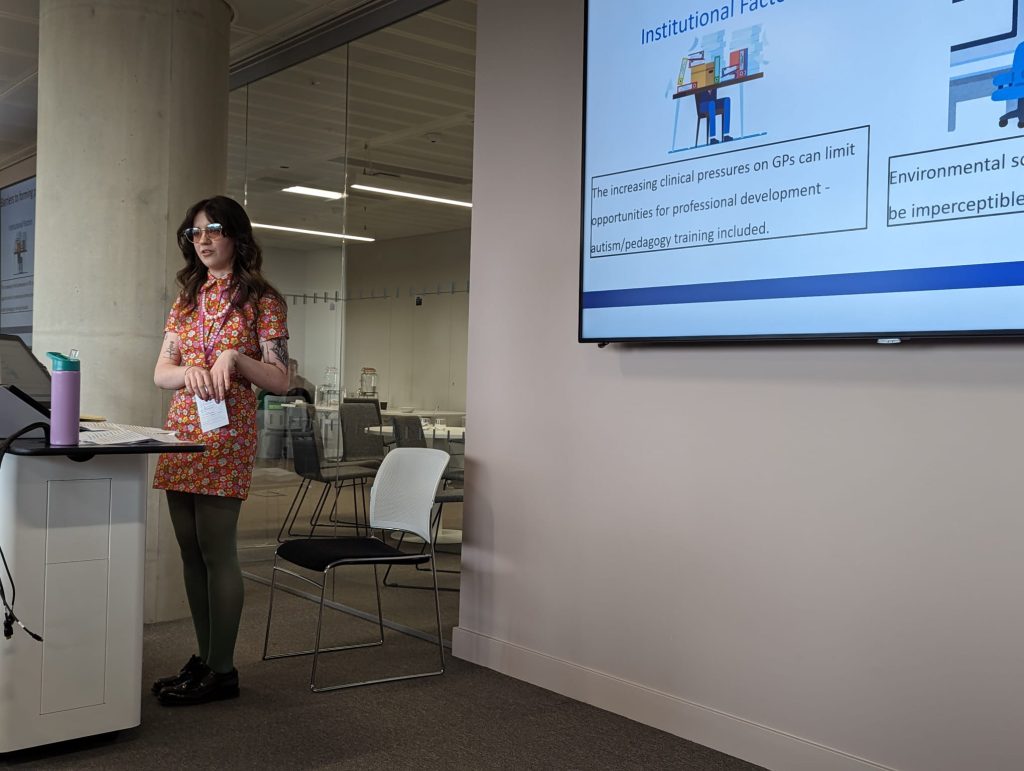
Dr Chaand Nagpaul CBE delivered the morning keynote address on inspiring and equipping our future generation of doctors. The afternoon keynote was by Maisie Irvine, a 3rd year student from Norwich Medical School. She captivated the audience, sharing her experiences as an autistic medical student. She centred this around a creative enquiry piece, a poem she had written to reflect on her experience on her GP placement. She encouraged Tutors to take a proactive approach with neurodivergent students considering environmental and learning adaptations.

The conference featured a dynamic mix of student presentations showcasing their prize-winning projects that they complete during their GP placements in each year of the course. They engaged with patients and community organisations to address various community priorities including flu vaccine access, healthcare access for refugees, a quality improvement project focused on a holistic, coaching approach to diabetes care.

Members of the department and community GP tutors facilitated interactive workshops including sessions on coaching for collaborative conversations, creating inclusive GP placements for neurodivergent students, supporting students with community-engaged projects and the impact of Artificial Intelligence (AI) in primary care. Workshops also explored the integration of arts in medical education, sustainable healthcare practices, and strategies for supporting interprofessional, multidisciplinary learning.

GP tutors were recognised for their contributions to medical education, with our awards ceremony celebrating their achievements and dedication. Dr Libby Pearson accepted the Outstanding Contribution to Teaching Award on behalf of her practice Fulham Medical Centre. You can see a full list of winners here.

The 2024 Annual Teachers Conference underscored the vital role of innovative partnerships in shaping the future of medical education, leaving attendees inspired and equipped with new strategies to enhance their teaching practices and student support. A big thank you to all our students, community tutors and faculty who helped make the day such a success.

Imperial General Practice and Public Health Society

by Kynthia Ravikumar

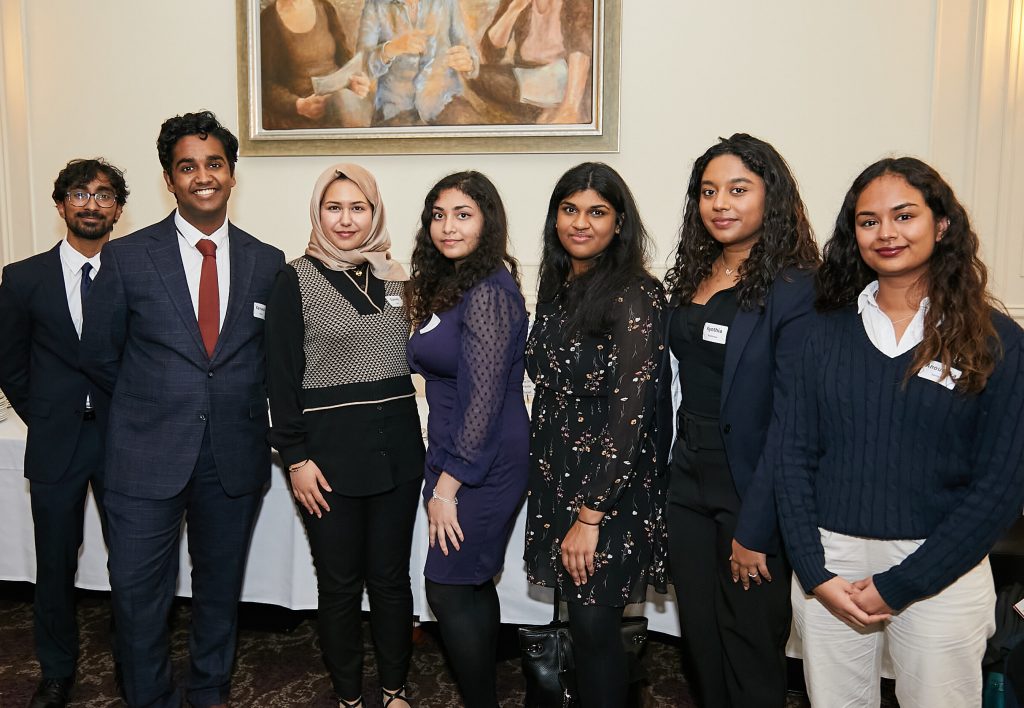
It is without a doubt that being a General Practitioner comes with engaging in Public Health initiatives. With their new and improved name, ‘Imperial General Practice and Public Health Society’, the student committee has reaffirmed its dedication to strengthening this crucial relationship. By rebranding, Imperial GPPH Society hopes to foster further collaborations, promote public health awareness, and inspire students and staff to broaden their careers.

Fortified by this new sense of direction, Imperial GPPH Society successfully hosted its inaugural in-person conference, marking a significant milestone after several years. Held on April 21st 2024, the event brought together a variety of speakers, delving into a spectrum of topics under the overarching theme of ‘Unity in Health’. Discussions encompassed navigating the training pathway, combining Public Health with General Practice, insights into private practice, and strategies for achieving special interest opportunities.

The conference also featured three exciting workshops. A networking carousel gave students the invaluable chance to ask their burning questions and establish connections with professionals. An ethical cases discussion prompted thoughtful reflections on commonly faced dilemmas, in a safe non-judgemental space. Additionally a virtual reality programme (complete with immersive headsets) offered a unique platform for attendees to hone their clinical skills and engage in simulated healthcare scenarios.

Overall, the conference hosted by the Imperial GPPH Society was a resounding success, cultivating an atmosphere of collaboration, learning, and personal development. It attracted attendees from various universities and received exemplary feedback. Heartfelt thanks go to the speakers and workshop facilitators for delivering insightful talks and engaging workshops. Additionally, appreciation is extended to Jenna Mollaney, Tom Rozier-Hope, Dr. Arti Maini, and Dr. Nina Dutta for their incredible involvement as faculty members. Special recognition is also given to Kynthia Ravikumar, Kavyesh Vivek, and Charlotte Fenner for their outstanding efforts in organising this spectacular event.

Looking forward, Imperial GPPH Society hopes to continue its mission of promoting interdisciplinary collaboration and showcasing the field. Your involvement and support is vital to the students; if you are interested in inspiring future GPs and Public Health ambassadors, please do reach out to Imperial GPPH Society via email: gp.careers@imperial.ac.uk, or Instagram @imperialgpsoc

Patients, Communities and Healthcare (PCH 1 & 2) reflections from a student and a tutor

by Dr Viral Thakerar

A person looking at their reflection in a lake [AI generated image] (Firefly, 2024)

A student reflection

PCH2 is the first clinical placement where our students take histories. This year, it occurred at a critical time in the NHS’s journey when technologies that promote personalised care may ironically lead to the loss of the personal touch. One of our students shared their reflections on this.

I admit that on my first encounter with a treatment algorithm, a faint feeling of dread came over me. Fears I thought I had put to bed when applying for medicine were renewed; was medicine just a form of glorified factory work? Would an algorithm not be better adhered to by a computer?

My last primary care placement went some way to assuage these fears and led me to consider the importance of human connection for patients. Despite current staffing pressures, clinicians on my placement knew patients well and patients seemed to really appreciate this. This is in the context of evidence suggesting patients who receive a greater continuity of care have improved health outcomes. Beyond recommending treatments or making diagnoses, I came to appreciate the role healthcare professionals could have in helping patients navigate difficult times in their lives. Often, it seemed that just lending an ear while patients talked through their concerns could have its own therapeutic value. Thank you!

A tutor reflection

One of our longest standing PCH tutors shares his experience of the community projects and how they give them insight into what matters to their population.

PCH1 was a particular eye opener for us as they looked at satisfaction amongst our patients and the appointment system. There was a lot of free text for them to also write comments and suggestions. The feedback was more positive than I thought. One interesting thing we learnt is trying to give better access to people with hearing impairments. This group of patients will often send in for request via email etc, but when there is something urgent it is a lot more challenging for them to book an appointment personally via calling up. As GPs we only think of the things we can improve or the negative things, but both PCH1 and PCH2 gave us some much-needed positive feedback which I have been able to share with colleagues.

PCH2 was particularly useful with regards to looking at Mental Health in young people. One of the projects also looked at homelessness. We looked at many of the issues. I was able to also explain the challenges from Primary Care- by thinking out loud that not all changes could be implemented- but that there were still changes which would be helpful. For example, young people with mental health problems often want to feel listened to and that their experience is believed, and that some people in this group prefer to talk to older doctors as they may feel judged by younger doctors.


MEdIC update: Global Creative Competition 2023

by Dr Stephanie Bull

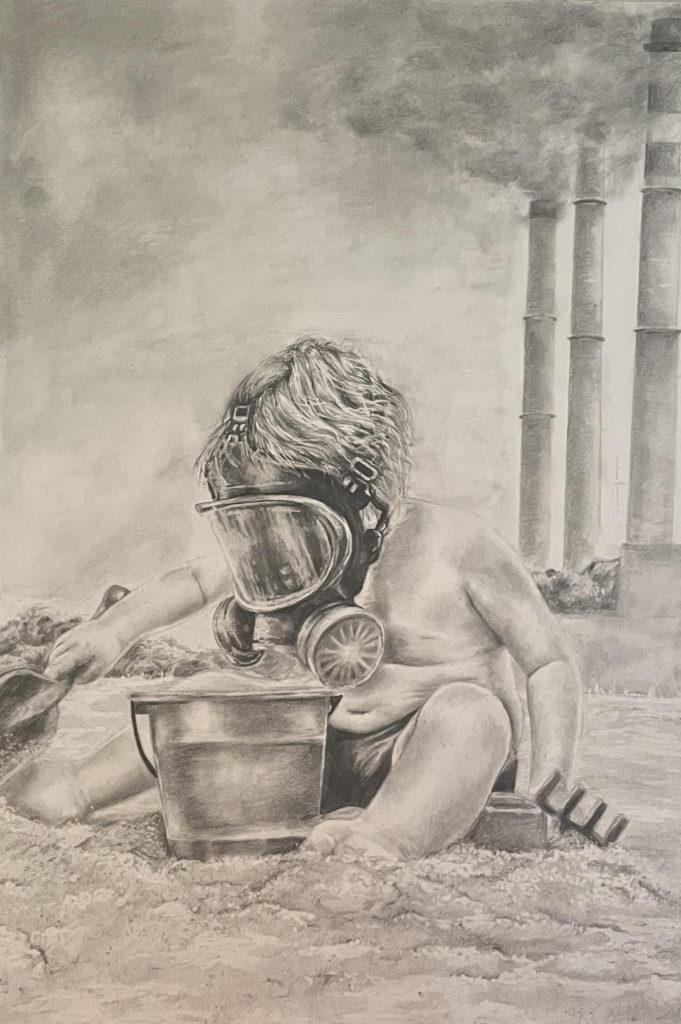
As part of its commitment to promoting conversations between students studying healthcare across the globe, MEdIC have created a Global Creative Competition. Initially established in 2020, the competition invited students to understand and reflect on the global COVID-19 pandemic. Further iterations of the competition have focussed on the themes of: Global Unity (2022) and the United Nations Sustainability goals (2024) reflecting international priorities. In 2024 the competition was also opened to all healthcare profession students from across the globe to reflect the multidisciplinary nature of healthcare delivery globally.

Students were asked to produce creative work and to submit a reflection about what their work meant to them personally and professionally.

In 2024 we had hundreds of applications which were shortlisted by a panel of judges and experts to our finalists. An awards ceremony provided an opportunity for healthcare students from both low- and high-income countries to celebrate our finalists and engage in knowledge conversations on topics that are important to the transformational change of global health systems. The finalists from 2024 will be taking part in a panel discussion in March 2024 and we are working to develop a digital exhibition of their work to further showcase their achievements.