At the SAHSU Environment and Health Coffee Morning in April, Dr Gwen Murphy shared her plans for research on understanding oesophageal, or food pipe, cancer in England.
Cancer of the oesophagus is often found only when the cancer has already spread and is difficult to treat. Gwen’s research is focused on improving our understanding of the causes of oesophageal cancer so that we can prevent it occurring or identify it earlier when it is easier to treat. Two types of tumours can grow in the oesophagus and the risk factors are distinct for each type. Understanding what causes each type of oesophageal cancer and identifying people most at risk helps us to design cancer prevention and early detection programs. Gwen’s project will create the first map of oesophageal cancer in England and use environmental monitoring data to understand whether factors like air pollution or intensive farming increases risk of oesophageal cancer.
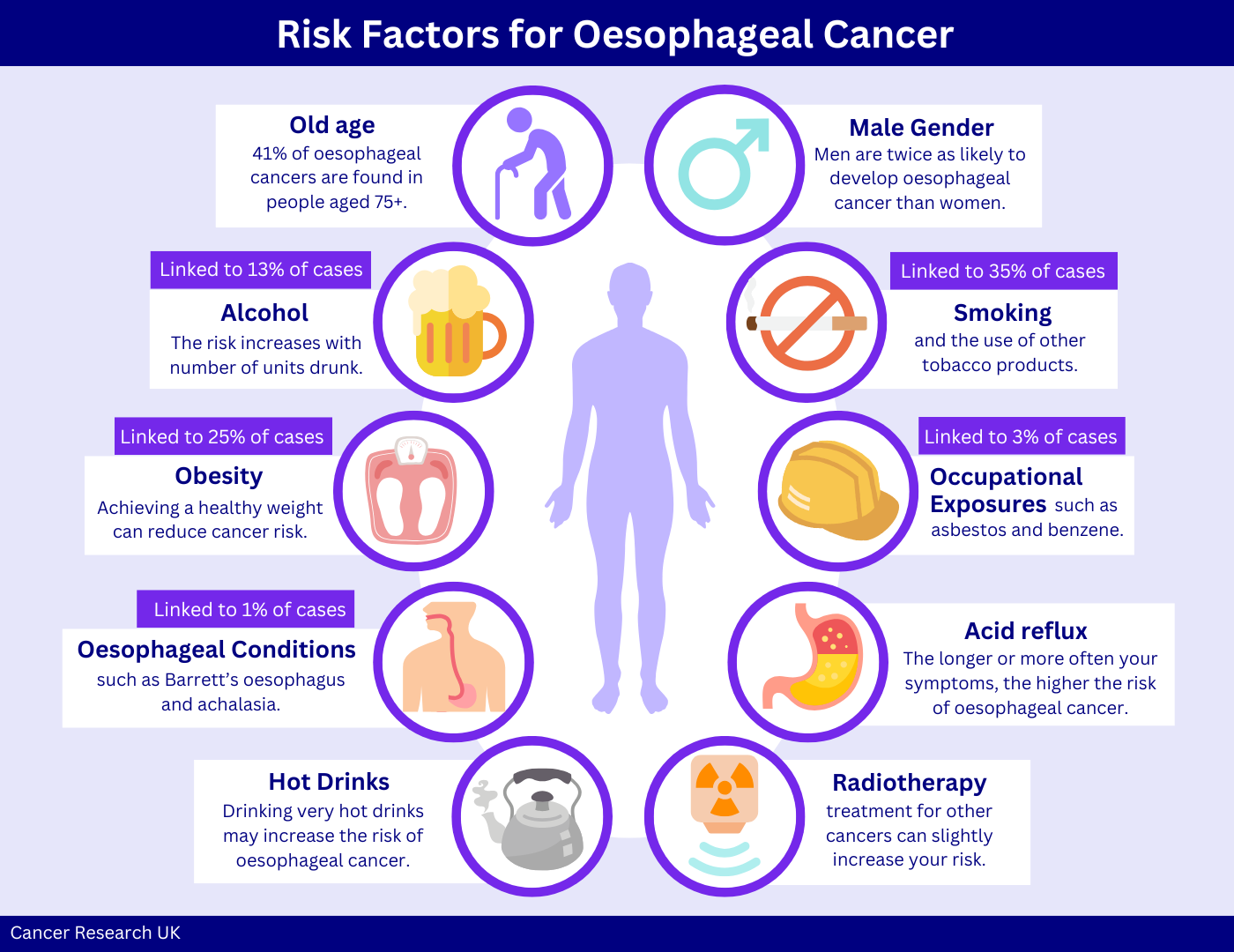
During the morning, Gwen hosted three 25-minute table discussions with small groups of people. Gwen wanted to learn more about what people understand currently about oesophageal cancer: did they know anyone who had had it, what do people call the cancer and, what did they know about oesophageal cancer risk factors. Gwen also asked people where they would like to find the results of this research (online, local papers, radio etc). To help the discussions get started Gwen and her team had prepared a short summary of the project and some images describing where in the tumour the oesophagus is and what we know about risk factors at the moment.
People in the discussion groups did not initially understand the difference between “throat cancer” and cancer of the oesophagus and they also preferred the use of the common name “oesophageal cancer” over alternative names like “food pipe cancer” and “gullet cancer”.
Many people talked about being concerned about how environmental factors increase the risk of cancer generally. People were surprised to learn about the risk factors of oesophageal cancer and were particularly interested to hear that drinking very hot drinks has been found to increase risk of this cancer. Everyone who participated in the discussions understood the idea behind the project and said they would be interested to hear the results. Some people chose not to join the discussions because they did not want to talk about cancer.
People were very supportive of the planned research and of research generally. The fact that people were interested and engaged was very encouraging and the thoughts they shared have shaped the research Gwen will do and the way she describes it.
Gwen hopes to continue to update participants with the progress of her research and to learn more about their thoughts on cancer prevention more generally.
 The event has helped Angela feel more confident about speaking about death and dementia with the public, and what language to use. The level of interest and the stories shared were very motivating. Building on these discussions, Angela hopes to explore new ways to involve participants, perhaps through co-authored summaries of her research findings.