Preparing the Class of 2030: Reflections and next steps from FOLAT 2026
By Dr Anne Burke-Gaffney, Co-Director Bioscience Futures MSc (National Heart and Lung Institute)
Summary of the conference
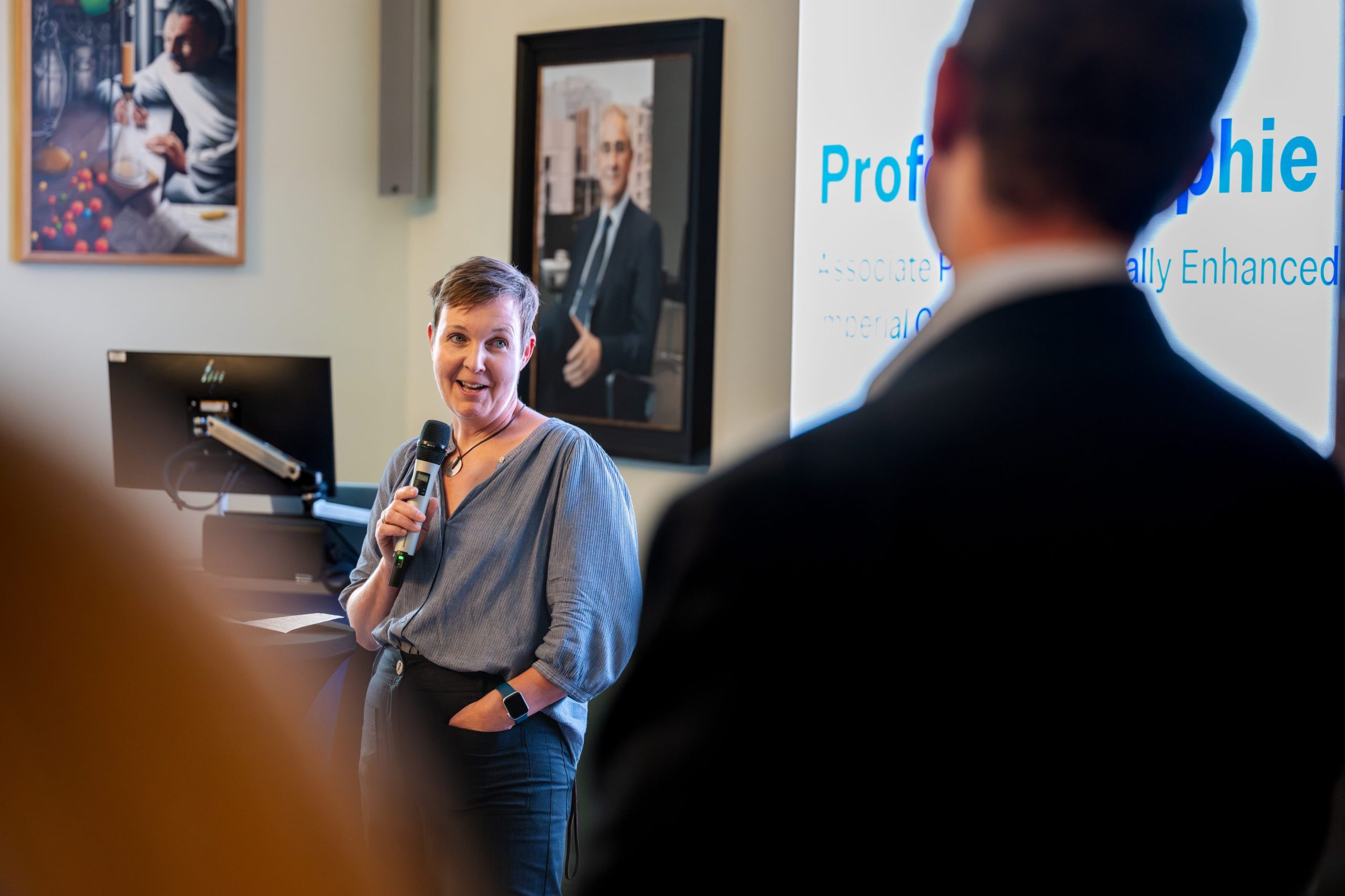
This year’s Festival of Learning and Teaching (FOLAT) 2026 centred on future-focused education and Imperial’s vision for supporting the Class of 2030 through integrated disciplinary excellence, interdisciplinary learning and entrepreneurship. The festival brought colleagues together to reflect on a disarmingly simple but far-reaching question: how must higher education change to prepare this next generation of graduates?
Across the conference, conversations moved beyond what students should know to who they need to become in order to thrive in an uncertain, complex and rapidly changing world. What stood out was a shared recognition that universities have a responsibility not only to deliver technical excellence, but also to support students’ agency, values and confidence as they navigate multiple possible futures. Learning and teaching were framed as extending far beyond the classroom, shaping graduates’ identities, aspirations and capacity to contribute meaningfully to society, the economy and global challenges.
My aims in attending FOLAT 2026
I attended FOLAT 2026 with two aims. The first was to explore whether the way we frame learning on the Bioscience Futures MSc (particularly around entrepreneurial competencies) resonates with the realities of the Class of 2030 and the futures we are preparing our students for.
The second was to learn: to listen for emerging patterns about who graduates will need to become, not just what they will need to know. This theme surfaced strongly in the opening discussions, with repeated emphasis on preparing students for uncertainty, complexity and rapid change, while enabling them to develop into graduates who are inclusive in outlook, grounded in their values and able to act with confidence and initiative, alongside technical excellence.
My conference highlight
My highlight was seeing how strongly the Bioscience Futures MSc aligned with the festival’s agenda; particularly around employability, futures thinking and agency. Our team contributed across three sessions at FOLAT 2026, with nine team members involved overall.
One session, Unlocking the Power of Storytelling at Imperial, in the Workplace and Beyond, led by Neil Taylor (Centre for Academic English) and Dr Raj Mann (National Heart and Lung Institute), reinforced something I’ve come to believe strongly: storytelling is not a “nice-to-have” flourish, but a core professional capability. It enables graduates to translate complex bioscience into meaning, influence and impact; and, crucially, to articulate motivation, values and fit as they move into work.
Another session was our workshop, Brave New Futures: Embedding Entrepreneurial Competencies for the Class of 2030, where we shared practical ways of embedding EntreComp: The entrepreneurship competence framework, into teaching. The workshop drew on what we have learned through the Bioscience Futures MSc and was delivered by me alongside Camille Reltein (Enterprise Lab, Expert‑in‑Residence), Dr Michael Weatherburn, Dr Mark Pope, Dr Daisy Pataki (Centre for Languages, Culture and Communication), and Dr Nigel Forrest (Centre for Environmental Policy).
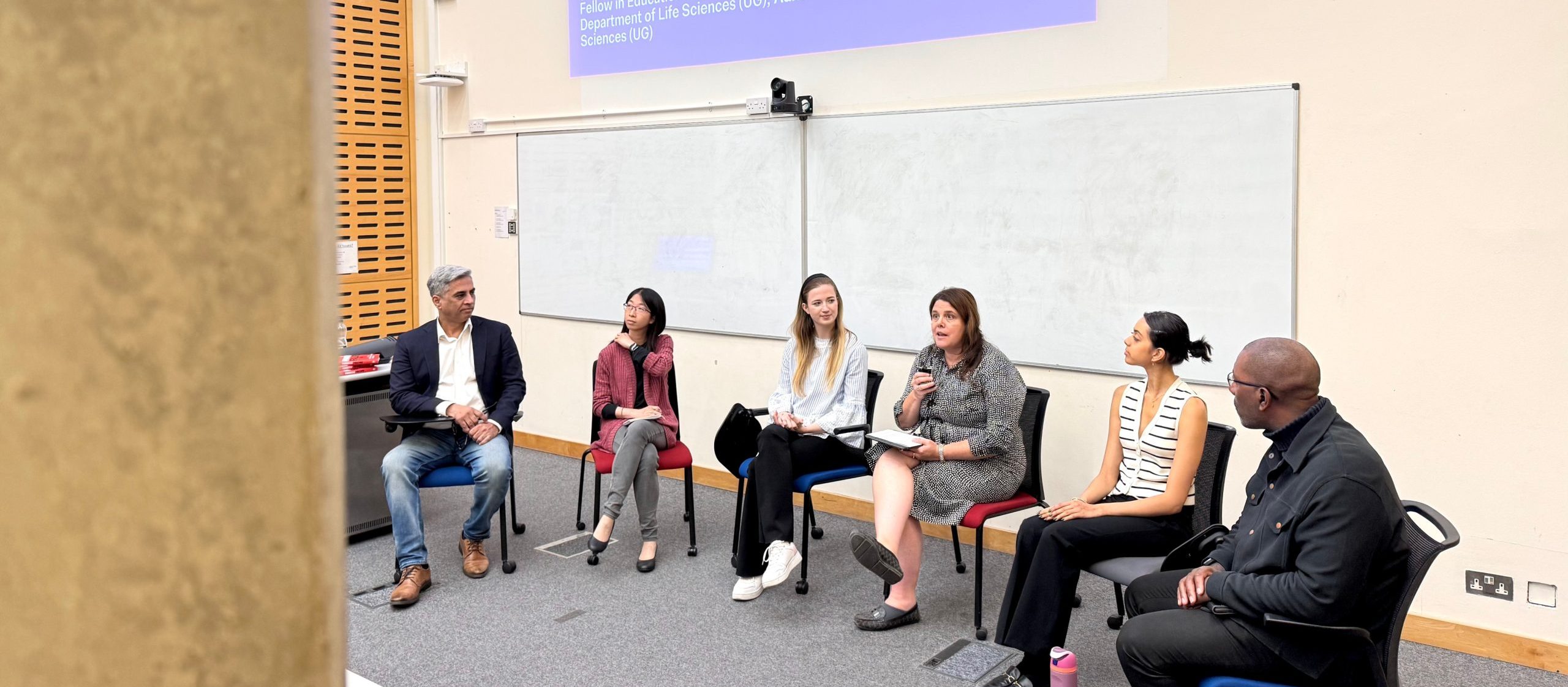
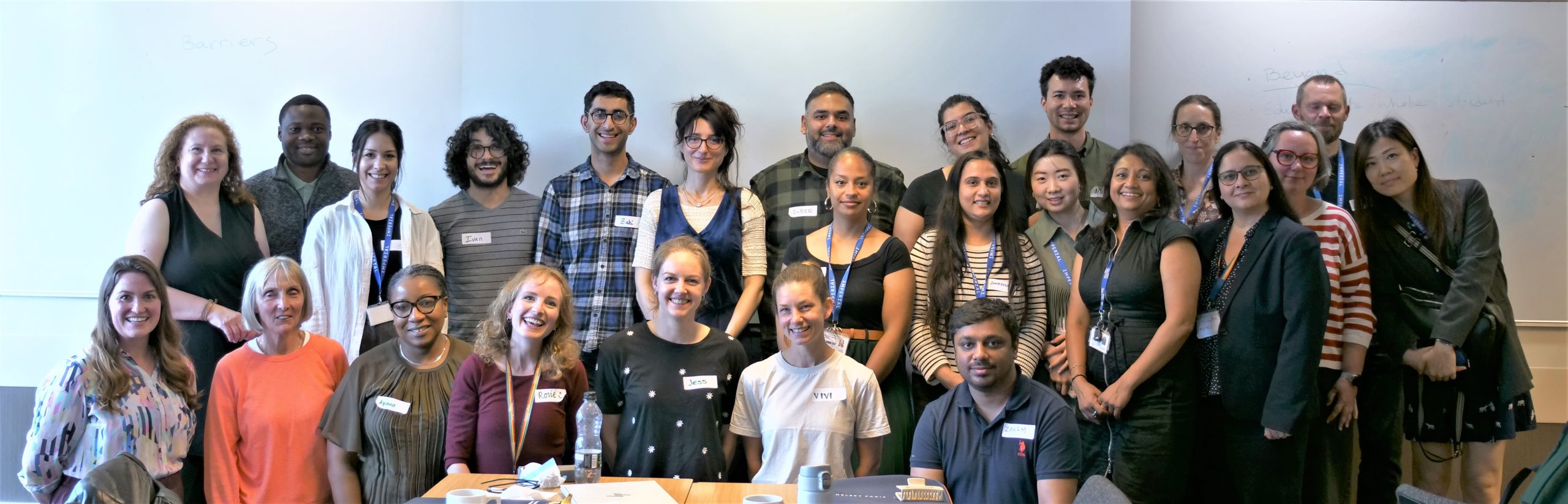
Participants, who graciously stayed until the very end of the festival to attend, leaned fully into the discussion and practical activity, and their insights genuinely enriched the session. I also want to acknowledge Ben Mumby‑Croft, Director of Entrepreneurship and co‑founder of the Bioscience Futures MSc, who contributed at FOLAT as a panellist, bringing a valuable practitioner perspective on how these competencies translate beyond the classroom.
How does this fit with my current areas of work?
The labour-market discussions at FOLAT were a timely reminder that graduate recruitment is becoming increasingly noisy. Application volumes are high, AI-assisted submissions are widespread, and both graduates and employers can struggle to identify genuine quality, motivation and fit.
This is where the EntreComp framing we use within the Bioscience Futures MSc feels particularly powerful. In our workshop, we focused on competencies including spotting opportunities, vision (anticipating and shaping futures), ethical and sustainable thinking (creating value responsibly), and reflective practice (turning experience into learning), which underpins all of the competencies.
These competencies map closely onto what employers say they value: not only can they do the job?, but also evidence of judgement, communication, motivation and the ability to work well with others. FOLAT discussions consistently reinforced that human skills (such as teamwork, emotional intelligence and creativity) are critical differentiators, yet often the hardest for students to evidence convincingly.
Several sessions pointed to a shift from a world commonly described as VUCA (volatile, uncertain, complex and ambiguous) to BANI, which captures the brittle, anxious and non-linear reality of contemporary work and underscores the emotional, as well as technical, demands placed on graduates. This framing shifts attention from managing uncertainty to supporting internal resilience.
Taken together, this pushes us to think about employability not only as getting hired, but as the capacity to stay well, adapt and thrive once hired.
Looking to the future: what do we do next?
Coming away from FOLAT 2026, my strongest takeaway is this: we need to be more intentional about supporting students across two connected phases.
Phase 1: Helping students get jobs (with credible evidence).
Frameworks such as EntreComp help students to name what they can do, evidence it through authentic examples, and communicate it clearly in ways that can help to cut through AI-driven recruitment noise. The storytelling lens strengthens this further: when students can tell clear, values-anchored narratives about their learning and impact, they are better able to signal motivation and fit and not just capability. This reinforces the need to foreground this kind of work in our teaching so students can practise articulating their capabilities with confidence.
Phase 2: Helping graduates stick and thrive once hired.
FOLAT’s focus on empathy, agency and enterprise, together with the BANI framing, makes it difficult to ignore the transition shock many graduates experience after “successful” entry into work. The same competencies we teach for entrepreneurship also underpin staying power in work, including coping with uncertainty, learning from feedback, persisting through setbacks, and developing reflective, values-led professional identities.
Our next step, therefore, is to work with another of our Enterprise colleagues, Dr Lisa Portz, to design and deliver a student-facing workshop focused explicitly on job sustainability: supporting students not only to secure roles, but to remain engaged, effective and well in their early careers, particularly in complex, GenAI-enabled workplaces.
FOLAT 2026 was a helpful reminder to keep the whole pathway in view: from learning design, to recruitment readiness, through to early-career thriving. Preparing the Class of 2030 means taking responsibility for all three.
How can we design learning experiences that make failure not a setback, but a catalyst for deeper understanding? That was the central question at a recent event hosted by Imperial’s Educational Development Unit where Professor Manu Kapur shared his research on productive failure — and challenged the Imperial audience to rethink what it means to learn well.
Overview
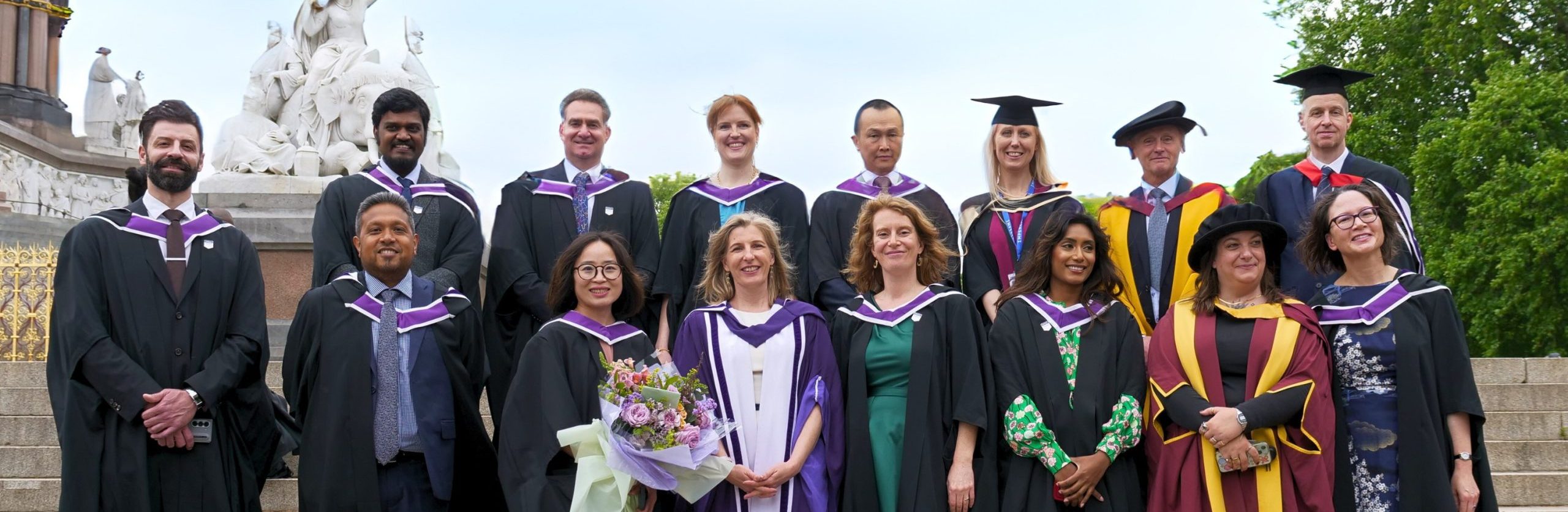
On Tuesday 3 June 2025, we had the pleasure of celebrating a very special group of graduates—the 2023–24 cohort of the Master’s in Education (MEd) in University Learning and Teaching at Imperial College London. 
By Lauren Shields, PhD Student in the Centre for Higher Education Research and Scholarship