Take 5 with Giskin Day
In the first of our Take 5 series, Dr Giskin Day chooses five books that have made an impact on her. Giskin is the Course Director for the iBSc in Medical Sciences with Humanities, Philosophy and Law at Imperial College London.
Recommending books always feels a little risky. Might it jeopardise a lovely friendship when a book you have confidently pressed on someone is met with a lukewarm reception? I’m not saying that I couldn’t be friends with someone who does not love Middlemarch, but there would need to be mitigating circumstances for that friendship to survive. My choices here are unlikely to be everyone’s cup of tea. So often a book arrives at just the right moment, when the circumstances of reading align perfectly. It’s one reason I’m reluctant to put some of my favourites on the reading list for our iBSc in Humanities, Philosophy and Law. Mandatory reading rarely encourages the kind of contemplation that leisurely reading for pleasure affords. The books I’ve chosen here are ones I would like to recommend for leisurely reading to anyone with an interest in the health and medical humanities. They have taken up permanent residence in my memory, earning my admiration as much for their linguistic dexterity as for their plots and characters.
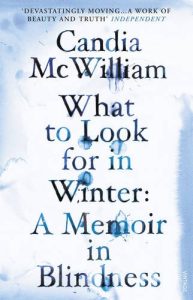
What to Look for in Winter: A Memoir in Blindness by Candia McWilliam chronicles her fascinating, if tragic, experiences of navigating an emotionally fraught childhood amidst the trappings of wealth and British high society. While reading the entries for the Man Booker Prize in 2006, McWilliam was diagnosed with blepharospasm, a rare neurological condition that left her effectively blind and ultimately required surgery to restore her sight. She writes beautifully about distress. This is not a misery memoir but a finely crafted exploration of a predicament only partly of her own making.
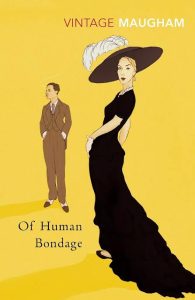
Of Human Bondage by W. Somerset Maugham has a terrible title but is a wonderful novel. Its protagonist, Philip Carey, experiments with becoming an artist before deciding to study medicine. Perhaps I warmed to him so much because he would have been an ideal student of the medical humanities. Maugham is a consummate explorer of emotional repression and excess. The novel offers a fascinating glimpse into the medical landscape of the late nineteenth century, while its characters remain refreshingly complex and psychologically convincing.
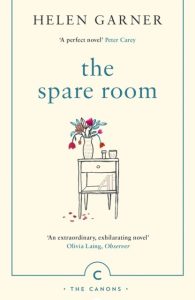
The Spare Room by Helen Garner is a slighter novel, but its apparent simplicity conceals a perceptive exploration of why people turn to alternative therapies when orthodox medicine reaches its limits. The narrator, Helen (no coincidence, as the novel draws heavily on Garner’s own experience), offers her friend Nicola a spare room while she pursues treatment for bowel cancer. Helen’s frustration with what she sees as Nicola’s gullibility will be familiar to anyone who has wrestled with the tension between offering unconditional support and wanting to remain pragmatic when someone they love is seriously ill. It made me think much more empathetically about the choices people make when faced with desperation.
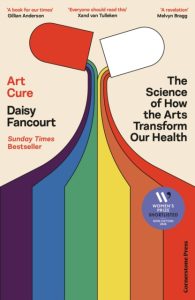
Art Cure: The Science of How the Arts Transform Our Health by Daisy Fancourt is an inspiring compendium of what we know about the effects of the arts on health and wellbeing. Spoiler alert: the evidence is overwhelmingly positive. Fancourt offers practical suggestions for applying the same principles we use to think about healthy diets to our engagement with the arts. It’s an illuminating, persuasive and enriching read.
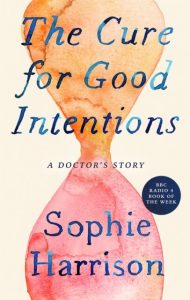
The Cure for Good Intentions: A Doctor’s Story by Sophie Harrison. There is no shortage of doctors’ memoirs these days, but this is among the best I’ve read. Harrison worked as an editor at a literary magazine before training as a doctor, and I love the attentiveness she brings to medical language, alongside her wry sense of humour. Clever and funny is a difficult combo to pull off, but Harrison manages it with aplomb.

Dr Giskin Day is a Principal Teaching Fellow in the Faculty of Medicine at Imperial. Her interests include creative practice in teaching and gratitude in healthcare.