Month: October 2026

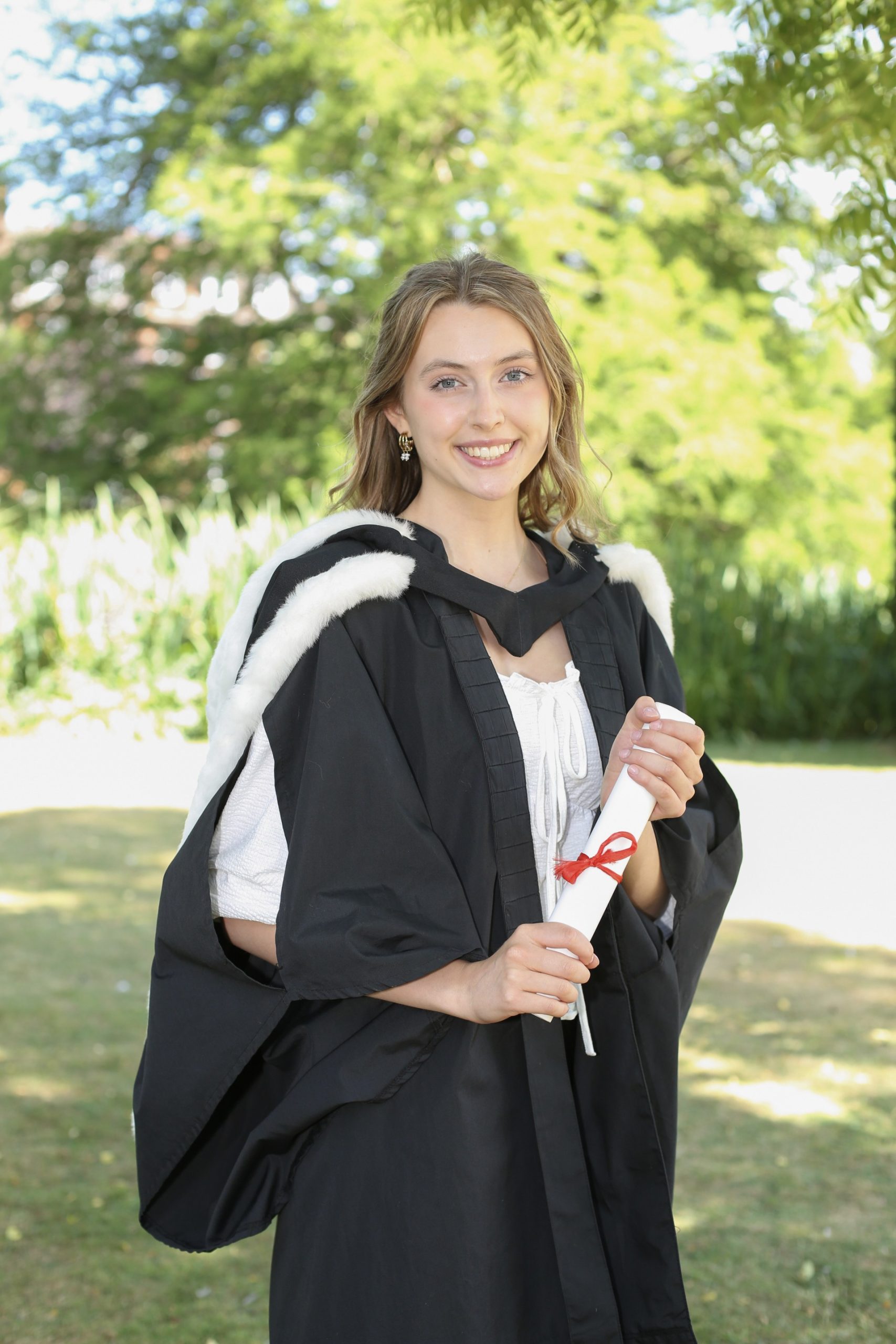
Muireann Hogan: ‘My experience at Imperial was incredibly inspiring’
What is your name?

Muireann Hogan

Where are you from?

Galway, Ireland

Which class do you belong to?

MSc Translational Neuroscience 2026

Where and what did you study before joining Imperial College London?

I studied Neuroscience & Psychology at King’s College London

How did you find your Master’s experience at the College?
My experience at Imperial was incredibly inspiring. There was always so much interesting research and work happening around me, and it was exciting to be surrounded by people who were passionate about pushing the boundaries of neuroscience. The course was definitely intense and challenging at times, but I genuinely enjoyed every minute of it. I learned a huge amount, both academically and personally, and I really valued the opportunity to explore different areas of neuroscience in such a stimulating environment

Which research project did you work on?

I completed my research project in the Grossman Lab, where I worked on closed-loop temporal interference stimulation. We explored the possibility of phase-locking stimulation to endogenous alpha oscillations, with the aim of developing a more responsive approach to brain stimulation

Where are you now? 

I’m still living in London

What are you working on?
I’m currently applying to PhD programmes, with the aim of continuing to work in neuromodulation and neurotechnology. I’m also exploring opportunities in industry within the neurotechnology space. Alongside this, I’m working with an early-stage start-up, which has been a really exciting opportunity to gain experience outside of academia and explore how neuroscience and technology can be translated into real-world applications

What is the most important lesson you learnt as a Master’s student?

One of the most important lessons I learnt was to embrace uncertainty and stay curious. Research rarely goes exactly according to plan, and learning to approach unexpected results as an opportunity to ask better questions was incredibly valuable. The Master’s also taught me that you don’t necessarily need to have your entire career mapped out. Sometimes the most important thing is to follow the areas that genuinely excite you and see where they lead

How did the Master’s programme help you get to where you are now?

The Master’s gave me the knowledge, research experience and confidence to pursue my interests in neuromodulation and neurotechnology. The programme exposed me to a broad range of neuroscience research and showed me how different disciplines can come together to develop new technologies for understanding the brain. It has given me a strong foundation for my future career
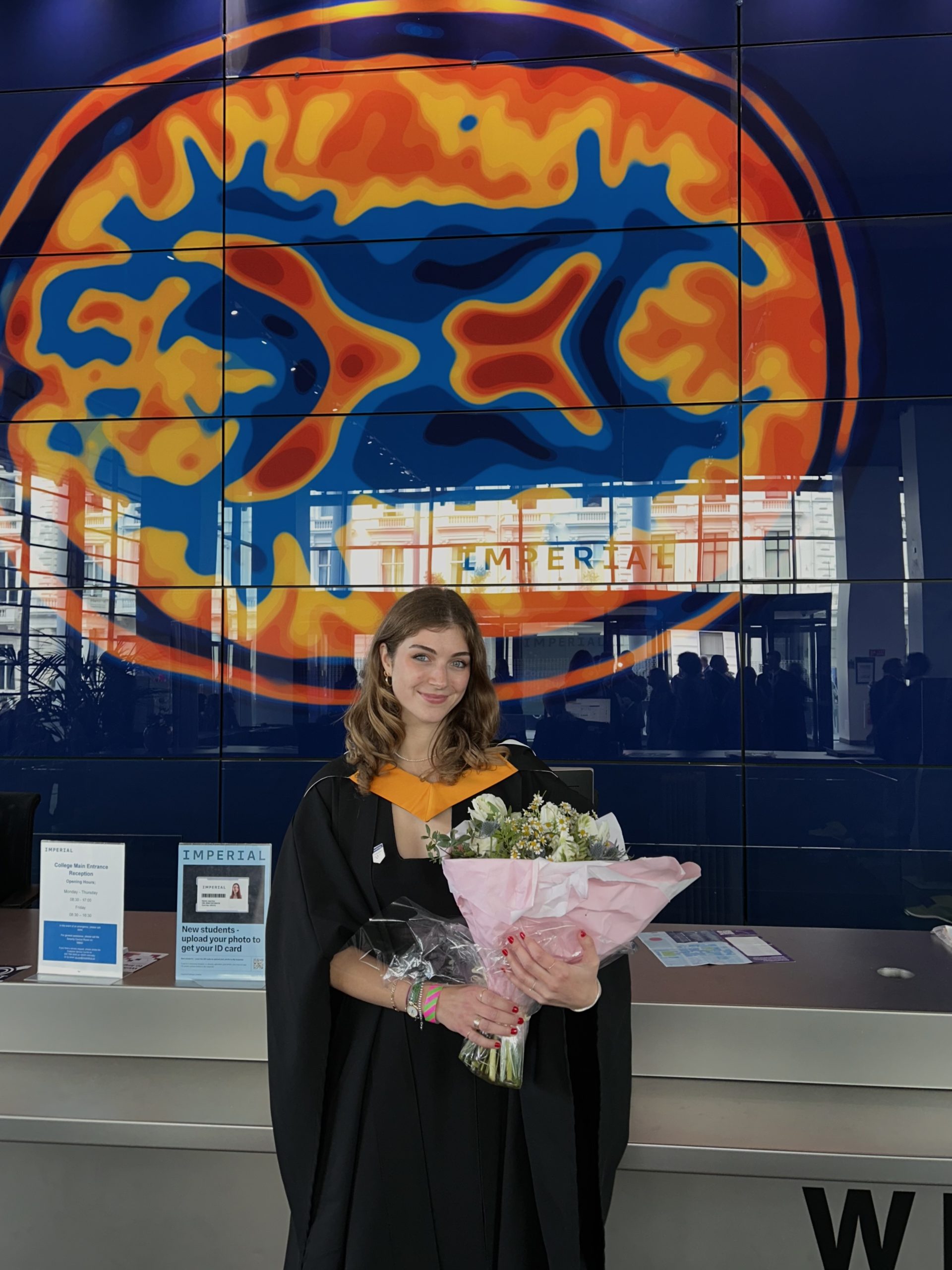
Felix Varenne: ‘I am excited about adding my own little brick to the foundations of neuroscience and psychedelic research’

What is your name?
Felix Varenne

Where are you from?
Paris

To which class do you belong?
MSc Translational Neuroscience, Class of 2026

Where and what did you study before joining Imperial College London?
I studied a BSc in biochemistry at UCL

How did you find your Master’s experience at the College?
I thoroughly enjoyed it. The fast pace of the first few modules was challenging, less because of the complexity of the material than its sheer density. That’s perhaps to be expected when you’re studying the brain, one of the most complex objects in the known universe, if not the most complex. Once I’d adjusted to the pace, I loved the range of modules, from the neuropsychiatry of addiction to machine learning models in healthcare. I was also lucky to be part of a very diverse and fun cohort and to have brilliant and supportive professors and tutors along the way

Which research project did you work on?
I worked in the Centre for Psychedelic Research (CPR), part of the Department of Brain Sciences at Imperial, under the supervision of Dr. David Erritzøe and Dr. Claudio Agnorelli. My project used existing clinical trial data to investigate whether participants’ baseline psychological traits measurably shape the nature of the acute psychedelic experience. The initial results support this idea, and I’m hoping to incorporate data from further studies to test it more robustly

Where are you now?
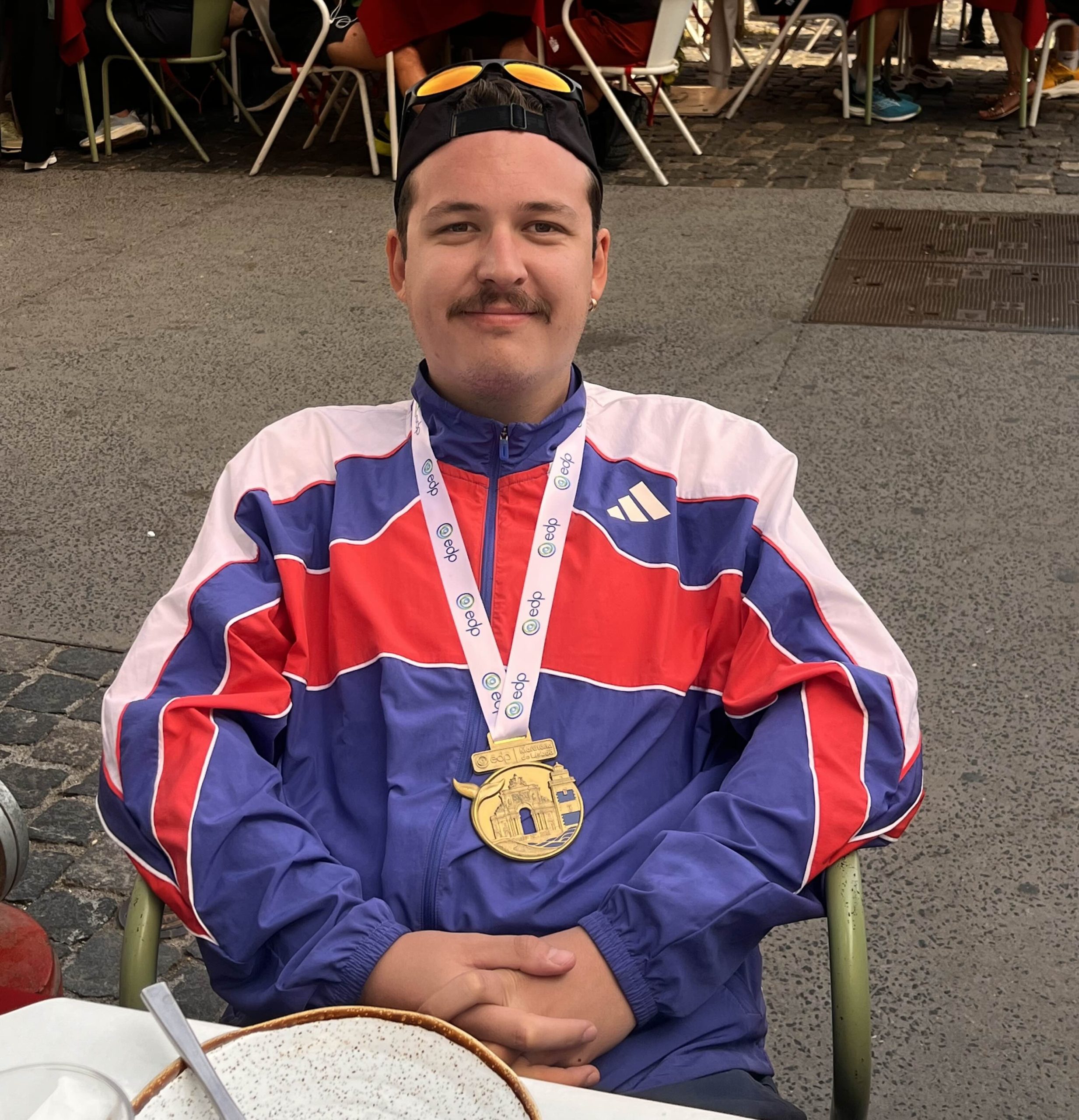
I’m taking a short break after a demanding but deeply rewarding year. I had been training for the Lisbon Marathon, which I’ve now completed!

What are you working on?
Following my break, I’ll be staying on at the CPR to develop my thesis into a paper for publication next year. I’m also applying for the President’s PhD Scholarship to investigate how psychedelics interact with neuronal mitochondria, with supervision from the Centre for Psychedelic Research and the Department of Brain Sciences, including Dr Kambiz Alavian.

What is the most important lesson you learnt as a Master’s student?
Curiosity is essential in any discipline, and even more so in science. It’s what led me to this course. But once I was in it, the intensity and depth of the material meant curiosity alone wasn’t enough, and that’s where consistency came in. When friends and family asked how the course was going, I described it as a speedboat picking up speed. At first the ride is bumpy and uncomfortable, but once you’re up to speed you glide over water that used to feel choppy. Any slowdown, though, drops you straight back into the chop. Consistency has been one of the hardest things for me to maintain, but also one of the most satisfying

How did the Master’s programme help you get to where you are now?
The MSc rekindled my passion for learning and research, and for trying to unravel some of the most fundamental aspects of the human brain and, by extension, how we consciously perceive and understand reality. I never imagined myself as an academic or a researcher, but here I am applying for grants and increasingly excited about adding my own little brick to the foundations of neuroscience and psychedelic research

Eliza Munteanu: ‘The MRes connected me with a network of leading neuroscientists I can learn from and work with’

What is your name?

Eliza Munteanu

Where are you from?

I am from Romania and Belgium

Which class do you belong to?

MRes Experimental Neuroscience, class of 2026

Where and what did you study before joining Imperial College London?

I completed the Medical Biosciences BSc at Imperial College London

How did you find your Master’s experience at the College?

My MRes experience challenged me in the best way. Within twelve months, I gained insight across several areas of neuroscience research, expanded my technical skill set and met like-minded people who share my interest in disease mechanisms and translational potential. Even outside the lab, organising my own projects and communicating with prospective supervisors are skills I will carry forward as I pursue a PhD. I am confident this course has equipped me with the tools to thrive in a research-intensive environment while confirming my decision to remain in academia

Which research project did you work on?

My first project took place in the Division of Psychiatry under the supervision of Dr Martina Di Simplicio. There, I investigated the effectiveness of personalised behavioural recommendations delivered through a mental health app, Mindcraft, in improving disordered eating and self-harming behaviours in adolescents in schools. I investigated these outcomes through a three-arm randomised controlled trial over a month-long period.

My second project was at the Francis Crick Institute, in Dr Sila Ultanir’s Kinases and Brain Development Lab. I investigated TANK-Binding Kinase 1 (TBK1). Through this project, I validated two novel TBK1 candidate substrates in a cellular context and characterised their role at poly-GA aggregates relevant to ALS-FTD pathology, helping clarify TBK1’s role in disease onset and progression.

My third project was in Dr Naoto Watamura’s lab, where I optimised an SH-SY5Y reporter cell line to detect seeding-competent alpha-synuclein in tissue samples. Using these reporter cells, I tested whether previously uncharacterised humanised A53T SNCA knock-in mice had any seeding-competent alpha-synuclein at 6 months, informing their pathological timeline.

Where are you now? 

I am currently in London, exploring future research directions and PhD opportunities

What are you working on?

I am discussing possible projects with my previous supervisors while continuing to apply to PhD programmes across England focused on gaining mechanistic insight into neurodegeneration and neurodevelopment, with the aim of identifying tractable intervention points for future therapeutic translation

What is the most important lesson you learnt as a Master’s student?

I learned that when research feels uncomfortable, you grow the most as a scientist. There were several times during the MRes when I felt out of my depth, but looking back, those were the moments when I learned the most, because they forced me to leverage the skills I already had

How did the Master’s programme help you get to where you are now?

Beyond technical skills and project organisation, the MRes connected me with a network of leading neuroscientists I can learn from and work with in the future. These connections have proven invaluable during my PhD applications

Rebekah Lily Bourne: ‘The programme opened my eyes to new ways of thinking and encouraged me to pursue a career in research’

What is your name?

Rebekah Lily Bourne

Where are you from?

I’m originally from the UK but grew up in the Netherlands

Which class do you belong to?

MSc Translational Neuroscience 2025-26 cohort

Where and what did you study before joining Imperial College London?

I did a BA in Natural Sciences at the University of Cambridge and specialised in neuroscience in my final year

How did you find your Master’s experience at the College?

I found the Master’s really interesting. What drew me to this course was the translational aspect: learning about the brain in the context of disease, and the ways it can fail us, is a very motivating angle for me. The diversity of assessment formats during the taught half, such as group presentations and hackathons, was both challenging and a great opportunity to become a more well-rounded and confident scientist and communicator

Which research project did you work on?

I did my MSc project at the Nott Lab, using post-mortem human brain tissue to investigate the mechanisms of Alzheimer’s disease. My research focused on MITF, a transcription factor which is associated with Alzheimer’s disease in microglia. I worked towards optimising a CUT&Tag protocol to profile MITF-binding sites across the genome. Mapping these sites may help us better understand the disease-associated role of MITF and how it contributes to gene regulation

Where are you now? 

I am in the UK

What are you working on?

I’m applying to PhD programmes to hopefully continue researching neurodegeneration

What is the most important lesson you learnt as a Master’s student?

I learnt which areas of neuroscience interested and motivated me (and which didn’t!), and a lot about how scientists approach asking and answering their questions. A big takeaway for me is the range of techniques that can be applied to the same research questions, across both wet- and dry-lab approaches. The interdependence of these two approaches, and the value of using both, really stood out to me

How did the Master’s programme help you get to where you are now?

The MSc introduced me to a wide range of research areas, people and perspectives. Especially during the taught half, collaborating on projects with students who had different academic backgrounds from mine, with degrees ranging from medicine to computer science and psychology, was a great opportunity to hear new perspectives and share ideas. The programme opened my eyes to new ways of thinking and encouraged me to pursue a career in research