Annika Gao recently completed the MRes Design Engineering programme at the Dyson School of Design Engineering. In this blog, we speak to her about what drew her to the programme, how it shaped her thinking about AI and design, and the project she is most proud of.
Conversations about innovation in healthcare often focus on emerging technologies: smarter diagnostics, faster data analysis, and the development of new medical devices. While these advances are important, the discussions often overlook a more fundamental question: who are these innovations actually designed for?
Historically, healthcare research and innovation have often assumed the male body as the default. Women have been underrepresented in clinical trials, biomedical studies and health technology testing, creating data gaps that affect the design of treatments, devices and services. As a result, women are more likely to experience adverse drug reactions and misdiagnoses, reflecting gaps in how health data has been collected and used in medical research. Addressing this problem, however, requires more than simply improving datasets. It also means involving women in research and co-designing healthcare innovations to ensure products and services meet their real needs.
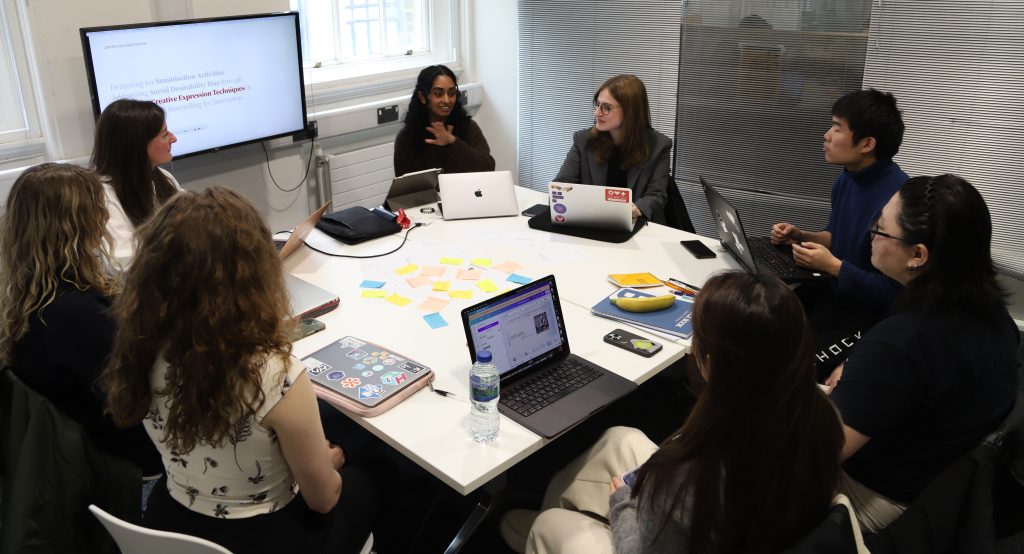
This is the approach taken by the Collective Innovation Lab (CIL), led by Dr Celine Mougenot at the Dyson School of Design Engineering. Rather than simply designing innovations for women, Dr Mougenot and her team co-design with them, ensuring women’s voices are embedded in the process of developing new products and services.
In a resounding victory for sustainable urban development, Fanny Chavanne, a Dyson School of Design Engineering, Imperial College London, MSc/MA Innovation Design Engineering (IDE) student, has been named the winner of the prestigious Veolia Ecological Transformation Trophies. Her end-of-studies work, “WeDepave – Design for depaving acceptance and adoption in urban environments,” secured the top position in the “Improving Quality of Life” category during a compelling pitch to a panel of Veolia experts on November 15. As a testament to her achievement, she was awarded a prize worth €2,200, acknowledging the value and potential impact of her work on urban environments.
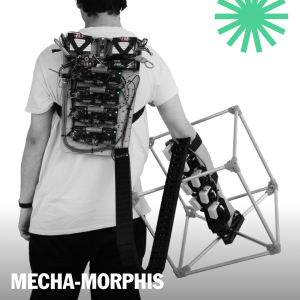
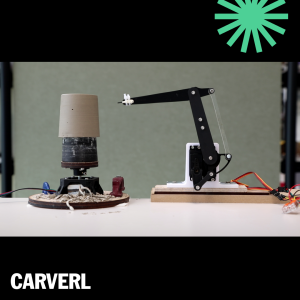
From the 27th of June to the 2nd of July, a magnificent symphony of creativity, innovation, and sheer brilliance unfolded at Imperial College London’s main entrance. The occasion? The Summer Show 2023, where the talented minds of Innovation Design Engineering and Global Innovation Design Masters students showcased their final projects to the world.
The diversity of projects on display was nothing short of astonishing. Each exhibit was a testament to six months of relentless dedication, unwavering passion, and a drive to create positive change. These projects went beyond the conventional and ventured into uncharted territories, addressing challenges and opportunities that spanned a wide spectrum.
The Dyson School of Design Engineering is a dynamic and innovative department of Imperial College London. Established in 2014 with the generous support of the James Dyson Foundation, our school is dedicated to combining design thinking with engineering knowledge and practice to solve complex global challenges. We aim to create a culture of innovation and enterprise by emphasizing the values of sustainability, entrepreneurship, and societal impact.
Our mission is to educate and inspire a new generation of design engineers who will use their creativity and technical expertise to tackle the world’s most pressing problems. Our students are encouraged to think beyond traditional disciplinary boundaries and to work collaboratively to develop innovative solutions that have a positive impact on society and the environment. Through our interdisciplinary approach to education and research, we aim to equip our graduates with the skills and knowledge they need to become leaders in their field.