Blog posts

How a London doctor helped to change abortion law in Britain

Dr Adrian Raby, Senior Lecturer in Law and Ethics, discusses a 1938 case that changed the course of abortion law in Britain.

Content note: This blog post discusses sexual violence and rape.

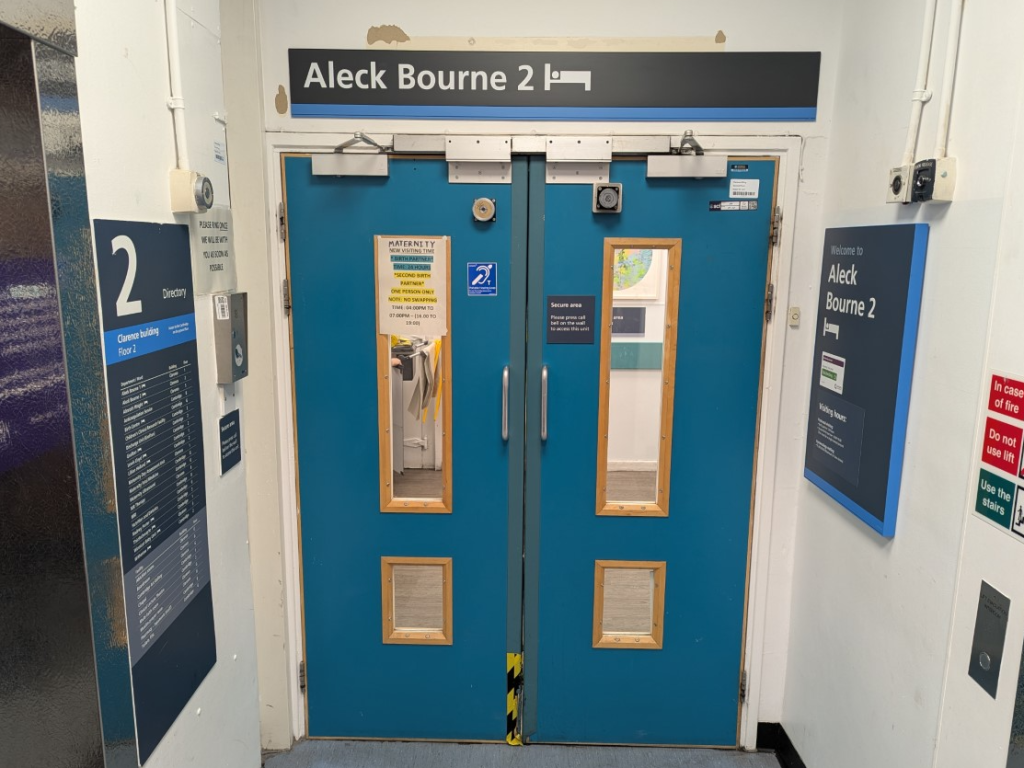
Do you ever wonder about the lives of people who have hospital wards or lecture theatres named after them? Having trained at St Mary’s Hospital Medical School, and later worked as a Senior House Officer (SHO) in obstetrics and gynaecology, I would often pass or see patients on Aleck Bourne ward without giving it much thought. When I studied medical law in 2004, however, his name was mentioned in a class, and I became fascinated by the story that led to his recognition.

On 27 April 1938, Nellie, a 14-year-old girl, was walking near the Horse Guards barracks in central London, when she was asked by one of the Guardsmen if she wanted to come inside to see a horse with a green tail. Having innocently accepted the invitation, she was violently raped by several soldiers, and became pregnant. The law at this time did not permit abortion except in cases where it was necessary “for the purpose only of saving the life of the mother”. The potential penalty for performing an abortion was penal servitude for life.

Mr Aleck Bourne, a gynaecologist, was contacted about Nellie’s case by Dr Joan Mallison. Dr Mallison was a pioneer in the field of family planning, instrumental in setting up the Family Planning Association, and a supporter of abortion law reform. She wrote to Mr Bourne asking if he would perform a termination of pregnancy.

Despite the harsh penalty for performing an unlawful abortion, Aleck Bourne agreed. He did not wish to do so under hushed secrecy but told Dr Mallison, “I have said that next time I have the opportunity I would write to the Attorney General and invite him to take action.” The abortion took place at 10:00AM on 14 June. After carrying out the abortion, two police officers arrived and informed Bourne that under no circumstances should he perform such a procedure. His response was that it was not for the police to decide what was in the best interests of his patient. Mr Bourne was committed to trial at the Old Bailey.

The trial that ensued was to change the course of abortion law in the UK. Justice Macnaghten told the jury that they were entitled to take a broad view of the words “preserving the life of the mother”, going beyond immediate risk to life and including mental and physical suffering. The jury acquitted Mr Bourne, and in doing so changed the course of abortion law in the UK, leading to legal reform and the introduction of the Abortion Act 1967.

What Aleck Bourne had done was arguably a courageous act, born out of a moral conviction that what he was doing was ultimately right: saving a girl from further suffering in having to endure a pregnancy resulting from rape. In his own words,

“I myself never felt an atom of fear because of the inner conviction that I had done right…”

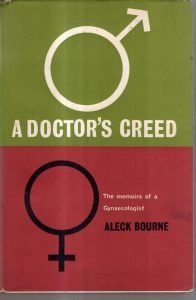
He writes about his experience of the trial, his life as a gynaecologist, and his thoughts on medical education (including the key role of the Humanities), in his 1962 memoir A Doctor’s Creed: The Memoirs of a Gynaecologist.

I use Nellie’s and Bourne’s story as a case study in an Introduction to Law session in the BSc in Humanities, Philosophy & Law, and will be giving away a copy of Bourne’s book in the session this year.

Dr Adrian Raby is a Senior Lecturer in Medical Law and Ethics, and the lead for law teaching in the BSc in Humanities, Philosophy & Law.

Take 5 with Jennifer Wallis

In our regular Take 5 series, Dr Jennifer Wallis, Senior Teaching Fellow in Medical Humanities, recommends five books for thinking about life, death, and effective writing. Jennifer teaches the history of medicine and psychiatry on the BSc in Humanities, Philosophy & Law.

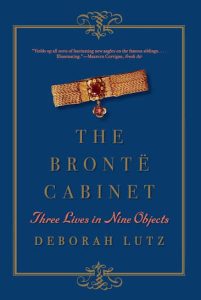
The Brontë Cabinet: Three Lives in Nine Objects by Deborah Lutz (2015) is a brilliant example of how individual objects can be used to inform and craft historical narratives. One might question how much more can possibly be known about the Brontës, so extensive is the scholarship surrounding the bookish family, but Lutz’s book shows the utility of a novel approach to a topic. Using objects belonging to the Brontës, from dog collars to walking sticks, Lutz’s ‘micro histories’ provide glimpses into everyday life in the nineteenth century – not just that of the Brontës, but of Victorian life (and death) more broadly. It is the type of history that makes me want to experiment with my own research process and writing style, something that – for me – is always the sign of a great history book.

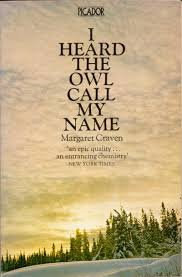
I Heard the Owl Call My Name by Margaret Craven (1967) is a book that seems to have always been with me. There was a copy on the bookshelves of my childhood home that I read in my early teens; although the key messages were lost on me at that age, I fell in love with Craven’s descriptions of the British Columbia coastline and forest. Re-reading the book as an adult, it is a startlingly effective exploration of life and death. Its central character is a priest who, unbeknownst to him, does not have long to live and is sent by his bishop to live among a First Nations community. A fairly short novel, it covers vanishing ways of life, personal struggles, grief, and the importance of community in a way that never feels overly moralizing or prescriptive and leaves it to the reader to take away their own message.

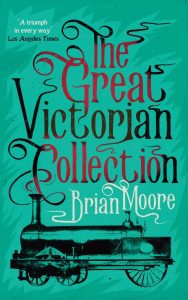
The Great Victorian Collection by Brain Moore (1975) is perhaps an obvious choice for someone who’s worked on Victorian history for many years. It is a period I will never tire of reading about and researching, and reading this book felt a little like one of my own historian fantasies had been put down in print. In this novel, assistant professor of history Anthony Maloney drives from San Francisco to California to attend a seminar, and on the way stops off at a motel for the night. Upon waking, he looks outside to see the motel parking lot filled with exhibits from the 1851 Great Exhibition: furniture, toys, musical instruments… It is a Victorian historian’s dream, but one that turns into a fateful obsession for Maloney. It is both a neat encapsulation of the fevered excitement that surrounded the real 1851 Exhibition, and a cautionary tale, perhaps, about every researcher’s work-life balance!

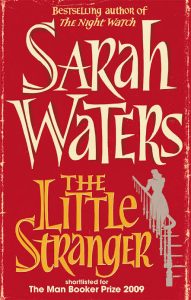
The Little Stranger by Sarah Waters (2009) is a must-read for any fans of Gothic fiction. It evokes the tone of fin-de-siècle Gothic novels so well that one could be forgiven for thinking it was written 100 years earlier. Set after World War Two, the story is narrated by local GP Dr Faraday who is the reader’s guide to the goings-on at Hundreds Hall, home to the once-wealthy Ayres family. The whole novel is a collection of hauntings: memories of the once-grand Hundreds Hall vie with the now dilapidated, ivy-covered structure that has fallen into disrepair; ex-soldiers are haunted by their experiences of combat, both physically and mentally, and almost all of the key players are struggling with some form of ghost from their past. The book was made into a very effective film in 2018, but it can’t compete with the sense of slowly creeping dread that Waters crafts in her writing.

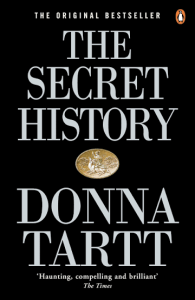
The Secret History by Donna Tartt (1992) was a chance purchase in a train station on my way to deal with a family crisis. It proved the perfect choice as, from the moment I started reading it, I couldn’t put it down; it provided ample distraction from everything else going on around me. The novel follows a group of students at an elite American college, all of whom are coming to terms with their part in the death of their mutual friend, Bunny. All students of Classics, the friends and their eccentric professor each have crucial roles in unravelling the mystery of this modern twist on a Greek tragedy – but you don’t need any knowledge of Classics to be swept along by Tartt’s intricately woven characters and their gradual downfall into alcoholism, jealousy, and drug addiction.


Dr Jennifer Wallis is a Senior Teaching Fellow in the Faculty of Medicine at Imperial. Her main interests are in the history of psychiatry and pathology in the 19th to early 20th century.

The iBSc and Beyond with Evan Diver-Hall

Evan Diver-Hall, a doctor and graduate of Imperial, tells us how his dissertation project set up an enduring interest in the Medical Humanities, and led him to present at a History conference in Leeds.

After graduating from the iBSc in Medical Sciences with Humanities, Philosophy and Law (HPL) in 2024, I underwent quite a dramatic cognitive shift. After a year spent being encouraged to think creatively, critically and holistically, I was suddenly back in the world of clinical medicine. It took some time to get used to. I’m sure many HPL alumni can relate to the slight culture shock of returning to the wards. Since then, I’ve recently graduated from medical school and, in hindsight, that post-HPL adjustment period didn’t last long. Before I knew it, I was immersed once again in the world of medicine: rehearsing for OSCEs, reciting bizarre acronyms, and being tormented by revision flashcards in my dreams.

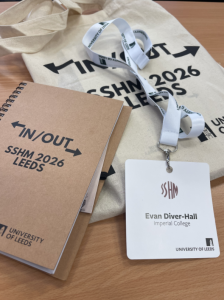
After graduating, though, I realized that the part of my brain that had been so thoroughly exercised during HPL, the creative and analytical part, was beginning to gather dust. I wanted to put it back to work. So, I revisited my dissertation and applied to present my research at the Society for the Social History of Medicine’s international conference in Leeds.

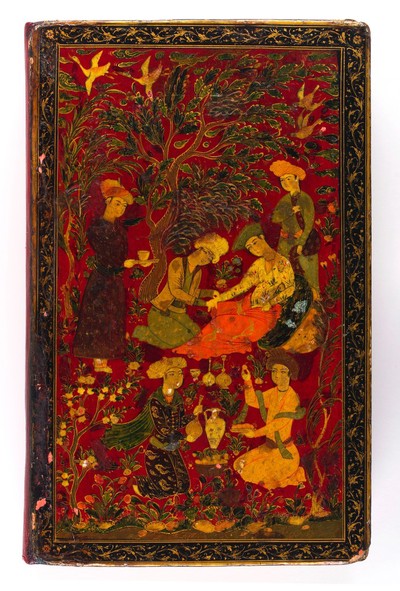
My dissertation project was interdisciplinary but, put simply, it used visual media – specifically the title pages of two 17th-century editions of Avicenna’s Canon of Medicine – to explore changing relationships between medicine and the natural world. A little niche, perhaps! Yet the project took me on an unexpected intellectual journey, opening up an era of history that had previously been completely unfamiliar to me.

A doctor taking a woman’s pulse, from Avicenna’s Canon of Medicine. Source: Wellcome Collection.

Through medieval Persia, I encountered a conception of medicine and healing that was deeply intertwined with the rhythms of the natural world. In contrast, printed Venetian editions of the same text reflected a far more exploitative relationship between humans and nature. I found these contrasting perspectives fascinating and, without exaggeration, they altered the way I think about medicine and our place in the world. Over the past few years I’ve been exploring Buddhism and its philosophies and, rereading my dissertation, I can now recognize the early seeds of ideas that have continued to grow and shape my thinking.

Originally, I had planned to attend the SSHM conference with a friend from the same HPL cohort as me. Both of our abstracts had been accepted, but unfortunately a family trekking trip across Albania meant that Leeds would have to wait to hear about her fascinating project! This meant I would be going alone. I was fortunate enough to receive a bursary from the Society, which meant I could book myself a nice hotel in Leeds and make the most of the experience.

Walking into an academic environment so different from my current career felt daunting. However, once I put those nerves aside and simply appreciated the privilege of being surrounded by such an enthusiastic community of historians, clinicians and researchers, I thoroughly enjoyed myself. I attended a range of fascinating talks, including a PhD student’s research on colour therapy in twentieth-century Britain, a presentation on magic and medieval medicine, and another exploring the role of nature in hospital design (which even referenced HPL’s very own Giskin Day!).

When it came to presenting my own paper, I had 20 minutes to speak followed by 10 minutes of questions. Beforehand, I revisited my notes on the public speaking masterclass we had during our iBSc, which proved incredibly helpful. We don’t get many opportunities to practise formal public speaking during medical school, so it was nice to return to those foundations. The questions afterwards were enjoyable, and I loved discussing the project with people who shared similar interests. Looking back, I wish I’d been a little bolder in approaching people between sessions, but for my first conference in this kind of academic setting, I think I did a pretty good job.

Overall, it reminded me of how rewarding it can be to step outside the familiar world of medicine and reconnect with the Humanities. If you’ve completed, or will soon complete, a HPL project that you’re proud of, I’d recommend submitting an abstract to conferences like these; it was a novel and enjoyable experience.


Evan is a doctor currently working on the Acute Medical Unit in Bangor, North Wales, having graduated with honours from Hull York Medical School. During his intercalated degree at Imperial College London, he developed an appreciation for the broader context of medicine, focusing his research on the historical importance of the natural world in healthcare. Alongside medicine, Evan  can often be found canoeing with friends on the Norfolk Broads, where he grew up. His interests lie at the intersection of clinical practice and the humanities, particularly how our relationship with the natural world can shape our understanding of health and healthcare.

Take 5 with Giskin Day

In the first of our Take 5 series, Dr Giskin Day chooses five books that have made an impact on her. Giskin is the Course Director for the iBSc in Medical Sciences with Humanities, Philosophy and Law at Imperial College London.
Recommending books always feels a little risky. Might it jeopardise a lovely friendship when a book you have confidently pressed on someone is met with a lukewarm reception? I’m not saying that I couldn’t be friends with someone who does not love Middlemarch, but there would need to be mitigating circumstances for that friendship to survive. My choices here are unlikely to be everyone’s cup of tea. So often a book arrives at just the right moment, when the circumstances of reading align perfectly. It’s one reason I’m reluctant to put some of my favourites on the reading list for our iBSc in Humanities, Philosophy and Law. Mandatory reading rarely encourages the kind of contemplation that leisurely reading for pleasure affords. The books I’ve chosen here are ones I would like to recommend for leisurely reading to anyone with an interest in the health and medical humanities. They have taken up permanent residence in my memory, earning my admiration as much for their linguistic dexterity as for their plots and characters.

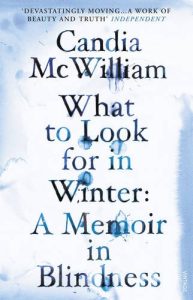
What to Look for in Winter: A Memoir in Blindness by Candia McWilliam chronicles her fascinating, if tragic, experiences of navigating an emotionally fraught childhood amidst the trappings of wealth and British high society. While reading the entries for the Man Booker Prize in 2006, McWilliam was diagnosed with blepharospasm, a rare neurological condition that left her effectively blind and ultimately required surgery to restore her sight. She writes beautifully about distress. This is not a misery memoir but a finely crafted exploration of a predicament only partly of her own making.

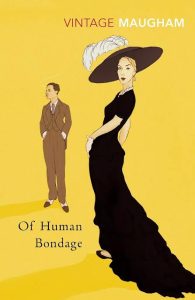
Of Human Bondage by W. Somerset Maugham has a terrible title but is a wonderful novel. Its protagonist, Philip Carey, experiments with becoming an artist before deciding to study medicine. Perhaps I warmed to him so much because he would have been an ideal student of the medical humanities. Maugham is a consummate explorer of emotional repression and excess. The novel offers a fascinating glimpse into the medical landscape of the late nineteenth century, while its characters remain refreshingly complex and psychologically convincing.

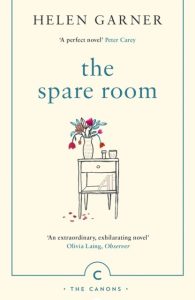
The Spare Room by Helen Garner is a slighter novel, but its apparent simplicity conceals a perceptive exploration of why people turn to alternative therapies when orthodox medicine reaches its limits. The narrator, Helen (no coincidence, as the novel draws heavily on Garner’s own experience), offers her friend Nicola a spare room while she pursues treatment for bowel cancer. Helen’s frustration with what she sees as Nicola’s gullibility will be familiar to anyone who has wrestled with the tension between offering unconditional support and wanting to remain pragmatic when someone they love is seriously ill. It made me think much more empathetically about the choices people make when faced with desperation.

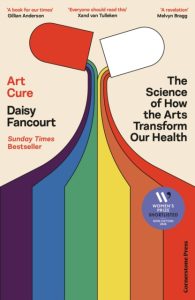
Art Cure: The Science of How the Arts Transform Our Health by Daisy Fancourt is an inspiring compendium of what we know about the effects of the arts on health and wellbeing. Spoiler alert: the evidence is overwhelmingly positive. Fancourt offers practical suggestions for applying the same principles we use to think about healthy diets to our engagement with the arts. It’s an illuminating, persuasive and enriching read.

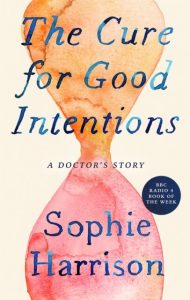
The Cure for Good Intentions: A Doctor’s Story by Sophie Harrison. There is no shortage of doctors’ memoirs these days, but this is among the best I’ve read. Harrison worked as an editor at a literary magazine before training as a doctor, and I love the attentiveness she brings to medical language, alongside her wry sense of humour. Clever and funny is a difficult combo to pull off, but Harrison manages it with aplomb.


Dr Giskin Day is a Principal Teaching Fellow in the Faculty of Medicine at Imperial. Her interests include creative practice in teaching and gratitude in healthcare.