Early days of ITARA: perspectives from across three countries on integrating TB and respiratory care
ITARA is a four-year programme, funded by the National Institute for Health and Care Research (NIHR), which is using transdisciplinary research methods to develop novel approaches to integrate tuberculosis (TB) and respiratory care in Africa.
Project staff are based internationally, with researchers in Kenya, Tanzania, Nigeria, the UK, and The Netherlands coming together to develop renewed frameworks for integrated person-centred services for TB and respiratory patients across Africa.
ITARA staff are also pleased to work with charity organisations in this effort. Education for Health Africa is delivering targeted training to healthcare staff across participating sites, strengthening local capacity in respiratory diagnostics and providing ongoing expertise in quality assurance and the interpretation of lung function and related clinical tests. Additionally, Worldwide Radiology is contributing expert radiology services by interpreting chest X-rays, which allows us to gain valuable insights into key lung diseases affecting communities in Africa.
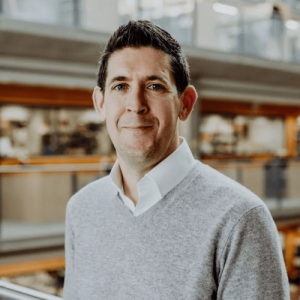
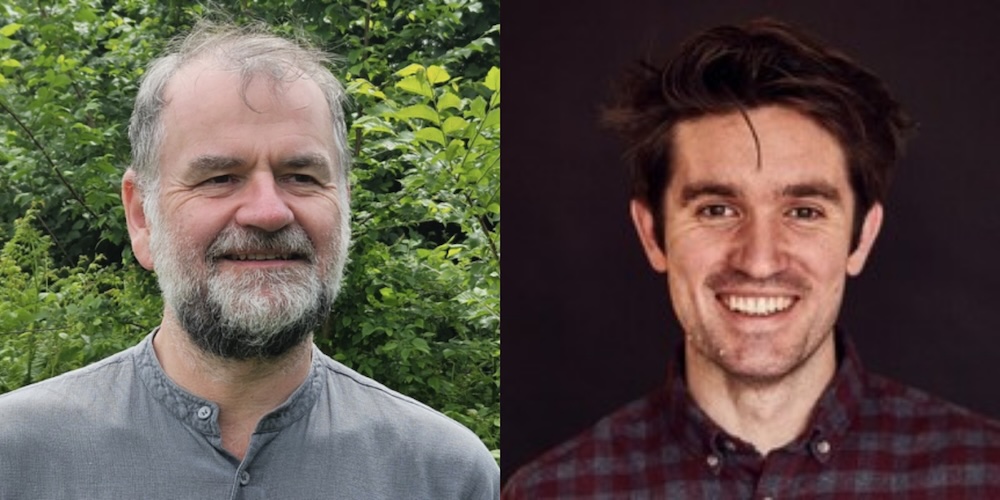
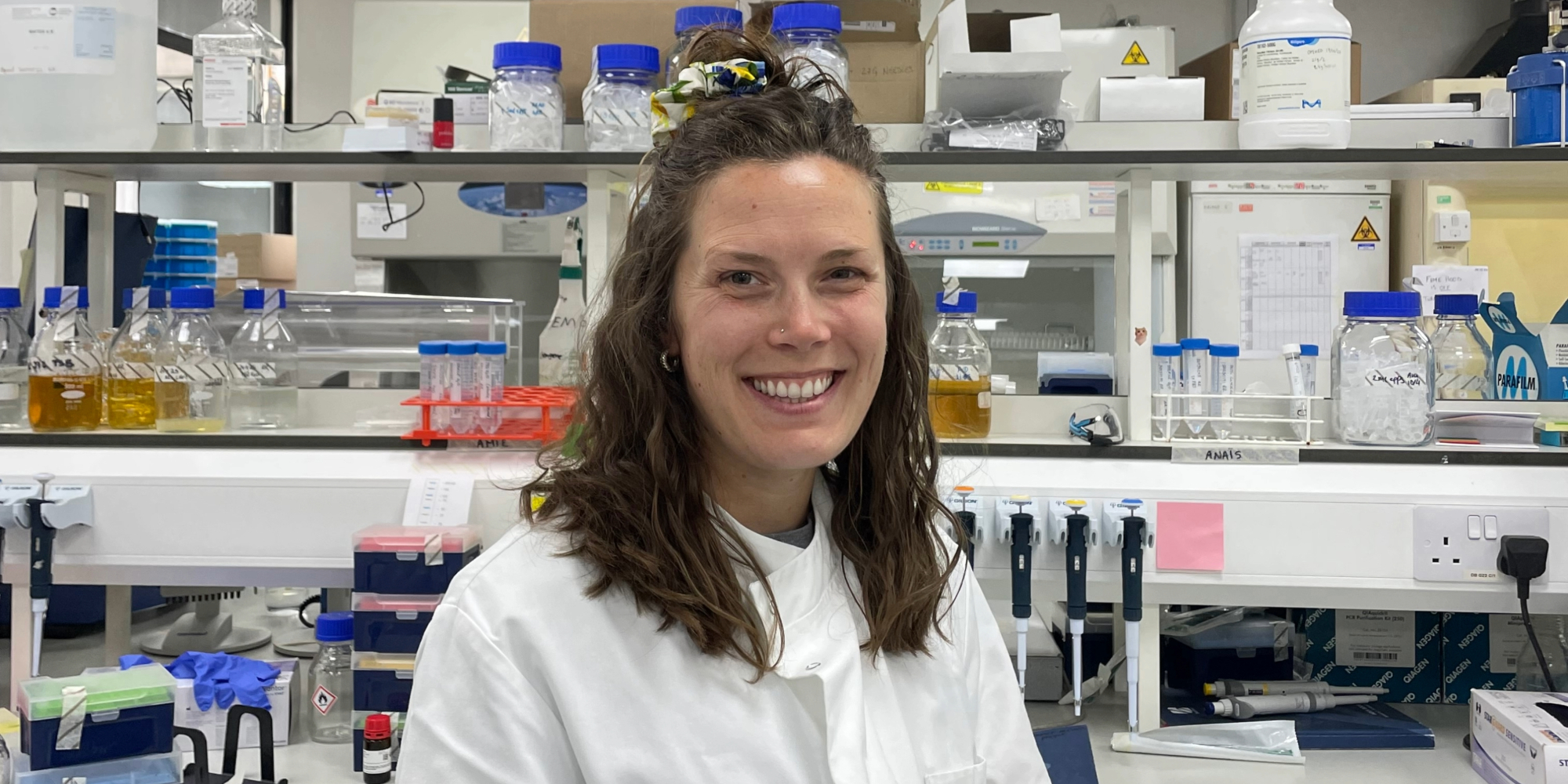
Here, a number of those working on ITARA – including NHLI’s Dr Jamilah Meghji, Dr Joshua Parker Allen and Nicola Yates – reflect on progress so far, and their hopes for the project.
Dr Jamilah Meghji
NHLI, UK
ITARA Co-lead
Our aim in ITARA is to understand how we might bring together tuberculosis and respiratory services to deliver truly person-centered care, in the African context.
This is a complex problem, that demands a genuinely multidisciplinary response. On the clinical side, we’re uncovering which chronic respiratory diseases are most overlooked. Our social science colleagues are investigating the lived experiences, economic implications, and potential pathways to coordinated patient care.
One of the most rewarding aspects of this work has been collaborating with three exceptional female clinical academic leads from our partner sites, an engaged multi-disciplinary team of co-investigators, as well as our PhD and post-doctoral colleagues. Together, we’ve been exploring how differences across settings influence care pathways and what this might mean for future implementation work.
My hope is that the careful, observational work we’re doing at this stage of the grant will lay the foundation for robust, context specific interventions – and that these will genuinely strengthen respiratory care and improve long term patient outcomes.
Dr Wanjiku Kagima
Centre for Respiratory Diseases Research (CRDR), KEMRI, Kenya
ITARA CO-I and Kenya site lead
I particularly value the transdisciplinary nature of ITARA, which allows us to combine clinical, social and health economics to solve complex health system challenges.
I want ITARA to provide a roadmap for integrated care. This may lead to a lasting shift in policy where ‘lung health’ is viewed as a single, integrated priority within national health strategic plans.
Dr Joshua Parker Allen
NHLI
ITARA Health Systems PDRA
I am the health systems lead, investigating what integrated respiratory care could consist of, what people think about it, and how it could be implemented.
I’m enjoying working with a team of such experienced clinicians and researchers who have so much to teach me. Likewise for the health systems research assistants, who have been fantastic contributors right from the start.
I hope that ITARA can encourage actors to consider complex health systems research and interventions as exactly that – complex, requiring deep contextual knowledge. Terms like integration get thrown around, but its potential to deliver improvements to people’s lives hinges on how it is deployed, who is involved, and what exactly it consists of (and why). I hope that ITARA can demonstrate that doing the slow and careful contextual research can lead to much better healthcare solutions – and better-described problems for them to solve.
Dr Adewale Ogundare
College of Medicine, University of Lagos, Nigeria
ITARA Clinical PhD student
The completion of investigations and sharing of results have contributed positively to the diagnosis and treatment for certain participants at the partner sites. Such outcomes are gratifying from a physician’s perspective.
Educating health workers about chronic respiratory diseases (CRDs) improves their awareness and can lead to better patient outcomes through early diagnosis and management.
As mentioned earlier, ITARA is already having an impact. The project is demonstrating the burden of CRDs; developing a framework for TB-CRD integration, as we have set out to do; and making a lasting improvement in chronic respiratory disease care at the partner sites after study completion.
Dr Nora Engel
Athena Institute, Vrije University, The Netherlands
ITARA CO-I and Qualitative research lead
I am leading the social science work across ITARA and support the qualitative and health system work packages.
I really enjoy the ambition and commitment by all the ITARA partners to work in a multidisciplinary and transdisciplinary manner, involving societal actors in co-creation of frameworks and tools. This is not easy but necessary to tackle such a complex problem as chronic respiratory disease and care integration which has biomedical, socio-political, environmental, public health and economic dimensions to it.
Approaching this from a systems, multidisciplinary and multi-actor perspective is essential and is paying off in various ways, including the type of knowledge and insights and additional research questions being generated, the mutual benefit in terms of capacity strengthening within the teams and the strengthened ability of all of us to look and think beyond our own disciplinary or institutional boundaries.
ITARA can deliver knowledge on chronic respiratory disease epidemiology, patient and provider experience and economic implications, on avenues for integration with existing care and health systems, and on frameworks of how to adapt approaches to chronic respiratory disease to specific contexts.
Professor Stellah Mpagama
Kibong’oto Infectious Diseases Hospital (KIDH), Tanzania
ITARA CO-I and Tanzania site lead
I am serving as the local PI for ITARA, ensuring study is implemented according to good clinical practice in Tanzania.
ITARA is a truly multidisciplinary project, and I greatly enjoy the process of linking and triangulating findings from clinical, social science, and economic components. I also value the continuous reflection and engagement within the team, as well as with external stakeholders, which together embody the essence of real implementation research.
The ITARA initiative will provide practical solutions for many low and middle-income countries (LMICs) on how to effectively organize and implement integrated care for tuberculosis (TB) and chronic lung disease (CLD). While significant progress has been made at the policy level, there remains a critical gap in translating these policies into practice. ITARA aims to address this gap by offering a practical implementation guide to support countries in operationalizing integrated TB and CLD services.
For example, Tanzania has already taken an important step by incorporating lung health into its national TB program. Building on such advances, ITARA will provide the ‘how-to’ guidance needed to strengthen and scale these efforts, ultimately accelerating the integration process in LMIC settings.
Elizabeth Joekes
Worldwide Radiology, UK
Contributing to better integrated care of patients with lung diseases in Africa is exactly the kind of work that Worldwide Radiology is all about. Using Chest X-rays to their full potential to learn about key lung diseases in Africa, beyond TB. We are very excited to partner in this project and contribute Radiology expertise.
Professor Jason Madan
Warwick Medical School, Warwick University
ITARA CO-I and Health Economics lead
I am a health economist based at Warwick Medical School in the UK. I am an ITARA co-investigator and also mentor a health economist who is completing a PhD in the health economics of integration, based on our work in ITARA.
This has been a very rewarding and stimulating project to work on. I have enjoyed learning more about the practicalities of lung health care in Kenya, Tanzania, and Nigeria. It has been a pleasure working alongside colleagues from different backgrounds and sharing our perspectives on how to improve care.
I hope and expect that ITARA will identify ways that integrating care can improve the lives of people with chronic lung disease, and those of their families. The ITARA health economists aim to contribute by highlighting how integration can be made affordable and how enhancing care can protect people financially as well as medically.
Professor Obianuju Ozoh
College of Medicine, University of Lagos, Nigeria
ITARA Co-I and Nigeria Site lead
I am enjoying seeing how capacity is being strengthened among the PHC staff and the research staff. I am also enjoying the nurturing environment we are creating for the ECR and the research staff. Additionally, I am enjoying overseeing the data collection process. The study set makes it easy to monitor and identify errors early. I’m enjoying working with the management team and the equitable and transformation partnership that we have all established.
ITARA can increase awareness for CRD among healthcare workers and the general population and foster considerations on how these services should be delivered.
Yusufu Kionga
KIDH, Tanzania
ITARA Qualitative PhD student
I am a PhD student and social scientist working within the ITARA programme, focusing on understanding how patients, communities and healthcare providers perceive and respond to respiratory exposures, symptoms, and diseases, and co-development of person-centered tools for integrated TB and respiratory care.
What I enjoy most about ITARA is its strong spirit of teamwork and collaboration. The programme fosters meaningful engagement among Early Career Researchers (ECRs) and overall team, encourages knowledge sharing across disciplines, and provides excellent supervision and support. As a student, I greatly value the guidance and mentorship from supervisors, as well as the collaborative environment that allows us to learn from each other and grow together.
ITARA aims to establish a comprehensive framework for integrating tuberculosis (TB) and chronic respiratory diseases (CRDs) within the TB care cascade. The programme has the potential to strengthen health systems by improving early detection, care pathways, and patient-centered management of respiratory conditions. I hope ITARA will contribute to more accessible, responsive, and sustainable respiratory care, ultimately improving health outcomes and quality of life for affected communities.
Idah Kinya
CRDR KEMRI and Strathmore University, Kenya
ITARA Health Economics PhD Student
My work focuses on understanding the economic burden faced by people with presumptive TB, alongside the costs incurred by health systems in diagnosing respiratory conditions. But this work goes beyond numbers and models, it is about real people making difficult choices: between seeking care and paying school fees, between buying medication and putting food on the table.
One of the things I enjoy most about ITARA is its truly transdisciplinary nature. Working alongside clinicians, qualitative researchers and health systems experts means we approach the same problem from different angles. Clinicians understand the diagnostic challenges, qualitative researchers capture lived experiences, and I translate these into economic realities. Together, we are not just studying disease, we are studying people, systems and the realities in between.
I hope ITARA helps shift the conversation from disease-specific care to integrated, patient-centered care. Through the health economics work, we aim to generate evidence on the true economic burden of chronic respiratory diseases, highlight the resource implications of integrated care, and develop frameworks that guide decisions on what works, for whom and at what cost.
Ultimately, I hope our work contributes to health systems that do not stop at ruling out TB, but also go further to ensure every respiratory patient receives appropriate, affordable and timely care.
Nicola Yates
NHLI, UK
ITARA Programme Manager
I am the Programme Manager, working closely with three enthusiastic Project Managers based in Kenya, Tanzania and Nigeria to ensure the successful delivery of the ITARA Programme.
I enjoy observing and supporting the relationship development between the partners, and their engagement with stakeholders and community members, each bringing their own expertise and knowledge to the project.
The ITARA team, which consists of members from various disciplines and levels of expertise, has consistently encouraged an open exchange of knowledge, ideas, and opinions since the beginning of the programme. I believe this approach has enabled diverse perspectives and lived experiences to guide the programme, ensuring that the observational studies and research will lead to the development of practical and suitable solutions.
Okocha Richard Obinna
College of Medicine, University of Lagos
ITARA Qualitative Research Assistant
I am a social scientist for the Nigeria site of the ITARA project based at the University of Lagos, where I contribute to the Health Systems Work Package. My role primarily focuses on health system mapping, a critical component of understanding how care is delivered and how it can be strengthened.
In Lagos, I have been actively involved in mapping healthcare delivery across key facilities, including Ayantuga PHC, Palm Avenue PHC, Mushin General Hospital, as well as the DOT Unit and respiratory clinics at LUTH. Through this work, I engage closely with providers and stakeholders to understand patient pathways, service coordination, and the structural realities of care. This process has been both insightful and rewarding, as it provides a real-world view of how TB and chronic respiratory diseases (CRD) services currently operate.
What I find most meaningful about ITARA is its strong commitment to integrating TB and CRD care to optimize service delivery. In a context like Nigeria, where health systems are often fragmented, this integrated approach has the potential to significantly improve patient outcomes and efficiency of care.
I also value the collaborative nature of the project. Working alongside colleagues such as Josh Parker Allen and the qualitative research teams from Kenya and Tanzania, including Irene Agot and Esther Mokoro, has enriched my perspective and strengthened cross-country learning. The guidance and support from Professors Ozoh and Adewale Ogundare have also been instrumental in ensuring smooth implementation at the Nigeria site.
So far, my experience on the project has been very positive, with no major challenges encountered. I am optimistic about the impact ITARA aims to achieve and proud to contribute to a project that is shaping the future of integrated respiratory care.
Joy Obasi-Ehirim
College of Medicine, University of Lagos
ITARA Project Manager, Kenya
In my role as the Project Manager at the Nigeria site, I support the coordination of activities at the site. I work with the team to organize trainings, manage day-to-day implementation, and ensure good communication between everyone involved in the project.
What I really enjoy about ITARA is the focus on teamwork and community engagement. It’s encouraging to see how the project is trying to make real improvements in patient care at the primary healthcare level.
One of the challenges has been retaining participant involvement throughout the study, especially for follow-ups. However, it has pushed us to think of better ways to engage participants and keep them involved.
So far, my experience has been very positive, and I believe the project can make a real difference in improving respiratory care and early TB detection. ITARA is a timely project that addresses major health gaps in respiratory care. Linking TB with other chronic respiratory disease ensures holistic care and support for patients who often face such conditions.
Cynthia Marcillinus
University of Lagos
ITARA Clinical Coordinator, Nigeria
The challenges I have experienced include stigma around TB, which causes some patients to avoid testing or drop out of treatment. Some participants require extra patience and long convincing before they can participate. We have also come up against delayed diagnosis at health centers, due to reduced knowledge on disease process.
On the more positive side, I have learnt from other team members from different health care systems by observing their approach to service delivery. Working on ITARA has helped me to understand the importance of developing a good relationship with the community workers and participants too.
You can find out more about ITARA on their project webpage.
 “The ability to present complex findings in a structured and accessible way is fundamental to advancing science.”