Category: Staff Profile

A conversation with Professor Joe Boyle ahead of his Imperial Inaugural lecture

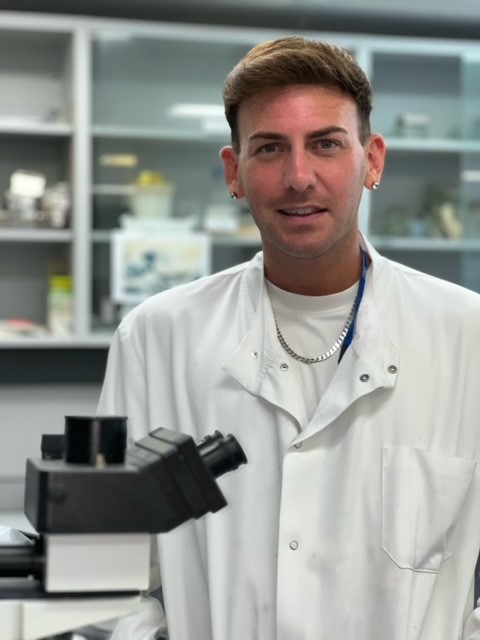
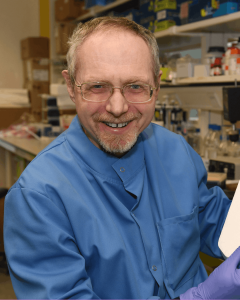
Professor Joseph Boyle, NHLI Professor of Chemical Systems Pathology, will be giving his inaugural lecture, Heart attacks and strokes: healing and light, on 30 September 2026.

In advance of this landmark moment in his career, we spoke to Professor Boyle about his life and research.


Could you give us a brief overview of what you will discuss in your upcoming inaugural lecture?

I will be focusing on my work on macrophages – large white blood cells that are designed to destroy, for example, bacteria and dead cells – and their surprising restorative properties.

When fatty deposits become lodged in key blood vessels, sometimes macrophages eat them up, and in doing so, repair the vessel. But other times, the macrophages are triggered to respond as they would to an infection, damaging the vessel and making it more vulnerable to becoming blocked, which is when heart attacks and strokes occur.

Over many years, I have been investigating how to encourage macrophages’ restorative properties. My lecture will focus on how I have been able to investigate these biological processes and how we can leverage these pathways in ways that may be helpful to patients.

Could you tell us more about your journey to becoming a professor at Imperial?

I grew up in Glasgow, attending a state comprehensive school. I then went to Glasgow University, where I studied pharmacology and medicine, before heading to Cambridge University for my PhD on vascular molecular cell biology.

I also trained in histopathology and have worked as both a clinical and academic histopathologist. It was through my work in pathology and inflammation that I came to Imperial, first as an academic cardiovascular pathologist, in 2001.
What areas of your current research will those who attend your lecture be able to find out more about?

I often work alongside chemists; my partnership with Imperial’s Professor Nick Long from the Department of Chemistry has yielded the development of a fluorescence probe.

Fluorescence comes about when a molecule collects light at one wavelength and emits it at a longer (redder) wavelength. Professor Long and I used Förster resonance energy transfer – a physical process where energy moves from one excited fluorescent molecule to another without emitting light – to see whether a probe to measure haemolysis (the rupturing of red blood cells) could be possible.

This comes back to the translational science I referenced earlier. A probe of this kind would help people with diseases like sickle cell anaemia, and we think they could potentially own these for self-monitoring.  It could also help to provide a biomarker for risk in coronary arteries and stroke in a range of patients. I’ll be discussing these discoveries in detail and talking about how this research might translate into a clinical setting.

How did you find the process of planning and writing your inaugural lecture?

I must admit, I did feel a sense of imposter syndrome! I wanted to strike the right balance between detail and accessibility, as I know that many people who come won’t be working in the same specialism as I do.

What helped was finding some relatable touchpoints, that would give people context to place the science in. For instance, I’m a keen skier, and I was recently thinking back to the awful crash that skier Lindsay Vonn had at this year’s Winter Olympics, where she almost lost her leg. It occurred to me that this may be an interesting avenue into discussing how macrophages can repair different parts of the body, including bone.

There’s also quite an interesting story about how interactions between macrophages and genes mirror what happens when yeast reacts with glucose in the champagne making process… but I don’t want to give too much away!


Professor Joseph Boyle’s inaugural lecture will be held on Wednesday 30 September at 17.30. It will take place in Lecture Theatre 200 in the City and Guilds Building, South Kensington Campus, and will also be live-streamed online. Find out more and register your place here.
Dr Adela Constantinescu-Bercu on life as a Postdoctoral Research Associate

“The ability to present complex findings in a structured and accessible way is fundamental to advancing science.”
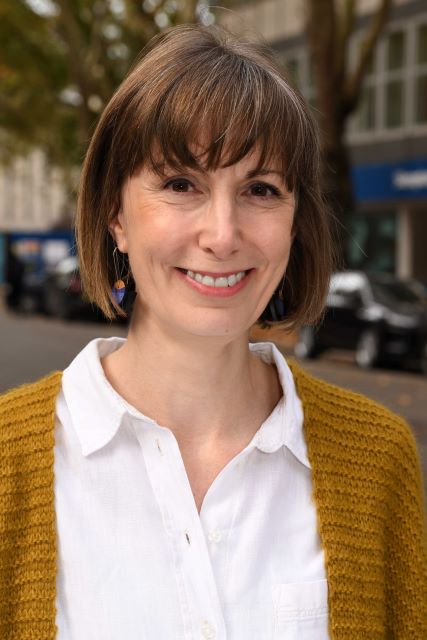
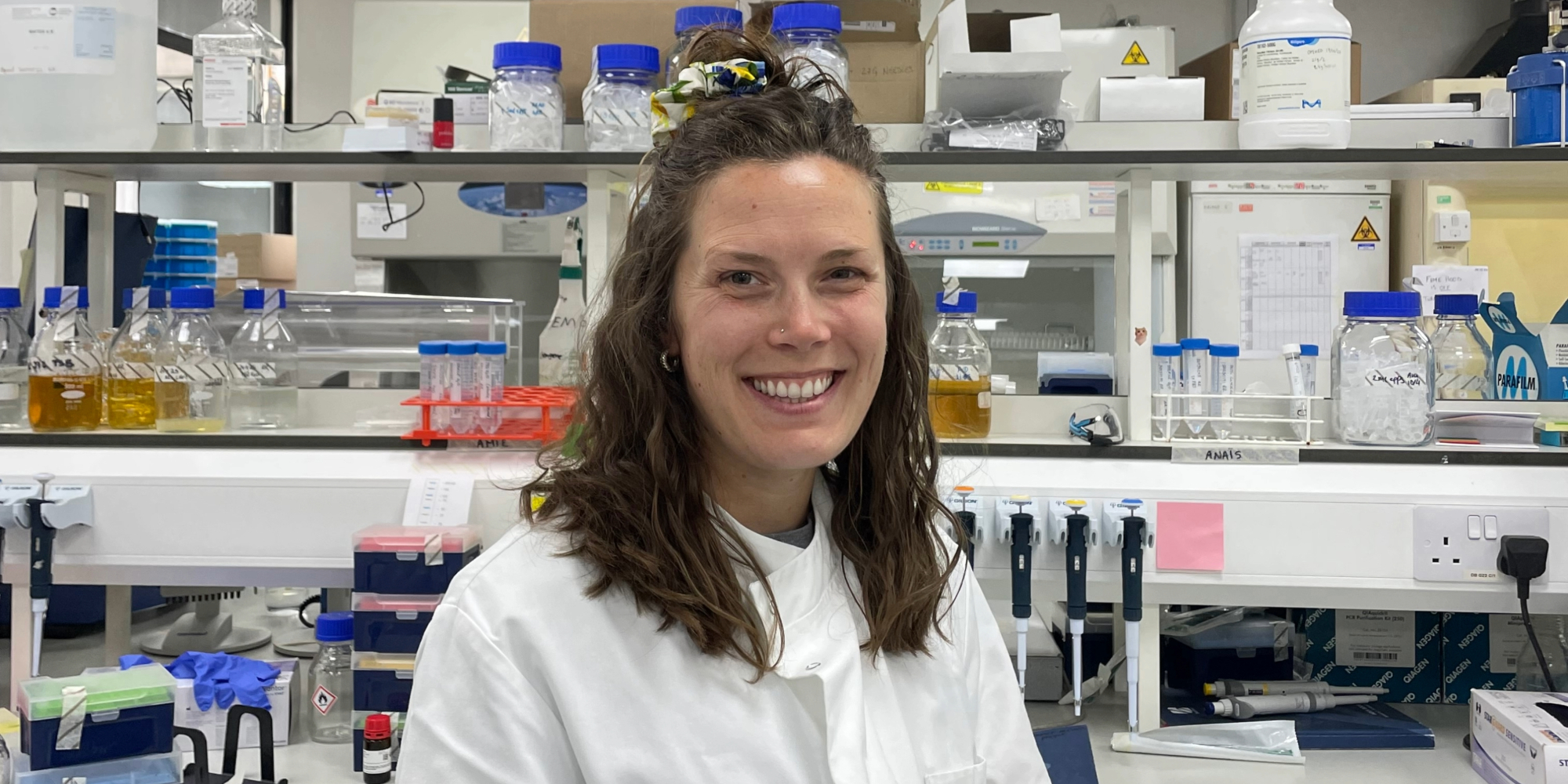
Dr. Adela Constantinescu-Bercu is an MRC-funded postdoctoral research associate at the NHLI, currently investigating the effects of Von Willebrand Factor (VWF) on vasculature as part of Professor Anna Randi’s research group. She has presented her research at a number of conferences, including the International Society for Thrombosis and Haemostasis (ISTH) Congress in Washington DC, US, the GRC in Vascular Cell Biology in Maine, US, and the BIC International Conference in Padua, Italy, and recently saw her work published in Blood.

We spoke to Adela about her research, her experience at Imperial, and what she has learnt in her time as a postdoctoral fellow.


What is Von Willebrand disease, and what is the focus of your current research into it?

Von Willebrand Disease (VWD) is the most common inherited bleeding disorder. It occurs when there is either a deficiency of Von Willebrand Factor (VWF), or when its function is affected. Patients with VWD can present vascular abnormalities (angiodysplasia) in the gut, which leads to gastro-intestinal bleeding – a major unmet need in these patients, as this often does not respond to conventional therapies.

VWF plays a crucial role in haemostasis, preventing us from bleeding during vessel injury. Our lab has previously shown that VWF also regulates angiogenesis (the formation of new blood vessels from existing ones). My research focuses on understanding how VWF affects angiogenesis with the aim of identifying new therapeutic targets for angiodysplasia in VWD. As part of my MRC postdoctoral project in Professor Anna Randi’s lab, I developed a vascularised ‘gut-on-chip’ model to study angiodysplasia in VWD. This is a personalised approach using patient-derived endothelial cells called ECFCs and revealed that patients lacking VWF present vascular remodelling defects that can be corrected with an anti-angiogenic drug, against angiopoietin-2.

Do you have any morning rituals to set you up for the day?

My mornings are largely structured around my daughter, who is in Year 1. Preparing her for school, having breakfast together and talking about the day ahead are central to our routine. It is safe to say she knows a lot more about blood vessels that other 5-year-olds do!

Once I drop her off at school, I start my workday properly. I take a few minutes to review my own priorities, look over the experiments planned and any deadlines pending. This brief moment of reflection helps me transition into work with clarity and focus.

Do your working days follow a similar pattern, or are they quite varied?

There is a general rhythm to my week, but my days are quite varied. Some are spent in the laboratory running experiments, or supervising Masters students. Others are focused on data analysis, writing or meeting collaborators. We also have weekly group meetings as well as section meetings where we present our results, engage in interesting discussions and receive constructive feedback. I also regularly attend webinars or seminars led by internationally recognised researchers, organised by NHLI, and participate in national and international conferences.

The multi-disciplinary aspect of this project also included a more unique start. I began working on this project by moving to Milan, to join our collaborator’s laboratory at Politecnico di Milano. Here I worked with Professor Marco Rasponi, in the Bioengineering Department, learning how to design and produce the microfluidic organ-on-chip devices I then implemented at Imperial. I was there for 3 months, which proved to be an adventure not only due to the steep learning curve of a field I never worked in before (bioengineering), but also from a personal perspective, as I moved there with my husband, daughter (who was 3 years old at the time) and dog. It was a true team effort, which proved to be very rewarding, culturally and professionally.

What do you enjoy the most about being part of Professor Anna Randi’s research group?

What I value most about being part of Professor Randi’s research group is the combination of high scientific standards and a genuinely collaborative atmosphere. There is a strong emphasis on critical thinking, and discussions are both rigorous and supportive. Group meetings and one-to-one discussions are spaces where ideas are encouraged and challenged, so that these are strengthened and refined. I also really enjoy the highly collaborative environment, which facilitates a multidisciplinary approach to the research.

Professor Randi’s mentorship is also essential, given her genuine investment in the professional growth of everyone in the group. I have greatly benefited from her guidance regarding my long-term career development, particularly this year, when I am preparing to apply for my first fellowship. I consider her a role model for the researcher I hope to become. Being part of her group has shaped both my scientific perspective as well as my aspirations as a researcher.

What are the next steps in developing the vascular “organ-on-a-chip” model?

The next steps for the vascularised ‘gut-on-chip’ focus on increasing its physiological relevance and experimental robustness. Our immediate priority is to refine the system so that it more closely reflects the gut microenvironment. This includes integrating intestinal epithelial cells to recreate the interface between the epithelium and underlying vasculature, enabling us to study the crosstalk between epithelial and endothelial cells.

In parallel, we aim to introduce controlled mechanical stimulation to mimic peristalsis. This work in progress is achieved using an actuation pump to recapitulate the dynamic conditions of the intestinal environment and study how mechanical cues influence vascular integrity and tissue homeostasis.

The long-term goal is to also establish a reliable platform for translational research, which can be used to study disease mechanisms and assess potential therapeutic strategies in a system that more closely reflects physiological conditions.

Why is this research important to you, and what do you hope it could achieve?

This research is particularly meaningful to me because it connects fundamental vascular biology with real clinical implications. A deeper mechanistic understanding of the link between VWF and vascular abnormalities not only has the potential to refine the management in VWD, but also to inform broader vascular and haemostatic disorders where endothelial dysfunction plays a central role.

What are the most important things you have learnt from presenting and publishing your research?

One of the most important lessons I have learnt is that clear communication of the data is crucial. The ability to present complex findings in a structured and accessible way is fundamental to advancing science.

Presenting my work at conferences and seminars has also shown me how valuable networking is. Meeting experts from all over the world has led to new ideas, fresh perspectives and, in some cases, the beginning of new collaborations. The informal conversations after a talk or during a poster session are very important, especially at a career stage where developing an international network can shape future projects and opportunities.

The peer-review publication process has taught me resilience and openness to feedback. Constructive feedback strengthens the quality of the research and often provides perspectives that improve the final work. Publishing feels not like an endpoint, but rather like contributing to an ongoing scientific conversation.

Trialling Nalbuphine ER as a treatment for Cough in Idiopathic Pulmonary Fibrosis: An interview with Professor Philip Molyneaux

“Finding a specific treatment for chronic cough in IPF could have a huge impact on patients’ lives.”

Philip Molyneaux is Professor of Interstitial Lung Disease at the National Heart and Lung Institute, the Asthma + Lung UK Chair of Respiratory Research, and Director of the NIHR Clinical Research Facility at the Royal Brompton Hospital, where he is also a Consultant in Interstitial Lung Disease.

We spoke to Professor Molyneaux about his ongoing research into the treatment of cough in Idiopathic Pulmonary Fibrosis (IPF), after the conclusion of a successful phase two trial.


Can you summarise your research and what you found in plain language?

We have been trialling a new drug, Nalbuphine ER, for the treatment of cough in patients living with Idiopathic Pulmonary Fibrosis (IPF). IPF is a scarring lung disease and around 80% of people with the condition suffer with chronic cough. This worsens their quality of life and currently there are no treatments available.

We recently ran a phase two clinical trial, in which 165 IPF patients with chronic cough were either given one of three different strength doses of Nalbuphine ER, or a placebo, for six weeks. We recorded the number of coughs-per-hour in each patient over the first and last 24 hours of the study and found that the cough count dropped across all three doses of the drug compared to the placebo, with the strongest dose proving to be the most effective. We also asked patients about their own perception of the rate and severity of their cough; those taking the two stronger doses of the drug noticed a significant decrease in their symptoms.

“Our research shows that the mechanisms we are targeting improve cough, helping us to gain a deeper understanding of IPF and its symptoms.”

Why is this research important? What problem does it address? 

Finding a specific treatment for chronic cough in IPF could have a huge impact on patients’ lives. Current treatments are simply borrowed cough treatments for other respiratory conditions. They are often ineffective and trialling them wastes time – something which is in short supply when it comes to IPF, which has a life expectancy of only three and a half years. 

Previous studies have shown that cough has a detrimental effect on the lives of patients with IPF. It can contribute to anxiety and depression, as well as causing incontinence and even blackouts. Plus, in the aftermath of the Covid-19 pandemic, coughing has been socially stigmatised. All these things can threaten IPF patients’ quality of life, which is why finding a disease-specific treatment is so important. 

What are the most significant findings or outcomes? 

Our trial, which recruited at the Royal Brompton Hospital’s Cardiorespiratory clinical research facility, is the first positive head-to-head placebo-controlled study into IPF cough. It shows that there is potentially a treatment which could improve IPF patients’ quality of life, as opposed to simply slowing down the progression of the disease. We hope that Nalbuphine ER could become a useful treatment for IPF cough, but more research is needed to confirm this, and to check the drug’s long-term safety.  

How might this research impact policy or the public? 

Policy, as all medical researchers will know, must change when a new drug is approved. Nalbuphine ER is a drug that has been used previously, as an injectable post-operative painkiller; our version is in a tablet format, with a different indication. If Nalbuphine ER is approved as a treatment for IPF cough after a phase three trial, treatment guidelines would hopefully change rapidly as there are no other options.  

When it comes to the public, cough takes up a lot of healthcare resources, including some people might not expect, such as occupational and speech and language therapists. If IPF patients’ coughs improve, these finite resources will be freed up for others who may need support. 

How do these findings advance knowledge or practice in your field? 

Our research shows that the mechanisms we are targeting improve cough, helping us to gain a deeper understanding of IPF and its symptoms. While this is crucial as it gives us clues into how IPF cough works and how it can be best treated, there are still many questions to ask. 

We are unsure whether Nalbuphine ER will work for all patients with IPF and cough. We don’t know if reducing cough can slow disease progression, nor do we know why some IPF patients cough more than others; perhaps this knowledge will arise tangentially from the work we are doing. Moreover, we are currently only looking at idiopathic pulmonary fibrosis, so there is a possibility that Nalbuphine ER may work for those living with non-idiopathic or familial pulmonary fibrosis too. 

Does your work tie into any wider research? 

There is so much great research happening around the impact of cough and whether it is the same across all fibrotic lung diseases. From what we can tell, it seems to be very similar to IPF, which suggests that Nalbuphine ER could be used to treat cough in a range of respiratory conditions. 

We would also like to look at whether cough comes from the brain, the nerves, or the lungs by conducting MRI scans to observe what happens in the brain when someone is coughing and examining lung volume changes in people with chronic cough. 

What are the next steps? 

The next step is a phase three trial, looking at a larger patient population for a longer duration to ensure the benefit is sustained. We are hoping to start this study later this year.  

From Research to Teaching: Dr Leanne Felkin on Educating and Celebrating MSc Cardiovascular and Respiratory Healthcare Students

“The more rewarding part from all of my career at NHLI is definitely my colleagues. I have never taken for granted what a complete privilege it is to be able to do interesting work with interesting people.”

Dr Leanne Felkin is the Senior Teaching Fellow for the MSc Cardiovascular and Respiratory Healthcare. A researcher turned educator, she shares her journey of transforming scientific expertise and a passion for teaching into a mission to nurture the next generation of cardiovascular and respiratory healthcare professionals.

(more…)

Supporting Postgraduate Students: A Look Into the Role of PGT Senior Tutor with Dr Birgit Leitinger

“I need to be a non-judgmental listener who looks at the wider picture and acts as a spokesperson for the student, while guiding them towards realistic goals concerning the completion of their studies.”

Dr Birgit Leitinger (pictured right) with Dr Richard Palermo and Dr Alessia Galasso before a BMB teaching session

(more…)