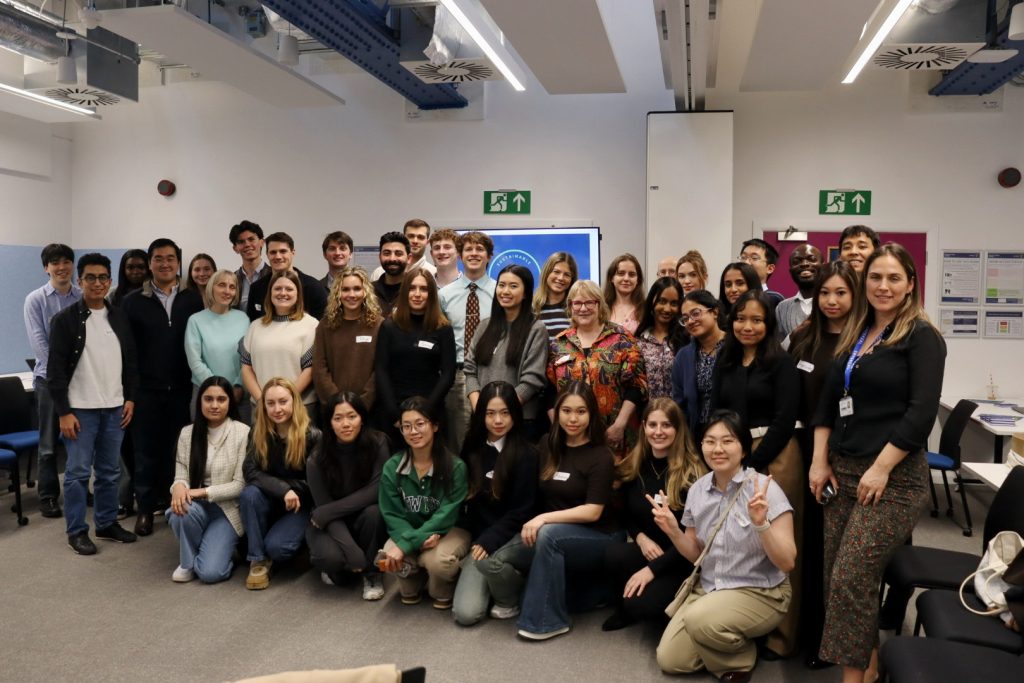
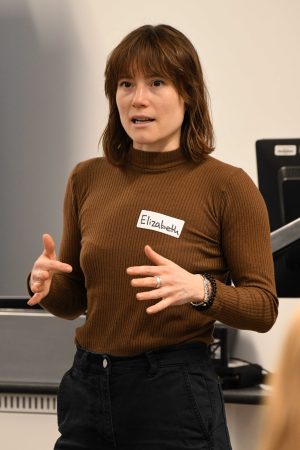
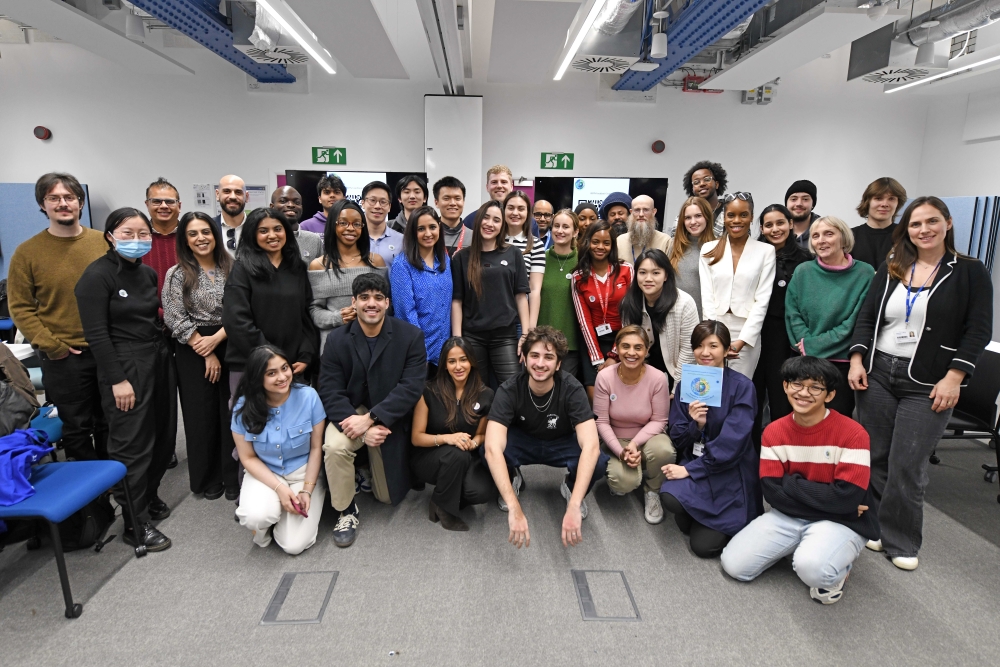
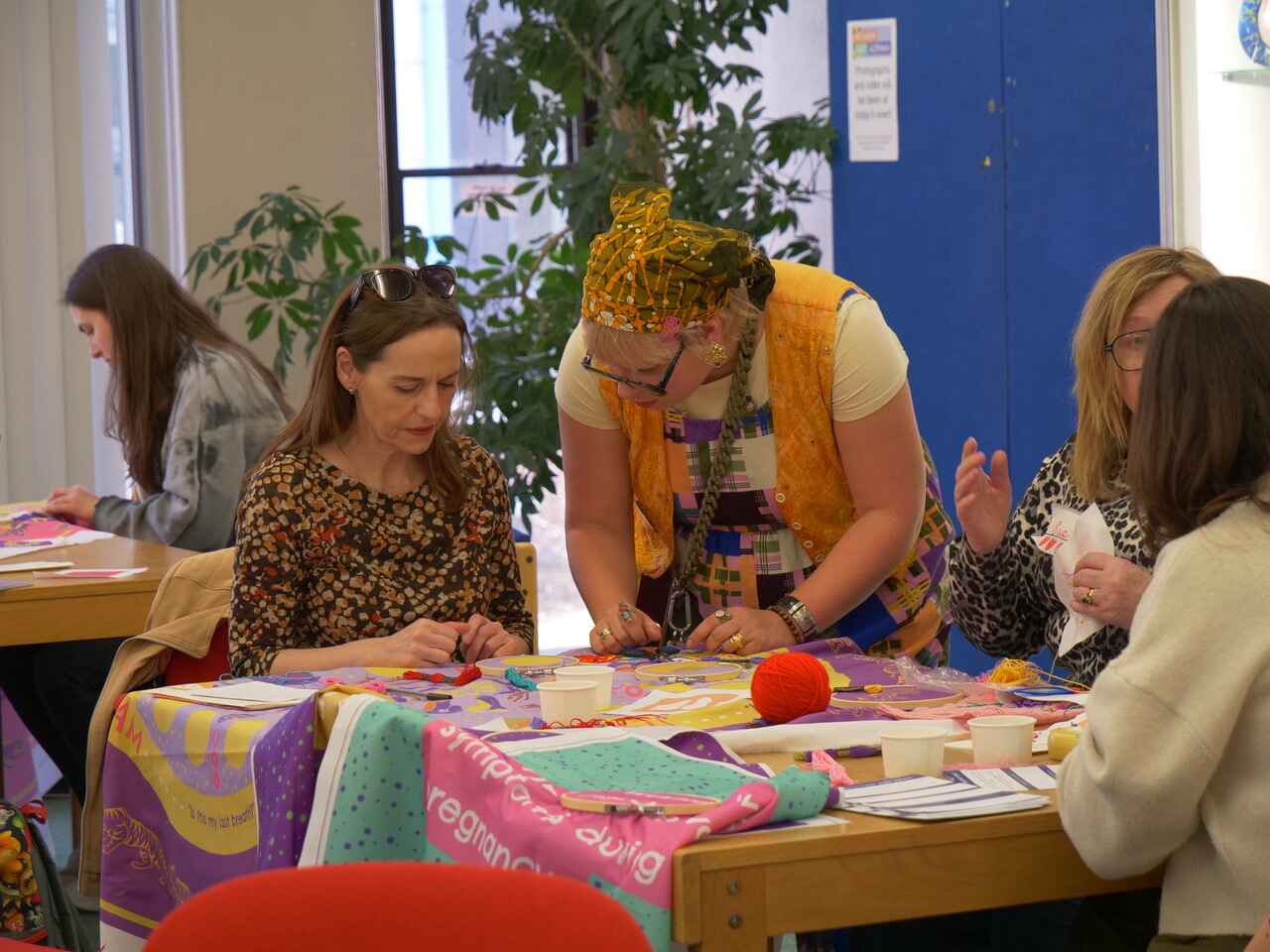
On 30 April and 1 May 2026, Imperial College London hosted the London Heart & Emerging Technologies in Cardiovascular Biology Symposium at Scale Space, White City campus. The meeting brought together the long-standing London Heart Meeting, organised by Dr Catherine Roberts (City St George’s, University of London), Professor Duncan Sparrow (University of Oxford) and Dr Nancy Stathopoulou (University of Oxford), with the newly launched Emerging Technologies in Cardiovascular Biology Symposium, an initiative led by Dr Andreia Bernardo (Imperial College London) and Dr Nathan Palpant (University of Queensland). The two-day event featured talks, poster presentations and networking sessions, hosting almost 150 attendees from across the cardiovascular research community; we spoke to some of them about their experience.
This event was kindly sponsored by the British Heart Foundation and Imperial College London, as well as by Axion Biosystems, Axol Bioscience, iotaSciences, Nanion Technologies, Nikon, STEMCELL Technologies, Thermo Fisher Scientific, and ZEISS.
Terri Holmes
Senior Research Associate, University of East Anglia
I enjoyed giving my talk, entitled SNORD116 Modulates Cardiomyocyte Development and Metabolism Through Post-Transcriptional Regulation. I felt a little nervous in the lead up to it – and was glad I didn’t have to go first! – but I felt that it went well, and I received positive feedback. My main concern when preparing the talk was that the subject matter might be too niche, as the focus is on a multisystemic disease (Prader-Willi Syndrome) with cardiovascular involvement, rather than a cardiovascular disease specifically. I wanted to ensure it was balanced, so I included detail on the disease’s wider implications, which I think helped sell it.
I liked that I had twelve minutes to speak, rather than having to fit everything into a very brief slot, and the chairpeople, Nancy Stathopoulou and Richard Tyser, were effective and supportive. I was also asked some great questions in the Q&A section, including one from Christine Mummery, which was exciting as she is someone I really look up to. It was great to have the chance to chat to some senior scientists and PIs in my field at the networking session as well.
I was so impressed by the poster presentations, some of which were by master’s students which I thought was nice to include, as presenting at events like this is such a valuable experience for those in the earliest stages of their scientific careers. People rose to the occasion across the board, partly thanks to a real sense of equality and support for all attendees, regardless of seniority.
Jasmeet Reyat
Senior Postdoctoral Research Associate, University of Oxford; Visiting Researcher, NHLI
My talk, Human In Vitro Modelling of Immune-Cardiac Interactions in Ischemic Cardiac Disease, builds on inter-university collaborative research on the immune system in the context of ischemic cardiac disease, using a vascularised organ model to better understand the biological processes at hand.
From discussions I have had and the talks I have seen, it strikes me that our research community has come a long way in the development of modelling technologies used to investigate cardiac diseases. We are now in a time where the future of cardiovascular therapeutics relies on how well we can translate these models.
The environment at this event has been genuinely supportive, and I appreciate the balance of disciplines and the focus on emerging technologies. Presentations have been of a consistently high standard; I particularly enjoyed Christine Mummery’s keynote speech, and I also found Verena Schwach’s talk very interesting and pertinent to the current direction of the field.
Giulia Vargiu
Product and Applications Sales Specialist – Life Sciences at ZEISS Microscopy
I have been in touch with Imperial’s development team for a while now, and I also attended one of their events in March of this year, so it was nice to see some friendly faces at this event!
ZEISS, the company I work for, is a world-leading microscopy manufacturer, and this kind of event is invaluable because it brings us directly to the people who use our technology every day. The sense of community is so beneficial for us, and hopefully for the researchers too. I found the presentations on imaging research particularly interesting, as you might imagine, and they provided useful insights into the direction in which the field is going and how ZEISS might be able to help.
Several researchers I spoke to are looking to commercialise and wanted to know what support ZEISS could provide – I hope and expect these conversations to continue long after this event is over. There is so much potential in this community.
Verena Schwach
Assistant Professor, University of Twente
I felt my talk, A Human iPSC Derived Heart-Brain Microphysiological System to Model Neuro Cardiac Crosstalk, went well. I received some good questions, which was a relief as my field of work is often slightly different than that of the audience I am presenting to, but people were definitely intrigued. Some of them sought me out after I gave my talk and there are meetings in the pipeline as a result, which is exciting.
I travelled from Twente, in The Netherlands, and between the high quality of the talks I have heard and the productive conversations I have had, I can absolutely say that it was worth the trip. It’s always helpful to be connected to research and researchers here in the UK. London has great scientists!
Andreia Bernardo (Event Organiser)
Research Fellow, NHLI
I am so pleased with how smoothly the symposium has run. The standard of presentations, from ECRs to keynote speakers, has been remarkable and it has been great to be able to showcase the quality of the research happening in the field. We attracted scientists from across the UK and abroad, and we are so grateful that so many of them took the time to come to London and share their work. Everyone contributed towards making this event as exciting and successful as it has been, and I hope that the conversations shared here will have a lasting impact on this research community.
One of the most interesting facets of the symposium, for me, was the merge between developmental basic science and how this is being translated into innovations with real-world clinical and commercial applications. For example, Christine Mummery delivered a masterclass on drug discovery pipelines using human pluripotent stem cell derived cardiomyocytes. Meanwhile, Nathan Palpant, who was part of the organising team, came over from Australia to deliver a talk on how a novel peptide for treating myocardial ischaemia, which is now in phase I clinical trials, came from his research into spider venom. One of our selected ECRs speakers, Millie Fullerton, also delivered a fascinating talk describing the discovery of a novel genetic cause of dilated cardiomyopathy and demonstrating therapeutic rescue of mitochondrial abnormalities in a mouse model through vitamin supplementation.
We also had a dedicated session, ‘Funding the Pipeline’, where speakers from organisations including the British Heart Foundation and AstraZeneca came to share information on policy and opportunities for researchers interested in taking their work to market. This was followed by a panel discussion chaired by Shazad Malik from Advent Life Sciences, a venture investment company, who skilfully guided the conversation between entrepreneurs, venture capitalists, and business angels while actively engaging the audience in the discussion.
There are so many people and organisations that I would like to thank. We could not have hosted this event without support from our sponsors, who, in addition to providing crucial financial support, were deeply engaged with the research presented and showed real interest in organising more events like this in future, which was music to my ears. Their support meant that we could bring in researchers from universities from several other countries, expanding the horizons of the UK-based London Heart meetings that were the genesis of this symposium. I would also like to thank the team from Imperial – Lucy Payne, Katie Shakespear, and Nicola Ruivo – whose work behind the scenes helped the event to run smoothly. Scale Space was a phenomenal venue, too; thank you to the team there who hosted us, especially Harvey Sheehy who made sure we had no IT glitches. I also want to say a huge thank you to my fellow organisers: Catherine Roberts, Duncan Sparrow, Nancy Stathopoulou, and Nathan Palpant. And finally, of course, I would like to warmly thank all the attendees, who made the event such a pleasure to be a part of.
Read London Heart & Emerging Technologies in Cardiovascular Biology Symposium in full