As part of Women at Imperial week, we asked Anne Parry, Director of Operations in the Centre for Environmental Policy, some questions around what has inspired her and her career to date, as well as what advice she wishes she’d received earlier in her career journey. 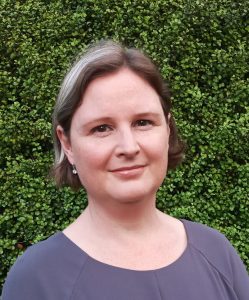
What has been your proudest career achievement so far?
While I was at Queen Mary, I signed the University up to the Technicians Commitment. I became the University’s first Institutional Signatory of the Commitment and submitted the first action plan, which I drafted in collaboration with technical staff from across the University. It was hugely rewarding to collaborate with staff from across the institution and to champion changes that improved their working lives and properly recognised their contributions.
What barriers to career progression do you think women still face today?
This is a difficult question to answer, as I was brought up to believe no doors were closed to me.. However, managing a career whilst trying to be a good mother is an incredibly difficult juggling act. Having the right support around you, both at home and in the workplace, is essential in my experience to be able to juggle effectively.
When my children were young, I was lucky enough to have an incredibly supportive line manager who agreed to me working 0.8 FTE in a senior leadership position. I am very aware that I was fortunate to be given that flexibility. For women to be able to flourish both at home and at work, being given the opportunity to find the right balance for them is essential.
Looking back now, I am ashamed of how unprepared I was the first time a member of my team came to me to say they were struggling with menopause symptoms. It is great to see how much more thought is now being put into preparing managers for these conversations, but the impact of menopause on women’s confidence and wellbeing is something we all need to reflect on.
How can we better support women in STEM, where they remain underrepresented?
I am somewhat reluctant to look at this purely through the lens of one protected characteristic. I am really interested in the intersectionality of equality, diversity and inclusion, and feel that we should be developing equitable processes and frameworks that are inclusive for all of our staff.
Effective support must recognise and address the overlapping barriers that people face rather than singling out any particular characteristic, in my opinion. This not only supports women but raises up the whole community.
Is there anyone you’d consider a role model?
I’m going to be cheeky and ask for two!
“It takes a special kind of determination and ability to achieve that, and she brought that decisiveness and ambition into everything we worked on together”
Firstly, when I first went for a job at Queen Mary, it was to support the then Vice-Principal, Ursula Martin. I did some homework about her before my interview and found out that she was only the second female professor appointed at St Andrews in its long history. It takes a special kind of determination and ability to achieve that, and she brought that decisiveness and ambition into everything we worked on together. She received a Damehood in the King’s Birthday Honours last year, and I was absolutely delighted to see her recognised for her massive contribution to science and her championing of Ada Lovelace.
My second role model is my mum. She worked as a teacher throughout my childhood and taught me so much about work–life balance before anyone was even calling it that! The older I get, and the more support I see women – especially mothers – receiving in the workplace, the more remarkable her achievements become to me.
What is one piece of advice you wish you had received earlier in your career journey?
“I always tell colleagues to take a chance – you never know who else is in the pool”
We all know the adage that men apply for roles when they meet 60% of the criteria, while women wait until they meet 100%. While it’s a questionable statistic, there is important learning behind it.
I wish I had been more confident earlier in my career when considering next steps. I have been incredibly lucky that opportunities opened up for me that I probably would not have felt confident enough to go for without encouragement. I always tell colleagues to take a chance – you never know who else is in the pool, and you may just well be the best candidate even if you aren’t a perfect fit.
What role can Imperial play in better supporting women’s career progression?
Imperial already does a great deal to support women; the on-site nursery, for example, is a huge benefit. There are, of course, further improvements that could be made, such as enhancing breastfeeding and expressing facilities for staff and students.
As mentioned above, having people champion me and provide informal mentoring really helped shape my career. At Imperial, I think encouraging those mentoring opportunities is therefore incredibly important. These do not need to be formal or highly structured – some of the best advice I have received has come through informal connections in my network. Again, this is something that can benefit all staff, supporting them on their career journeys regardless of background.