Michel Valette, Postdoctoral Research Associate at the Centre for Environmental Policy and the Leverhulme Centre for Wildfires, and Gail Sucharitakul, Research Postgraduate at the Centre for Environmental Policy, provide their critical reflections from the 12th session of the Intergovernmental Science-Policy Platform on Biodiversity and Ecosystem Services (IPBES-12) held in Manchester in February 2026.
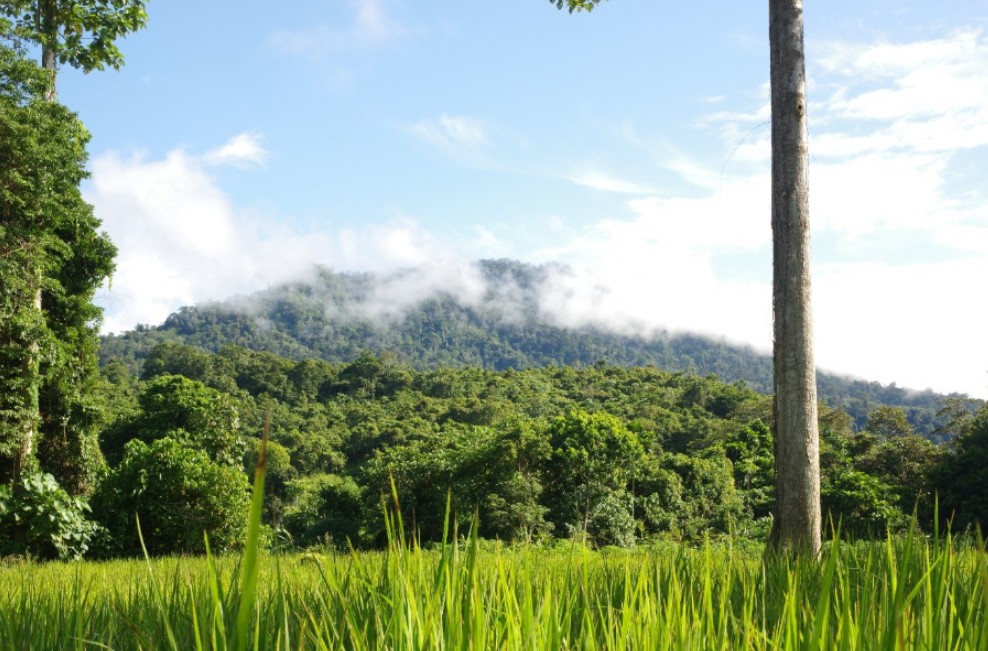
Indigenous Peoples and local communities (IPs and LCs) play a critical role in stewarding biodiversity, but who are they? And subsequently, who gets the rights associated with being called an Indigenous person, or a member of a local community? In this blog, we discuss how international agreements recognise rights to Free, Prior and Informed Consent for IPs and LCs, how this influences collaboration between IPs and LCs and businesses, and why improved recognition is critical to more ethical collaboration.
Background
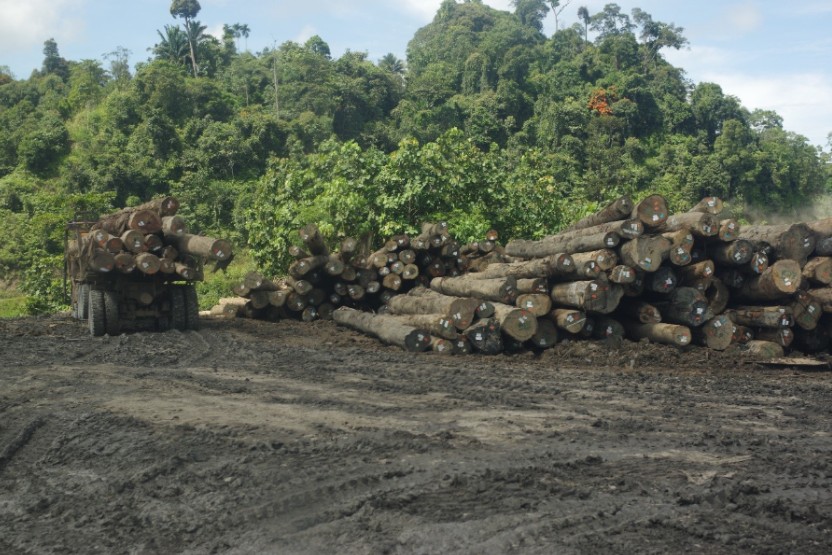
IPs and LCs represent over 2.5 billion people governing over 32% of global land across 132 countries (Sangha et al., 2025; WWF et al., 2021). Most of their territories are in “good” or “excellent” ecological condition, demonstrating the central role that IPs and LCs play in tackling the coupled biodiversity and climate crises (WWF et al., 2021). IPs and LCs’ territories present opportunities for the private sector, such as the development of new medicines, ecotourism, carbon credit projects, or the extraction of natural resources (IPBES, 2026). However, these income-generating opportunities also create risks to IPs and LCs, as they can lead to land and resource appropriation (Fairhead et al. 2013). Principles and processes, such as Free and Prior Informed Consent (FPIC), exist to mitigate these risks.
What is FPIC?
FPIC is a principle giving people the right to approve, reject, or negotiate any project that affects their land before it begins (Mahanty & McDermott, 2013). FPIC revolves around four concepts: 1. the absence of coercion (free), 2. sufficient time for local decision-making processes before consent (prior), 3. access to information about the project and its potential impact on the local ecosystem and community (informed), and 4. The right to agree or disagree with proposed activities (consent). FPIC goes beyond a checklist consultation with affected communities and gives them a veto right on project implementation (Ward, 2011).
Originally developed through Indigenous rights advocacy, FPIC has gained traction in international agreements and was included in the UN Declaration on the Rights of Indigenous Peoples (2008). It has also been used across diverse sectors, such as mining, forestry and carbon sequestration projects (Baird 2021, Mahanty & McDermott, 2013).
The debate at IPBES: who counts?
At IPBES-12, Working Group 1 conducted a line-by-line review of the latest IPBES “Business and Biodiversity Assessment”. During this process, a heated debate emerged between delegates on whether FPIC applies to Indigenous Peoples alone, or to the broader category of Indigenous Peoples and local communities. This is not a trivial difference, as IPs include 476 million peoples and LCs an additional 2 billion people (Sangha et al., 2025).
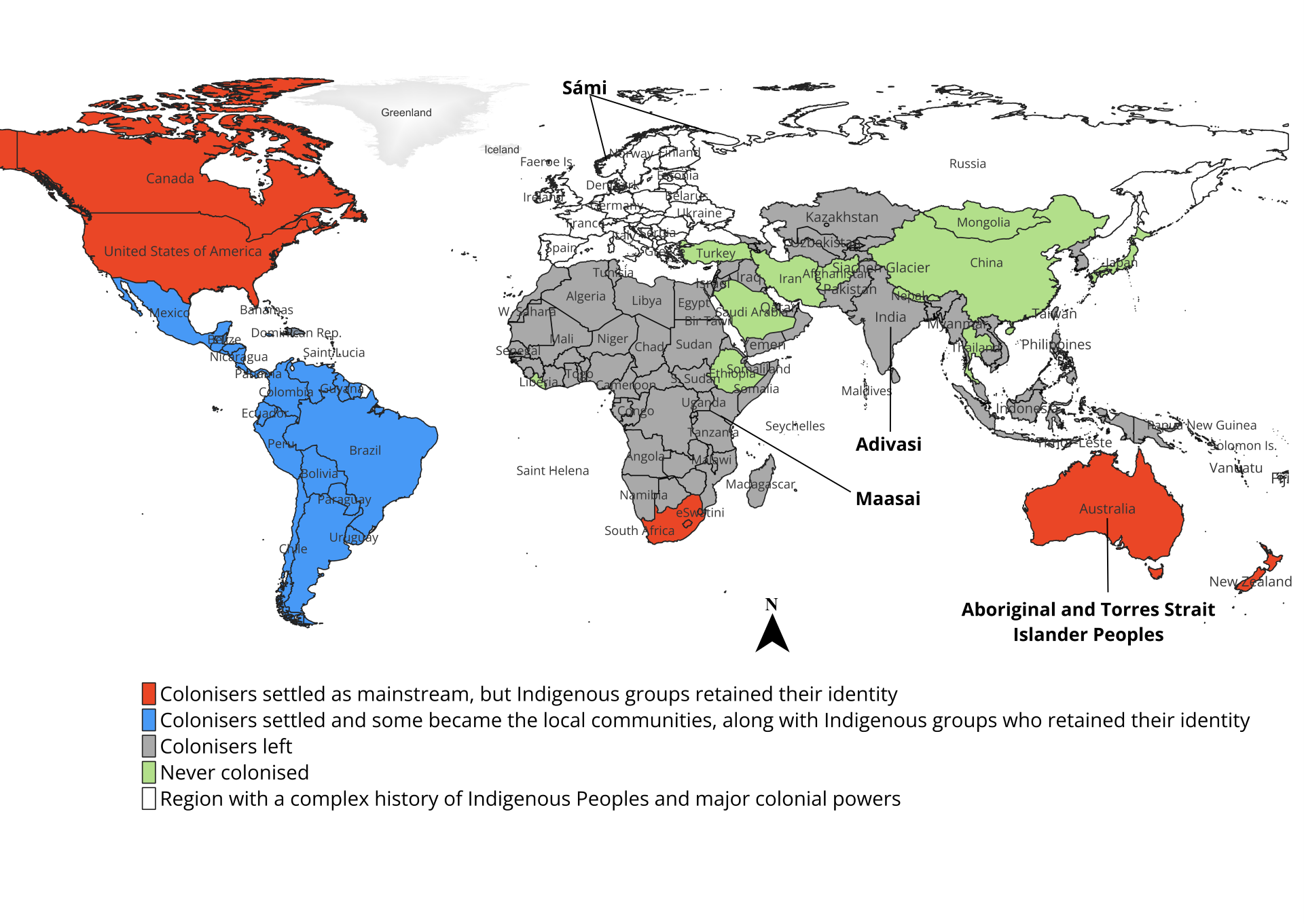
The distinction between IPs and LCs is shaped by national contexts, which range from countries that have never been colonised (e.g. Ethiopia, Tonga, Thailand), colonised but colonisers had to leave (e.g., India, Pakistan, Indonesia), colonised and colonisers became settlers (e.g., Australia, Canada, United States, Brazil) (Ahammad et al., 2026, see Figure 1). In many settler-colonial countries, the label “Indigenous” can carry specific legal and political weight, often tied to land claims and formal rights, such as in the Brazilian constitution giving IPs land rights in their ancestral territories (Burckhart et al. 2023). But in other contexts, the boundary between “Indigenous” and “local” can be blurrier, and the lack of dedicated national policy or the stigmatisation of Indigenous groups could temper the interest for one to self-declare as Indigenous (Baird 2021). For example, in India where >99% of the population is from that land, but only 8-10% of the population are recognised as Indigenous (Ahammad et al., 2026). Thus, some communities with long customary land tenure may choose not to self-declare as Indigenous and yet remain vulnerable to land grabs, displacements, and extractive projects.
Why the distinction has real consequences
Widening the scope of FPIC in international negotiations to include local communities could empower billions of custodians of some of the most well-preserved ecosystems globally. This is particularly important as the global demand for land is increasing, for example, from the agriculture and energy sectors (Davis et al., 2015). Land use demands are further increased by policies that aim to increase private sector involvement in nature, for example the Bonn Challenge which aims to restore 350 million hectares (Löfqvist & Ghazoul, 2019). Given the lack of clarity in definitions, we argue that taking a more inclusive stance of including local communities is more aligned with ‘do no harm’ principles that guide the ethical practice across a range of fields, which should also be applied in international negotiations such as IPBES.
Inclusive recognition is a first step, and beyond recognition significant gaps remain in the implementation FPIC. Despite being well-established, FPIC implementation remains vague and susceptible to shortfalls (Seddon et al., 2020). For example, information shared can be incomplete, framed in ways that favour the interests of project developers, or in a format that is not adapted to the communities (Mahanty & McDermott, 2013). A genuinely informed consent process that embraces recognition and procedural equity must engage with different knowledge systems and ways of understanding the world to present information in formats that are meaningful to participants. Moreover, even well-implemented FPIC process do not solve all the issues that are caused by private sector collaboration. In Australia, the co-design of early dry season burning programs funded through carbon credits allowed Indigenous communities to support cultural objectives (Sangha 2025), but tensions persist about fire management and the impact on biodiversity (Fache and Moizo 2015).
Towards ethical collaboration between the private sector and IPLCS
Broadening the application of FPIC to include local communities in international frameworks like IPBES would be a meaningful step forward for creating more equitable and inclusive participation. It would better reflect the reality on the ground, where the custodians of some of the world’s most ecologically intact landscapes do not always fit neatly into legal categories. However, recognition is a first step. Beyond recognition, FPIC implementation needs to be strengthened to ensure that it is a genuine process to improve the engagement with communities. Not only is this important for achieving global climate and biodiversity goals, it is also an ethical imperative that we achieve these goals equitably and use best efforts to ensure that nobody is left behind.