Blog posts

Understanding infection in cystic fibrosis: meet the researchers

“It is crucial to understand how these pathogens interact… with the aim of discovering new targets for treatments.”

For Cystic Fibrosis (CF) Week, 8-14 June, we’re shining a light on the work of two PhD students at NHLI who are helping to advance our understanding of lung infections in CF.

Greta Šveikauskaitė (Allsopp Group) and Shannon Blay (Hughes Group) are both exploring how microbes behave and interact in the unique environment of the CF lung – research that could help inform more effective treatments in the future. Their work forms part of the Precision-CF Innovation Hub, a Cystic Fibrosis Trust and LifeArc funded research programme bringing together researchers and clinicians to improve the diagnosis and treatment of CF lung infections.

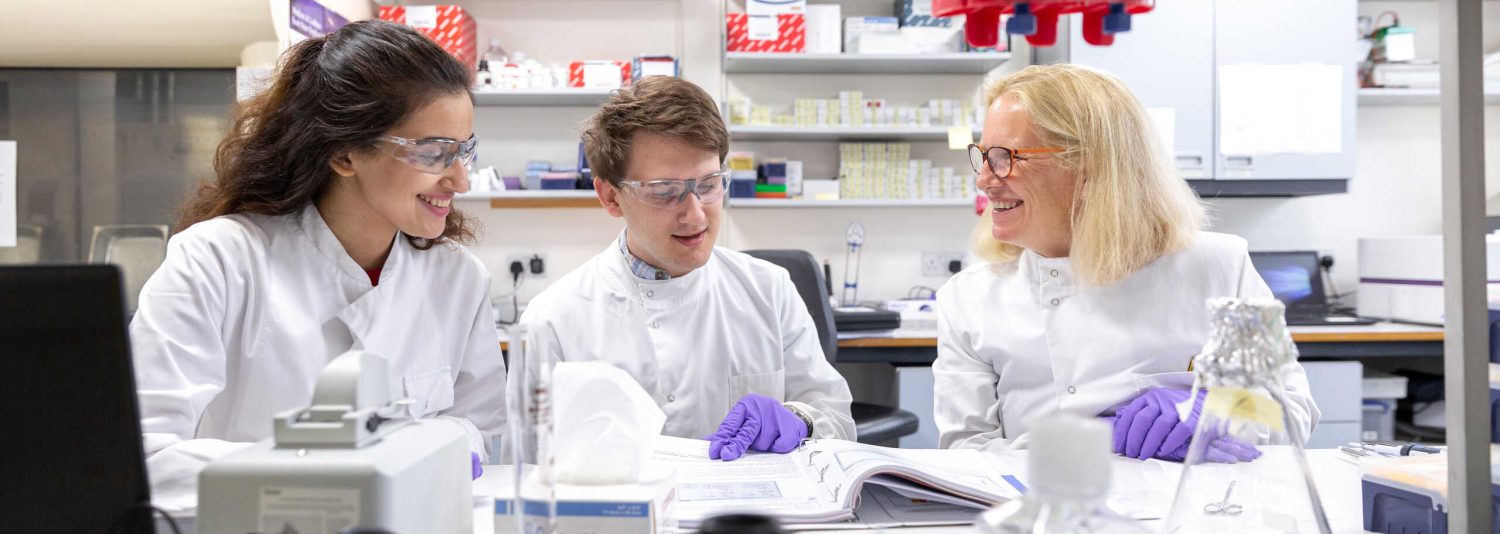
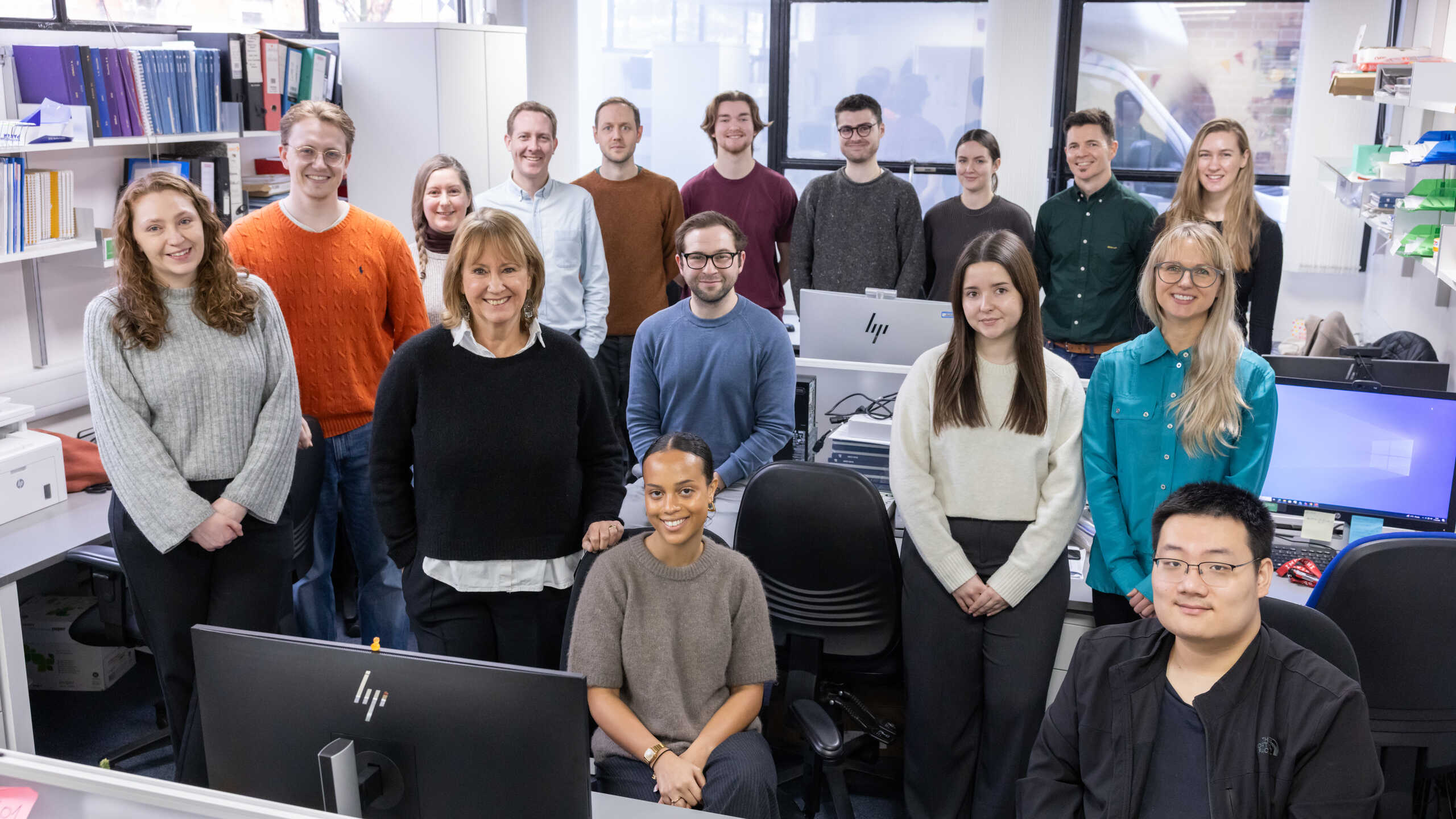
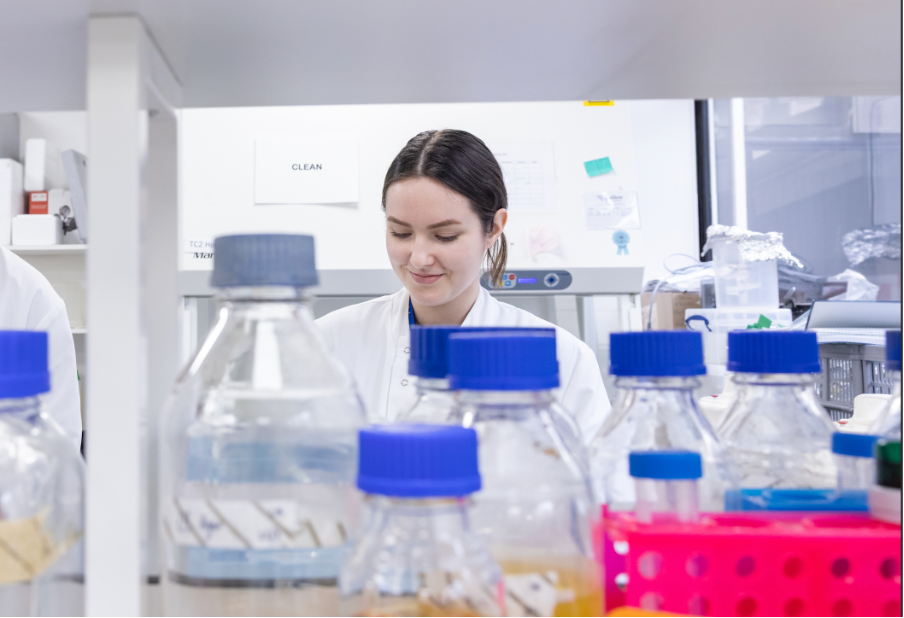
Professor Jane Davies, Dr Dominic Hughes, Dr Luke Allsopp, part of the PRECISION-CF, a Cystic Fibrosis Trust and Life Arc funded project researching secondary bacterial infections associated with cystic fibrosis in the lab in the Emmanuel Kaye Building.
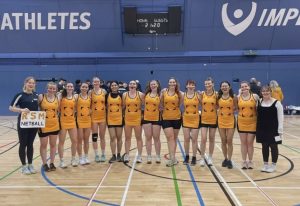
Greta Sveikauskaite (back row, third from right) and Shannon Blay (middle row, second from right), with Professor Jane Davies, Dr Dominic Hughes, Dr Luke Allsopp and members of the research groups.

Understanding bacterial dominance in CF infections

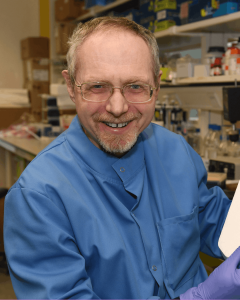
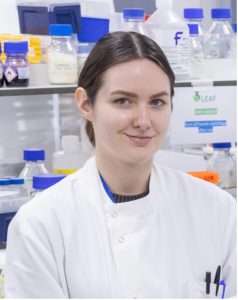
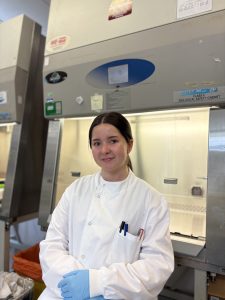
Greta Šveikauskaitė, PhD student (Allsopp Group)Greta in the lab

What is your current research in cystic fibrosis focused on?

Cystic Fibrosis is a genetic condition that affects many organs but has a particularly large impact on the lungs. CF causes the thickening of lung mucus, reduced clearance within the lungs and a frustrated immune system, creating a perfect environment for bacterial growth.

During infection, bacteria can lead to cell damage directly, but immune responses that do not effectively clear the bacteria can persist over time, resulting in damage that leads to reduced lung function.

Although the CF lung can be infected by a range of bacteria, Pseudomonas aeruginosa is the most common and most troubling. My project in the Allsopp Group focuses on how P. aeruginosa becomes dominant and outcompetes other bacteria.

“We do not fully understand how P. aeruginosa causes infection and becomes so successful. My work will hopefully reveal environmental triggers that lead to a boom in P. aeruginosa presence and make it more aggressive”

P. aeruginosa alters its behaviour in this environment and in response to other bacteria, and this is the focus of my PhD. One bacterial system I am particularly fascinated by is a protein nanomachine that it uses like a harpoon against other bacteria, or human cells, to inject toxins that lead to cell death. This system is called the type VI secretion system. I am researching how P. aeruginosa responds to the CF lung environment to arm itself for this bacterial warfare.

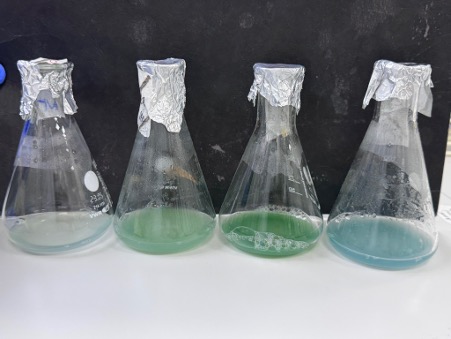
Pseudomonas aeruginosa responds to being grown in different media by turning on the production of different pigments

What impact do you hope your research will have for people living with CF?

I hope that findings from my research will help us better understand these bacteria. This is important as we do not fully understand how P. aeruginosa causes infection and becomes so successful. My work will hopefully reveal environmental triggers that lead to a boom in P. aeruginosa presence and make it more aggressive. Once we understand this, we could use these triggers as a guide for more effective future treatments.

What does a typical day look like for you as a PhD student?

My days are filled with experiment planning, literature reading, and a lot of experiments!

Collaboration plays a big role in CF research – how has this influenced your work?

I am part of the Precision CF Innovation Hub, part of the Translational Innovation Hub Network for CF Lung Health and Infection funded by LifeArc and the Cystic Fibrosis Trust.

This means that my work fits within the wider CF research landscape and I get to collaborate not only with researchers at Imperial, but also from other UK universities, and learn about broader CF research topics. I also interact and collaborate with clinicians, which helps remind me of the bigger picture beyond day-to-day laboratory work.

What are the next steps for your research?

I hope we are able to achieve better detection of the bacteria infecting CF lungs, coupled with increased understanding of their infection patterns, so we can deliver rapid and effective treatments that improve the lives of people with CF.

Looking ahead, what breakthrough would you most like to see?

I would love to see a way to restore natural innate immunity, with increased “good” (commensal) bacteria that could better equip the body with an active defence system against harmful bacteria such as P. aeruginosa.


Exploring polymicrobial infections in CF lungs

Shannon Blay, PhD student (Hughes Group) Shannon in the lab

What is your current research in cystic fibrosis focused on?

My research focuses on how the bacteria Pseudomonas aeruginosa (Pa) and the fungus Aspergillus fumigatus (Af) interact during co-infection in people with CF.

Lung infections in CF are common, and there is increasing understanding that these infections are polymicrobial—made up of many different pathogens. Pa and Af are the most common bacterial and fungal pathogens found in CF lungs.

Because people with CF have thicker mucus that is harder to clear, alongside an impaired immune response, infections often become chronic—triggering inflammation and progressive lung damage.

The introduction of CFTR modulators, such as Kaftrio, has been a huge breakthrough. However, these treatments are not effective for around 10% of people with CF, and even in those receiving modulators, chronic infections often persist and are difficult to treat due to antimicrobial resistance.

Research has shown that Pa and Af co-infection worsens patient outcomes, including requiring more frequent hospitalisation. It is therefore crucial to understand how these pathogens interact and why this negatively impacts health outcomes, with the aim of discovering new treatment targets.

My research explores how Pa and Af interact directly and indirectly, and how this affects their growth and survival.

What impact do you hope your research will have?

CFTR modulators, specialised healthcare and newborn screening have transformed outcomes for many people with CF. However, an ageing CF population brings new challenges, including chronic lung infections.

By researching polymicrobial interactions, I hope to contribute to a better understanding of how pathogens behave during infection so that we can treat them more effectively and alleviate symptoms. The opportunity to have a positive impact on people living with CF is what motivates me.

What does a typical day look like for you as a PhD student?

A typical day begins with checking my plan and writing a very ambitious to-do list. My experiments are time-dependent, so I usually carry them out in the morning.

After lunch, I focus on admin tasks, reading scientific papers and analysing data. Keeping accurate records is crucial, so I maintain both a lab book and electronic notes. I also regularly meet with my supervisory team or lab group—so my days can get very busy!

How has collaboration influenced your work?

“The collaborative nature of CF research is incredibly inspiring as an early-career researcher.”

Collaboration is central to my research, particularly as my project forms part of Precision-CF, one of four UK translational innovation hubs funded by LifeArc and the Cystic Fibrosis Trust.

I work closely with researchers within my group, including Dr Lillie Purser, to develop laboratory models of polymicrobial infection. We also collaborate with Professor Darius Armstrong-James to access A. fumigatus isolates from CF patients.

Our group is also exploring collaborations across departments, including with bioengineering. The collaborative nature of CF research is incredibly inspiring as an early-career researcher.

What are the next steps for your research?

My next steps are to continue optimising co-culture models to study polymicrobial interactions. I will then investigate how Pa and Af interact in different media, including synthetic cystic fibrosis medium, which mimics CF sputum.

This will help better simulate the CF lung environment and improve the clinical relevance of my research.

What breakthrough would you most like to see?

I would most like to see further advances in CFTR modulators or genetic therapies so that they can benefit everyone with CF, including those currently not eligible due to rare mutations or treatment intolerance.


Find out more about our Respiratory Infections research at NHLI and show your support by wearing yellow on the brightest fundraising day of the year, Friday 12 June.

Student Journey: Top Tips for Thriving as a Postgraduate at Imperial

MSc in Genes, Drugs and Stem Cells – Novel Therapies student Harriet Ashley“The MSc course has a very strong community. One thing that stood out was how much more discussion is encouraged in class rather than passive learning.”

Harriet Ashley is a current MSc in Genes, Drugs and Stem Cells – Novel Therapies student and one of the recipients of the Genes, Drugs and Stem Cells Scholarships 2025/26. Let’s hear about what inspired her to pursue science at Imperial and some top tips to make the most of the Imperial experience.


What first inspired you to pursue Biological Sciences at Imperial, and how did that experience shape your decision to progress into the MSc in Genes, Drugs and Stem Cells – Novel Therapies?

When I was at my sixth-form college, I had very inspiring A-level Biology and Chemistry tutors. My Biology tutor built an environment where every student was seen and challenged and they encouraged us to read more about biology through her weekly book recommendations. I remember learning about CRISPR for the first time in Jennifer Doudna’s book A Crack in Creation and discussing in length the impact that gene editing technologies could have in future scientific research with my tutor. Skipping to 2026 and I’m now utilising CRISPR-Cas13 in my own master’s project to speed up the test control process of cell and gene therapies. To this day, I’m still grateful to her for encouraging my curiosity, having thoughtful discussions with me and inspiring me to continue Biological Sciences into undergraduate level. My Chemistry tutor studied Natural Sciences at the University of Cambridge and growing up near Doncaster, this isn’t a background you come across often. I’m grateful to him for giving me the confidence and resources to aim high for top universities like Imperial College London which I initially believed were unreachable.

Applying to Imperial for Biology was 100% the right decision for me and I’ve found the last three years nothing short of exceptional, having loved every moment of my course and all the friendships I’ve made along the way. Biology at Imperial has given me a range of opportunities, including studying abroad in Germany, joining the netball team as well as getting to join an Imperial research group for a 10-week project for my final year dissertation. With the early exposure to research that I’ve had during my undergrad, I was confident that I wanted to stay at Imperial to do my master’s. The MSc in Genes Drugs and Stem Cells – Novel Therapies stood out to me because of the opportunity to do a six-month research project in the industry, which I am currently undertaking at the Cell and Gene Therapy Catapult at Guys Hospital.

How has the transition from the BSc to the MSc felt for you?

As with any course at Imperial, the undergraduate Biological Sciences course is equally challenging and rewarding. Studying for exams over the holidays, pulling all-nighters in the library and full days in the lab have given me a lot of resilience and confidence in myself. Therefore, the transition to the workload of an MSc has been somewhat more manageable. Transitioning with some course mates from my BSc has also helped to build a more supportive environment. The course conveners and the lecturers have been very transparent from the start, creating a very welcoming environment. I feel that the course has been designed very well to encompass students from a range of backgrounds in life sciences, medicine and pharmacology to bring them to the same level, helping to ease the transition.

Could you share a module, a project or a session from the MSc that has had the biggest impact on your career aspirations?

One of my favourite parts about the course is the fact that for every session in each module, we have a guest speaker from a different department or institution, and this has helped me network and open my mind to a range of diverse perspectives. One of the most impactful lectures we had was about the application of artificial intelligence in the pharmaceutical industry, delivered by Dr. Andrée Bates from Eularis. The session explored how AI is transforming the drug development pipeline, from target identification and molecule design to clinical trial optimisation and regulatory processes and introduced me to new fascinating concepts like digital twins. Seeing strong female leadership in a highly technical field also reinforced the importance of representation in STEM. This has motivated me to pursue a career in innovative, technology-driven areas of the pharmaceutical industry.

How would you describe the community within the MSc programme? What makes it stand out?

The MSc course has a very strong community with regular socials held by the course reps every month. The staff are also very approachable and welcome any questions during or after lectures. One thing that stood out comparing to undergrad was how much more discussion is encouraged in class rather than passive learning, allowing the students and staff to learn from one another. Since starting my master’s project at a company, I have not felt disconnected from the course. My imperial supervisor still catches up with me regularly and there is also a range of events scheduled during the project phase such as an interim project presentation and a course cohort picnic!

Receiving the Genes, Drugs and Stem Cells Scholarship must have been a great moment! What did it mean to you, and what top tips would you share with future applicants who are planning for MSc study?

Funnily enough, I received the email that I’d been awarded the NHLI scholarship while I was working over the summer in London to save up for my master’s. Imperial attracts students from a multitude of backgrounds, and I soon learnt that not everyone has the same appreciation when it comes to finances. As someone who has worked throughout sixth form and during exam seasons, money was something that I thought about a lot and I suffered from quite bad imposter syndrome at the start of university. Whilst I was lucky enough to have support from family, I still had to support myself for general living expenses and costs. My top tips for funding an MSc study would be to apply for the full student loan from student finance England if you are a home student as it is not means-tested for postgraduate study. When you’re applying for courses, remember to check if the department offers their own internal scholarship for that course as well as checking what scholarships or bursaries the university offers and if you’re eligible to apply.

In terms of budgeting for your living expenses whilst studying your master’s, my best advice would be to get a summer job or internship and save up before you start the course. Imperial also offers plenty of student-friendly job opportunities during term time with very good pay. Some of these roles include being a student ambassador, a welcome ambassador, working as a graduate training assistant (GTA), working at the union bar or part time tutoring (and much more!)

If you experience any financial stress during your master’s programme, Imperial has plenty of services to help you deal with this including counselling services to help you navigate your options as well as a hardship fund which you can also apply for during term time for unexpected circumstances.

What advice would you give to students who are considering applying but feel unsure if this is the right programme for them?

If you’re interested in working in any aspect of advanced medicinal therapeutics such as cell and gene therapies, regenerative medicine, organ printing, tissue engineering, monoclonal antibody therapies or neurotechnology, then this course is for you. Whether you want to learn more about the intricacies of the science behind these therapies, or you’re interested more in the IP, commercialisation and distribution of these therapies, then this course covers both aspects in detail in the first six months. In the last six months, you will undertake an integrated research project. This can either be a laboratory project based at Imperial, a placement in industry or an international project at another university. The connections of the course offer so many opportunities with industry partners and university partners.

The course also attracts people from different backgrounds including biology, biochemistry, medicine, pharmacology and engineering, so don’t be afraid to apply regardless of your background!

Looking ahead, how do you think this MSc is shaping your future?

I’m currently undertaking a placement at the Cell and Gene Therapy Catapult, where I’m investigating how we can optimise methodologies to identify miRNAs that reflect the cellular state to help increase the efficiency of assessing critical quality attributes during the manufacturing of the cell and gene therapies. I have learnt so much during this degree and my company placement about the drug discovery pipeline, the pharmaceutical industry and the commercialisation of new drugs and advanced medicinal therapies. Being given the opportunity to work in industry for six months has helped solidify my understanding of how academic research translates into real-world clinical and commercial applications. I am excited to advance my career in industry, whether that be biotech or pharma, and this master’s has given me the knowledge and relevant experience to do so.

Lastly, if you could describe your MSc experience so far using only three emojis, which ones would you pick and why?

I’ve picked the scientist because this course not only teaches you the core content for your chosen field in advanced therapies, but you get to put all your knowledge into practical experience with the six-month lab-based project!
I’ve chosen the sunset over the city emoji because of how beautiful of city London is! There’s always so much going on and sites to see, new restaurants to go to and exhibitions to visit! You’ll never get bored.
Finally, I’ve chosen the love letter emoji to represent the valuable friendships that I’ve made during my time at Imperial, which will last a lifetime!


To learn more about the MSc in Genes, Drugs and Stem Cells – Novel Therapies and the postgraduate programmes offered by the National Heart and Lung Institute, please visit our Postgraduate taught website.


Imperial Symposium Reveals What It Really Takes to Build Sustainable Biofutures

Written by Havanna Ho, MSc Bioscience Futures student 2025/26

By bringing together bioscience, entrepreneurship, policy and systems thinking, the event highlighted how the MSc Bioscience Futures programme prepares students to connect innovation with real societal impact.

Student-led event highlights that adoption, incentives and equity matter just as much as scientific innovation.

The Bioscience Futures Symposium, held at Imperial College London on 10 March 2026, brought together around 50 attendees, including MSc Bioscience Futures students, external guests and invited speakers, to explore a pressing question for the future of bioscience: What will it actually take to make sustainable innovation work in the real world? The event this year centred on the theme “Sustainable Biofutures: Still Not Hot Enough For You?”.

Innovation Requires More Than Science

Across the day, it was clear that innovation alone is not enough. For sustainable bioscience to succeed, solutions must be scalable, affordable and fit within existing systems. The symposium showed that adoption depends on economics, behaviour, infrastructure and policy.

Key Takeaways from Industry Leaders

Three key takeaway messages emerged from the symposium: First, work with existing systems. Sustainable innovation is more likely to scale when it adapts to current infrastructure rather than attempting to replace them entirely.

Second, incentives matter. As Vania Milkova of Octopus Energy noted, “It’s a win-win, customers really like that one, no surprise.” Sustainable change succeeds when it is easy, attractive, and beneficial to those expected to adopt it.

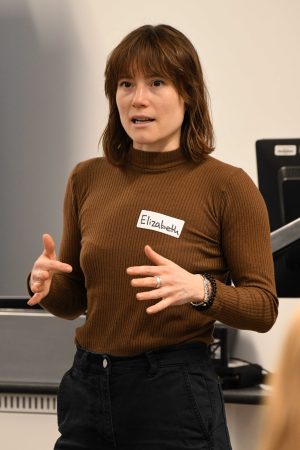
Elizabeth Lee, CEO of Carbon Cell

Third, equity must come first. Without affordability, infrastructure, and early collaboration with communities, innovations risk benefiting only those already in positions of advantage.

These themes were explored by industry and academic leaders including Elizabeth Lee, CEO of Carbon Cell; Nitin Premkumar, CEO of Miou; Vania Milkova, Delivery Manager at Octopus Energy; Professor Jason Hallett of Imperial College London, as well as contributors from Juto Bio and the Imperial student panel. Their talks spanned materials innovation, carbon utilisation, energy flexibility, and technology translation.

A recurring message is sustainability cannot be judged by invention alone, but by whether innovations can be adopted and sustained at scale. As Elizabeth Lee put it, “If you try to change the system by totally changing it, you might be biting off more than you can chew.” Meaningful progress often comes not from ideal solutions in isolation, but from solutions that work within real commercial and social conditions.

Imperial’s Commitment to Real World Impact

For Imperial, the symposium was a clear example of the university’s wider commitment to translating science into real-world impact. By bringing together bioscience, entrepreneurship, policy and systems thinking, the event highlighted how the MSc Bioscience Futures programme prepares students to connect innovation with real societal impact.


To learn more about the MSc Bioscience Futures and the postgraduate programmes offered by the National Heart and Lung Institute, please visit our Postgraduate taught website.


London Heart & Emerging Technologies in Cardiovascular Biology Symposium

On 30 April and 1 May 2026, Imperial College London hosted the London Heart & Emerging Technologies in Cardiovascular Biology Symposium at Scale Space, White City campus. The meeting brought together the long-standing London Heart Meeting, organised by Dr Catherine Roberts (City St George’s, University of London), Professor Duncan Sparrow (University of Oxford) and Dr Nancy Stathopoulou (University of Oxford), with the newly launched Emerging Technologies in Cardiovascular Biology Symposium, an initiative led by Dr Andreia Bernardo (Imperial College London) and Dr Nathan Palpant (University of Queensland). The two-day event featured talks, poster presentations and networking sessions, hosting almost 150 attendees from across the cardiovascular research community; we spoke to some of them about their experience.

This event was kindly sponsored by the British Heart Foundation and Imperial College London, as well as by Axion Biosystems, Axol Bioscience, iotaSciences, Nanion Technologies, Nikon, STEMCELL Technologies, Thermo Fisher Scientific, and ZEISS.


Terri Holmes

Senior Research Associate, University of East Anglia

I enjoyed giving my talk, entitled SNORD116 Modulates Cardiomyocyte Development and Metabolism Through Post-Transcriptional Regulation. I felt a little nervous in the lead up to it – and was glad I didn’t have to go first! – but I felt that it went well, and I received positive feedback. My main concern when preparing the talk was that the subject matter might be too niche, as the focus is on a multisystemic disease (Prader-Willi Syndrome) with cardiovascular involvement, rather than a cardiovascular disease specifically. I wanted to ensure it was balanced, so I included detail on the disease’s wider implications, which I think helped sell it.

I liked that I had twelve minutes to speak, rather than having to fit everything into a very brief slot, and the chairpeople, Nancy Stathopoulou and Richard Tyser, were effective and supportive. I was also asked some great questions in the Q&A section, including one from Christine Mummery, which was exciting as she is someone I really look up to. It was great to have the chance to chat to some senior scientists and PIs in my field at the networking session as well.

I was so impressed by the poster presentations, some of which were by master’s students which I thought was nice to include, as presenting at events like this is such a valuable experience for those in the earliest stages of their scientific careers. People rose to the occasion across the board, partly thanks to a real sense of equality and support for all attendees, regardless of seniority.

Jasmeet Reyat

Senior Postdoctoral Research Associate, University of Oxford; Visiting Researcher, NHLI

My talk, Human In Vitro Modelling of Immune-Cardiac Interactions in Ischemic Cardiac Disease, builds on inter-university collaborative research on the immune system in the context of ischemic cardiac disease, using a vascularised organ model to better understand the biological processes at hand.

From discussions I have had and the talks I have seen, it strikes me that our research community has come a long way in the development of modelling technologies used to investigate cardiac diseases. We are now in a time where the future of cardiovascular therapeutics relies on how well we can translate these models.

The environment at this event has been genuinely supportive, and I appreciate the balance of disciplines and the focus on emerging technologies. Presentations have been of a consistently high standard; I particularly enjoyed Christine Mummery’s keynote speech, and I also found Verena Schwach’s talk very interesting and pertinent to the current direction of the field.

Giulia Vargiu

Product and Applications Sales Specialist – Life Sciences at ZEISS Microscopy

I have been in touch with Imperial’s development team for a while now, and I also attended one of their events in March of this year, so it was nice to see some friendly faces at this event!

ZEISS, the company I work for, is a world-leading microscopy manufacturer, and this kind of event is invaluable because it brings us directly to the people who use our technology every day. The sense of community is so beneficial for us, and hopefully for the researchers too. I found the presentations on imaging research particularly interesting, as you might imagine, and they provided useful insights into the direction in which the field is going and how ZEISS might be able to help.

Several researchers I spoke to are looking to commercialise and wanted to know what support ZEISS could provide – I hope and expect these conversations to continue long after this event is over. There is so much potential in this community.

Verena Schwach

Assistant Professor, University of Twente

I felt my talk, A Human iPSC Derived Heart-Brain Microphysiological System to Model Neuro Cardiac Crosstalk, went well. I received some good questions, which was a relief as my field of work is often slightly different than that of the audience I am presenting to, but people were definitely intrigued. Some of them sought me out after I gave my talk and there are meetings in the pipeline as a result, which is exciting.

I travelled from Twente, in The Netherlands, and between the high quality of the talks I have heard and the productive conversations I have had, I can absolutely say that it was worth the trip. It’s always helpful to be connected to research and researchers here in the UK. London has great scientists!

Andreia Bernardo (Event Organiser)

Research Fellow, NHLI

I am so pleased with how smoothly the symposium has run. The standard of presentations, from ECRs to keynote speakers, has been remarkable and it has been great to be able to showcase the quality of the research happening in the field. We attracted scientists from across the UK and abroad, and we are so grateful that so many of them took the time to come to London and share their work. Everyone contributed towards making this event as exciting and successful as it has been, and I hope that the conversations shared here will have a lasting impact on this research community.

One of the most interesting facets of the symposium, for me, was the merge between developmental basic science and how this is being translated into innovations with real-world clinical and commercial applications. For example, Christine Mummery delivered a masterclass on drug discovery pipelines using human pluripotent stem cell derived cardiomyocytes. Meanwhile, Nathan Palpant, who was part of the organising team, came over from Australia to deliver a talk on how a novel peptide for treating myocardial ischaemia, which is now in phase I clinical trials, came from his research into spider venom. One of our selected ECRs speakers, Millie Fullerton, also delivered a fascinating talk describing the discovery of a novel genetic cause of dilated cardiomyopathy and demonstrating therapeutic rescue of mitochondrial abnormalities in a mouse model through vitamin supplementation.

We also had a dedicated session, ‘Funding the Pipeline’, where speakers from organisations including the British Heart Foundation and AstraZeneca came to share information on policy and opportunities for researchers interested in taking their work to market. This was followed by a panel discussion chaired by Shazad Malik from Advent Life Sciences, a venture investment company, who skilfully guided the conversation between entrepreneurs, venture capitalists, and business angels while actively engaging the audience in the discussion.

There are so many people and organisations that I would like to thank. We could not have hosted this event without support from our sponsors, who, in addition to providing crucial financial support, were deeply engaged with the research presented and showed real interest in organising more events like this in future, which was music to my ears. Their support meant that we could bring in researchers from universities from several other countries, expanding the horizons of the UK-based London Heart meetings that were the genesis of this symposium. I would also like to thank the team from Imperial – Lucy Payne, Katie Shakespear, and Nicola Ruivo – whose work behind the scenes helped the event to run smoothly. Scale Space was a phenomenal venue, too; thank you to the team there who hosted us, especially Harvey Sheehy who made sure we had no IT glitches. I also want to say a huge thank you to my fellow organisers: Catherine Roberts, Duncan Sparrow, Nancy Stathopoulou, and Nathan Palpant. And finally, of course, I would like to warmly thank all the attendees, who made the event such a pleasure to be a part of.

Early days of ITARA: perspectives from across three countries on integrating TB and respiratory care

ITARA is a four-year programme, funded by the National Institute for Health and Care Research (NIHR), which is using transdisciplinary research methods to develop novel approaches to integrate tuberculosis (TB) and respiratory care in Africa.

Project staff are based internationally, with researchers in Kenya, Tanzania, Nigeria, the UK, and The Netherlands coming together to develop renewed frameworks for integrated person-centred services for TB and respiratory patients across Africa.

ITARA staff are also pleased to work with charity organisations in this effort. Education for Health Africa is delivering targeted training to healthcare staff across participating sites, strengthening local capacity in respiratory diagnostics and providing ongoing expertise in quality assurance and the interpretation of lung function and related clinical tests. Additionally, Worldwide Radiology is contributing expert radiology services by interpreting chest X-rays, which allows us to gain valuable insights into key lung diseases affecting communities in Africa.

Here, a number of those working on ITARA – including NHLI’s Dr Jamilah Meghji, Dr Joshua Parker Allen and Nicola Yates – reflect on progress so far, and their hopes for the project.


Dr Jamilah Meghji

NHLI, UK

ITARA Co-lead

Our aim in ITARA is to understand how we might bring together tuberculosis and respiratory services to deliver truly person-centered care, in the African context.

This is a complex problem, that demands a genuinely multidisciplinary response. On the clinical side, we’re uncovering which chronic respiratory diseases are most overlooked. Our social science colleagues are investigating the lived experiences, economic implications, and potential pathways to coordinated patient care.

One of the most rewarding aspects of this work has been collaborating with three exceptional female clinical academic leads from our partner sites, an engaged multi-disciplinary team of co-investigators, as well as our PhD and post-doctoral colleagues. Together, we’ve been exploring how differences across settings influence care pathways and what this might mean for future implementation work.

My hope is that the careful, observational work we’re doing at this stage of the grant will lay the foundation for robust, context specific interventions – and that these will genuinely strengthen respiratory care and improve long term patient outcomes.


Dr Wanjiku Kagima

Centre for Respiratory Diseases Research (CRDR), KEMRI, Kenya

ITARA CO-I and Kenya site lead

I particularly value the transdisciplinary nature of ITARA, which allows us to combine clinical, social and health economics to solve complex health system challenges.

I want ITARA to provide a roadmap for integrated care. This may lead to a lasting shift in policy where ‘lung health’ is viewed as a single, integrated priority within national health strategic plans.


Dr Joshua Parker Allen

NHLI

ITARA Health Systems PDRA

I am the health systems lead, investigating what integrated respiratory care could consist of, what people think about it, and how it could be implemented.

I’m enjoying working with a team of such experienced clinicians and researchers who have so much to teach me. Likewise for the health systems research assistants, who have been fantastic contributors right from the start.

I hope that ITARA can encourage actors to consider complex health systems research and interventions as exactly that – complex, requiring deep contextual knowledge. Terms like integration get thrown around, but its potential to deliver improvements to people’s lives hinges on how it is deployed, who is involved, and what exactly it consists of (and why). I hope that ITARA can demonstrate that doing the slow and careful contextual research can lead to much better healthcare solutions – and better-described problems for them to solve.


Dr Adewale Ogundare

College of Medicine, University of Lagos, Nigeria

ITARA Clinical PhD student

The completion of investigations and sharing of results have contributed positively to the diagnosis and treatment for certain participants at the partner sites. Such outcomes are gratifying from a physician’s perspective.

Educating health workers about chronic respiratory diseases (CRDs) improves their awareness and can lead to better patient outcomes through early diagnosis and management.

As mentioned earlier, ITARA is already having an impact. The project is demonstrating the burden of CRDs; developing a framework for TB-CRD integration, as we have set out to do; and making a lasting improvement in chronic respiratory disease care at the partner sites after study completion.


Dr Nora Engel

Athena Institute, Vrije University, The Netherlands

ITARA CO-I and Qualitative research lead

I am leading the social science work across ITARA and support the qualitative and health system work packages.

I really enjoy the ambition and commitment by all the ITARA partners to work in a multidisciplinary and transdisciplinary manner, involving societal actors in co-creation of frameworks and tools. This is not easy but necessary to tackle such a complex problem as chronic respiratory disease and care integration which has biomedical, socio-political, environmental, public health and economic dimensions to it.

Approaching this from a systems, multidisciplinary and multi-actor perspective is essential and is paying off in various ways, including the type of knowledge and insights and additional research questions being generated, the mutual benefit in terms of capacity strengthening within the teams and the strengthened ability of all of us to look and think beyond our own disciplinary or institutional boundaries.

ITARA can deliver knowledge on chronic respiratory disease epidemiology, patient and provider experience and economic implications, on avenues for integration with existing care and health systems, and on frameworks of how to adapt approaches to chronic respiratory disease to specific contexts.


Professor Stellah Mpagama

Kibong’oto Infectious Diseases Hospital (KIDH), Tanzania

ITARA CO-I and Tanzania site lead

I am serving as the local PI for ITARA, ensuring study is implemented according to good clinical practice in Tanzania.

ITARA is a truly multidisciplinary project, and I greatly enjoy the process of linking and triangulating findings from clinical, social science, and economic components. I also value the continuous reflection and engagement within the team, as well as with external stakeholders, which together embody the essence of real implementation research.

The ITARA initiative will provide practical solutions for many low and middle-income countries (LMICs) on how to effectively organize and implement integrated care for tuberculosis (TB) and chronic lung disease (CLD). While significant progress has been made at the policy level, there remains a critical gap in translating these policies into practice. ITARA aims to address this gap by offering a practical implementation guide to support countries in operationalizing integrated TB and CLD services.

For example, Tanzania has already taken an important step by incorporating lung health into its national TB program. Building on such advances, ITARA will provide the ‘how-to’ guidance needed to strengthen and scale these efforts, ultimately accelerating the integration process in LMIC settings.


Elizabeth Joekes

Worldwide Radiology, UK

Contributing to better integrated care of patients with lung diseases in Africa is exactly the kind of work that Worldwide Radiology is all about. Using Chest X-rays to their full potential to learn about key lung diseases in Africa, beyond TB. We are very excited to partner in this project and contribute Radiology expertise.


Professor Jason Madan

Warwick Medical School, Warwick University

ITARA CO-I and Health Economics lead

I am a health economist based at Warwick Medical School in the UK. I am an ITARA co-investigator and also mentor a health economist who is completing a PhD in the health economics of integration, based on our work in ITARA.

This has been a very rewarding and stimulating project to work on. I have enjoyed learning more about the practicalities of lung health care in Kenya, Tanzania, and Nigeria. It has been a pleasure working alongside colleagues from different backgrounds and sharing our perspectives on how to improve care.

I hope and expect that ITARA will identify ways that integrating care can improve the lives of people with chronic lung disease, and those of their families. The ITARA health economists aim to contribute by highlighting how integration can be made affordable and how enhancing care can protect people financially as well as medically.


Professor Obianuju Ozoh

College of Medicine, University of Lagos, Nigeria

ITARA Co-I and Nigeria Site lead

I am enjoying seeing how capacity is being strengthened among the PHC staff and the research staff. I am also enjoying the nurturing environment we are creating for the ECR and the research staff. Additionally, I am enjoying overseeing the data collection process.  The study set makes it easy to monitor and identify errors early. I’m enjoying working with the management team and the equitable and transformation partnership that we have all established.

ITARA can increase awareness for CRD among healthcare workers and the general population and foster considerations on how these services should be delivered.


Yusufu Kionga

KIDH, Tanzania

ITARA Qualitative PhD student

I am a PhD student and social scientist working within the ITARA programme, focusing on understanding how patients, communities and healthcare providers perceive and respond to respiratory exposures, symptoms, and diseases, and co-development of person-centered tools for integrated TB and respiratory care.

What I enjoy most about ITARA is its strong spirit of teamwork and collaboration. The programme fosters meaningful engagement among Early Career Researchers (ECRs) and overall team, encourages knowledge sharing across disciplines, and provides excellent supervision and support. As a student, I greatly value the guidance and mentorship from supervisors, as well as the collaborative environment that allows us to learn from each other and grow together.

ITARA aims to establish a comprehensive framework for integrating tuberculosis (TB) and chronic respiratory diseases (CRDs) within the TB care cascade. The programme has the potential to strengthen health systems by improving early detection, care pathways, and patient-centered management of respiratory conditions. I hope ITARA will contribute to more accessible, responsive, and sustainable respiratory care, ultimately improving health outcomes and quality of life for affected communities.


Idah Kinya

CRDR KEMRI and Strathmore University, Kenya

ITARA Health Economics PhD Student

My work focuses on understanding the economic burden faced by people with presumptive TB, alongside the costs incurred by health systems in diagnosing respiratory conditions. But this work goes beyond numbers and models, it is about real people making difficult choices: between seeking care and paying school fees, between buying medication and putting food on the table.

One of the things I enjoy most about ITARA is its truly transdisciplinary nature. Working alongside clinicians, qualitative researchers and health systems experts means we approach the same problem from different angles. Clinicians understand the diagnostic challenges, qualitative researchers capture lived experiences, and I translate these into economic realities. Together, we are not just studying disease, we are studying people, systems and the realities in between.

I hope ITARA helps shift the conversation from disease-specific care to integrated, patient-centered care. Through the health economics work, we aim to generate evidence on the true economic burden of chronic respiratory diseases, highlight the resource implications of integrated care, and develop frameworks that guide decisions on what works, for whom and at what cost.

Ultimately, I hope our work contributes to health systems that do not stop at ruling out TB, but also go further to ensure every respiratory patient receives appropriate, affordable and timely care.


Nicola Yates

NHLI, UK

ITARA Programme Manager

I am the Programme Manager, working closely with three enthusiastic Project Managers based in Kenya, Tanzania and Nigeria to ensure the successful delivery of the ITARA Programme.

I enjoy observing and supporting the relationship development between the partners, and their engagement with stakeholders and community members, each bringing their own expertise and knowledge to the project.

The ITARA team, which consists of members from various disciplines and levels of expertise, has consistently encouraged an open exchange of knowledge, ideas, and opinions since the beginning of the programme. I believe this approach has enabled diverse perspectives and lived experiences to guide the programme, ensuring that the observational studies and research will lead to the development of practical and suitable solutions.


Okocha Richard Obinna

College of Medicine, University of Lagos

ITARA Qualitative Research Assistant

I am a social scientist for the Nigeria site of the ITARA project based at the University of Lagos, where I contribute to the Health Systems Work Package. My role primarily focuses on health system mapping, a critical component of understanding how care is delivered and how it can be strengthened.

In Lagos, I have been actively involved in mapping healthcare delivery across key facilities, including Ayantuga PHC, Palm Avenue PHC, Mushin General Hospital, as well as the DOT Unit and respiratory clinics at LUTH. Through this work, I engage closely with providers and stakeholders to understand patient pathways, service coordination, and the structural realities of care. This process has been both insightful and rewarding, as it provides a real-world view of how TB and chronic respiratory diseases (CRD) services currently operate.

What I find most meaningful about ITARA is its strong commitment to integrating TB and CRD care to optimize service delivery. In a context like Nigeria, where health systems are often fragmented, this integrated approach has the potential to significantly improve patient outcomes and efficiency of care.

I also value the collaborative nature of the project. Working alongside colleagues such as Josh Parker Allen and the qualitative research teams from Kenya and Tanzania, including Irene Agot and Esther Mokoro, has enriched my perspective and strengthened cross-country learning. The guidance and support from Professors Ozoh and Adewale Ogundare have also been instrumental in ensuring smooth implementation at the Nigeria site.

So far, my experience on the project has been very positive, with no major challenges encountered. I am optimistic about the impact ITARA aims to achieve and proud to contribute to a project that is shaping the future of integrated respiratory care.


Joy Obasi-Ehirim

College of Medicine, University of Lagos

ITARA Project Manager, Kenya

In my role as the Project Manager at the Nigeria site, I support the coordination of activities at the site. I work with the team to organize trainings, manage day-to-day implementation, and ensure good communication between everyone involved in the project.

What I really enjoy about ITARA is the focus on teamwork and community engagement. It’s encouraging to see how the project is trying to make real improvements in patient care at the primary healthcare level.

One of the challenges has been retaining participant involvement throughout the study, especially for follow-ups. However, it has pushed us to think of better ways to engage participants and keep them involved.

So far, my experience has been very positive, and I believe the project can make a real difference in improving respiratory care and early TB detection. ITARA is a timely project that addresses major health gaps in respiratory care. Linking TB with other chronic respiratory disease ensures holistic care and support for patients who often face such conditions.


Cynthia Marcillinus

University of Lagos

ITARA Clinical Coordinator, Nigeria

The challenges I have experienced include stigma around TB, which causes some patients to avoid testing or drop out of treatment. Some participants require extra patience and long convincing before they can participate. We have also come up against delayed diagnosis at health centers, due to reduced knowledge on disease process.

On the more positive side, I have learnt from other team members from different health care systems by observing their approach to service delivery. Working on ITARA has helped me to understand the importance of developing a good relationship with the community workers and participants too.

You can find out more about ITARA on their project webpage.

Reflections on the 22nd International Vasculitis Workshop

“It was remarkable to see how my work resonated with others and stimulated meaningful academic dialogue.”

Annie Alocious, a fifth-year medical student at Imperial College London, recently received the Justin Mason Travel Grant from NHLI to present her First Class BSc project (completed at NHLI last year) at the International Vasculitis Workshop two weeks ago. Here, she shares her reflections on traveling internationally to share her work for the first time.


I am deeply grateful for the support of the Justin Mason Memorial Fund, which enabled me to attend the 22nd International Vasculitis Workshop in Melbourne, Australia from February 21–25, 2026. I presented my intercalated BSc project, awarded First Class Honours, titled “Impact of immunosuppression on collateral formation in Takayasu arteritis”. This opportunity proved to be a profoundly enriching experience, both personally and professionally.

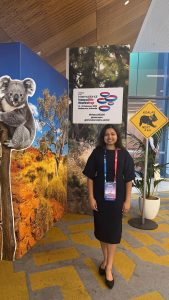
I never imagined that my journey as a medical student would take me across the world, and visiting Melbourne for the first time was a highlight. In my short time there, I experienced the unique beauty of Australia, from kangaroos and koalas to witnessing the little penguins native to Melbourne’s Phillip Island. This vibrant setting made the professional milestone even more memorable.

This conference marked my first oral presentation at an international meeting, representing a pivotal moment in my academic journey. Having dedicated the past year to my research, often working in isolation and sharing updates mainly with my supervisors, I found it both daunting and exhilarating to present my findings to a global audience. I remember taking a deep breath before looking out at the room of over a hundred attentive faces. Their encouraging smiles and photographs they took of my slides felt like a validation of the work’s significance, strengthening my confidence not only in public speaking but also in the academic rigour of the project itself.

After the presentation, clinicians from around the world stood to offer their perspectives, sparking thoughtful discussions that broadened my understanding of a subject I had previously considered niche. It was remarkable to see how my work resonated with others and stimulated meaningful academic dialogue. I was also honoured to contribute to asubsequent panel discussion among leading researchers in the field.

The opportunity to meet and learn from renowned experts, many of whose names I recognised only by their publications, was invaluable. It was a privilege to speak with several of Professor Mason’s colleagues and friends, who fondly recalled his character and expressed admiration for his contributions. Similarly moving was the connection with patient representatives from Vasculitis UK, who emphasised the real-world impact of our research. These conversations echoed my experience the previous year at Hammersmith’s Large Vessel Vasculitis clinic, where I had met many patients who had been under Professor Mason’s care.

I remain especially thankful to Professor Mason, whose legacy endures through the mentorship of my supervisors, Dr Taryn Youngstein and Dr Andrew Porter. Their guidance, which began during my BSc project and continued through this presentation, has been foundational to my development. I am certain that their supportive and insightful approach reflects Professor Mason’s own dedication to teaching and nurturing future clinicians and researchers. This generous travel grant, awarded in his name, covered essential costs including flights, accommodation and conference registration.

This experience has inspired me and solidified my desire to pursue a career in academic medicine. The encouraging reception of my work has further motivated me to continue this project and pursue its publication as my debut first-author paper. Being exposed to leaders across rheumatology, vascular medicine, cardio-immunology and other specialties highlighted the vital role of interdisciplinary collaboration and provided much to reflect on as I weigh my future specialty path. Above all, it renewed my belief in the importance of remaining curious, engaged and dedicated to research that tangibly improves people’s lives.

Celebrating Women at NHLI

At NHLI, we seek to foster an inclusive, equitable and supportive environment for all who come through our doors.  

To mark International Women’s Day (8 March) and Women at Imperial Week (9-13 March), we spoke to several women across NHLI who were nominated by their colleagues for the impact they make and the inspiration they provide. 

 Jo Feary, Senior Clinical Research Fellow 

I lead a team who deliver high-quality, cutting-edge research in occupational lung diseases and am regarded as an international and national expert in the field. The aspect I enjoy most about my work is the direct relationship between my research, how it impacts on clinical care and how it influences policy across the globe. 

Asha Patel, Associate Professor in Advanced Therapies 

I lead a dynamic research team exploring next generation nucleic acid therapeutics. Currently, we are developing innovative polymer and lipid nanoformulations of mRNA encoded proteins to restore tissue homeostasis. One of the most rewarding parts of my job is bringing together a diverse, talented group of scientists whose unique experiences and perspectives spark creative solutions to complex challenges. We’re all driven by a shared passion for transforming these discoveries into real world impact. 

Nicola Ruivo, Section Manager 

As a Section Manager at NHLI, I am committed to building strong and trusting working relationships through a personable approach, creating an environment where academics, researchers and students feel supported and confident. By combining operational excellence with a collaborative mindset, I ensure the support I provide is of the highest standard and contributes meaningfully to the success of research initiatives. 

Kushalinii Hillson, Clinical Research Fellow 

I am a paediatric respiratory doctor, currently doing a PhD in developing non-invasive tests that can be used to target treatment in preschool wheeze. At present, treatment for recurrent preschool wheeze is purely by symptoms reported by parents. I enjoy my research as it involves working with preschool children with recurrent and severe wheeze, who have significant symptom burden. This also has a direct and indirect impact on their parents, their wider family, as well as on their quality of life. I undertake several bedside tests when they come into clinic and follow them up over the course of a year, which is highly satisfying. I have had the pleasure of getting to know these children and their parents, gaining their trust, and getting to know them well, over the course of their follow up. Preschool wheeze remains poorly managed, and an under-researched area, due to the perceived difficulties in undertaking tests in very young children, even though these children account for most acute childhood asthma presentations. It is humbling to see the level of engagement of parents and children in research, to help advance our knowledge in this field, to improve management in the future. 


Alicia D’Souza, Associate Professor in Cardiac Electrophysiology 

At NHLI, I lead a research group studying the biology of the heart’s natural pacemaker and conduction system. What I enjoy most is the collaborative environment and the opportunity to support the next generation of scientists while working on research that has real potential to improve how we understand and treat heart rhythm disorders. 

Jamilah Meghji, Clinical Associate Professor in Respiratory Medicine 

My work sits between TB and respiratory research. I am interested in understanding the lasting impact of TB disease on lung health, and much of my work describes the burden and impact of post-TB lung disease in Africa. We have now started to look at this in the UK, which is an exciting new focus. I am also investigating how we might deliver integrated TB and respiratory care in Africa, through collaborations in Kenya, Tanzania and Nigeria – this work aims to make clinical care more person-centred and offers important opportunities to improve patient outcomes. 

My research involves collaborating with peers and students from around the world, across cultures, and across research methods. This breadth can be challenging but means that I am always learning and developing, and I really value this about my work. 

Eleanor Tucker, Division Manager 

Happy International Women’s Day. I’m one of a team of four Divisional Managers in NHLI. What I enjoy most about my role is knowing that I’ve made a painful bit of university administration slightly easier for our staff and students. My overall experience of working in NHLI over many years is that it’s a department made up of exceptionally hardworking, ambitious, but also kind and altruistic people. It turns out, I’m very fond of the people I work with! 

Hime Gashaw, Laboratory Manager

I have worked in various sections within NHLI, starting as a Research Technician and progressing to Lab Manager. Over the years, I’ve learned so much from the wonderful women around me and have truly valued being part of such a supportive environment. As a mother and a lab manager, it’s especially meaningful to work somewhere that encourages women in science and provides opportunities for growth and leadership. I have brought my daughter in during the “bring your kids to work” experience, where she met many inspiring women leaders from across Imperial. I hope it showed her – and others – that women can thrive, lead, and make a real impact in research.


Across NHLI, women contribute their expertise at every level, shaping our research, education and professional services, helping build a community grounded in collaboration, compassion and excellence. Our commitment to equality is also reflected in NHLI’s ongoing work through the Athena Swan framework, which guides our efforts to create a fair, inclusive and supportive environment for all. 

This includes colleagues in senior leadership roles such as our Head of Department, Professor Barbara Casadei, and division leaders Professor Clare Lloyd, Professor Jane Mitchell and Professor Wisia Wedzicha. Their leadership, along with the contributions celebrated in this piece, sustains the vibrant and inclusive environment we are proud to recognise today. 

Dr Adela Constantinescu-Bercu on life as a Postdoctoral Research Associate

“The ability to present complex findings in a structured and accessible way is fundamental to advancing science.”

Dr. Adela Constantinescu-Bercu is an MRC-funded postdoctoral research associate at the NHLI, currently investigating the effects of Von Willebrand Factor (VWF) on vasculature as part of Professor Anna Randi’s research group. She has presented her research at a number of conferences, including the International Society for Thrombosis and Haemostasis (ISTH) Congress in Washington DC, US, the GRC in Vascular Cell Biology in Maine, US, and the BIC International Conference in Padua, Italy, and recently saw her work published in Blood.

We spoke to Adela about her research, her experience at Imperial, and what she has learnt in her time as a postdoctoral fellow.


What is Von Willebrand disease, and what is the focus of your current research into it?

Von Willebrand Disease (VWD) is the most common inherited bleeding disorder. It occurs when there is either a deficiency of Von Willebrand Factor (VWF), or when its function is affected. Patients with VWD can present vascular abnormalities (angiodysplasia) in the gut, which leads to gastro-intestinal bleeding – a major unmet need in these patients, as this often does not respond to conventional therapies.

VWF plays a crucial role in haemostasis, preventing us from bleeding during vessel injury. Our lab has previously shown that VWF also regulates angiogenesis (the formation of new blood vessels from existing ones). My research focuses on understanding how VWF affects angiogenesis with the aim of identifying new therapeutic targets for angiodysplasia in VWD. As part of my MRC postdoctoral project in Professor Anna Randi’s lab, I developed a vascularised ‘gut-on-chip’ model to study angiodysplasia in VWD. This is a personalised approach using patient-derived endothelial cells called ECFCs and revealed that patients lacking VWF present vascular remodelling defects that can be corrected with an anti-angiogenic drug, against angiopoietin-2.

Do you have any morning rituals to set you up for the day?

My mornings are largely structured around my daughter, who is in Year 1. Preparing her for school, having breakfast together and talking about the day ahead are central to our routine. It is safe to say she knows a lot more about blood vessels that other 5-year-olds do!

Once I drop her off at school, I start my workday properly. I take a few minutes to review my own priorities, look over the experiments planned and any deadlines pending. This brief moment of reflection helps me transition into work with clarity and focus.

Do your working days follow a similar pattern, or are they quite varied?

There is a general rhythm to my week, but my days are quite varied. Some are spent in the laboratory running experiments, or supervising Masters students. Others are focused on data analysis, writing or meeting collaborators. We also have weekly group meetings as well as section meetings where we present our results, engage in interesting discussions and receive constructive feedback. I also regularly attend webinars or seminars led by internationally recognised researchers, organised by NHLI, and participate in national and international conferences.

The multi-disciplinary aspect of this project also included a more unique start. I began working on this project by moving to Milan, to join our collaborator’s laboratory at Politecnico di Milano. Here I worked with Professor Marco Rasponi, in the Bioengineering Department, learning how to design and produce the microfluidic organ-on-chip devices I then implemented at Imperial. I was there for 3 months, which proved to be an adventure not only due to the steep learning curve of a field I never worked in before (bioengineering), but also from a personal perspective, as I moved there with my husband, daughter (who was 3 years old at the time) and dog. It was a true team effort, which proved to be very rewarding, culturally and professionally.

What do you enjoy the most about being part of Professor Anna Randi’s research group?

What I value most about being part of Professor Randi’s research group is the combination of high scientific standards and a genuinely collaborative atmosphere. There is a strong emphasis on critical thinking, and discussions are both rigorous and supportive. Group meetings and one-to-one discussions are spaces where ideas are encouraged and challenged, so that these are strengthened and refined. I also really enjoy the highly collaborative environment, which facilitates a multidisciplinary approach to the research.

Professor Randi’s mentorship is also essential, given her genuine investment in the professional growth of everyone in the group. I have greatly benefited from her guidance regarding my long-term career development, particularly this year, when I am preparing to apply for my first fellowship. I consider her a role model for the researcher I hope to become. Being part of her group has shaped both my scientific perspective as well as my aspirations as a researcher.

What are the next steps in developing the vascular “organ-on-a-chip” model?

The next steps for the vascularised ‘gut-on-chip’ focus on increasing its physiological relevance and experimental robustness. Our immediate priority is to refine the system so that it more closely reflects the gut microenvironment. This includes integrating intestinal epithelial cells to recreate the interface between the epithelium and underlying vasculature, enabling us to study the crosstalk between epithelial and endothelial cells.

In parallel, we aim to introduce controlled mechanical stimulation to mimic peristalsis. This work in progress is achieved using an actuation pump to recapitulate the dynamic conditions of the intestinal environment and study how mechanical cues influence vascular integrity and tissue homeostasis.

The long-term goal is to also establish a reliable platform for translational research, which can be used to study disease mechanisms and assess potential therapeutic strategies in a system that more closely reflects physiological conditions.

Why is this research important to you, and what do you hope it could achieve?

This research is particularly meaningful to me because it connects fundamental vascular biology with real clinical implications. A deeper mechanistic understanding of the link between VWF and vascular abnormalities not only has the potential to refine the management in VWD, but also to inform broader vascular and haemostatic disorders where endothelial dysfunction plays a central role.

What are the most important things you have learnt from presenting and publishing your research?

One of the most important lessons I have learnt is that clear communication of the data is crucial. The ability to present complex findings in a structured and accessible way is fundamental to advancing science.

Presenting my work at conferences and seminars has also shown me how valuable networking is. Meeting experts from all over the world has led to new ideas, fresh perspectives and, in some cases, the beginning of new collaborations. The informal conversations after a talk or during a poster session are very important, especially at a career stage where developing an international network can shape future projects and opportunities.

The peer-review publication process has taught me resilience and openness to feedback. Constructive feedback strengthens the quality of the research and often provides perspectives that improve the final work. Publishing feels not like an endpoint, but rather like contributing to an ongoing scientific conversation.

Trialling Nalbuphine ER as a treatment for Cough in Idiopathic Pulmonary Fibrosis: An interview with Professor Philip Molyneaux

“Finding a specific treatment for chronic cough in IPF could have a huge impact on patients’ lives.”

Philip Molyneaux is Professor of Interstitial Lung Disease at the National Heart and Lung Institute, the Asthma + Lung UK Chair of Respiratory Research, and Director of the NIHR Clinical Research Facility at the Royal Brompton Hospital, where he is also a Consultant in Interstitial Lung Disease.

We spoke to Professor Molyneaux about his ongoing research into the treatment of cough in Idiopathic Pulmonary Fibrosis (IPF), after the conclusion of a successful phase two trial.


Can you summarise your research and what you found in plain language?

We have been trialling a new drug, Nalbuphine ER, for the treatment of cough in patients living with Idiopathic Pulmonary Fibrosis (IPF). IPF is a scarring lung disease and around 80% of people with the condition suffer with chronic cough. This worsens their quality of life and currently there are no treatments available.

We recently ran a phase two clinical trial, in which 165 IPF patients with chronic cough were either given one of three different strength doses of Nalbuphine ER, or a placebo, for six weeks. We recorded the number of coughs-per-hour in each patient over the first and last 24 hours of the study and found that the cough count dropped across all three doses of the drug compared to the placebo, with the strongest dose proving to be the most effective. We also asked patients about their own perception of the rate and severity of their cough; those taking the two stronger doses of the drug noticed a significant decrease in their symptoms.

“Our research shows that the mechanisms we are targeting improve cough, helping us to gain a deeper understanding of IPF and its symptoms.”

Why is this research important? What problem does it address? 

Finding a specific treatment for chronic cough in IPF could have a huge impact on patients’ lives. Current treatments are simply borrowed cough treatments for other respiratory conditions. They are often ineffective and trialling them wastes time – something which is in short supply when it comes to IPF, which has a life expectancy of only three and a half years. 

Previous studies have shown that cough has a detrimental effect on the lives of patients with IPF. It can contribute to anxiety and depression, as well as causing incontinence and even blackouts. Plus, in the aftermath of the Covid-19 pandemic, coughing has been socially stigmatised. All these things can threaten IPF patients’ quality of life, which is why finding a disease-specific treatment is so important. 

What are the most significant findings or outcomes? 

Our trial, which recruited at the Royal Brompton Hospital’s Cardiorespiratory clinical research facility, is the first positive head-to-head placebo-controlled study into IPF cough. It shows that there is potentially a treatment which could improve IPF patients’ quality of life, as opposed to simply slowing down the progression of the disease. We hope that Nalbuphine ER could become a useful treatment for IPF cough, but more research is needed to confirm this, and to check the drug’s long-term safety.  

How might this research impact policy or the public? 

Policy, as all medical researchers will know, must change when a new drug is approved. Nalbuphine ER is a drug that has been used previously, as an injectable post-operative painkiller; our version is in a tablet format, with a different indication. If Nalbuphine ER is approved as a treatment for IPF cough after a phase three trial, treatment guidelines would hopefully change rapidly as there are no other options.  

When it comes to the public, cough takes up a lot of healthcare resources, including some people might not expect, such as occupational and speech and language therapists. If IPF patients’ coughs improve, these finite resources will be freed up for others who may need support. 

How do these findings advance knowledge or practice in your field? 

Our research shows that the mechanisms we are targeting improve cough, helping us to gain a deeper understanding of IPF and its symptoms. While this is crucial as it gives us clues into how IPF cough works and how it can be best treated, there are still many questions to ask. 

We are unsure whether Nalbuphine ER will work for all patients with IPF and cough. We don’t know if reducing cough can slow disease progression, nor do we know why some IPF patients cough more than others; perhaps this knowledge will arise tangentially from the work we are doing. Moreover, we are currently only looking at idiopathic pulmonary fibrosis, so there is a possibility that Nalbuphine ER may work for those living with non-idiopathic or familial pulmonary fibrosis too. 

Does your work tie into any wider research? 

There is so much great research happening around the impact of cough and whether it is the same across all fibrotic lung diseases. From what we can tell, it seems to be very similar to IPF, which suggests that Nalbuphine ER could be used to treat cough in a range of respiratory conditions. 

We would also like to look at whether cough comes from the brain, the nerves, or the lungs by conducting MRI scans to observe what happens in the brain when someone is coughing and examining lung volume changes in people with chronic cough. 

What are the next steps? 

The next step is a phase three trial, looking at a larger patient population for a longer duration to ensure the benefit is sustained. We are hoping to start this study later this year.  

Connecting with patients and learning from the experts: Inside Imperial’s Medical Ultrasound MSc

“Learning a new skill in the medical field in 12 months sounded ridiculous, but it’s achievable if you put in the work.”

Balancing academic study with networking and even running a university society, we speak to Shahd Najjar about her experience on Imperial’s Medical Ultrasound (Vascular) MSc.

The Medical Ultrasound (Vascular) MSc gives students the opportunity to explore the scientific theories of medical ultrasound, before developing their skills on a placement in a hospital department.

Shahd tells us about what she learned from her time studying the course, and offers advice to prospective students.


Could you tell us a bit about yourself and what brought you to Imperial? 

I am an international student from Saudi Arabia. After finishing my BSc in Neuroscience, I was a bit lost and noticed that my degree lacked practice and actual life skills; I had only gained theoretical knowledge. The MSc course at Imperial was interesting, top-rated and more importantly, gave me hands on experience. 

What inspired you to pursue an MSc in Medical Ultrasound? 

Medical Ultrasound is an amazing for diagnosis and pre-surgical planning. The amount of knowledge that can be acquired through one scan is baffling.  

What have been the most valuable skills or knowledge you’ve gained from the course?  

During my hands on work with the NHS, I had the amazing chance to connect with patients, speak to them and perform scans. 

What is the most important thing you learned from Dr Mohammed Aslam, the course director? 

I observed him work for a full shift, skipping his lunch hours just to make sure patients are not waiting for too long in the waiting room. He makes sure that each scan is thorough, precise, and all the requirements of a scan are met. His work ethic is amazing and should be learned from – no matter how tired he is, he gives 100% to patients and not only that, he is so dedicated to his students.   

Were there any particular modules, projects, or experiences that stood out to you? 

One great thing was attending so many conferences during this degree. Talking to professionals and innovators in the field gave a real taste of the job and helped me in shaping my future career plans. 

How do you see this course influencing your future career or educational path? 

I’ve learned a lot, talked to a lot of people, and connected with NHLI community. I attended a workshop with Dr Barbara Casadei; it was amazing to have the opportunity to speak to her and learn about her plans. 

What have you gained from your time at Imperial, professionally, academically, and personally? 

Learning a new skill in the medical field in 12 months sounded ridiculous, but I have realised that learning something new and developing new skills is achievable if you put in the work. 

Has anything surprised you about the course or your time at Imperial? 

I was surprised to see that a work-life balance was achievable. I never thought I could have a nine-to-five job, but it was not that bad! Studying and working also seemed farfetched, but I travelled to Europe and fun created memories alongside achieving my academic goals. I also led the Saudi Society at Imperial where me and my team held great activities and had a lot of fun doing so. I was very involved in my university experience, as well as doing great academically.

What advice would you give to future students considering this course? 

Have fun, work hard and never be embarrassed to ask for help. Another important point is get involved and make connections – it is a great gateway to opening up y

our mind. 

How did founding the Saudi Society at Imperial shape your experience here? 

When I first went to the welcome week at Imperial, I was amazed to see that the Saudi Society was inactive, especially since the Saudi community at Imperial is large. I re-founded it and took responsibility by hiring and leading a team. It was very stressful; however, it is such an amazing feeling to lead a group, and now I can still see it thriving! 

What does being part of a diverse academic community mean to you? 

It’s truly inspiring to see different age groups, different cultural backgrounds and academic backgrounds. I learned a lot by speaking and connecting with people. The variety of age groups was especially beneficial to me, as I have learned a lot from the older generation. They had great advice and wisdom. 

What’s next for you? Are there any exciting projects or opportunities you’re currently working on or planning to pursue? 

Yes! I’m working on a patent and founding my own health tech company. Working at the NHS, looking at patients and looking at the problems sparked an idea, although I regret not knowing about Imperial’s great programmes which help start-up companies. So, I advise future students to make use of all resources that Imperial has to offer. I’m doing great things and I’m thankful to Imperial and the NHLI for the opportunity to tell more people about my experience and create connections.  


Find out more about our Medical Ultrasound and other MSc courses.