Imperial Symposium Reveals What It Really Takes to Build Sustainable Biofutures
Written by Havanna Ho, MSc Bioscience Futures student 2025/26
By bringing together bioscience, entrepreneurship, policy and systems thinking, the event highlighted how the MSc Bioscience Futures programme prepares students to connect innovation with real societal impact.
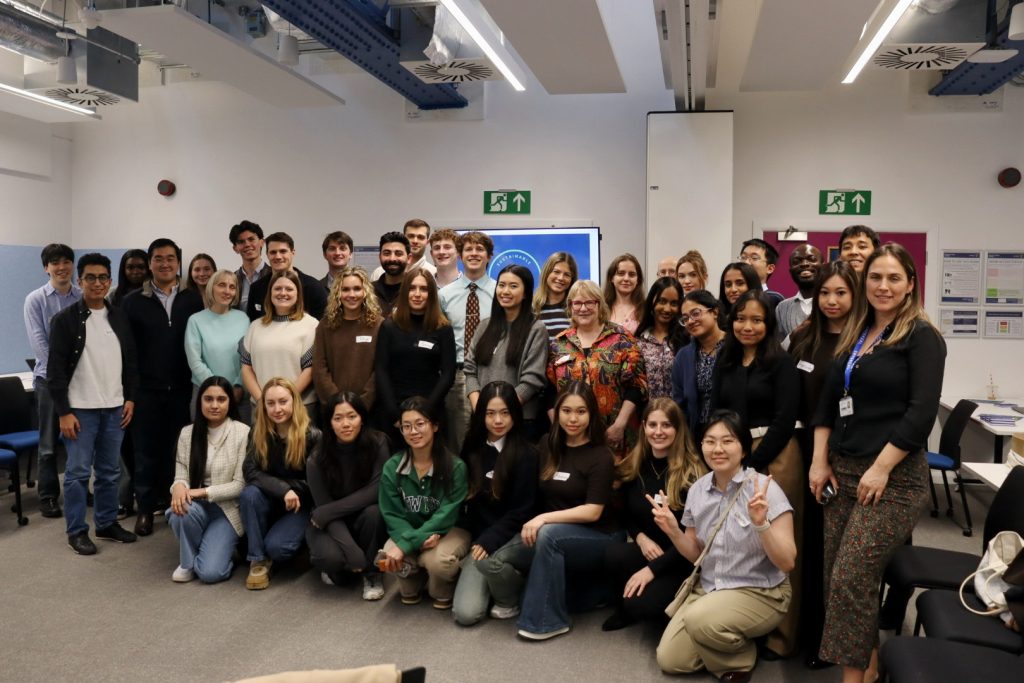
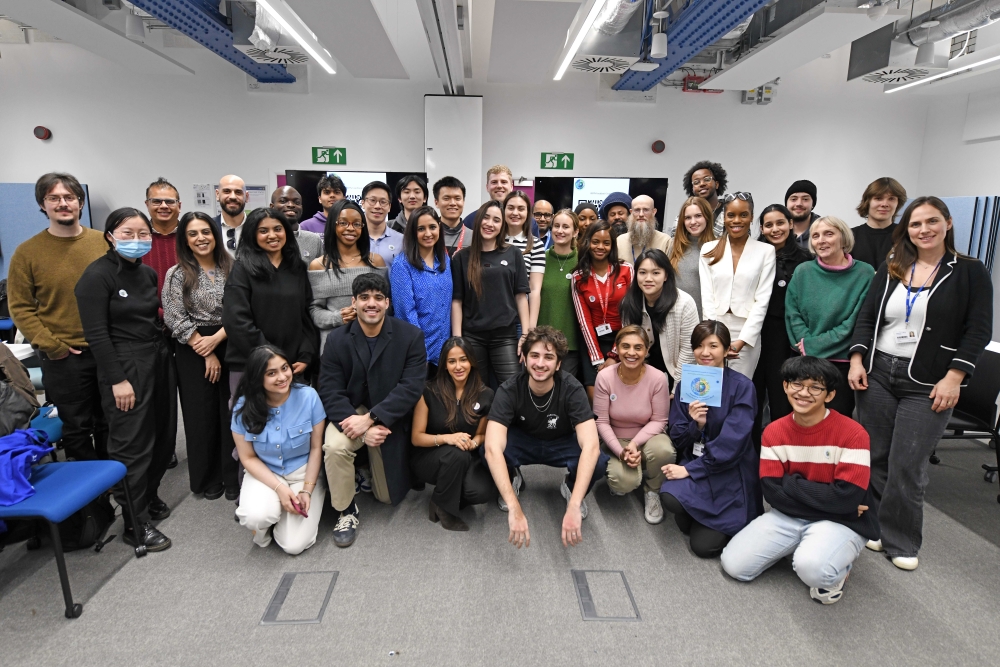
The Bioscience Futures Symposium, held at Imperial College London on 10 March 2026, brought together around 50 attendees, including MSc Bioscience Futures students, external guests and invited speakers, to explore a pressing question for the future of bioscience: What will it actually take to make sustainable innovation work in the real world? The event this year centred on the theme “Sustainable Biofutures: Still Not Hot Enough For You?”.
Innovation Requires More Than Science
Across the day, it was clear that innovation alone is not enough. For sustainable bioscience to succeed, solutions must be scalable, affordable and fit within existing systems. The symposium showed that adoption depends on economics, behaviour, infrastructure and policy.
Key Takeaways from Industry Leaders
Three key takeaway messages emerged from the symposium: First, work with existing systems. Sustainable innovation is more likely to scale when it adapts to current infrastructure rather than attempting to replace them entirely.
Second, incentives matter. As Vania Milkova of Octopus Energy noted, “It’s a win-win, customers really like that one, no surprise.” Sustainable change succeeds when it is easy, attractive, and beneficial to those expected to adopt it.
Third, equity must come first. Without affordability, infrastructure, and early collaboration with communities, innovations risk benefiting only those already in positions of advantage.
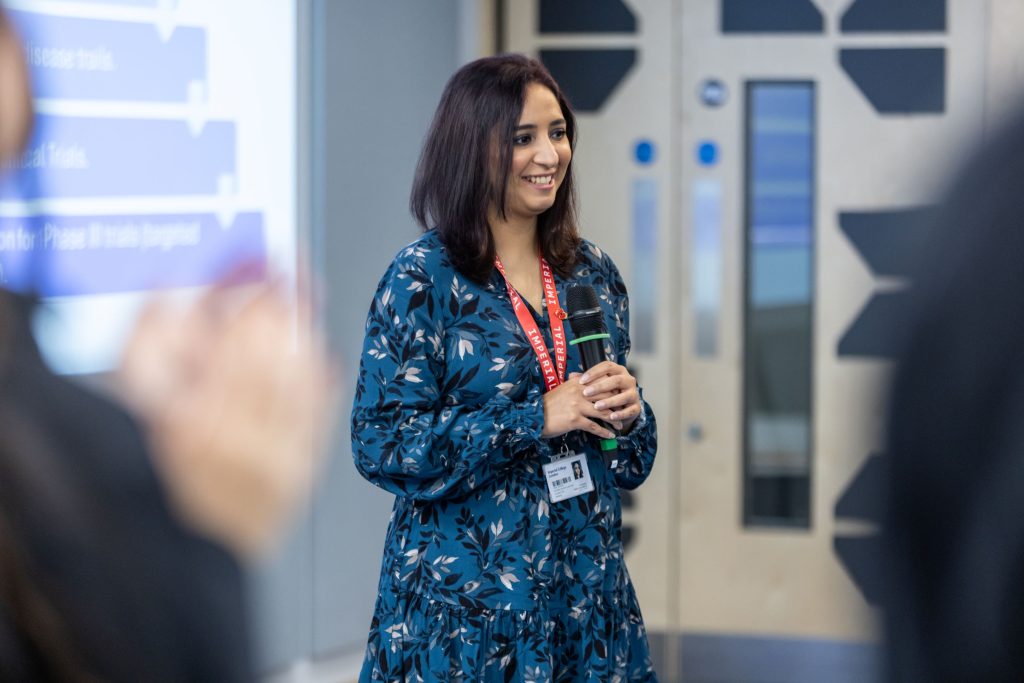
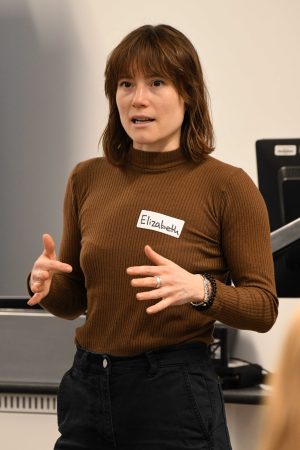
These themes were explored by industry and academic leaders including Elizabeth Lee, CEO of Carbon Cell; Nitin Premkumar, CEO of Miou; Vania Milkova, Delivery Manager at Octopus Energy; Professor Jason Hallett of Imperial College London, as well as contributors from Juto Bio and the Imperial student panel. Their talks spanned materials innovation, carbon utilisation, energy flexibility, and technology translation.
A recurring message is sustainability cannot be judged by invention alone, but by whether innovations can be adopted and sustained at scale. As Elizabeth Lee put it, “If you try to change the system by totally changing it, you might be biting off more than you can chew.” Meaningful progress often comes not from ideal solutions in isolation, but from solutions that work within real commercial and social conditions.
Imperial’s Commitment to Real World Impact
For Imperial, the symposium was a clear example of the university’s wider commitment to translating science into real-world impact. By bringing together bioscience, entrepreneurship, policy and systems thinking, the event highlighted how the MSc Bioscience Futures programme prepares students to connect innovation with real societal impact.
To learn more about the MSc Bioscience Futures and the postgraduate programmes offered by the National Heart and Lung Institute, please visit our Postgraduate taught website.