How We Track an Epidemic in Real Time
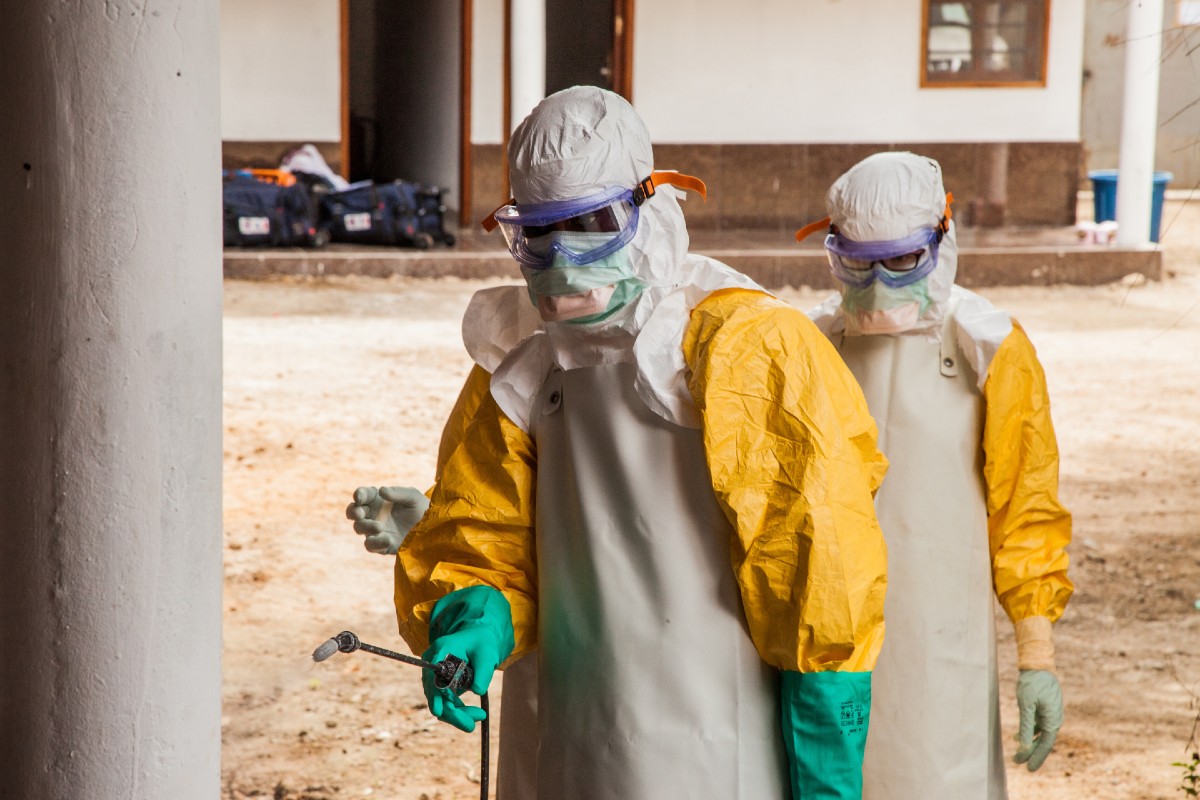
When a dangerous disease starts spreading, public health teams need fast, reliable answers. How quickly is the outbreak growing? How many hospital beds will be needed next week? Is the outbreak slowing down or speeding up in different geographic areas of the north-eastern DRC? This page explains the analysis workflow that is being developed by the Jameel Institute & the Centre for Global Infectious Disease Analysis at Imperial, together with its partners from the DRC and elsewhere. It helps inform the response for the 2026 Bundibugyo Virus Disease (BVD) outbreak – from raw patient records to a finished report.

What is Bundibugyo Virus Disease?
Bundibugyo Virus Disease is a rare and severe haemorrhagic fever caused by the Bundibugyo ebolavirus, first identified in Uganda in 2007. Like other members of the Ebola family, it spreads through direct contact with the bodily fluids of an infected person, causes a high case fatality rate, and requires specialist treatment in isolation facilities.
The 2026 outbreak is centred in the Democratic Republic of Congo (DRC). Cases are being reported across multiple health zones, including northeastern provinces of Ituri and Nord-Kivu, with smaller numbers also reported in Sud-Kivu and neighbouring Uganda. The Ministry of Health, Hygiene and Social Welfare of the DRC, and other outbreak response partners, collect surveillance data to track the outbreak.
Why is tracking an outbreak so difficult?
The data we see today is always a blurry picture of the past, not the present. For example, when a person falls ill in a rural area where access to care is limited, days can pass before their case is logged in the surveillance system. By the time a case first appears in the data, the person may have already recovered, died, or passed the disease on to others, and laboratory confirmation of the case often follows later still. Beyond this, some persons may never be tested, which also makes it difficult to get an accurate picture of the state of the outbreaks. (more…)