Sequencing arbovirus outbreaks, building connections: Lessons from Brazil
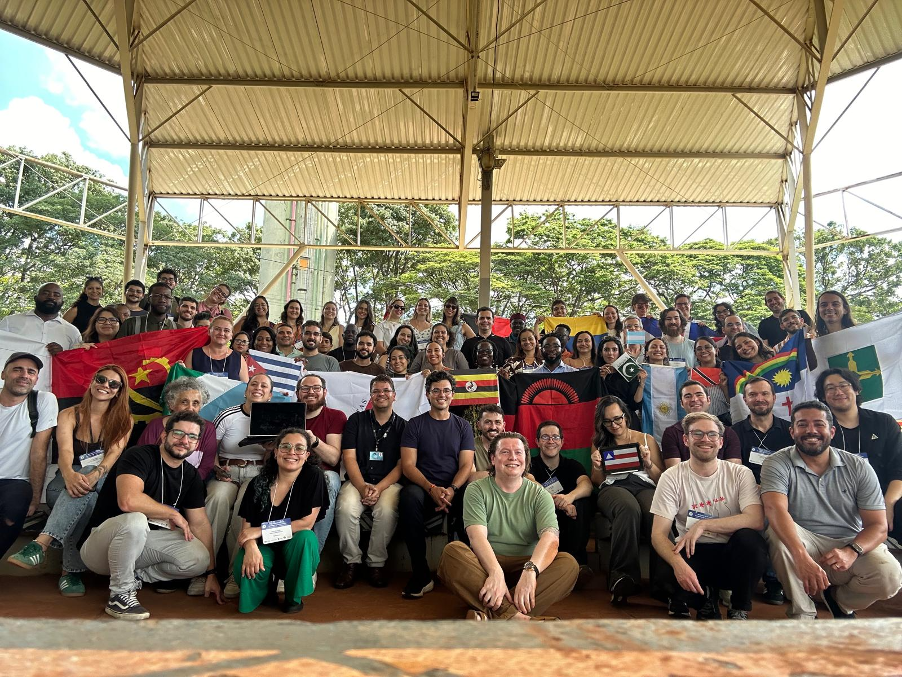
Tabassum Iqbal from the School of Public Health reflects on the Genomic Epidemiology of Arboviruses Workshop held in Campinas, Brazil. Bringing together researchers from across the globe, the programme combined hands-on training with expert insight – building skills, fostering collaboration and supporting those working on the front line of emerging infectious diseases.
Expecting the unexpected
“Throughout my career working in the epidemiology of arboviruses, I’ve learned that the only thing you can truly predict is the unpredictable.”
These were the words Professor Nuno Faria used to open the first talk of the Genomic Epidemiology of Arboviruses Workshop, organised by Dr Darlan da Silva Candido from the School of Public Health and Jose Modena at the Universidade Estadual de Campinas.
Five days, 50 in-person participants from 13 countries, and 35 speakers and course convenors – it was ambitious, to say the least, and a huge undertaking for the organising committee and support team.
Why arboviruses and why now?
Arboviruses are viruses transmitted by insects such as mosquitoes and ticks, and include diseases like dengue, Zika and chikungunya. They represent a major and growing public health challenge, particularly in Latin America, where millions of cases are reported each year.