Tag: Medical school

12 years of Pathways to Medicine: How Imperial is levelling the playing field for future medics
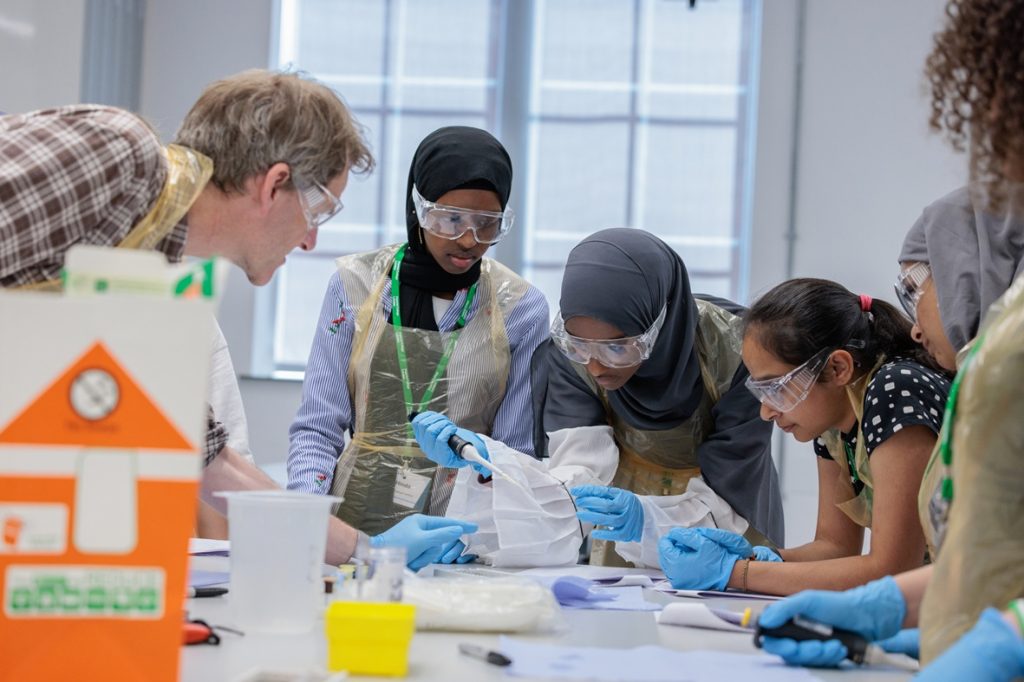
Professor Kevin Muprhy leads a clinical skills session with students on the Pathways to Medicine programme

Ellie Cawthera explores the impact of Pathways to Medicine: Imperial College London’s widening participation programme for underrepresented young people interested in studying medicine. It includes activities that provide insight into the medical profession, support medical school applications and prepare young people for starting university.  


The programme is delivered in partnership with the Sutton Trust and is coordinated by the Outreach Team with support from the School of Medicine, led by Professor Kevin Murphy who helped launch the programme in 2014. As an Admissions Tutor, Kevin’s role entails assessing applications and conducting interviews with prospective students hoping to take their first step in becoming a doctor. Earlier on in this role, one thing stood out to him: those applying to study medicine at Imperial didn’t reflect the diversity of the society medicine seeks to serve. 

“It struck me that so many of them came from similar backgrounds. There were a lot of privately-schooled, upper-middle-class students. While these applicants were often well-prepared, I realised that the whole admissions process wasn’t set up for students from other backgrounds who faced more obstacles on the path to medicine. It just seemed harder for those from more ‘normal’ backgrounds. They didn’t have the same guidance, the same support.”

And so, in 2014, he launched Pathways to Medicine. Running for 12 years, the initiative supports young people from underrepresented backgrounds in applying to Medicine by offering mentorship, work experience opportunities and academic support. Taking place over two years, the programme includes masterclasses and exposure to life on campus as well as interview support for 60 students per cohort.   (more…)
Forming the LGBTQ+ International Support Group

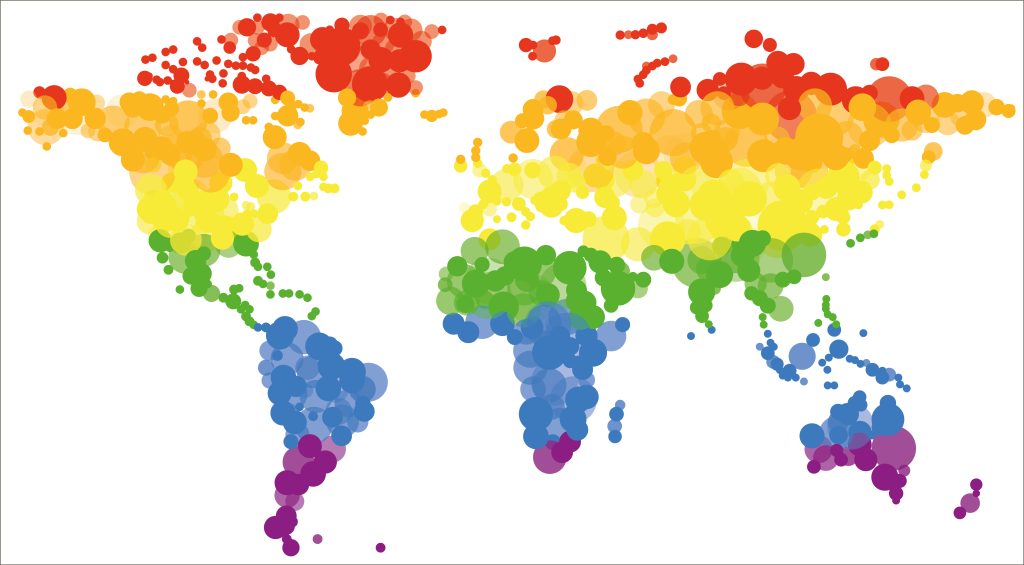
Map of the world made of circles of different sizes in colors of LGBT rainbow pride flag isolated on white

Lesbian, gay, bisexual, transgender, queer, questioning, intersex or asexual (LGBTQ+) travellers can face unique challenges when travelling abroad. That’s why, Rosie Maddren, Lucy Okell, Beth Cracknell-Daniels, Joseph Hicks and Christina Aitchison from the School of Public Health set up the LGBTQ+ International Support Group at Imperial to help improve the overall experience of going abroad for LGBTQ+ staff and student travellers.

This post was originally published in June 2023 and was updated in February 2026


“So are you married?”

I freeze. How do I respond? It seems like a simple enough question, but I’m gay (and so is my spouse). The question is being asked by a taxi driver in a country where not only is same-sex marriage illegal, but so is homosexuality in general. And it’s not just something imposed by the government. A recent poll suggested that 90% of this country’s citizens have a negative view of LGBTQ+ people. So how do I respond? How would you?

Travelling abroad for work is a rewarding opportunity that can come with challenges for any student or staff member. For those identifying as part of the LGBTQ+ community, such travel can be associated with further complications. Legal restrictions and societal norms of some countries may make LGBTQ+ staff and students feel anxious, unwelcome or unsafe. Unfortunately, in certain environments being your true self can directly impact your safety. On the other hand, presenting a censored version of yourself may negatively impact your mental health and wellbeing. There is no single correct way to navigate such situations, and there is limited guidance on this topic provided not only by Imperial, but wider networks across the globe. in 2022, a group of us started working together to help build support for LGBTQ+ staff and student travellers at Imperial.

(more…)

Inspiring tomorrow’s medics at PCSM’s Outreach Day

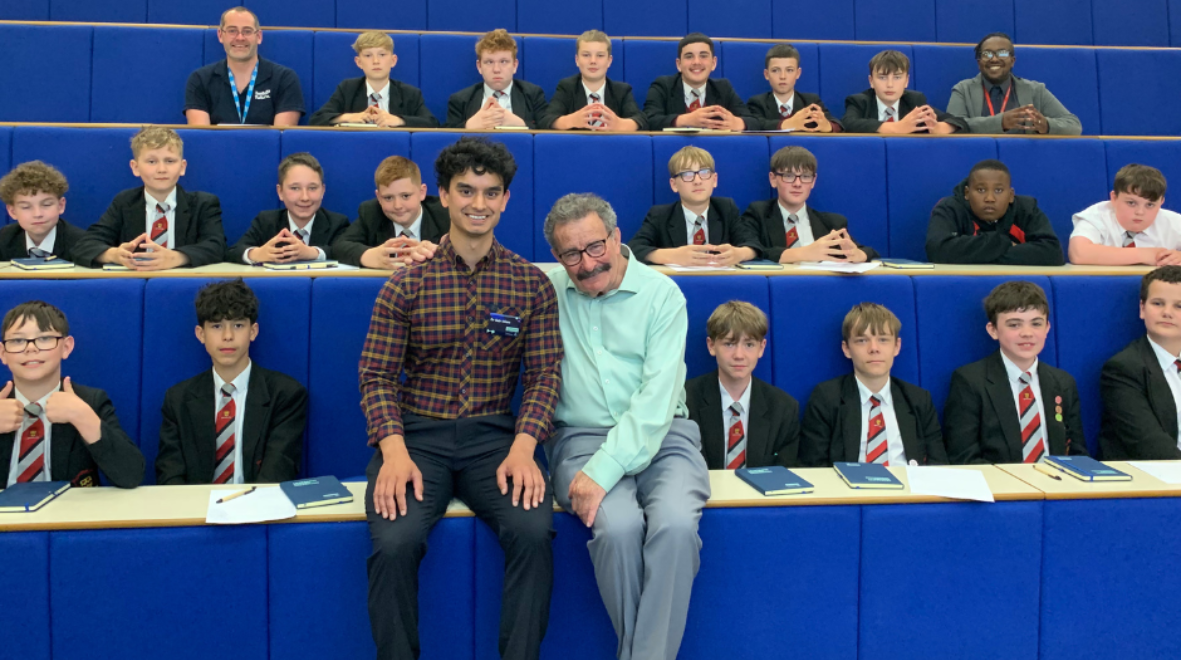
Dr Mohammed Sabbir Islam and Lord Professor Robert Winston

At a recent Outreach Day hosted by the Pears Cumbria School of Medicine (PCSM) and HelloFutures, Clinical Teaching Fellow Dr Mohammed Sabbir Islam helped local students explore life as a medic—from diagnosing real NHS cases to learning from none other than Lord Robert Winston. In this blog, Dr Islam reflects on a day of sparking ambition, breaking down barriers, and planting seeds for future careers in healthcare.  


The Pears Cumbria School of Medicine (PCSM) recently had the privilege of welcoming local year eight students for a unique outreach day at the University of Cumbria Fusehill Street campus, linked with HelloFutures 

I am someone who has directly benefited from outreach projects during my journey into medicine and it was a real pleasure to speak, as a young doctor, to kids with whom I identified. 

(more…)

Fleming’s Final Flourish

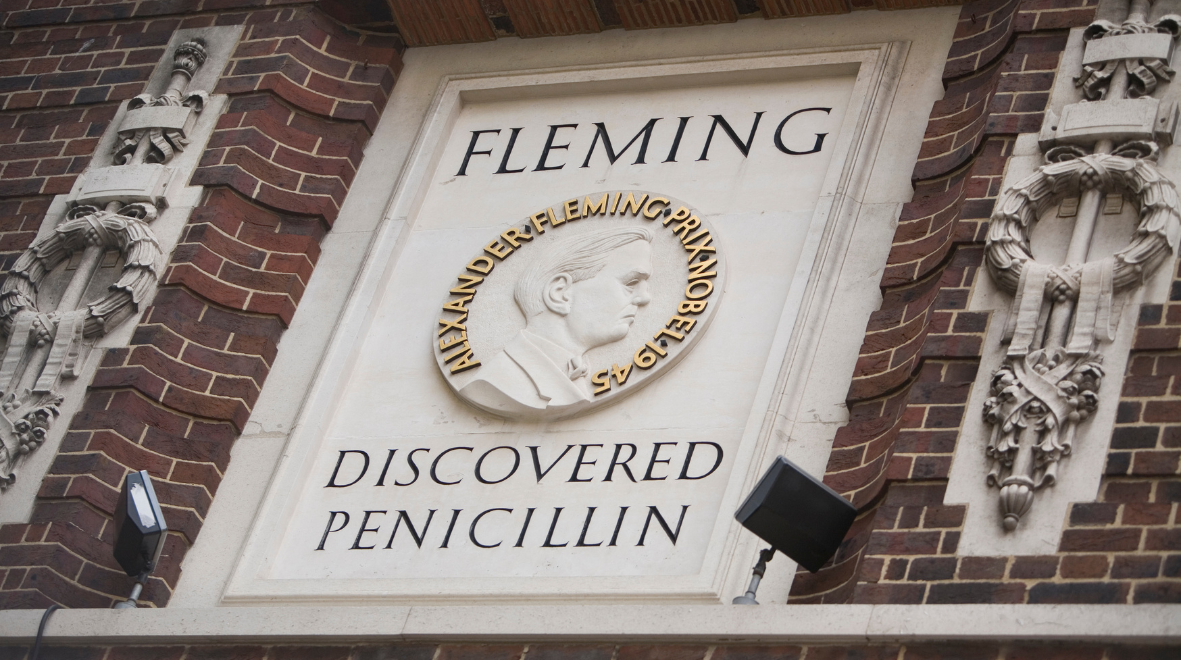
Professor John Tregoning, Professor of Vaccine Immunology in the Department of Infectious Disease, explores the legacy of Sir Alexander Fleming and the urgent fight against antimicrobial resistance. From the historic discovery of penicillin at St Mary’s Medical School to the ambitious Fleming Initiative, Professor Tregoning discusses how a groundbreaking new centre aims to tackle one of the greatest challenges in modern medicine.


If you were watching the Royal Institution (RI) Christmas Lectures with Dr Chris van Tulleken, you will have seen two plates of food disintegrate into a mushy goo. This was filmed at the St Mary’s Medical School Building in Paddington, London. In fact, it was probably the last ever experiment done in this hallowed building. In some ways it seems appropriate that it involved mould. St Mary’s will always be famous as the site of where Sir Alexander Fleming performed his breakthrough studies. Or as he modestly put it: ‘revolutionize all medicine by discovering the world’s first antibiotic. 

(more…)

‘It can make a massive difference’: How to be a trans ally

Every student deserves to be treated with dignity, respect and fairness at University. Unfortunately, this isn’t always the case for transgender students. So, how can you step up and be an authentic ally for the transgender student community? Medical student, Elliot, discusses all things allyship.


Treating people with respect and dignity is the utmost priority for many people at university, however meeting someone who is transgender can be confusing and new for a lot of people. With ever changing laws, media output and opinion, it’s easy to feel overwhelmed and swept up when trying to care about those around you. I have compiled the some tips for supporting the trans (non-cispeople in your life, so that you know where to start. 

(more…)

Advancing diversity in the healthcare workforce

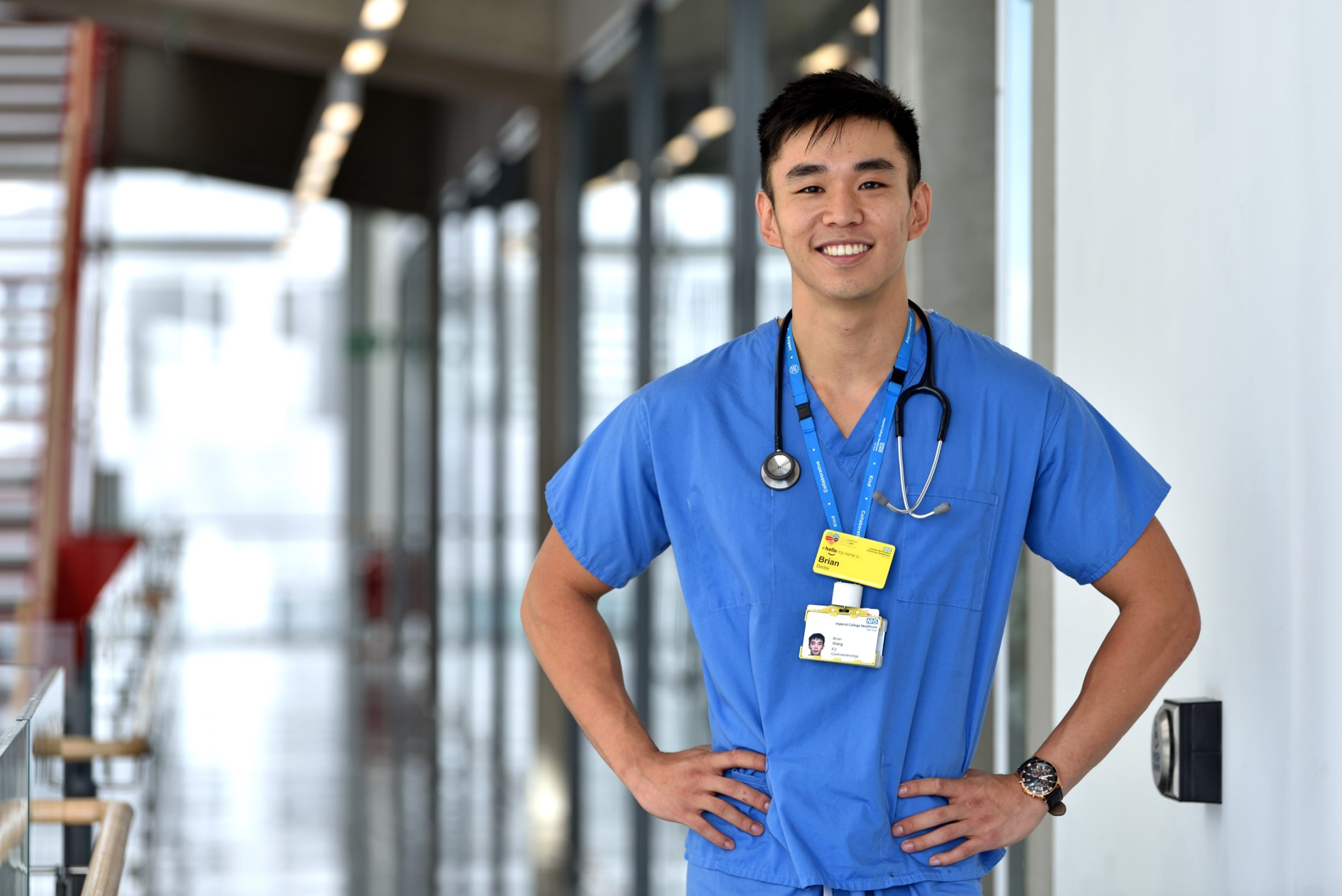
Brian Wang

When Imperial alumnus Dr Brian Wang founded In2MedSchool, he had one aim: to break down the barriers preventing students from disadvantaged backgrounds pursuing medicine. Brian shares his motivations for supporting the next generation of medics.


In the summer of 2022, before my final year of medical school, I had the opportunity to support the national efforts against the COVID-19 pandemic at Imperial College Healthcare Trust NHS hospitals. My experiences as a medical student and volunteer during this time kick-started my passion for advocating diversity within the healthcare workforce. Levelling the playing field and ensuring the diversity and representation of medical staff—in my mind at least—seems beneficial to the healthcare workforce and the communities that our healthcare system supports.

Today I am the founder of In2MedSchool, a charity that provides support for disadvantaged children with ambitions to study Medicine and healthcare-related degrees at university.

(more…)

Inspirational leadership matters: supporting the next generation of clinical academics

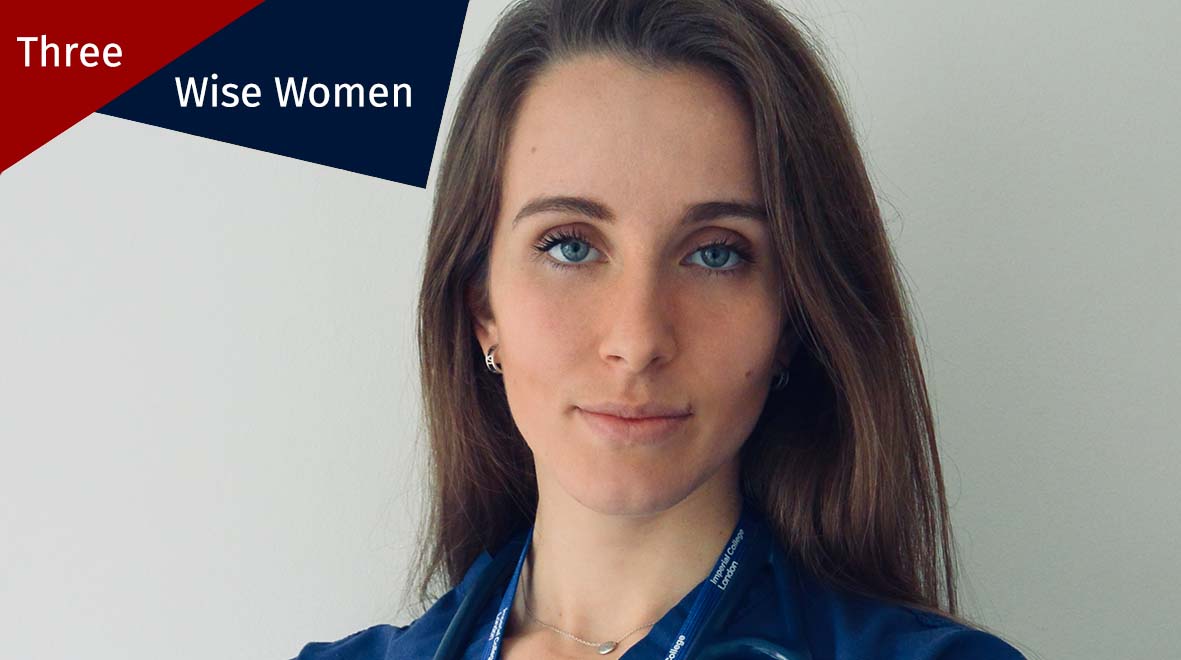
Dr Maddalena Ardissino

This festive period, Three Wise Women from the Faculty of Medicine will be giving us the gift of wisdom.


The journey to becoming a clinical academic can be long and arduous, with many obstacles. Dr Maddalena Ardissino, from the National Heart and Lung Institute, reflects on her own experiences as a trainee and explains why mentorship is key to supporting the growth and development of young, aspiring clinical academics.

Almost exactly five years ago, I stood amongst a crowd of young academics at a poster session at the Intensive Care Society’s annual conference, experiencing a feeling of anxiety I’ve never known before or since. I was in my fifth year of medical school and standing in front of a group of excellent researchers who were about to listen to me give my first scientific presentation. It seemed unthinkable to me, at the time, to think that they might have the slightest interest in what I had to say.

Since then, my journey through clinical and academic training has been what I can only describe as an adventure. I quickly realised that there isn’t a single defined path for clinical academics, with each individual moulding a slightly different journey. When I look around at my fellow clinical academics at the National Heart and Lung Institute, however, there is one key feature that we all share: enthusiasm. And behind this feature there is one single, common theme: the support of a truly inspirational mentor.

(more…)

World AIDS Day: We have come a very long way but there is still much to do to protect those at risk

Professor Sarah Fidler

This festive period Three Wise Women from the Faculty of Medicine will be giving us the gift of wisdom.

While HIV is no longer the death sentence that it once was, lifelong treatment is still required and there is no cure – yet. Professor Sarah Fidler from the Department of Infectious Disease discusses how a new type of HIV treatment holds promise as a longer-lasting alternative to current complex drug regimens.


Despite extraordinary political and medical advances, HIV, the virus that causes AIDS, remains one of the world’s most serious public health challenges. Since its discovery in 1983 by researchers at the Pasteur Institute in France, 84 million people worldwide are estimated to have become HIV-positive and 40 million people have died from an HIV-related illness. Today, there are around 38 million people living with HIV globally, with 1.5 million new infections in 2021.

Advocacy and close collaboration between clinicians, scientists and the HIV-affected community has inspired and driven the research and drug development and access agenda. Without these close working relationships, the development of HIV treatments would have been markedly slower and many more lives would have been lost.

(more…)

Balancing academics and athletics as a student-athlete

Joaquin Bello

In August 2022, fifth-year Medical student, Joaquin Bello, and his twin brother, Javier Bello, made history as England’s first-ever Commonwealth Games beach volleyball medallists. Joaquin reflects on his journey to becoming a professional volleyball player, and the challenges of juggling academic studies with sports stardom.

This summer I won a bronze medal at the 2022 Birmingham Commonwealth Games, the culmination of many years of hard work whilst balancing my studies with training. While I hope my dual-career is far from over, I wanted to reflect on my journey so far and the lessons that I have learnt along the way.

(more…)

Food for thought: Experiences from Imperial’s Food Student Research Network Conference

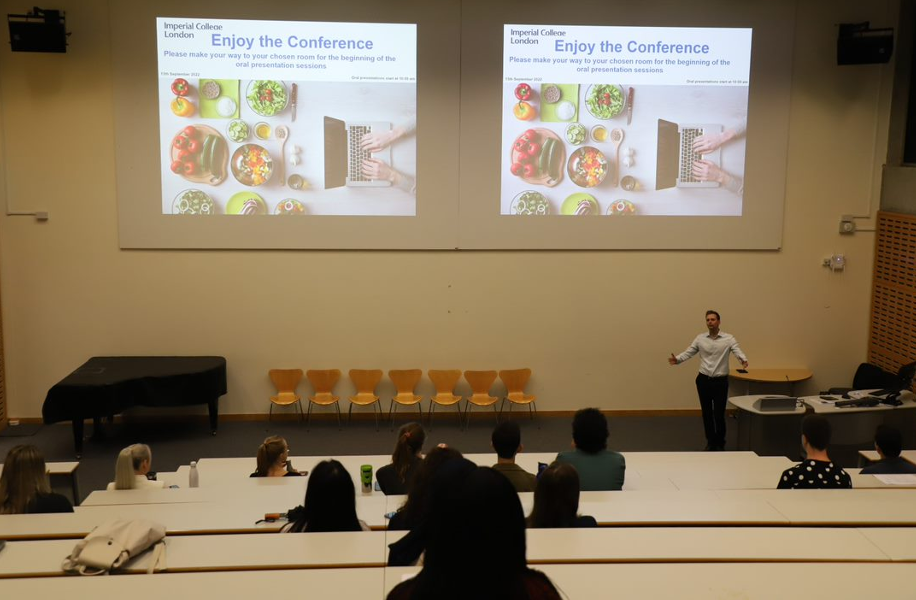
Dr Aaron M. Lett, Director of the Food Student Research Network, providing a plenary talk and officially launching the Food Student Research Network.

Recognising the value of interdisciplinary learning, Imperial’s Food Student Research Network aims to bring together students from across the College’s faculties to enable the cross-fertilisation of ideas and research in fields relevant to food. Here, members reflect on the Network’s inaugural conference.

In September, Imperial’s Food Student Research Network hosted its first Annual Conference. Reflective of the ethos of the network, this conference was an event for students, led by students.

(more…)