Category: Faculty of Medicine

12 years of Pathways to Medicine: How Imperial is levelling the playing field for future medics
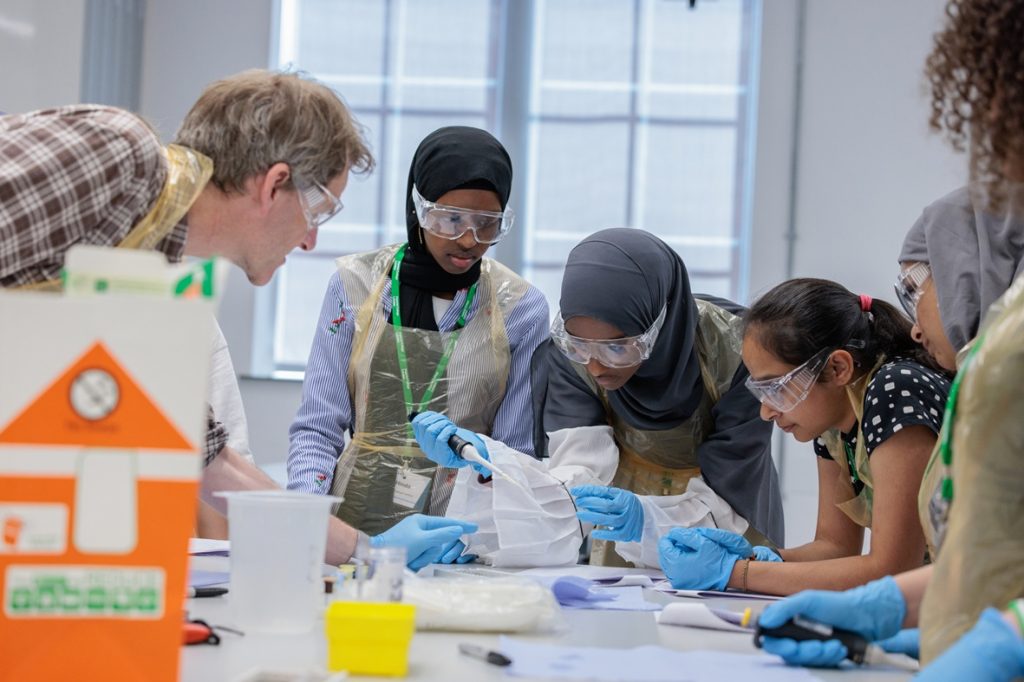
Professor Kevin Muprhy leads a clinical skills session with students on the Pathways to Medicine programme

Ellie Cawthera explores the impact of Pathways to Medicine: Imperial College London’s widening participation programme for underrepresented young people interested in studying medicine. It includes activities that provide insight into the medical profession, support medical school applications and prepare young people for starting university.  


The programme is delivered in partnership with the Sutton Trust and is coordinated by the Outreach Team with support from the School of Medicine, led by Professor Kevin Murphy who helped launch the programme in 2014. As an Admissions Tutor, Kevin’s role entails assessing applications and conducting interviews with prospective students hoping to take their first step in becoming a doctor. Earlier on in this role, one thing stood out to him: those applying to study medicine at Imperial didn’t reflect the diversity of the society medicine seeks to serve. 

“It struck me that so many of them came from similar backgrounds. There were a lot of privately-schooled, upper-middle-class students. While these applicants were often well-prepared, I realised that the whole admissions process wasn’t set up for students from other backgrounds who faced more obstacles on the path to medicine. It just seemed harder for those from more ‘normal’ backgrounds. They didn’t have the same guidance, the same support.”

And so, in 2014, he launched Pathways to Medicine. Running for 12 years, the initiative supports young people from underrepresented backgrounds in applying to Medicine by offering mentorship, work experience opportunities and academic support. Taking place over two years, the programme includes masterclasses and exposure to life on campus as well as interview support for 60 students per cohort.   (more…)
Bridging the stroke gap: Understanding why British South Asian population faces greater risk

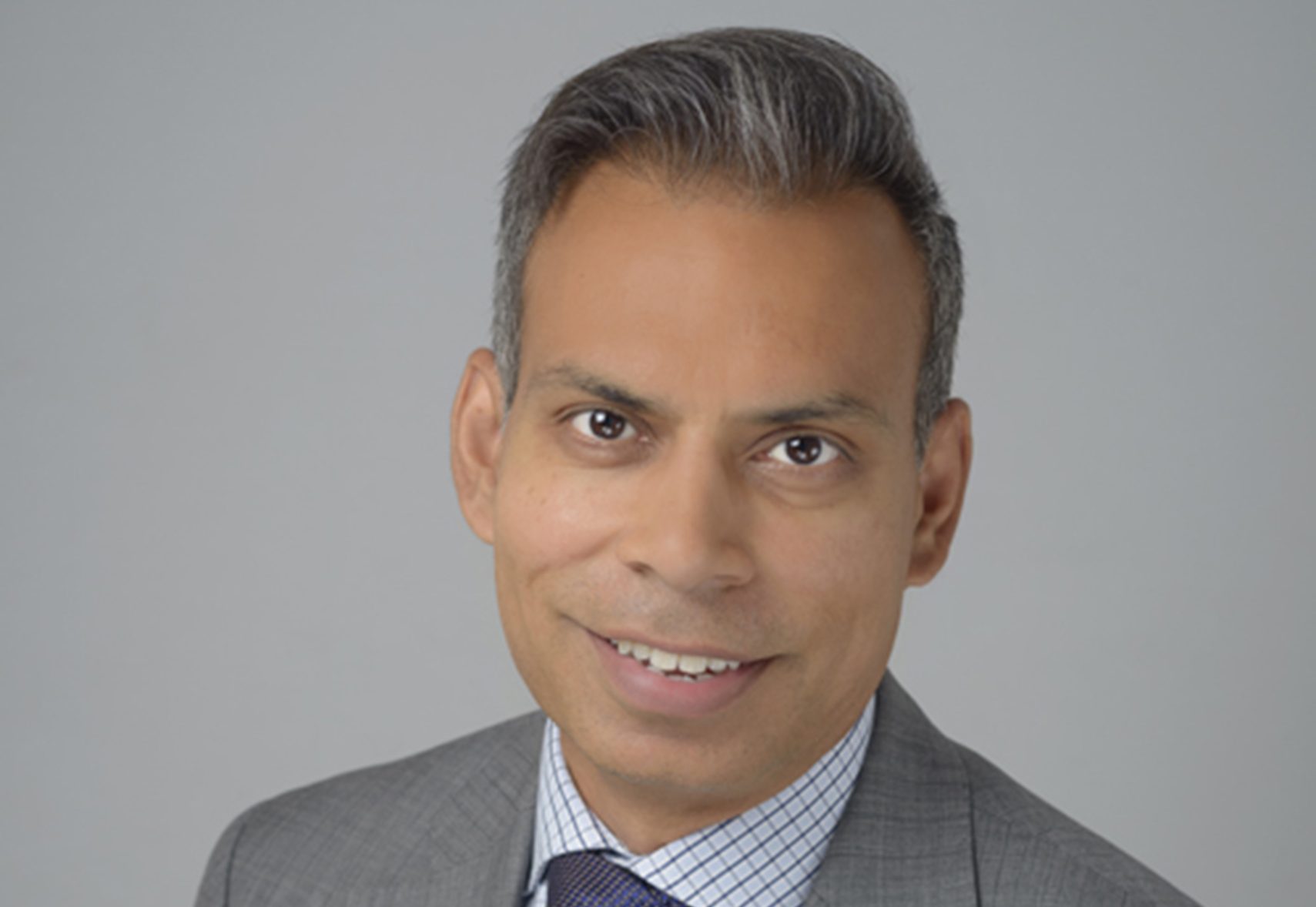
Pankaj Sharma

To mark World Stroke Day, Professor Pankaj Sharma, OBE, Principal Clinical Teacher at Imperial College London’s Faculty of Medicine and Consultant Neurologist at Imperial College Healthcare NHS Trust, reflects on decades of research uncovering why British South Asian populations experience stroke earlier and more severely than their White British counterparts. Through the groundbreaking BRAINS biobank, his work is revealing crucial genetic and lifestyle insights to improve prevention and outcomes.


Stroke is the third biggest killer globally, second largest cause of dementia, and the most frequent reason for disability. It consumes around 5% of the entire NHS budget. Yet these statistics are not evenly spread across different populations.

British people of South Asian heritage tend to have a worse cardiovascular profile compared to White British individuals. This is likely related to multiple factors, including poorer diets, less exercise, and delayed access to healthcare services. People from South Asia arrived in the UK in large numbers in the 1960s and 1970s. Britain is now home to one of the largest diasporas of South Asian people from the Indian subcontinent and research suggests that this population interacts more frequently with NHS services compared to equivalent White British patients.

However, in order to understand the specific needs of people of South Asian heritage, comprehensive and detailed data are needed, particularly since most of our understanding about stroke and related cardiovascular disease is based on large prospective studies of (often middle-class) White individuals, typically from the United States. Realising the lack of quality data, I set out around 15 years ago to establish a biobank for stroke in South Asian people. It started slowly but rapidly expanded with recruitment taking place across England, India, Qatar and Sri Lanka. Its unique focus on ethnic minorities attracted multimillion dollar funding. The BioRepository of DNA in Stroke (BRAINS) has now become one of the largest such biobanks in the world.

(more…)

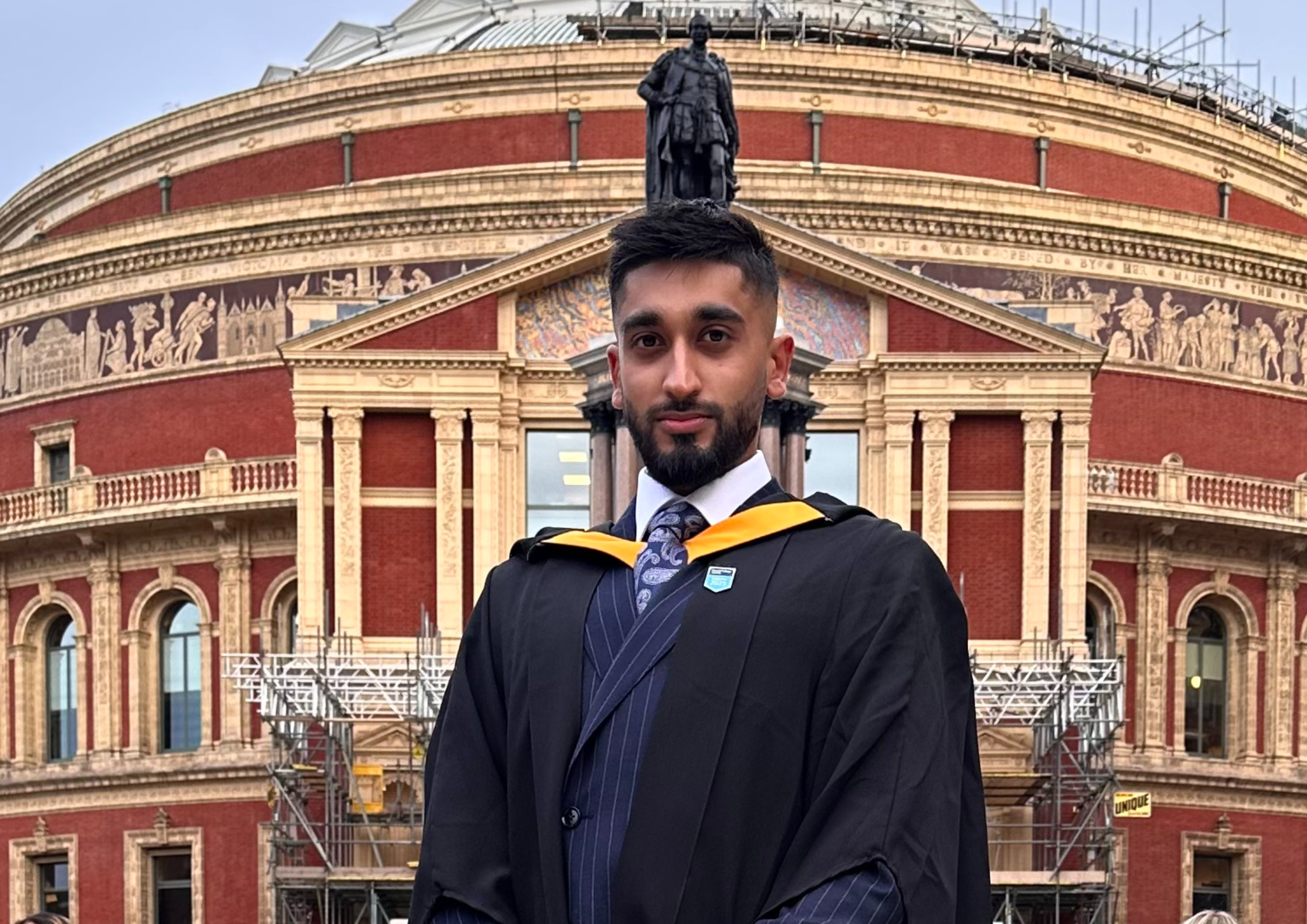
Imperial College medical student receives The Diana Award

Haroop BolaFinal year medical student, Harroop Bola, and Founding Chair of the British Indian Medical Association, which received the Diana Award last year, shares how the association fosters mentorship, education, and leadership for medical professionals from Widening Participation backgrounds. He highlights BIMA’s impactful initiatives, from academic workshops to community support, inspiring the next generation of changemakers in the NHS and global healthcare. 

I am delighted to share that my work with the British Indian Medical Association has been honoured with the Diana Award 2024- the highest accolade a young person can achieve for social action or humanitarian efforts. Established in memory of Diana, Princess of Wales, the award is given out by the charity of the same name and has the support of both her sons, HRH The Prince of Wales and Prince Harry, The Duke of Sussex. 

Joining Imperial College London’s School of Medicine as a first-generation university student without established connections in medicine was an intimidating journey. While access to medical school has improved through widening participation initiatives, the systemic challenges remain; opportunities within medicine often favour those with access to high-quality mentorship. With approximately one-third of medical students coming from medical families and competition for training posts increasing annually, mentorship has become an invaluable asset. For individuals like me, navigating the complexities of a medical career and building a competitive portfolio without prior insight into the profession can feel overwhelming.  

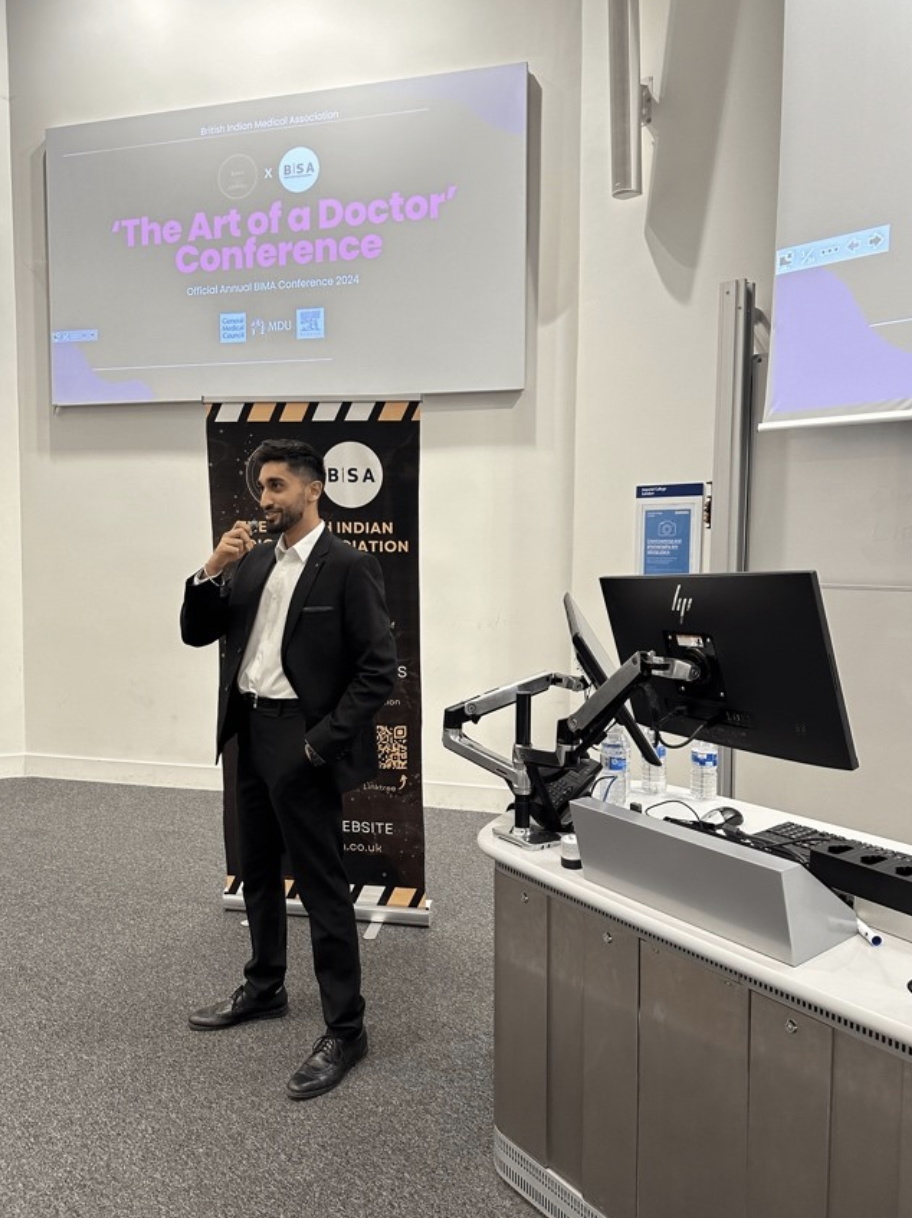
Harroop Bola delivering a speech during the 3rd Annual BIMA Conference at Imperial College London
Figure 1: Harroop Bola delivering a speech during the 3rd Annual BIMA Conference at Imperial College London

During the height of the COVID-19 pandemic, as I transitioned from my first to second year of medical school, I joined forces with Dr Amar Rai and Virensinh Rathod to establish the British Indian Medical Association (BIMA). Our vision was simple yet powerful: to foster a sense of community within the medical field and leverage collective support to address gaps in education, mentorship, and cultural identity. 

(more…)

‘It can make a massive difference’: How to be a trans ally

Every student deserves to be treated with dignity, respect and fairness at University. Unfortunately, this isn’t always the case for transgender students. So, how can you step up and be an authentic ally for the transgender student community? Medical student, Elliot, discusses all things allyship.


Treating people with respect and dignity is the utmost priority for many people at university, however meeting someone who is transgender can be confusing and new for a lot of people. With ever changing laws, media output and opinion, it’s easy to feel overwhelmed and swept up when trying to care about those around you. I have compiled the some tips for supporting the trans (non-cispeople in your life, so that you know where to start. 

(more…)

The Compressed Air Bath and its Therapeutic Uses in Mid-Victorian Britain

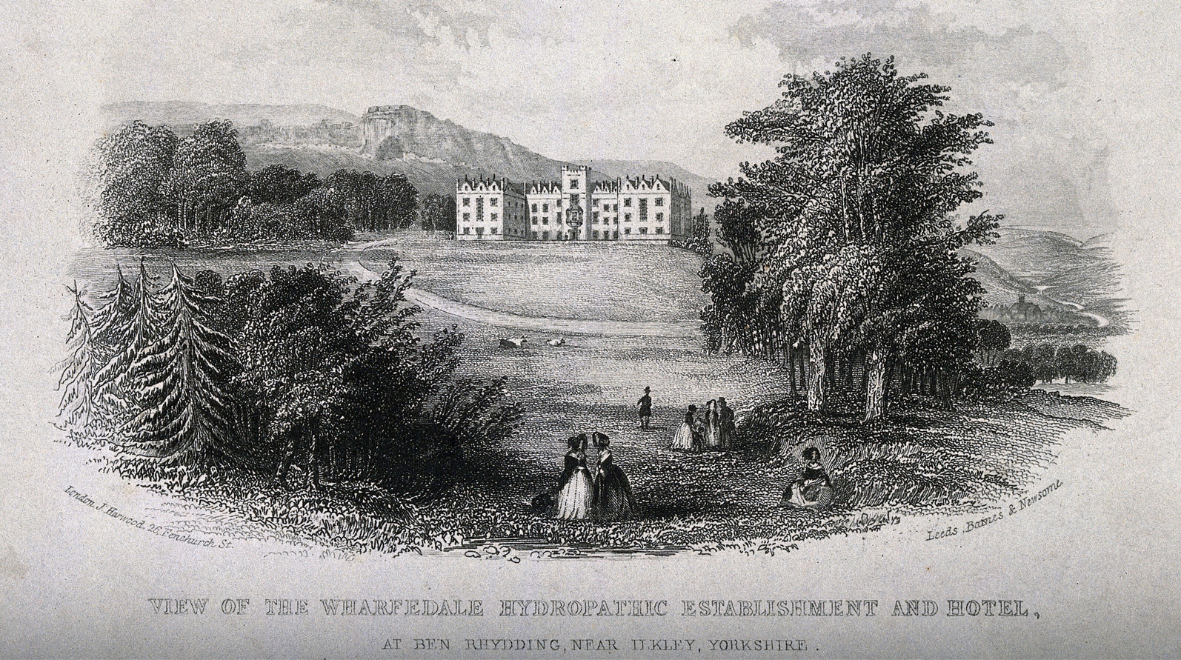
The Wharfedale hydropathic establishment and hotel (Ben Rhydding) with surrounding grounds. Etching, ca. 1860. Wellcome Collection. Source: Wellcome Collection.

What happens when industrial technology meets nature? A French invention of the 1830s, the compressed air bath capitalised on the allure of ‘pure countryside air’ to treat a range of respiratory problems. Dr Jennifer Wallis, Medical Humanities Teaching Fellow, explores the fascinating history of these baths and their therapeutic uses in mid-Victorian Britain.


During the summer holiday season, many of us will have taken a break to recharge our batteries. Whether it’s gazing out over a clear blue sea or hiking through a forest, connecting with nature is often a key component of our holidays.

Tourists in the 19th century sought a similar experience. They yearned to escape the crowded city or the routines of home to immerse themselves in a new environment. The era is most associated with the seaside resort, which grew in popularity as the railway network expanded. But many Britons were also choosing to follow in the footsteps of their eighteenth-century ancestors by visiting spa towns like Malvern. Spa towns were renowned for their health benefits, from the freshness of the air to the energising effect of the mineral waters. Hotels and resorts sprung up in spa towns to cater for the health-seeking hordes.

One such resort was the Ben Rhydding Hydropathic Establishment in Ilkley, Yorkshire. It cashed in on a contemporary interest in hydropathy, a treatment regime based on baths and showers. Ben Rhydding offered its visitors a variety of activities to supplement these treatments: bowling greens, dances, and guided walks of local beauty spots. It also offered a rather unusual experience for the health-seeking tourist, one that used air rather than water: a compressed air bath.

(more…)

Exploring Community-Based Care and Support Networks for Frail People

Many of us will need support as we age but who exactly provides that care? Dr David Sunkersing offers new insights into the support networks of frail people.


Frailty is a clinical syndrome, most common in older adults and associated with an increased risk of adverse health outcomes including falls, hospitalisation and reduced survival time. Many frail individuals therefore rely on family, friends, groups, healthcare professionals, carers and others to assist with their care and support needs and maintain both their independence and quality of life (a care and support network).

(more…)

Navigating LGBTQIA+ discrimination in healthcare: where do we go from here?

Avi Kaura, LGBTQIA+ Student Officer

As a chronically under-represented and under-researched group, the unique experiences of LGBTQ+ healthcare staff in the workplace are often neglected. Third-year medical student, Avani Ela Kaura, highlights why it’s imperative that we listen, address and support the specific needs of LGBTQIA+ people.


Exploring how work-related stress affects LGBTQIA+ healthcare professionals in my recent Letter to the Editor was greatly saddening, and a little dark. However, having been published in The BMJ  and reaching a wider audience, my hope is that awareness has been raised, granting volume to these silenced voices. This is especially important as the unique yet varied experiences of LGBTQIA+ people are in-genuinely, or more frequently, not explored. Despite being at the dawn of my career, I am keen to pioneer a movement of change.

(more…)

Advancing diversity in the healthcare workforce

Brian Wang

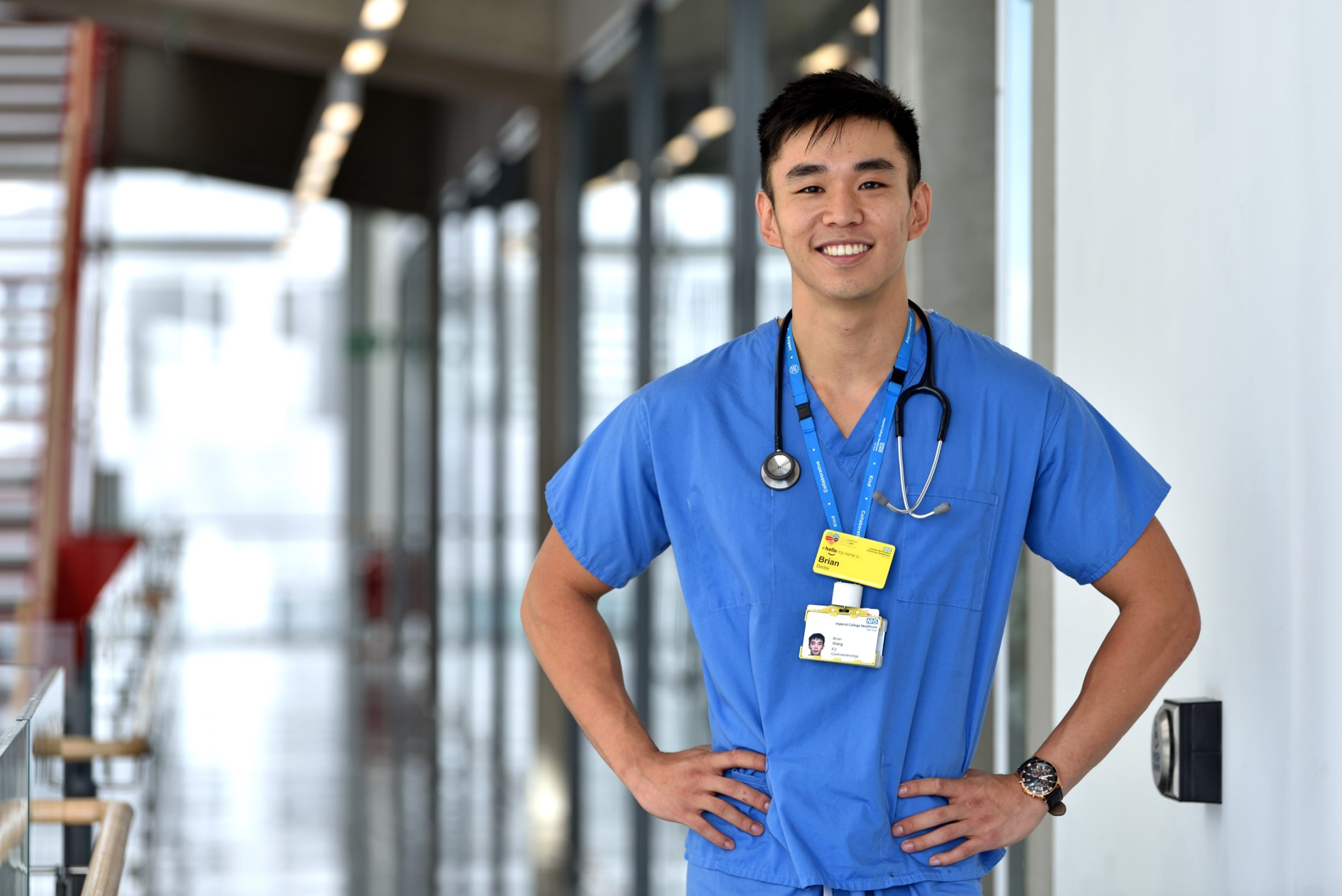
When Imperial alumnus Dr Brian Wang founded In2MedSchool, he had one aim: to break down the barriers preventing students from disadvantaged backgrounds pursuing medicine. Brian shares his motivations for supporting the next generation of medics.


In the summer of 2022, before my final year of medical school, I had the opportunity to support the national efforts against the COVID-19 pandemic at Imperial College Healthcare Trust NHS hospitals. My experiences as a medical student and volunteer during this time kick-started my passion for advocating diversity within the healthcare workforce. Levelling the playing field and ensuring the diversity and representation of medical staff—in my mind at least—seems beneficial to the healthcare workforce and the communities that our healthcare system supports.

Today I am the founder of In2MedSchool, a charity that provides support for disadvantaged children with ambitions to study Medicine and healthcare-related degrees at university.

(more…)

Balancing academics and athletics as a student-athlete

Joaquin Bello

In August 2022, fifth-year Medical student, Joaquin Bello, and his twin brother, Javier Bello, made history as England’s first-ever Commonwealth Games beach volleyball medallists. Joaquin reflects on his journey to becoming a professional volleyball player, and the challenges of juggling academic studies with sports stardom.

This summer I won a bronze medal at the 2022 Birmingham Commonwealth Games, the culmination of many years of hard work whilst balancing my studies with training. While I hope my dual-career is far from over, I wanted to reflect on my journey so far and the lessons that I have learnt along the way.

(more…)

Consulting and involving the public in the first human COVID-19 human challenge study

How do you engage members of the public with medical research? Dr Emma Smith, HIC-Vac Network Manager, outlines how consulting the public was crucial during the world’s first COVID-19 human challenge study.


It is important that health and social care research aims to improve the overall well-being of the population, from advancing treatments for patients to helping us live healthier lives. People are at the heart of medical research and so engaging and involving them is an integral part of the research process and one that is mandated by most funders.

When we set up the world’s first COVID-19 human challenge study, acceptability of research to participants and society more broadly was particularly relevant because of the study’s ethically complex nature.

With volunteer participants being deliberately exposed to coronavirus (COVID-19) and the associated risk (albeit very small) of serious illness or death, the public’s perspectives were an important element of assessing if the study was acceptable and ethical (and was stated by the WHO1  as one of the key criteria for the ethical acceptability of COVID-19 human challenge). (more…)