Tag: Equality

Wishing for lifelong health for every child

Professor Sejal Saglani

This festive period, Three Wise Women from the Faculty of Medicine give us the gift of wisdom.

Professor Sejal Saglani, Professor of Paediatric Respiratory Medicine in the National Heart and Lung Institute and Director of Imperial’s Centre for Paediatrics and Child Health (PaeCH), shines a light on the pressing need to transform how we understand and manage childhood asthma. She discusses why the youngest children face the greatest challenges, how early-life illness shapes long-term health, and the critical role of research and advocacy in addressing inequalities that begin from birth. Her blog is a call to action: if we are to secure lifelong health, we must begin with the earliest years.


Asthma is the most common long-term condition affecting children of all ages worldwide. In the UK, around 10% of children live with asthma – meaning at least two or three children in every classroom. Among these, those under the age of five face the greatest challenges: they experience the most acute attacks, have the highest number of hospital admissions, and account for 75% of all emergency department visits for childhood asthma. Despite this significant burden, the rate of attacks and hospitalisations have remained unchanged for over 20 years.

This time of year brings the issue into sharp focus. Most admissions occur during the autumn and winter months. Parents and families live in a constant state of vigilance, never knowing whether the next runny nose will simply be a cold or will escalate into yet another visit to hospital with wheezing and breathlessness.

(more…)

Weight, hormones and health: Rethinking research for women and older adults

Dr Chioma Izzi-Engbeaya

This festive period, Three Wise Women from the Faculty of Medicine give us the gift of wisdom.

Dr Chioma Izzi-Engbeaya, Honorary Clinical Senior Lecturer in the Department of Metabolism, Digestion and Reproduction and Consultant Endocrinologist at Imperial College Healthcare NHS Trust, explores how decades of research into obesity and metabolic health are beginning to translate into better care for women and older adults – from fertility and menopause to cancer and liver disease. But as she explains, the work is far from over: true progress means making sure no group is left behind.


We live in exciting times. Decades of scientific and clinical research have deepened our understanding of the factors driving metabolic conditions such as obesity and metabolic dysfunction-associated steatotic liver disease (MASLD, also known as ‘fatty liver disease’). 

Alongside this progress, we’ve seen a rapid rise in treatment options for metabolic conditions, with a variety of ever-increasing options on the horizon. However, significant challenges remain. Access to effective treatments is still limited for many people, and there are gaps in the evidence needed to guide how best to manage specific groups of patients. 

(more…)

Inspiring tomorrow’s medics at PCSM’s Outreach Day

Dr Mohammed Sabbir Islam and Lord Professor Robert Winston

At a recent Outreach Day hosted by the Pears Cumbria School of Medicine (PCSM) and HelloFutures, Clinical Teaching Fellow Dr Mohammed Sabbir Islam helped local students explore life as a medic—from diagnosing real NHS cases to learning from none other than Lord Robert Winston. In this blog, Dr Islam reflects on a day of sparking ambition, breaking down barriers, and planting seeds for future careers in healthcare.  


The Pears Cumbria School of Medicine (PCSM) recently had the privilege of welcoming local year eight students for a unique outreach day at the University of Cumbria Fusehill Street campus, linked with HelloFutures 

I am someone who has directly benefited from outreach projects during my journey into medicine and it was a real pleasure to speak, as a young doctor, to kids with whom I identified. 

(more…)

Supporting the safe and meaningful involvement of women experiencing homelessness in research

Imperial’s Institute of Global Health Innovation is collaborating with the Marylebone Project and Central London Healthcare on a pioneering project funded by the National Institute for Health and Care Research (NIHR). This 18-month initiative focuses on supporting the safe and meaningful involvement of women experiencing homelessness in research. By prioritizing trauma-informed, psychologically supportive practices, the project seeks to improve research methods, ensure participant safety, and empower women to share their experiences. This approach aims to enhance healthcare for this vulnerable group while driving positive change in research and policy.
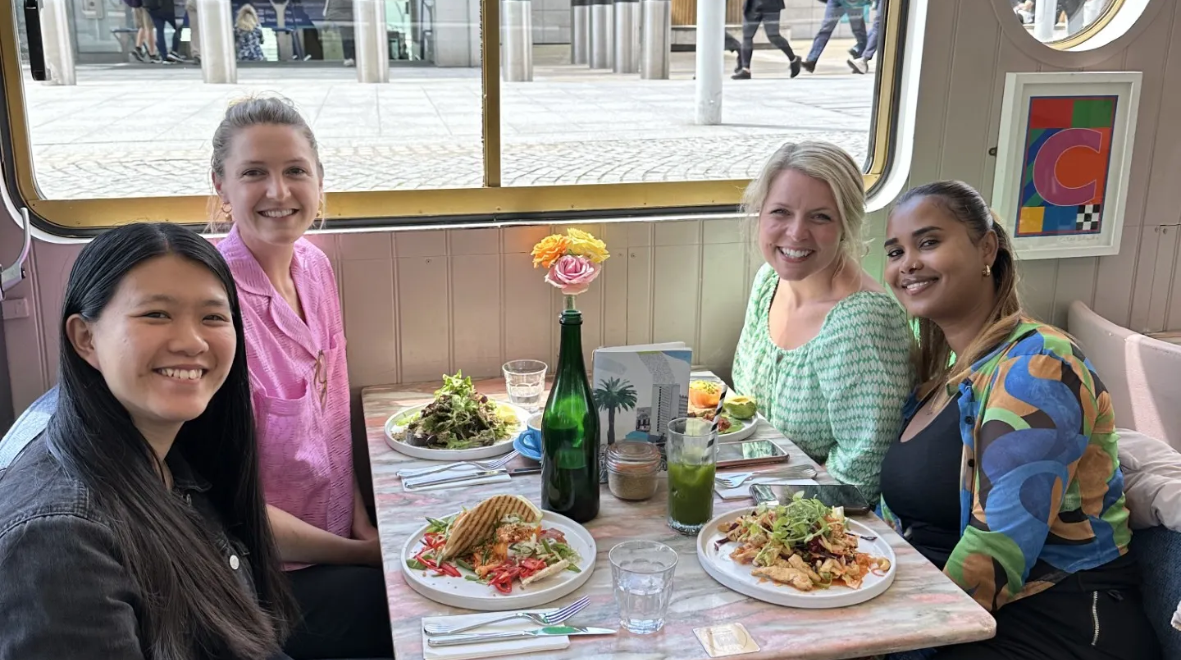
Members of the research team from IGHI and the Marylebone Project having lunch

Imperial’s Institute of Global Health Innovation (IGHI) is collaborating with the Marylebone Project and Central London Healthcare on a pioneering project funded by the National Institute for Health and Care Research (NIHR). This 18-month initiative focuses on supporting the safe and meaningful involvement of women experiencing homelessness in research. The project seeks to improve research methods, ensure participant safety, and empower women to share their experiences.


IGHI recently received funding from the National Institute of Health and Care Research (NIHR) for an 18-month project in partnership with the Marylebone Project and Central London Healthcare which focuses on supporting the safe and meaningful involvement of women experiencing homelessness in research.

People experiencing homelessness have shorter life expectancies, poorer physical and mental health, and less access to healthcare than the general population. For women experiencing homelessness, the average age of death is 43 – two years younger than men and nearly half the life expectancy of women in the general population. Many homeless women are survivors of abuse, and more research is needed to provide specialised, female-led support for this group in safe, trauma-informed spaces.

(more…)

Breaking stereotypes and creating role models

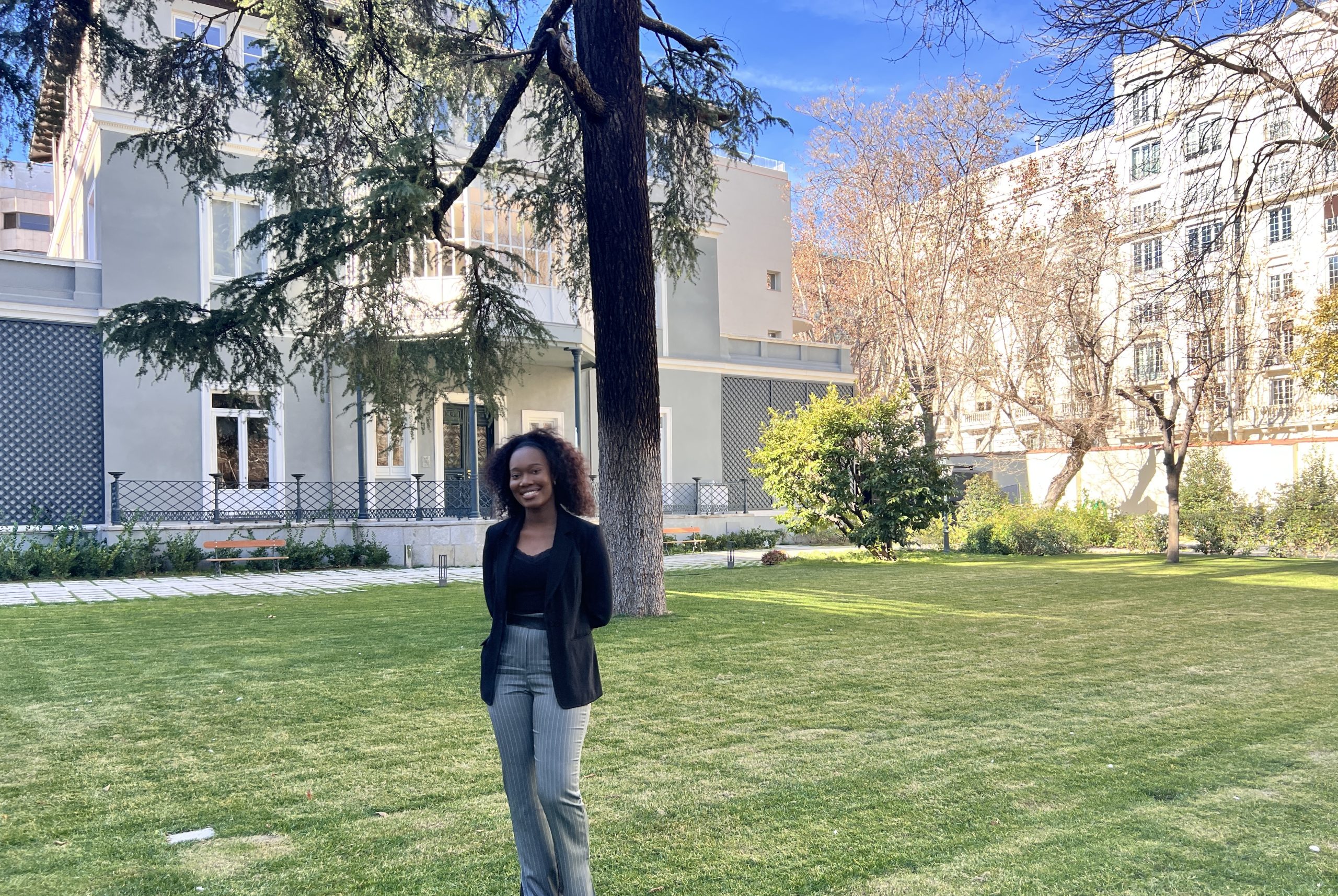
Fama MannehTo mark Women at Imperial Week, we’re spotlighting Fama Manneh, a 2nd-year PhD student, from the Department of Bioengineering and the National Heart and Lung Institute (NHLI) and her recent invite by the British Embassy in Madrid to speak on the topic of breaking stereotypes as a woman. As the President of Women in STEM she is a driving force inspiring women within and outside the University community. Read more about her experience in Madrid below.  


Recently, I had the honour of being invited by the British Embassy in Madrid to speak at an event organised by Beatriz Herranz. The event, “Women in Science: Breaking stereotypes and creating role models” was held at Fundación Ortega-Maranon. This historic venue, dating back to the early 20th century, was a Girls’ Residence (Residencia de Señoritas) that provided both housing and educational opportunities for young women pursuing higher education. It offered a supportive environment for female students to pursue arts, sciences, and humanities, fostering intellectual growth and independence.

The selection of this venue for the Women in Science event holds symbolic significance, as it reflects the continuation of the Girl’s Residence mission to empower women through education and knowledge. The choice pays homage to the pioneering women who once resided there, aiming to inspire current generations of female scientists, engineers, and technologists.

At the event, Teresa Guerrero of El Mundo Science expertly moderated a thought-provoking roundtable discussion. I shared the panel with distinguished figures, including Silvia Rueda Pascual, a Cabinet Advisor at the Ministry of Science and Innovation and Director of the Women and Science Unit; María A. Blasco, the Director of the Spanish National Cancer Research Centre (CNIO); and Cynthia Cabanas, a PhD student and representative of the Spanish Researchers in the United Kingdom (SRUK/CERU).

(more…)

‘It can make a massive difference’: How to be a trans ally

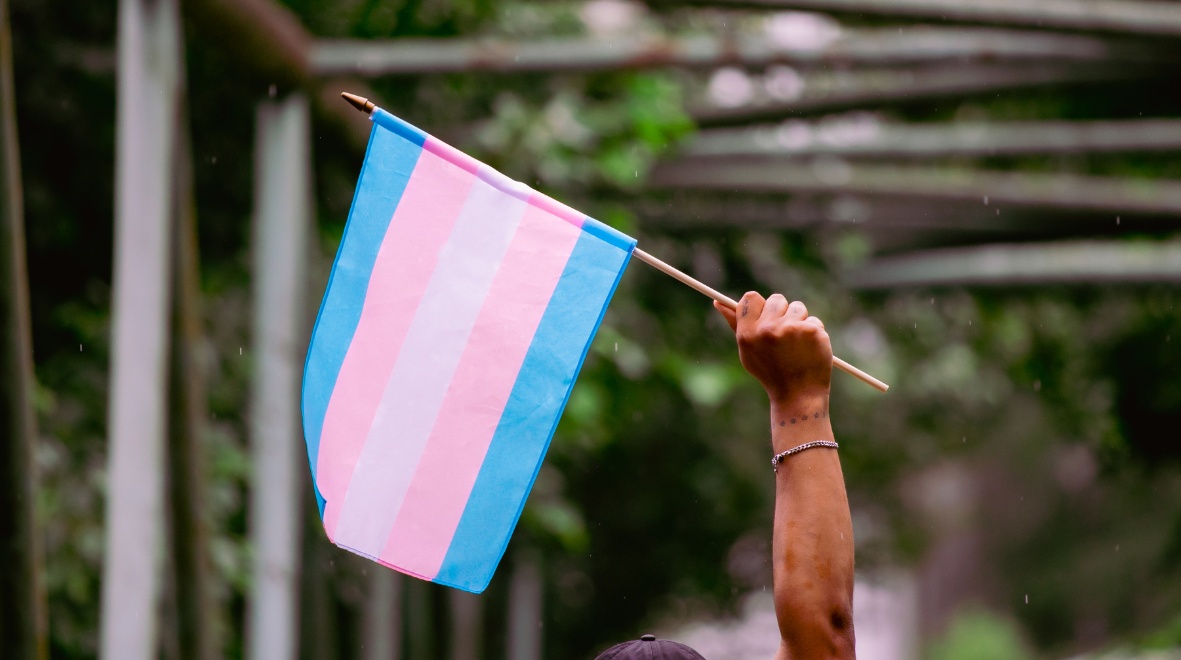
Every student deserves to be treated with dignity, respect and fairness at University. Unfortunately, this isn’t always the case for transgender students. So, how can you step up and be an authentic ally for the transgender student community? Medical student, Elliot, discusses all things allyship.


Treating people with respect and dignity is the utmost priority for many people at university, however meeting someone who is transgender can be confusing and new for a lot of people. With ever changing laws, media output and opinion, it’s easy to feel overwhelmed and swept up when trying to care about those around you. I have compiled the some tips for supporting the trans (non-cispeople in your life, so that you know where to start. 

(more…)

Embracing Ubuntu in Higher Education: The Power of Togetherness

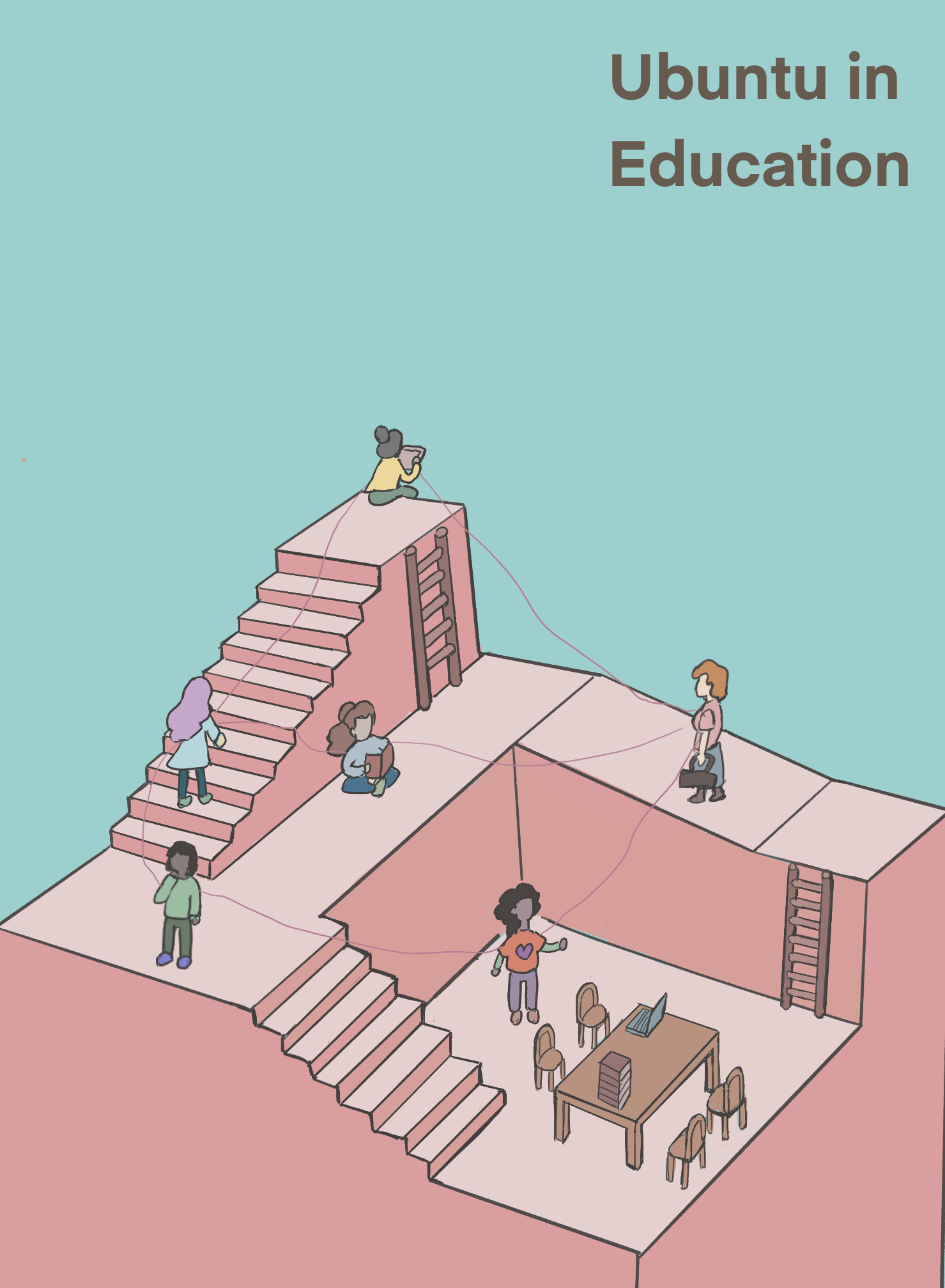
Artwork by Mengmeng Tu, MSc Science Communication student

This festive period, Three Wise Women from the Faculty of Medicine will be giving us the gift of wisdom.

Ubuntu (ooh-bun-too) is a concept, a philosophy, a way of living in Africa. It highlights the interconnectedness of all individuals and encourages people to recognise their shared humanity. Here, Dr Sungano Chigogora, Senior Teaching Fellow in Epidemiology in the School of Public Health, explores the spirit of Ubuntu and why it should be at the heart of teaching and learning.


In Central and Southern Africa, Bantu means ‘people’ or ‘humanity’ to hundreds of millions of individuals whose languages have common ethnolinguistic roots. To them, Ubuntu is a core characteristic of humanity that extends beyond the individual, and recognises not only their humanity, but how they belong to a deep community in which they can participate, share, and grow. As observed by the late Archbishop Desmond Tutu, “Ubuntu is very difficult to render into a Western language. It speaks to the very essence of being human. … to give high praise to someone we say … ‘he or she has Ubuntu’. This means that they are generous, hospitable, friendly, caring, and compassionate” (Tutu, 1999).

(more…)

Closing the Gender Health Gap: A Call for Sex and Gender Equity in Biomedical Research Policies

When it comes to healthcare, there are clear and stark inequalities between women and men. Marina Politis, Alice Witt, and Kate Womersley explain how, at its root, this gender health gap derives from a research and data gap, and how the MESSAGE project is working to improve accounting of sex and gender dimensions in medical research.


Everyone aspires to receive gold standard treatment when seeking medical care. What if, however, this standard, was only ever set out to be gold for one group of people? Much of our medical evidence base has been based on a male norm, with women underrepresented at all stages of the research pipeline. Subsequently, when a woman suffers an out-of-hospital cardiac arrest, she is less likely to receive bystander CPR than a man. Once in the hospital, she continues to be less likely to receive optimal care than her male counterpart.

The gender health gap in cardiovascular disease – poorer outcomes women experience due to the “male default” in health research and healthcare – is just one of many conditions for which there are disparities between women and men. From dementia to diabetes, and osteoporosis to obesity, sex and gender differences and similarities remain neglected in UK and international research.

(more…)

“Why am I depressed, doc?” Experiences of an HIV clinician and researcher

HIV Stop Stigma

Despite major progress in treatment and prevention, being diagnosed with HIV can have a big emotional impact on individuals. People with HIV have higher rates of mental health problems than those seen in the general population. One reason for this may be HIV-related stigma, explains Professor Alan Winston from the Department of Infectious Disease


Since the late 1990s, I have been treating people living with HIV and been involved in HIV clinical research. Many things we read about HIV are success stories, and quite rightly we should celebrate these tremendous scientific and medical advances. Life expectancy for someone with HIV is now similar to that of the general population. Antiretroviral therapy generally has manageable side effects and for most individuals, does not incur that many tablets per day. Indeed, many HIV treatments involve taking only one tablet per day. So, why then do so many people with HIV suffer from depression, other mental health conditions, and a poorer quality of life? 

Experience in clinic 

Most people living with HIV, once on a stable treatment, will attend their treatment centre twice per year. Often appointments rotate between a consultant or medical doctor once per year and a nurse specialist on the other occasion. As we can’t cure HIV, our patients attend for life, and we get to know them very well. At consultations, in addition to routine monitoring, we ask people how they are keeping. What stands out are the number of individuals who report symptoms of depression and other mental health conditions such as anxiety. Whilst many of us suffer from mental health complaints, the burden of these complaints in people living with HIV is very high. Thankfully, we do have help in clinic and have a specific clinic run by a psychiatry nurse specialist we can refer patients to. 

(more…)

Forming the LGBTQIA+ International Support Group

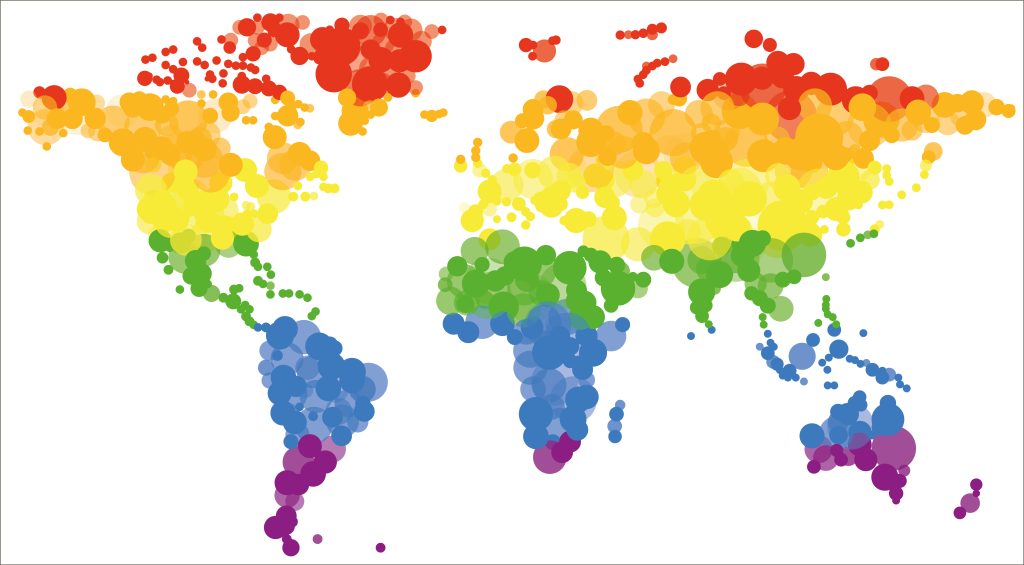
Map of the world made of circles of different sizes in colors of LGBT rainbow pride flag isolated on white

Lesbian, gay, bisexual, transgender, queer, questioning, intersex or aseaxual (LGBTQIA+) travellers can face unique challenges when travelling abroad. That’s why, Rosie Maddren, Lucy Okell, Beth Cracknell-Daniels, Joseph Hicks and Christina Aitchison from the School of Public Health set up the LGBTQIA+ International Support Group at Imperial to help improve the overall experience of going abroad for LGBTQIA+ staff and student travellers.


“So are you married?”

I freeze. How do I respond? It seems like a simple enough question, but I’m gay (and so is my spouse). The question is being asked by a taxi driver in a country where not only is same-sex marriage illegal, but so is homosexuality in general. And it’s not just something imposed by the government. A recent poll suggested that 90% of this country’s citizens have a negative view of LGBTQ people. So how do I respond? How would you?

Travelling abroad for work is a rewarding opportunity that can come with challenges for any student or staff member. For those identifying as part of the LGBTQIA+ community, such travel can be associated with further complications. Legal restrictions and societal norms of some countries may make LGBTQIA+ staff and students feel anxious, unwelcome or unsafe. Unfortunately, in certain environments being your true self can directly impact your safety. On the other hand, presenting a censored version of yourself may negatively impact your mental health and wellbeing. There is no single correct way to navigate such situations, and there is limited guidance on this topic provided not only by Imperial, but wider networks across the globe. Last year, a group of us started working together to help build support for LGBTQIA+ staff and student travellers at Imperial.
(more…)