Category: School of Public Health

World Polio Day: edging closer to eradication
As we mark the fifth annual World Polio Day, Dr Edward Parker talks about Imperial’s research supports the polio eradication initiative in a number of ways.


Imagine you are running a marathon. You have reached the final mile of a long and arduous journey. You turn the last corner expecting to see the finish line, and instead you see a huge vertical ascent. The finish line is waiting at the top, hundreds of metres above you.

Such is the plight of the Global Polio Eradication Initiative. In 1988, the year the initiative was launched, polio paralysed an estimated 350,000 people worldwide – roughly 1,000 each day. Over the last three decades, a globally coordinated vaccination campaign has fought the disease back to a few remaining refuges in Afghanistan, Pakistan, and Nigeria. In 2017, wild poliovirus has caused just 12 cases so far. (more…)
World Rabies Day: Why vaccinating man’s best friend is man’s best hope

rabies vaccine

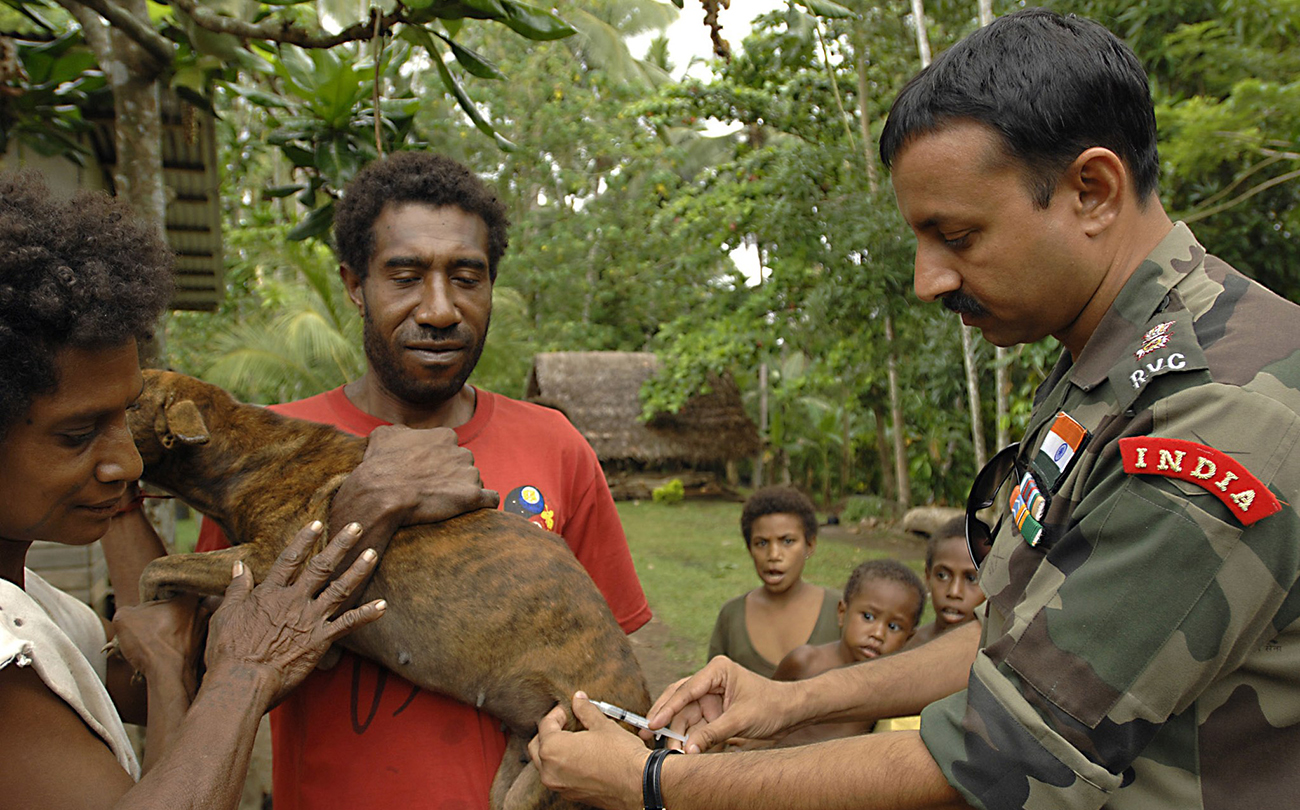
Today is World Rabies Day. Christl Donnelly explains why giving rabies vaccinations is the path to global eradication by 2030. 


The goal of this global day is enhanced awareness spurring further efforts to prevent rabies, a viral disease that kills tens of thousands of people each year mainly in Asia and Africa. Two years ago, international organisations – including the World Health Organization and the World Organization for Animal Health – agreed to an ambitious, but achievable common goal: to end human deaths due to canine rabies by 2030. In fact, ‘Rabies: Zero by 30’ is the theme of the 2017 World Rabies Day. (more…)

World Water Week: Tackling a neglected health crisis

schistosomiasis

For World Water Week, Dr Anna Phillips from the Schistosomiasis Control Initiative explains clean water is crucial to the elimination of schistosomiasis.

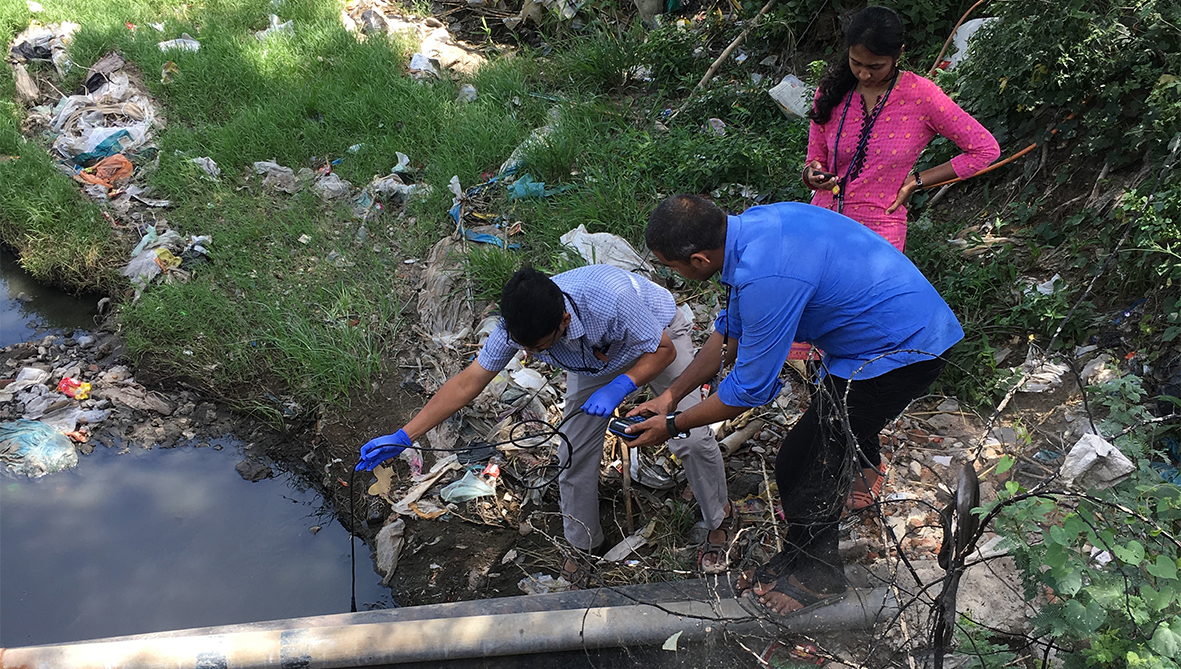
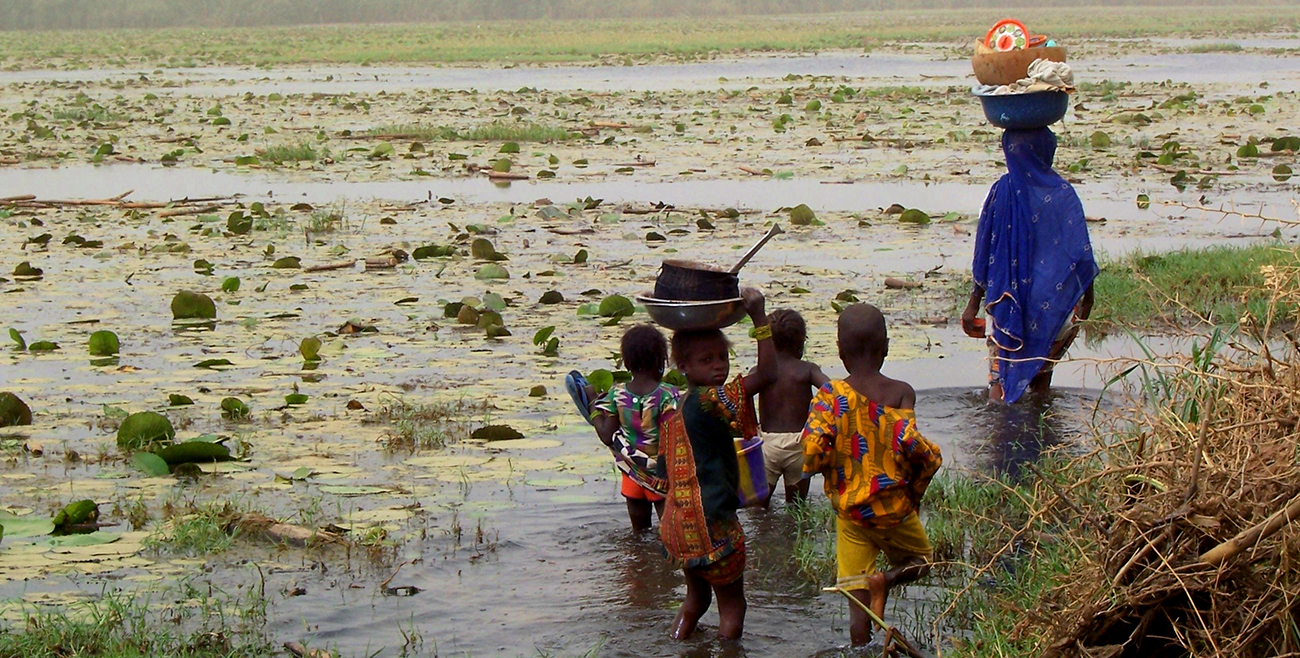
Can you imagine life without access to clean water? Unfortunately for 663 million people this is a reality. That’s nearly one in ten people worldwide living without a safe water supply close to home, spending hours queuing or trekking to distant sources and coping with the health impacts of using contaminated water. SIWI’s (Stockholm International Water Institute) World Water Week, is a pertinent time to reflect on important research carried out by the Schistosomiasis Control Initiative (SCI), a non-profit initiative based at Imperial College London, which highlights why access to clean water is so important to human health. (more…)

Why study frogs in the School of Public Health?

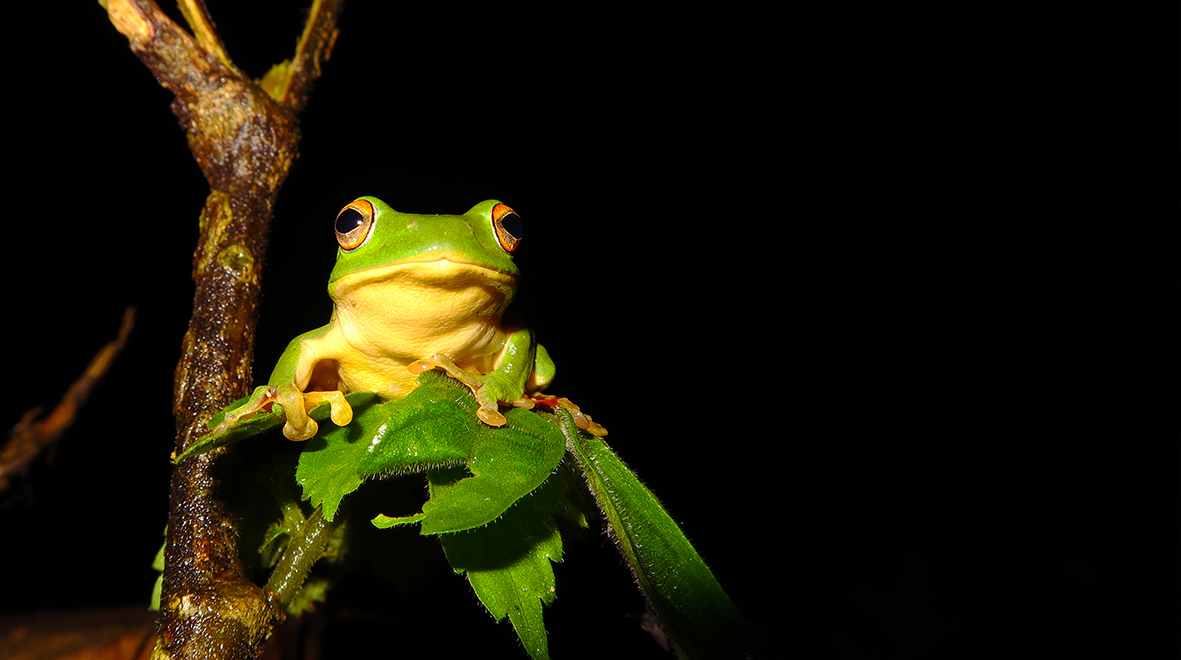
Rhacophorus moltrechti – a species of frog endemic to Taiwan. Photographed by Lin Chun-Fu.

Jennifer Shelton from the School of Public Health reflects on a recent field trip to Taiwan which involved studying amphibians.


Close your eyes and imagine the high-pitched shrieking of cicadas unified in a crescendo of noise from the treeline. Fireflies blinking their fluorescence through the undergrowth. Bats swooping silently overhead, rustling your hair with their wing beats. Trekking across steep hillsides of wasabi plants during a rainstorm. Not the average working week of a researcher in the School of Public Health, but just some of the sights and sounds I was fortunate to experience when I visited Taiwan in May as a National Geographic Young Explorer. (more…)

Ten minutes in Beirut: the harsh struggle for health and life facing Middle-Eastern refugees

Beirut, Lebanon

For World Refugee Day, Dr Mohammed Jawad offers a unique insight into the refugee crisis from his secondment at the American University of Beirut.


20 June is World Refugee Day, and my short morning walk to the American University of Beirut (AUB) provides a daily and grim taste of the global refugee crisis. At 8:50am I take a right out of my Beirut flat onto a bustling and polluted Lebanese street. I live opposite a cheap hotel that hosts medical tourists – Iraqis, mainly – due to crippling of health systems in the region. A quick glance to my left and I’ll see two women outside a supermarket holding babies and pleading with ingoing shoppers for a small bottle of milk. To my right I see a large but flattened cardboard box, knowing this will soon become the cushion for a young mother and her two children. I’ll see them on my way home and I’ll worry about the toddler, who looks thin and tends to wander into the road. (more…)