12 years of Pathways to Medicine: How Imperial is levelling the playing field for future medics
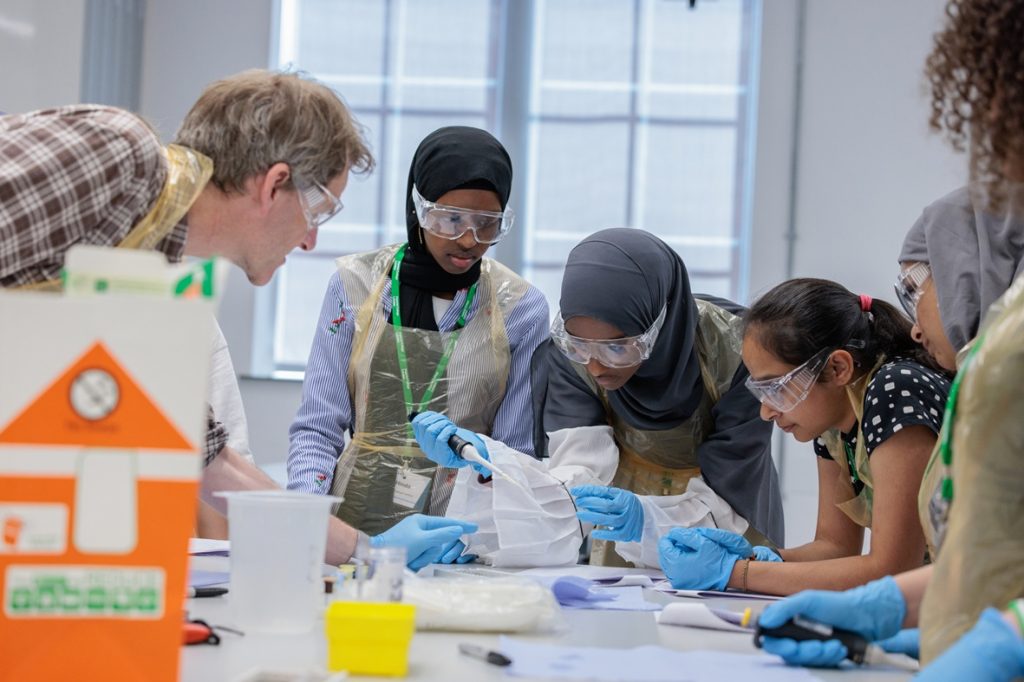
Ellie Cawthera explores the impact of Pathways to Medicine: Imperial College London’s widening participation programme for underrepresented young people interested in studying medicine. It includes activities that provide insight into the medical profession, support medical school applications and prepare young people for starting university.
The programme is delivered in partnership with the Sutton Trust and is coordinated by the Outreach Team with support from the School of Medicine, led by Professor Kevin Murphy who helped launch the programme in 2014. As an Admissions Tutor, Kevin’s role entails assessing applications and conducting interviews with prospective students hoping to take their first step in becoming a doctor. Earlier on in this role, one thing stood out to him: those applying to study medicine at Imperial didn’t reflect the diversity of the society medicine seeks to serve.
“It struck me that so many of them came from similar backgrounds. There were a lot of privately-schooled, upper-middle-class students. While these applicants were often well-prepared, I realised that the whole admissions process wasn’t set up for students from other backgrounds who faced more obstacles on the path to medicine. It just seemed harder for those from more ‘normal’ backgrounds. They didn’t have the same guidance, the same support.”
And so, in 2014, he launched Pathways to Medicine. Running for 12 years, the initiative supports young people from underrepresented backgrounds in applying to Medicine by offering mentorship, work experience opportunities and academic support. Taking place over two years, the programme includes masterclasses and exposure to life on campus as well as interview support for 60 students per cohort. (more…)
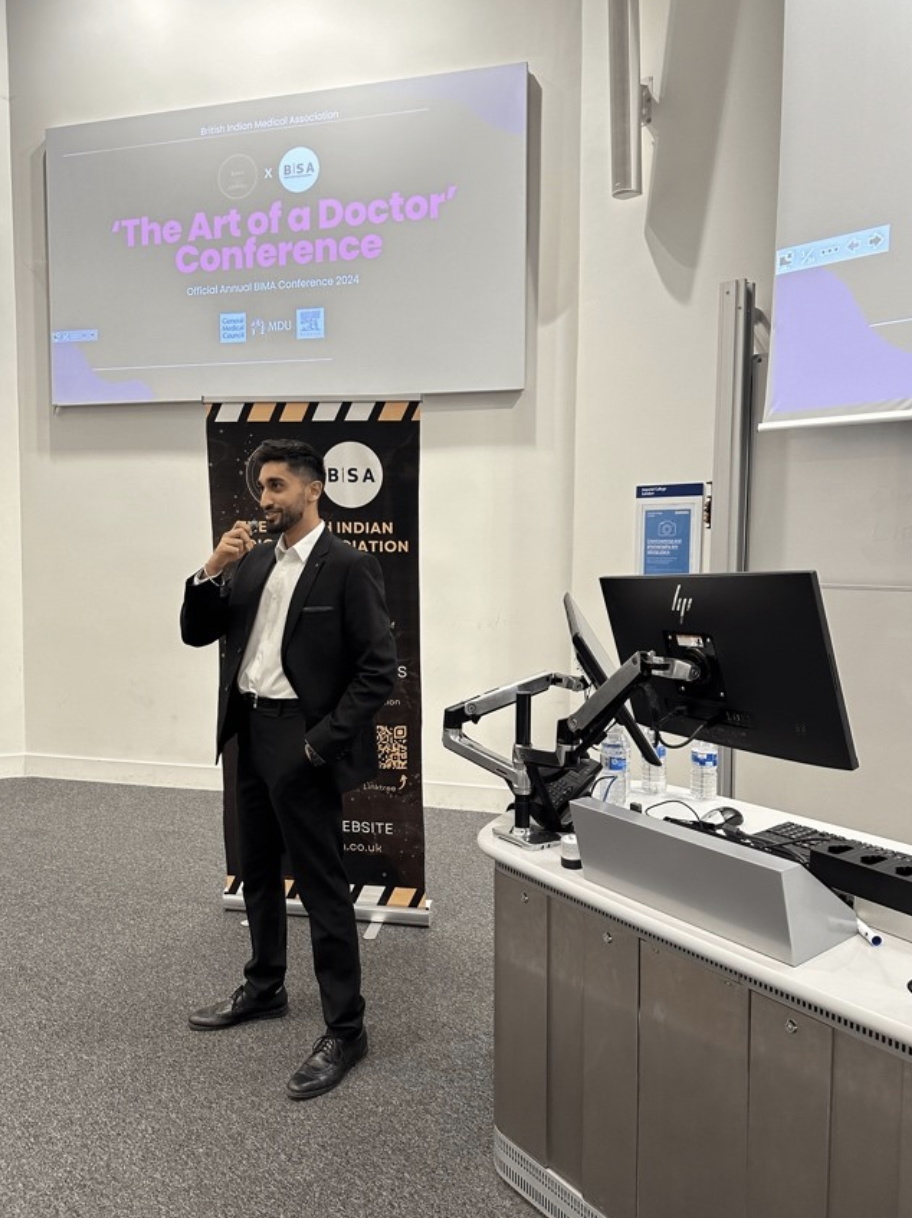
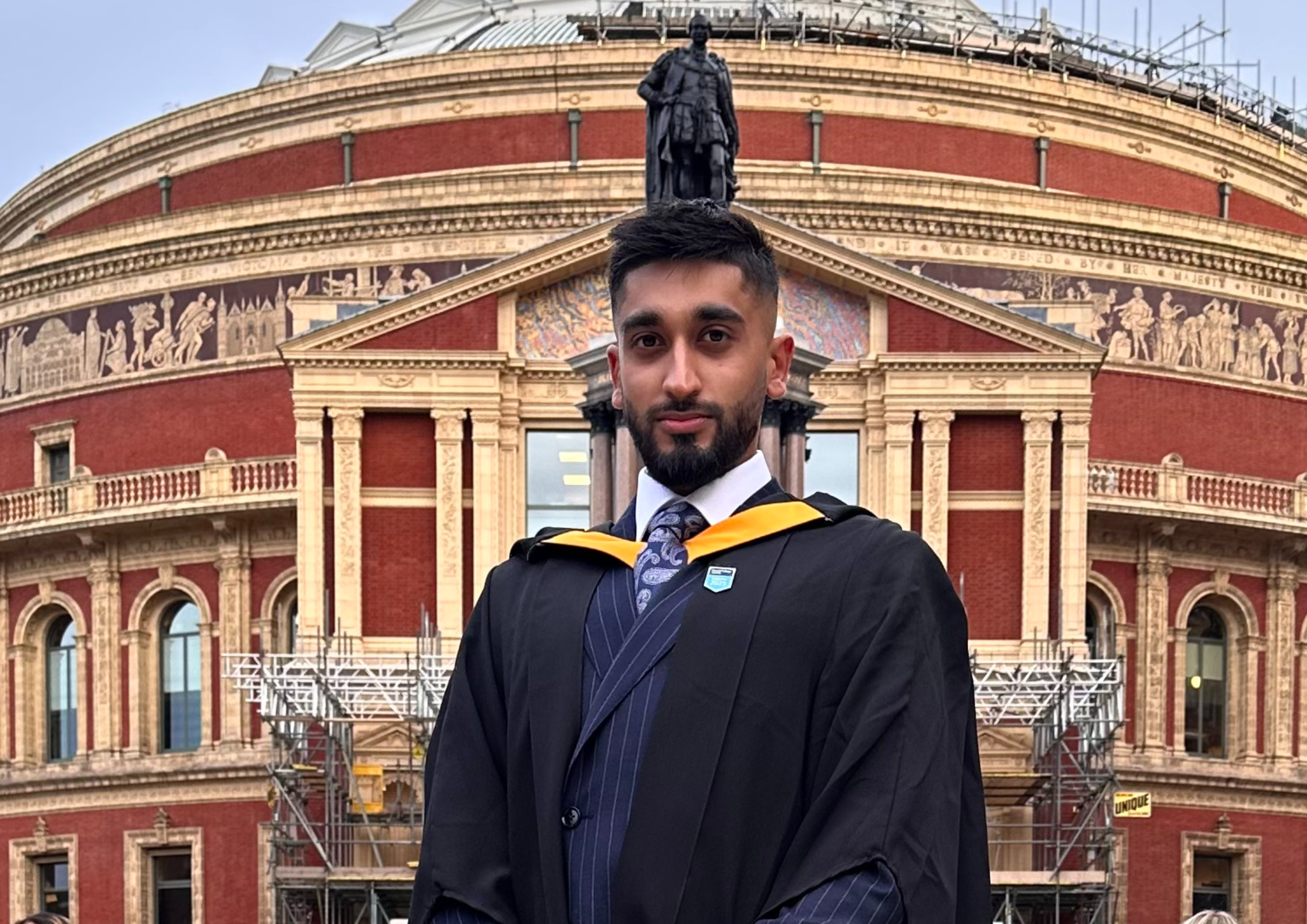 Final year medical student, Harroop Bola, and Founding Chair of the British Indian Medical Association, which received the Diana Award last year, shares how the association fosters mentorship, education, and leadership for medical professionals from Widening Participation backgrounds. He highlights BIMA’s impactful initiatives, from academic workshops to community support, inspiring the next generation of changemakers in the NHS and global healthcare.