STEM needs to face up to its problem with LGBT diversity

One of our PhD students from the National Heart and Lung Institute (NHLI) argues the importance of making STEM LGBT-inclusive, from improving visibility to expanding diversity initiatives to include LGBT people.
A large barrier to the creation of an inclusive workplace in science, technology, engineering and mathematics (STEM), in my experience, is the view that being out is regarded as “unprofessional” because it is seen as too “personal”, even though most of our colleagues are “out” as being straight without issue. LGBT people tend to depoliticise themselves in the workplace because there is a commonly held view that discussions about inequality are not regarded as relevant to STEM work. The term “LGBT” will be used in this post to refer to anyone who identifies as lesbian, gay, bisexual, trans or intersex, or who does not conform to society’s expectations in terms of sexual or gender identity and expression.
The lack of lesbian, gay, bisexual and transgender (LGBT) diversity within STEM subjects is a longstanding issue that is too often left out of conversations about broadening participation in STEM. It is estimated that LGBT people are approximately 20 per cent less represented in STEM fields than expected. Additionally, male LGBT undergraduates are much less likely to stay in STEM degrees than straight men. (more…)



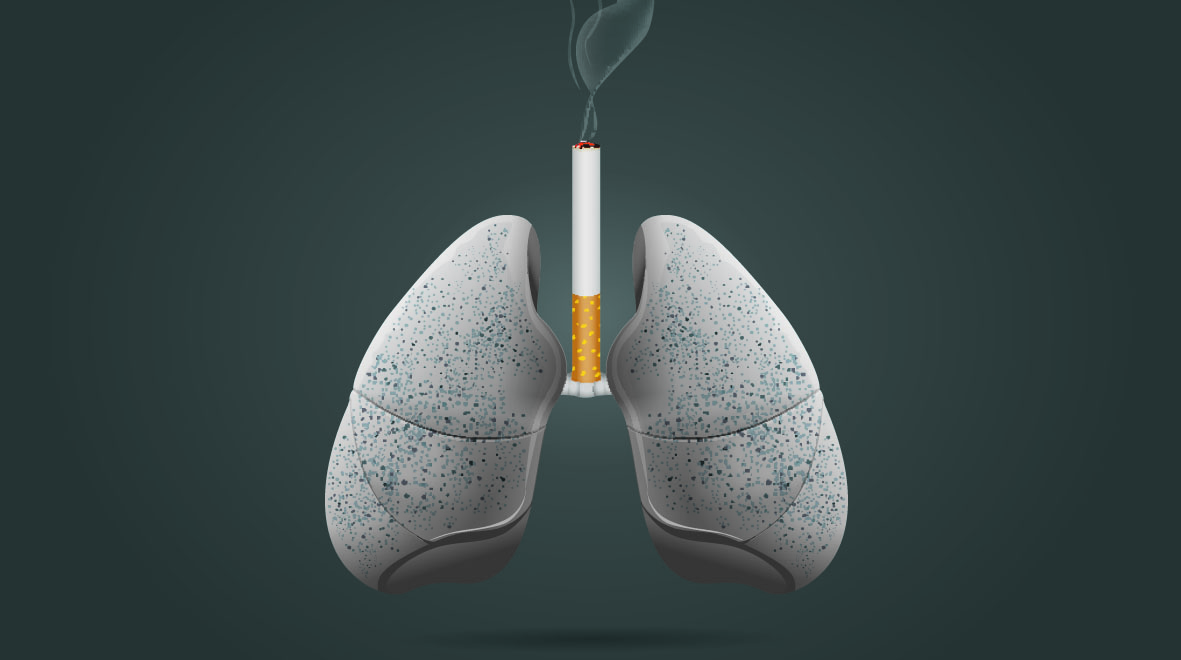 For World No Tabaco Day 2017, researchers from Imperial’s Muscle Lab provide an insight into how smoking takes its toll on our lung health.