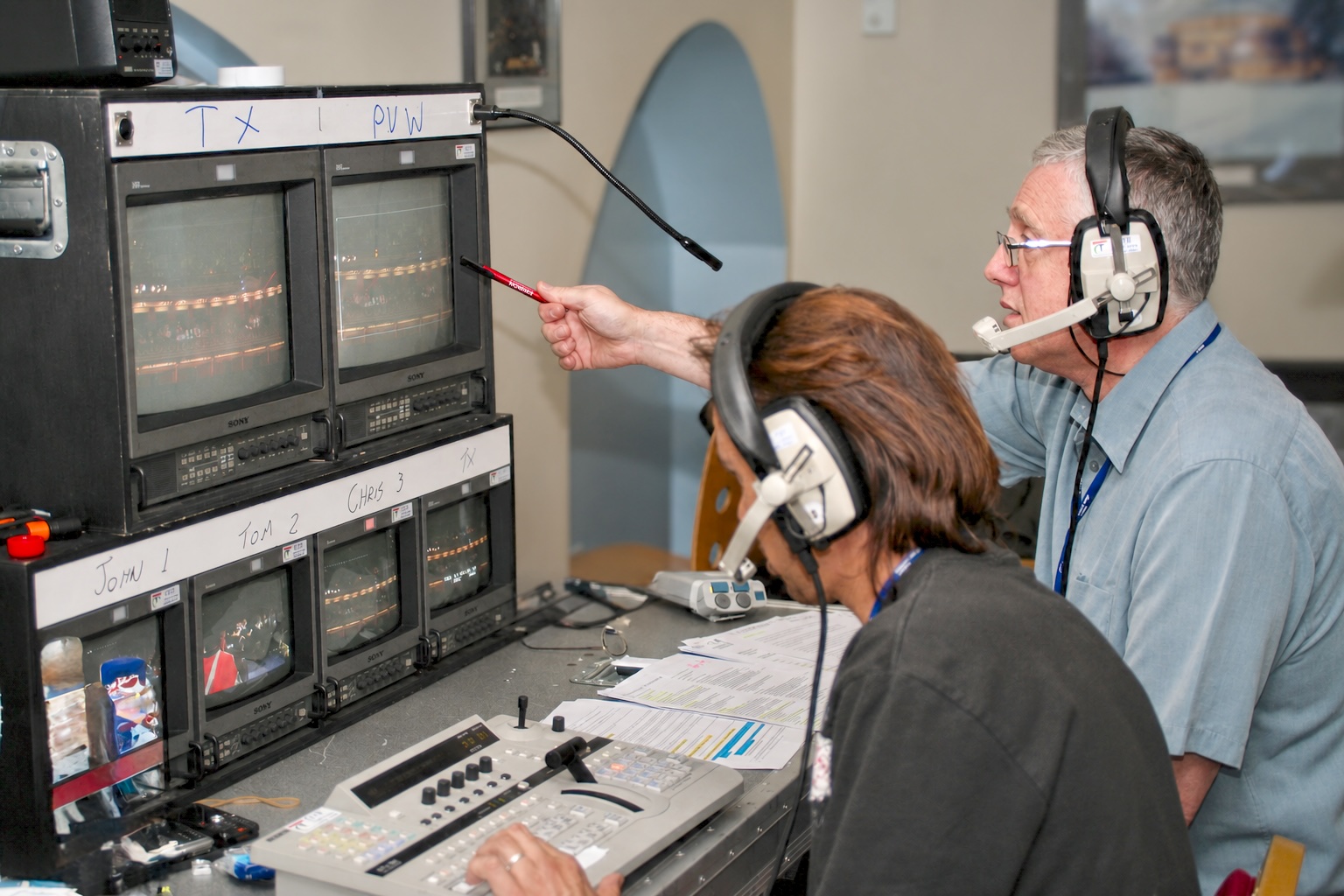
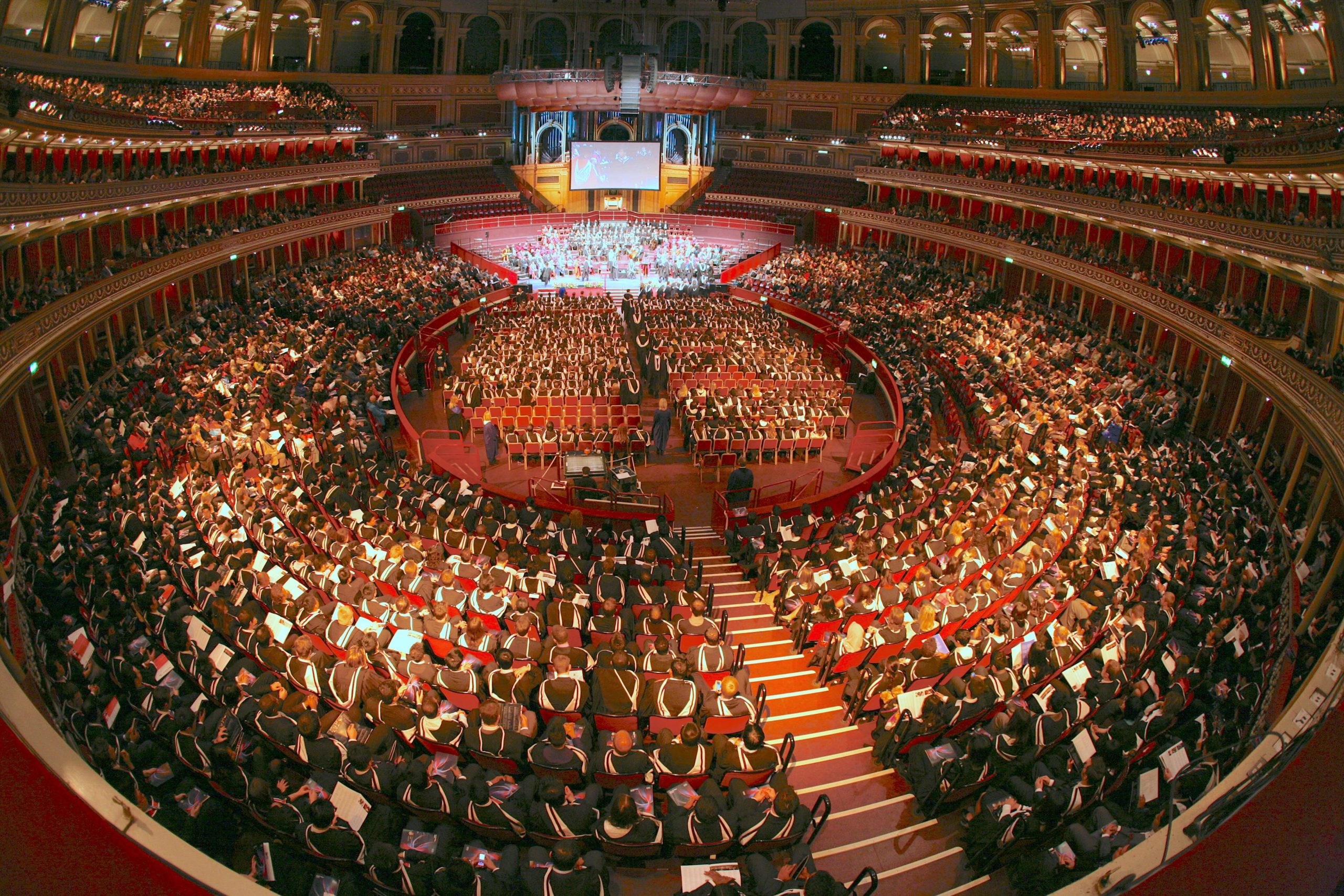
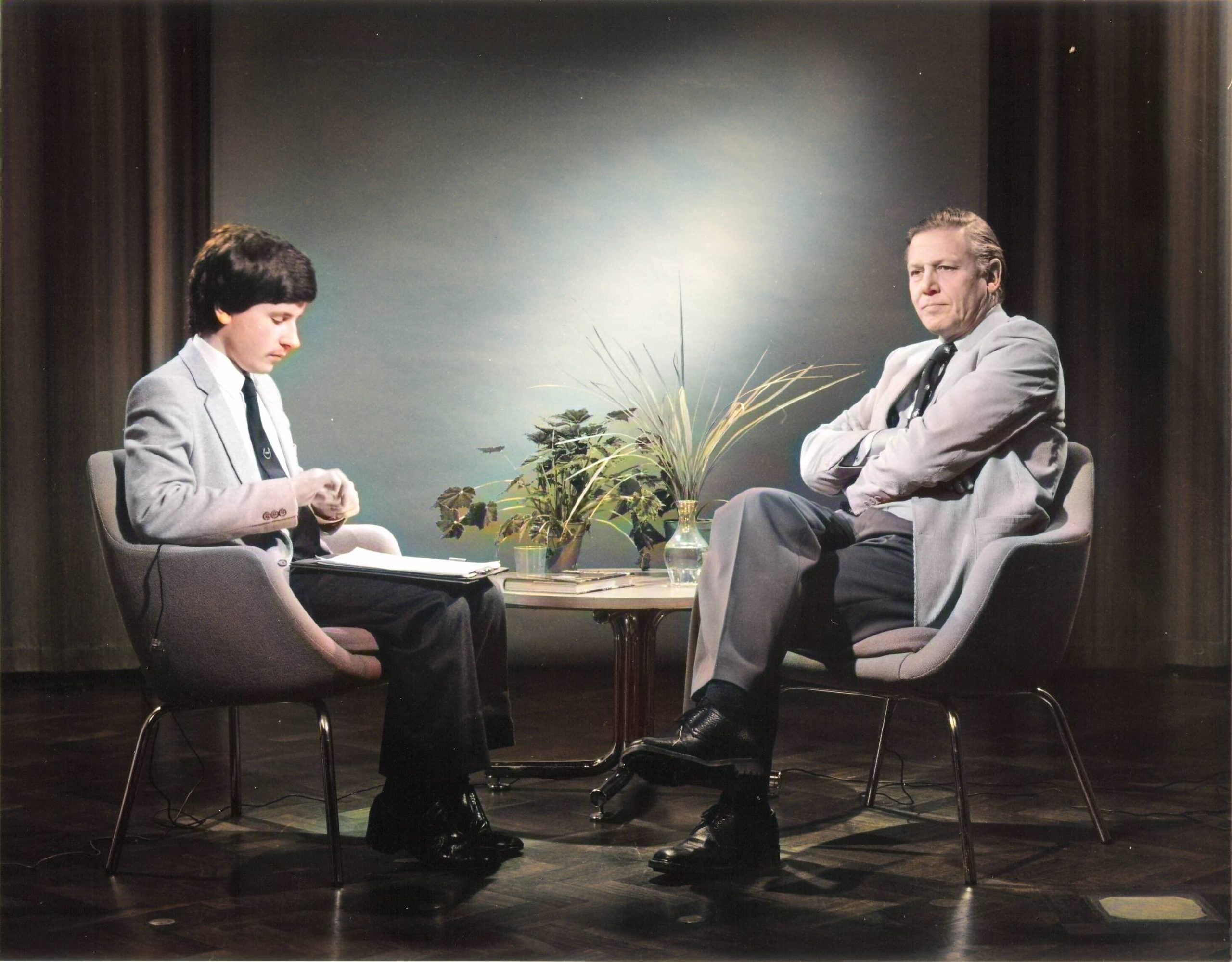
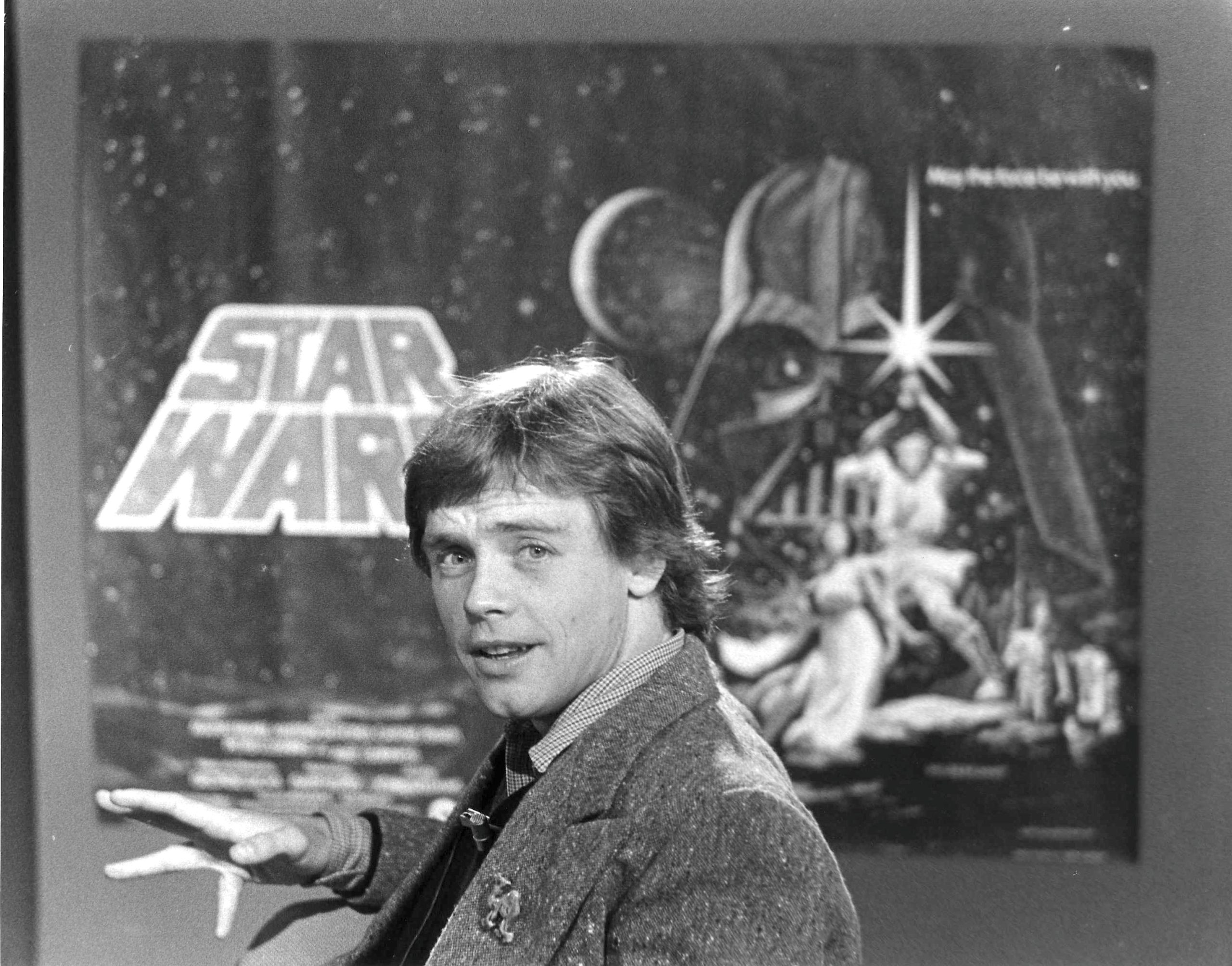
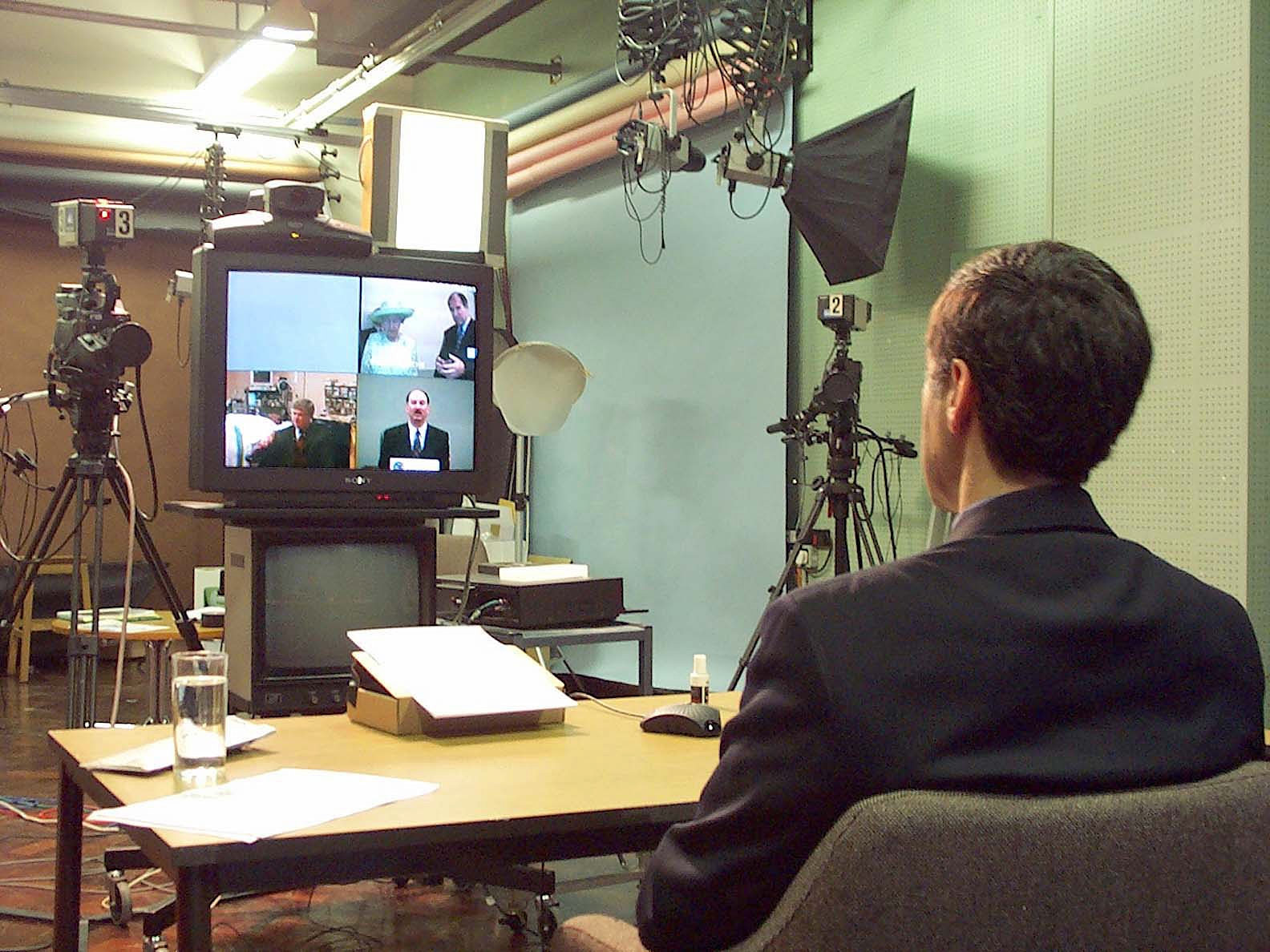
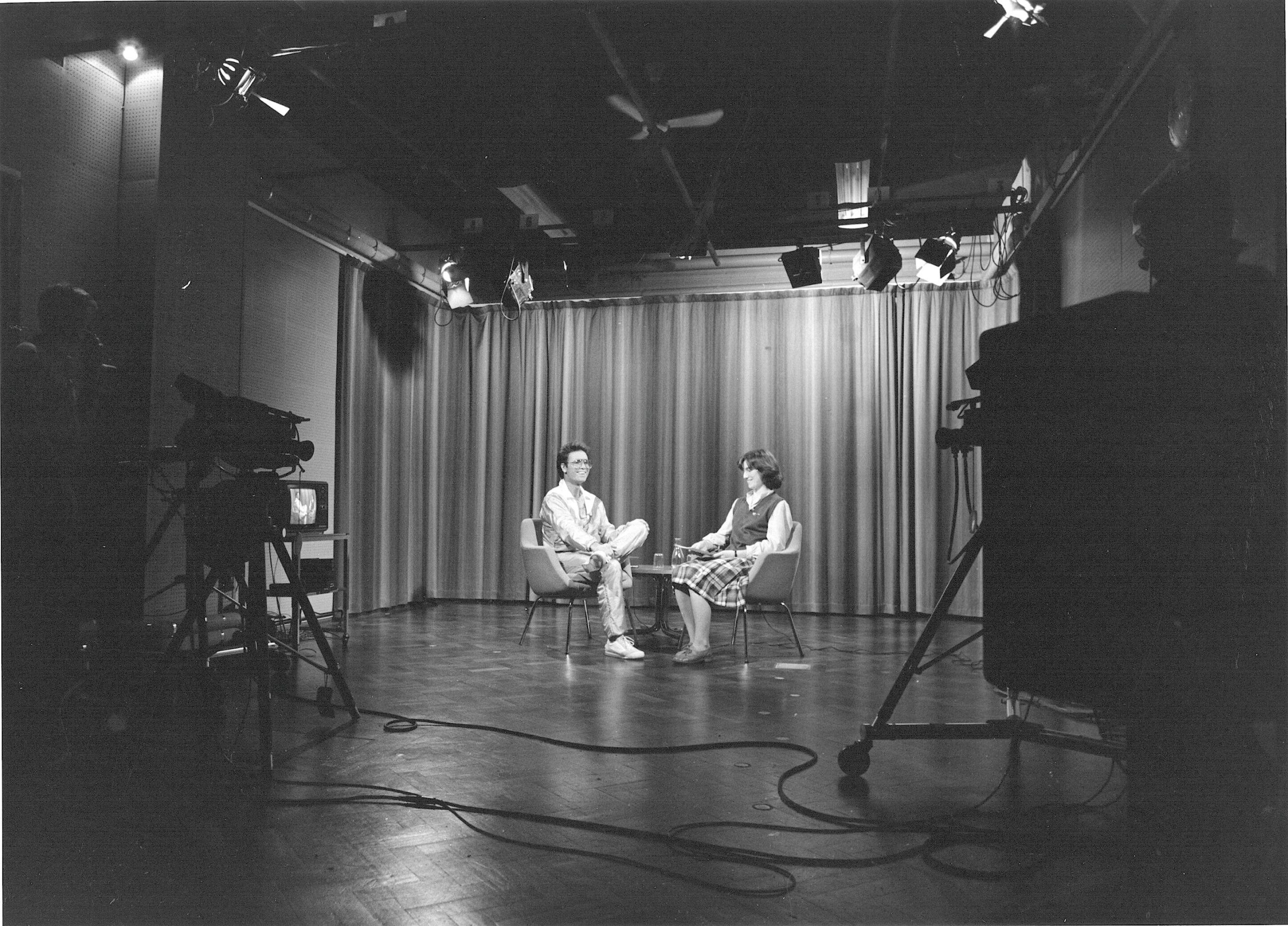
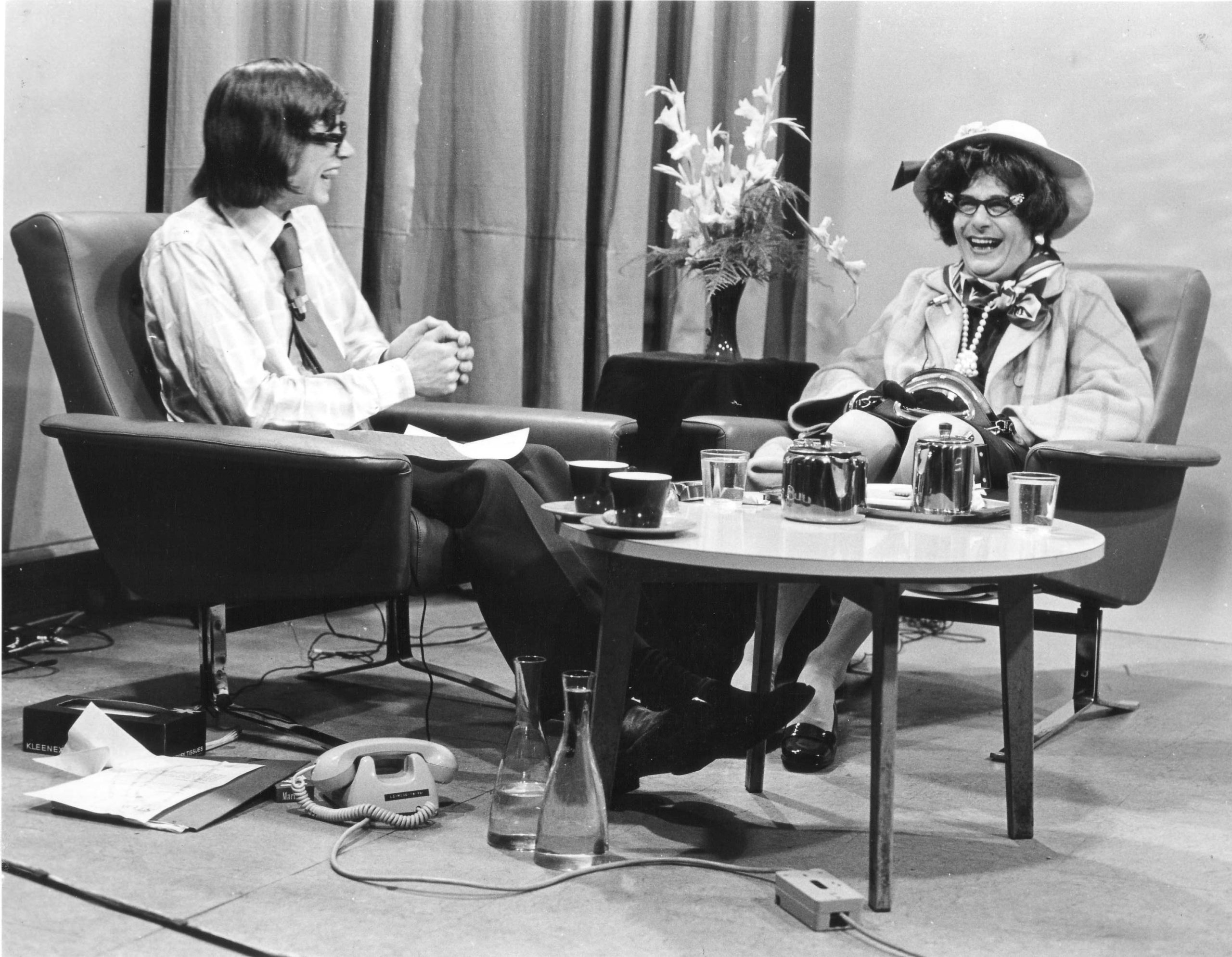
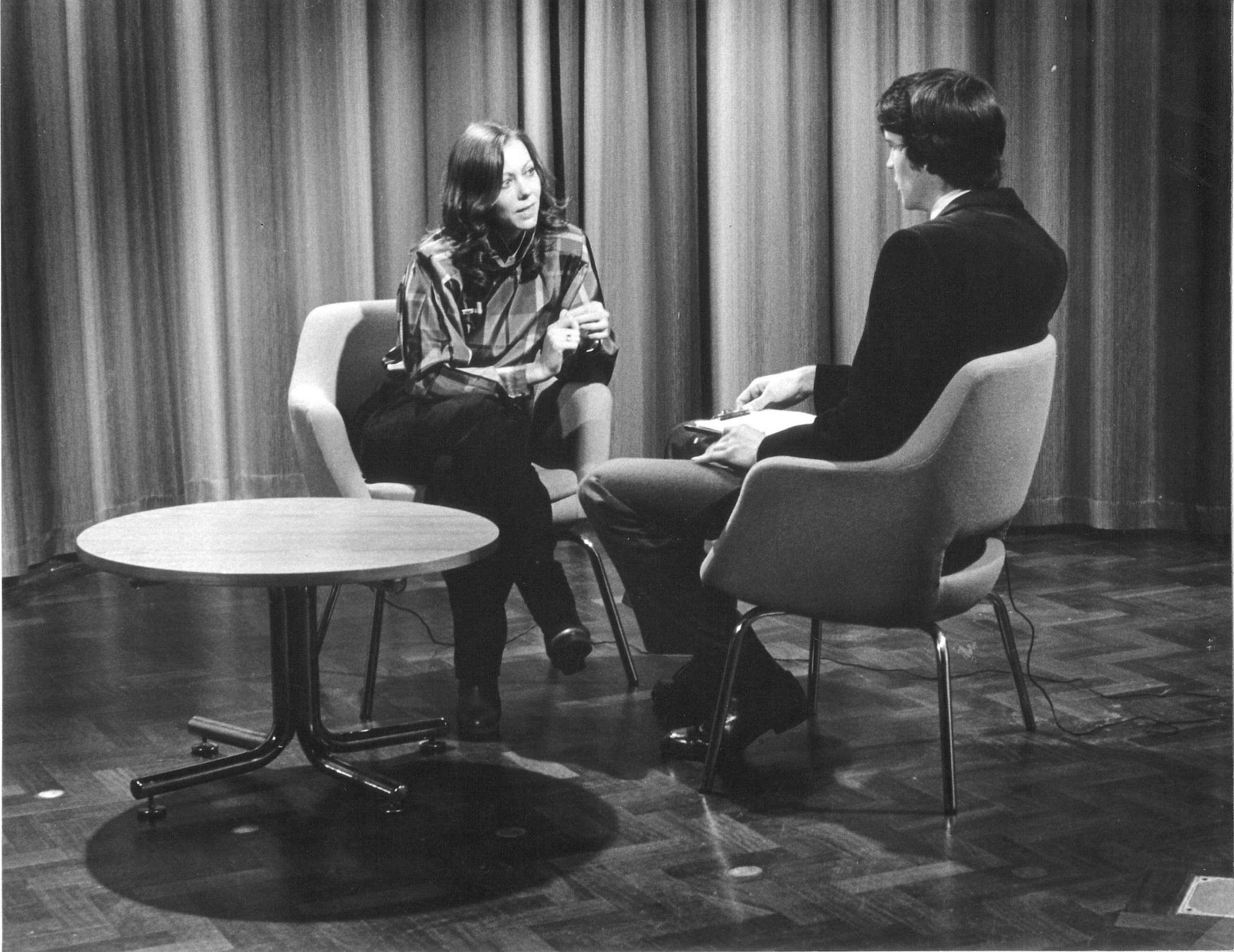
For the 1985 “Technology 2000” exhibition held at Imperial College, two videos were produced: Studying for the Future and Discovering the Future. Both made use of the same visual stock-footage material, such as teaching, research, and campus footage. Studying for the Future was a promotional video for potential undergraduates. I’ve managed to colour-correct and enhance the 40-year-old videotape.
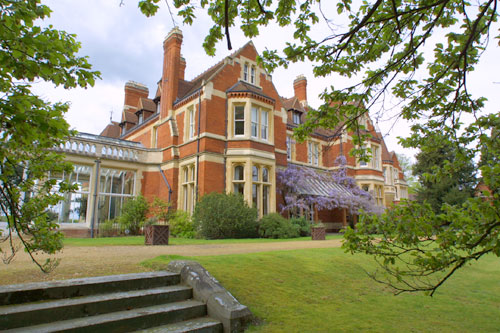
A lot of what you’ll see in this video has long gone—for example, the old main entrance, the college shop, the Reactor Centre, and the TV Studio. However, as I’ve said, it wonderfully captures what Imperial looked and felt like all those years ago. My memories are of a nicer, much happier and friendlier place back then, when people knew each other.
How much do you remember of the old place? Indeed, are you featured in the video, let me know?
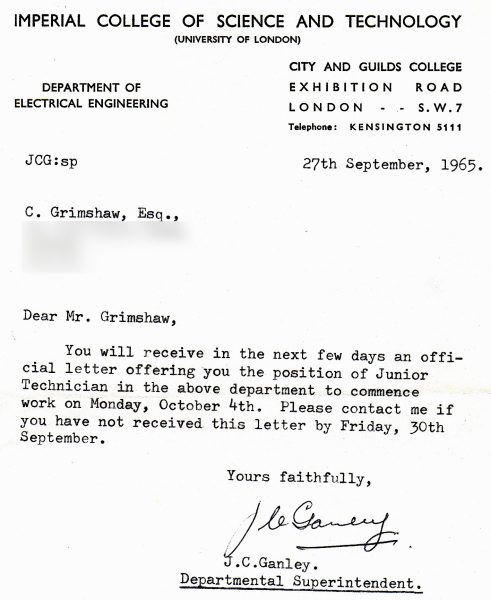
A rare personal blog post today, to mark the fact that I started working at Imperial College of Science and Technology (as it was then known) 60 years ago, today. As can be seen, I’d received the letter informing me that an official communication offering me the position would follow in a few days. I’ve just realised that there were only a very few days between the date of this letter and my scheduled start date, which was Monday, October 4th, 1965.
At the time, I had not realised that I would be starting in the Heavy Electrical Engineering Laboratory on level one, that was the laboratory of Professor Eric Laithwaite. Hence, my lifelong connection and cooperation with him until his retirement.
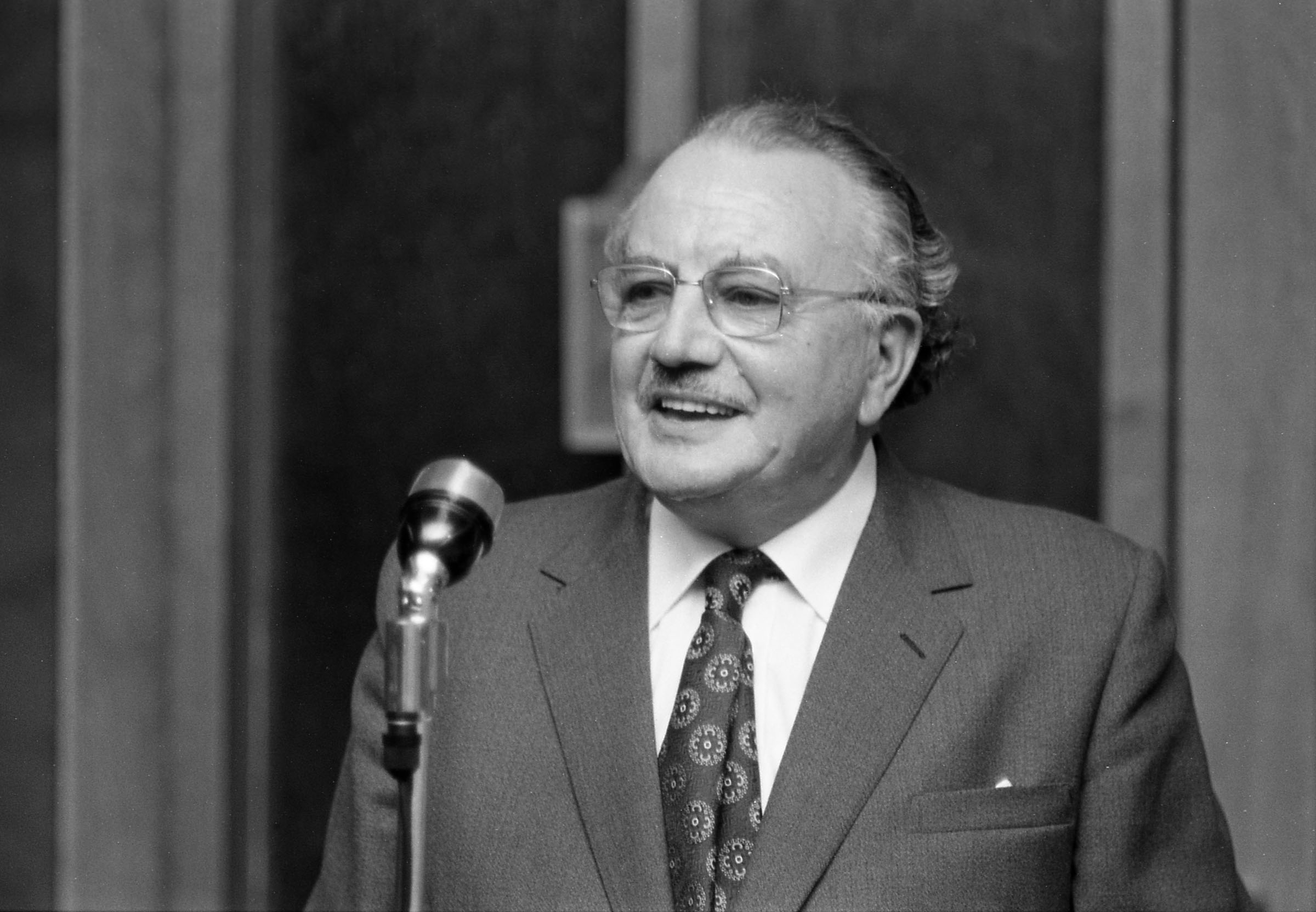
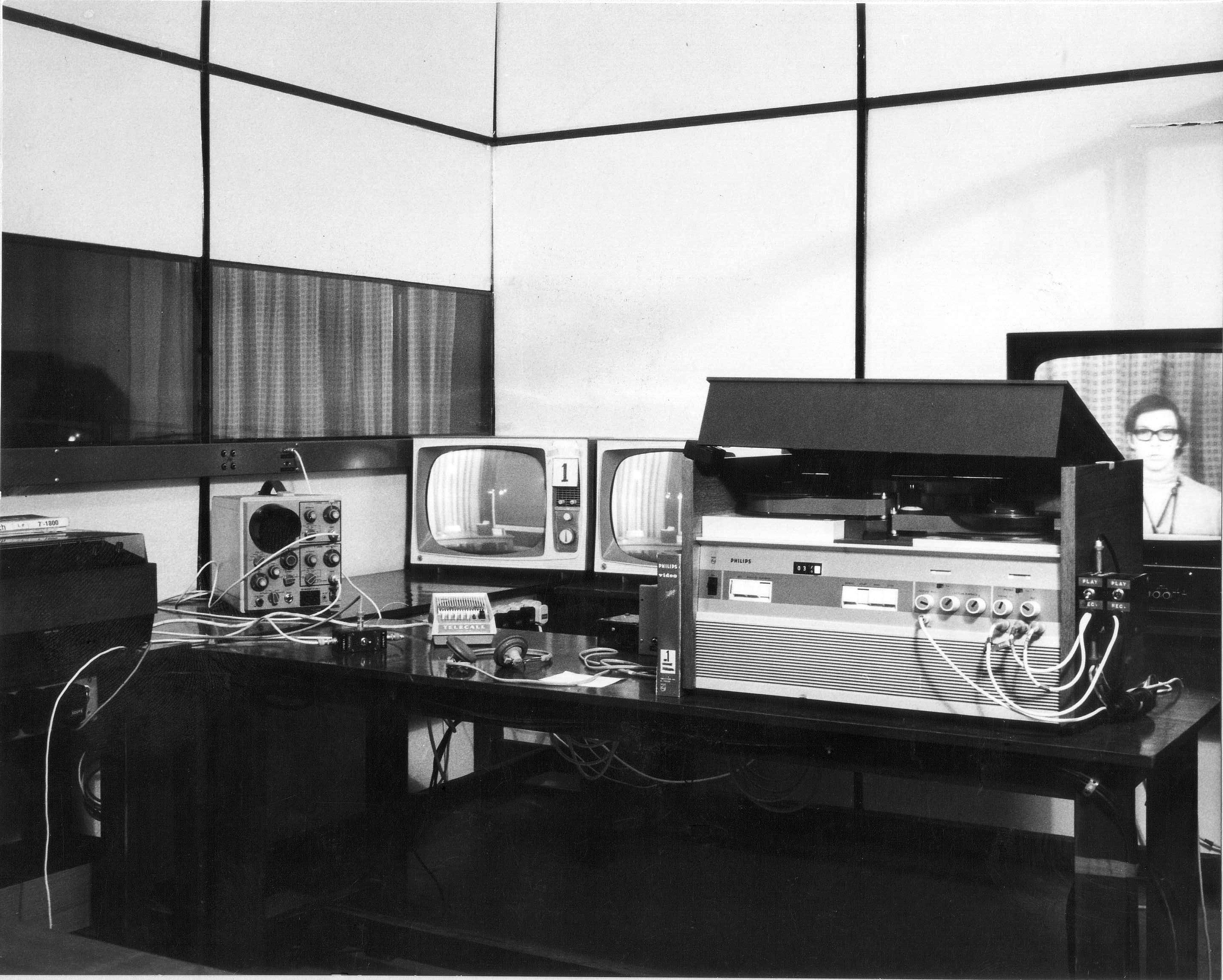
The letter that I’d received was from one of the longest-serving members of college staff, John Ganley (1909-1995), who is seen here speaking at his retirement in 1976 (he came to Imperial in 1924). He was the Departmental Superintendent in the Department of Electrical Engineering, where I was to work for most of my life. John Ganley was an enthusiast of the upcoming world of Hi-Fi and video. Almost at the same time that I had started working there, the department had acquired one of the first non-commercial videotape recorders made by Philips.
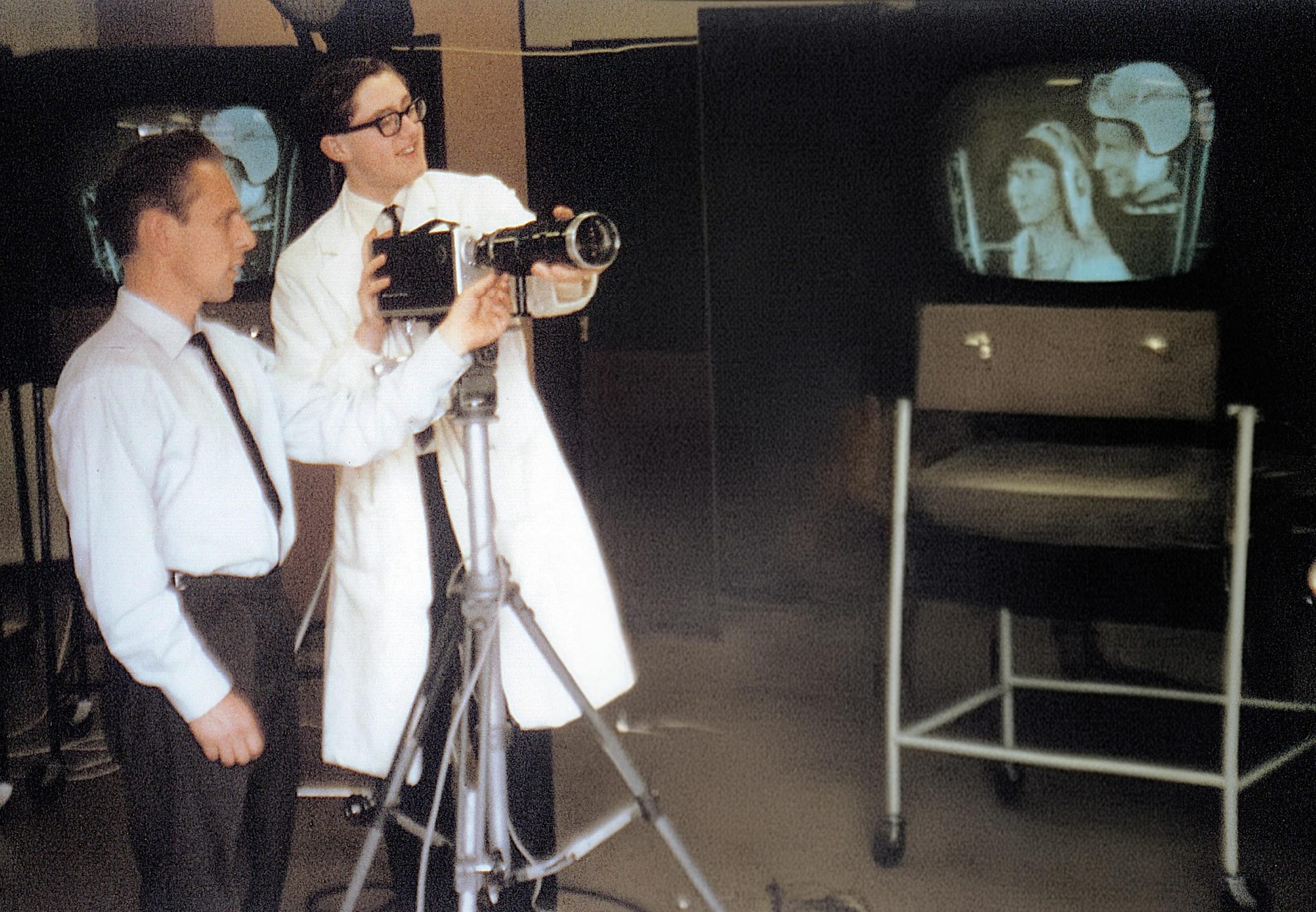
CCTV was starting to take shape in the newly formed Audio-Visual Aids section within the department. John Ganley got to know of my interests in this area and moved me upstairs to join Eddie Bristow, who then headed this new section and needed some permanent help. I’m in the photo, posing in a white lab coat behind one of the Pye CCTV cameras. The photo is from August 1967 and I’m really not sure why we even wore lab coats back then! Eddie Bristow is standing next to me as we pretend to make adjustments to the telephoto lens.
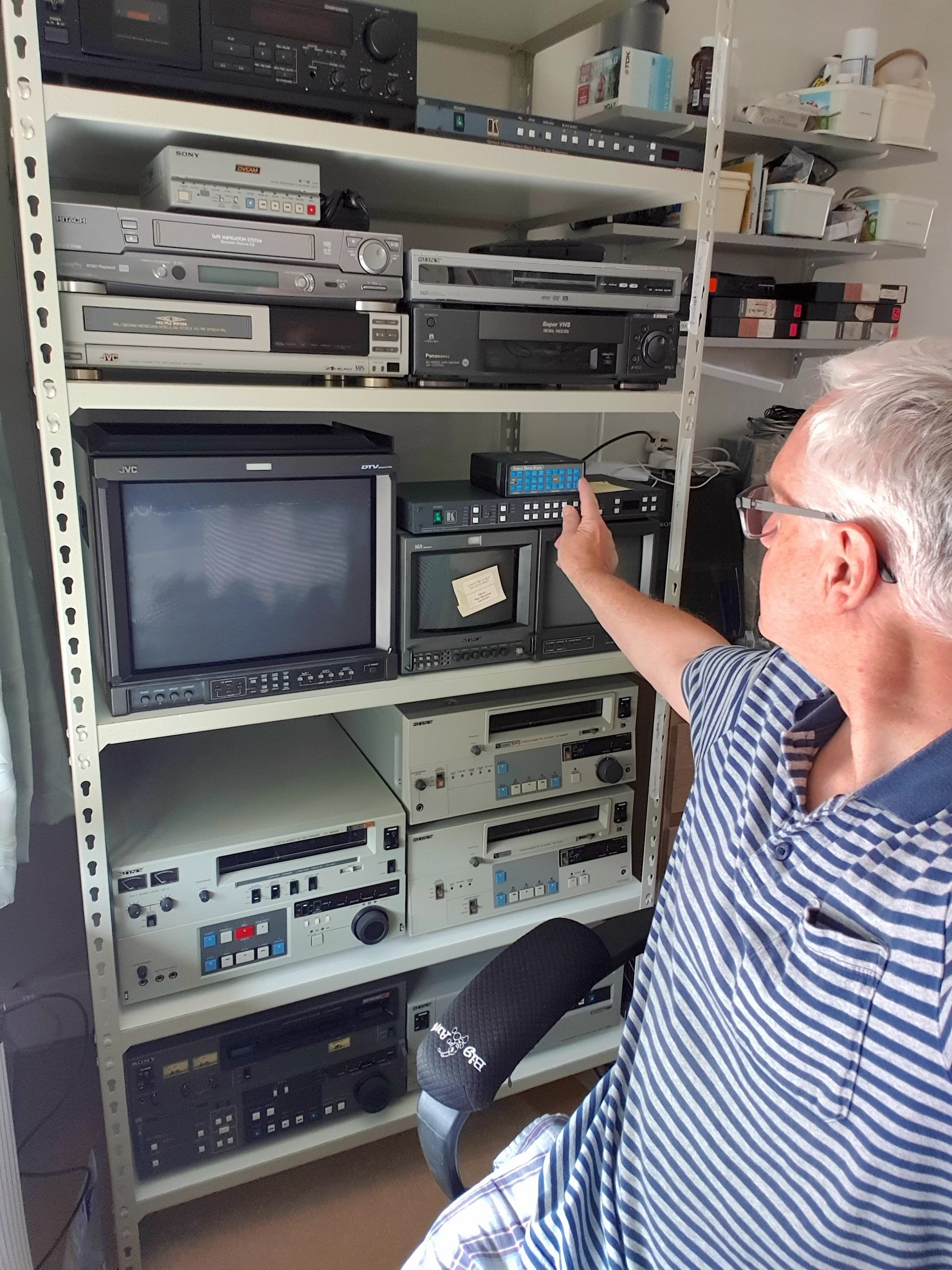
There are no actual videos in this blog post, but rather a link to a lovely web article from the Student Television Alumni Network. Dom Kullander wrote this article with input from me, and with photos from my collection. Of course, because it’s the student TV network the piece is specifically about the archive of STOIC and the efforts to preserve and digitise it. That’s me (here at home) seen over on the right, doing just that! Dom had been in contact with me last July (so nearly a year ago) and to be honest, I’d forgotten all about this article.
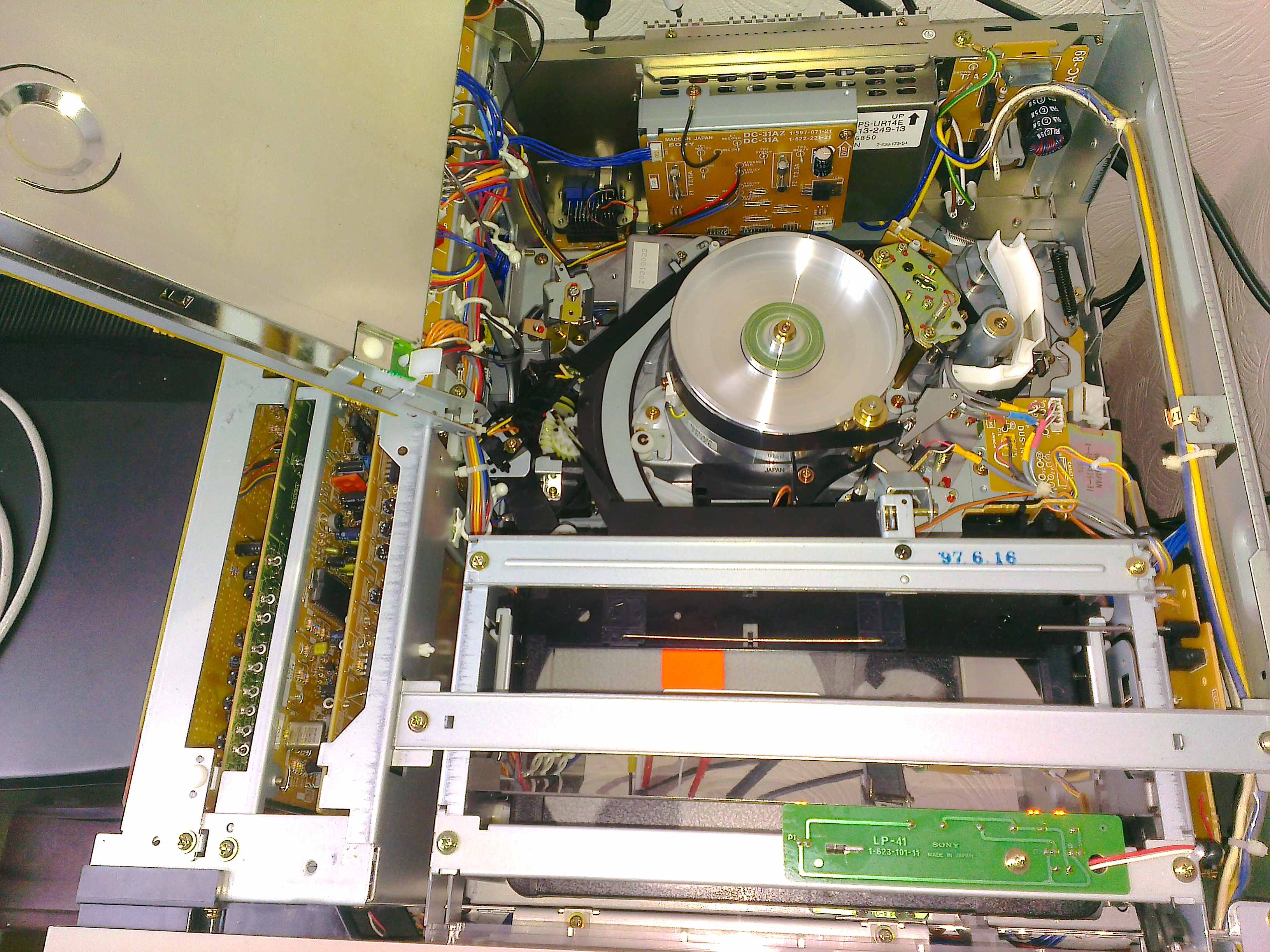
For how much longer I’ll be able to continue the restoration and digitisation of these tapes all depends on the videotape machines (U-matic machine with its cover off for cleaning, over on the left). These were made in the 70-90’s, and genuine spares are now unavailable. In most cases, service engineers (if you can find one) obtain parts by using older machines as a source of spares. Video heads are another matter—once they’re gone, it would be almost impossible to source replacements. As I’ve mentioned before, the Ampex One Inch A format video recorders are no longer available, so tapes made on that format are simply stuck in boxes in the archives. Time (and especially money) are not on our side…
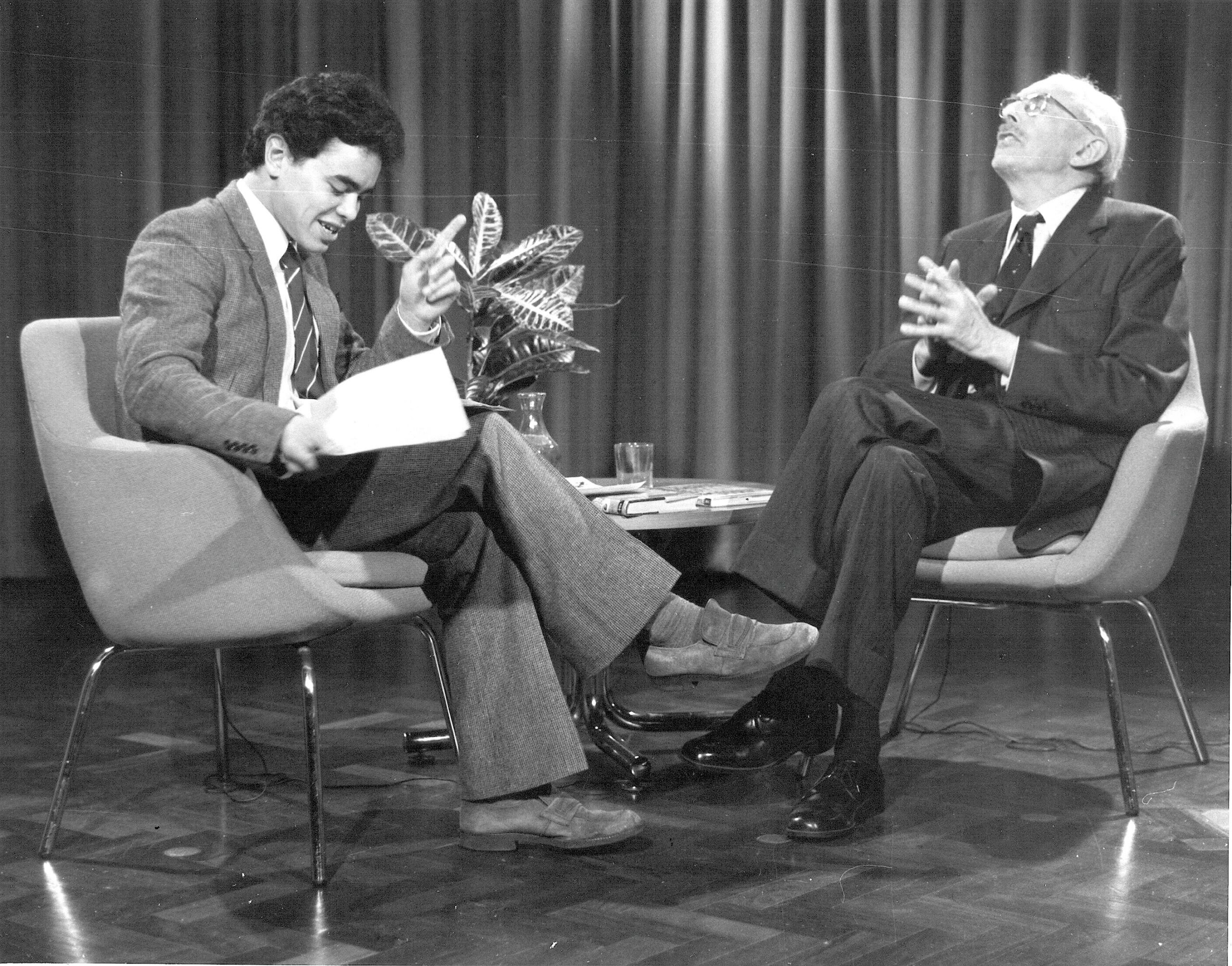
Here’s yet another video that I had completely forgotten about. It was when we were recently packing up the TV Studio videotape archive (not STOIC’s) for relocation, that I came across this video again. Bryan Steele was in fact a member of STOIC and had presented many items on their weekly news programme, hence his on-camera confidence. I do wish I could remember all of the details as to why we made this video in February 1980, but that’s over 45 years ago now!
Irrespective of why it was made, I’m glad we did. It features many of the demonstrations that were famously linked to Professor Eric Laithwaite. In the TV Studio we had a large number of his demonstrations, like the ‘jumping ring’ and down in his Electrical Engineering lab Bryan runs the ‘Magnetic River’ with the model train on it. However, I have never seen it in this strange brown colour. It’s usually painted something like blue or even white which shows up well on TV or film. If you search this blog you’ll find a few examples of these different colours. Guess who appears from behind the camera to return the model train to Bryan after each run!
I’m assuming that Bryan was linked in some way to the “Pimlico Connection” that did undergrad outreach visits to schools and hence this video. I’d marked the videotape with “a video made for schools’, but that’s not in the actual title sequence. The video was made within the first 6 months or so of having moved into colour and we’d not even created a TV Studio logo in colour by that time.
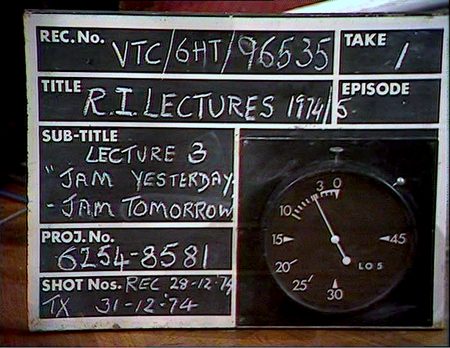
50 years ago on this very day I was with Professor Eric Laithwaite at the Royal Institution in London. We were recording a section of the 1974 Christmas Lectures Programme Number 3 “Jam Yesterday, Jam Tomorrow”. I’ve covered what we did in a previous 2017 post, but this time I’ve dug deep into my own archive for an extra gem that has never been heard before. I’ve also found the original tape that is on the Revox tape-recorder seen over on the left hand side so that we can hear it a little better. I say better, in fact that tape is actually falling apart, with the back-coating peeling off the plastic tape, it was a nightmare to transfer.
I won’t go back over what I’ve already written in that previous post but will fill a few more details into what happened these 50 years ago. The tape that was commissioned from the BBC Radiophonics Workshop contained a huge amount of stuff that we never did use. I think the Producer of the Christmas Lectures simply gave them a brief to come up with a load of stuff featuring sounds that were backwards. They seemed to go overboard with speech at various speeds forwards and backwards and it was not what we really needed, so was not used. The one track from them that we did use was a Palindromic music sequence where, in the live lecture, I pointed out where the backwards and forwards started and stopped. Interestingly, although the sections you can hear below are technically forwards and backwards in truth they are not. The Radiophonics Workshop simply created the music and ran the notes forward, but when in “reverse” it’s the musical notes played in a reverse order not actually the sound backwards.
When it came to my “Happy Christmas” recording, that was truly me speaking the sounds that I heard backwards. I had to mimic my original sound recording when I heard the words coming out backwards. This is the difference with the Radiophonics music recording.
Both Professor Laithwaite and I had some extra fun with the whole speaking backwards experiment. In the week leading up to the actual lectures we had a visit from BBC Radio 2 host John Dunn (1934-2004). He had a daily show called Late Night Extra and he wanted to feature what was about to happen during lecture 3. I stayed up very late on the night of the broadcast and captured it for posterity. I doubt many will have already heard it.
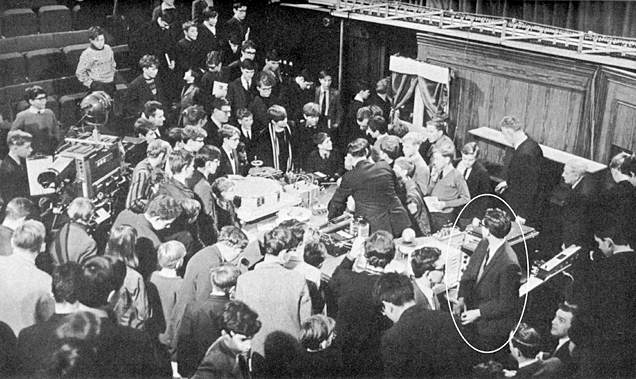
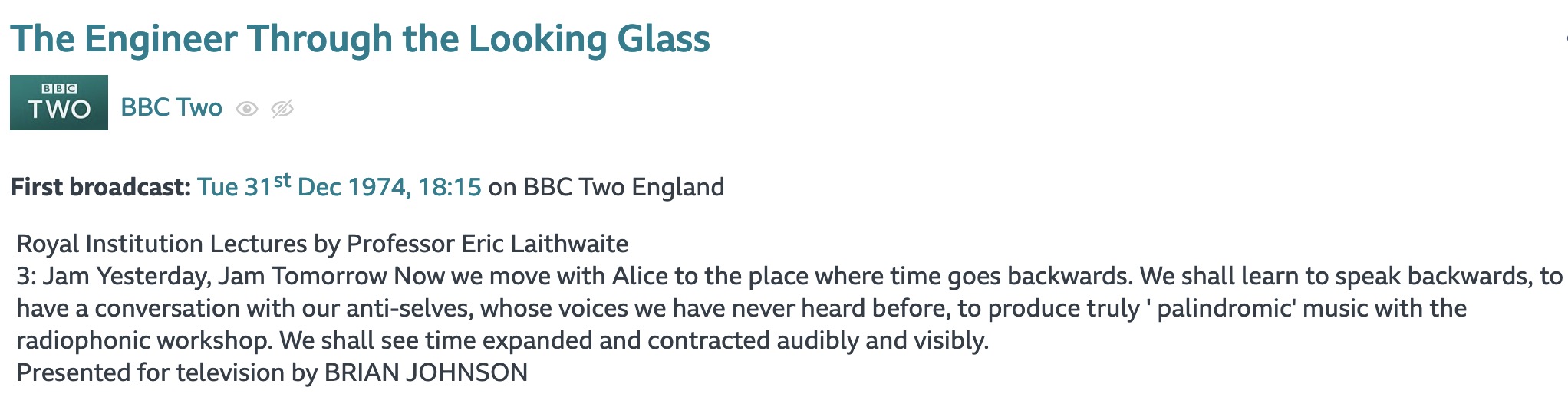
The lecture was broadcast on BBC 2 on New Year’s Eve, December 31st 1974. College was actually open and running that day, so I stayed late for the transmission which I recorded onto videotape. I subsequently got my own DVD copy from the BBC’s original master videotape which is still held in their archives. Incidentally, I was also involved with the original 1966 series that Eric Laithwaite presented called “The Engineer in Wonderland”. Those tapes were sadly wiped by the BBC but in this photo you’ll see me indicated over on the right hand side.
Here I am with Professor Eric Laithwaite about to play my backwards recording.
From the original master audio tape here I am with that recording, but this time I’m letting you hear what it sounded like when it was recorded and before then being played backwards to come out forwards (are you still with me?) Keep an eye on the caption at the top where you can see when it changes direction.
This is the original Radiophonics recording of their “Palindromic” music.
John Dunn from BBC Radio 2 Late Night Extra on 19 December 1974.
Back in 2010 I posted a blog about Silwood Park and I included the small joint documentary that we made between STOIC and the TV Studio. In a recent batch of tapes being digitised I found a short promotional clip for the documentary that Tracy Dudley (Poole) had made; the clip was in an edition of News-Break on 29 April 1981 . The interesting thing about this clip is that there are shots that were not used in the final edited version that’s linked up above.
So, let’s go back some 43 years to see that short footage, unseen until now.
From my personal archive I’ve dug up yet another piece of college history. Way back in 1974 the then Chairman of STOIC Mark Caldwell (photo right) and myself, were interviewed on BBC Radio London. You may wonder what the connection is between STOIC and BBC Radio London. Well, the very first Chairman of STOIC was Andy Finney who just happened to also be heavily involved in radio. From student TV to local (and also national) radio, Andy had a very full career in many areas of broadcasting. But on this occasion, he remembered his connection with Imperial and getting STOIC off of the ground in 1970 and wanted more people to hear about it.
On 4 November 1974 Mark and I went up to the then HQ of BBC Radio London in Hanover Square. Although we did video record the interview it’s still stuck on one of the Ampex One Inch videotapes that we’re still hoping will be funded to be transferred into digital. However, I do still have the audio recording as it was broadcast live and that’s what you can hear today. Andy mentions “TOPIC” which was the very first regular news programme made by STOIC. Its name changed to Lunchbreak and finally to News-Break.
So, going back 50 years, here is Andy Finney speaking with us both, live on BBC Radio London.
The article, about my work with the STOIC Videotape Archive, that’s in Issue 56 of the Imperial Magazine, is now available on-line. It looks a bit different to the printed version (linked above) but has the same text.
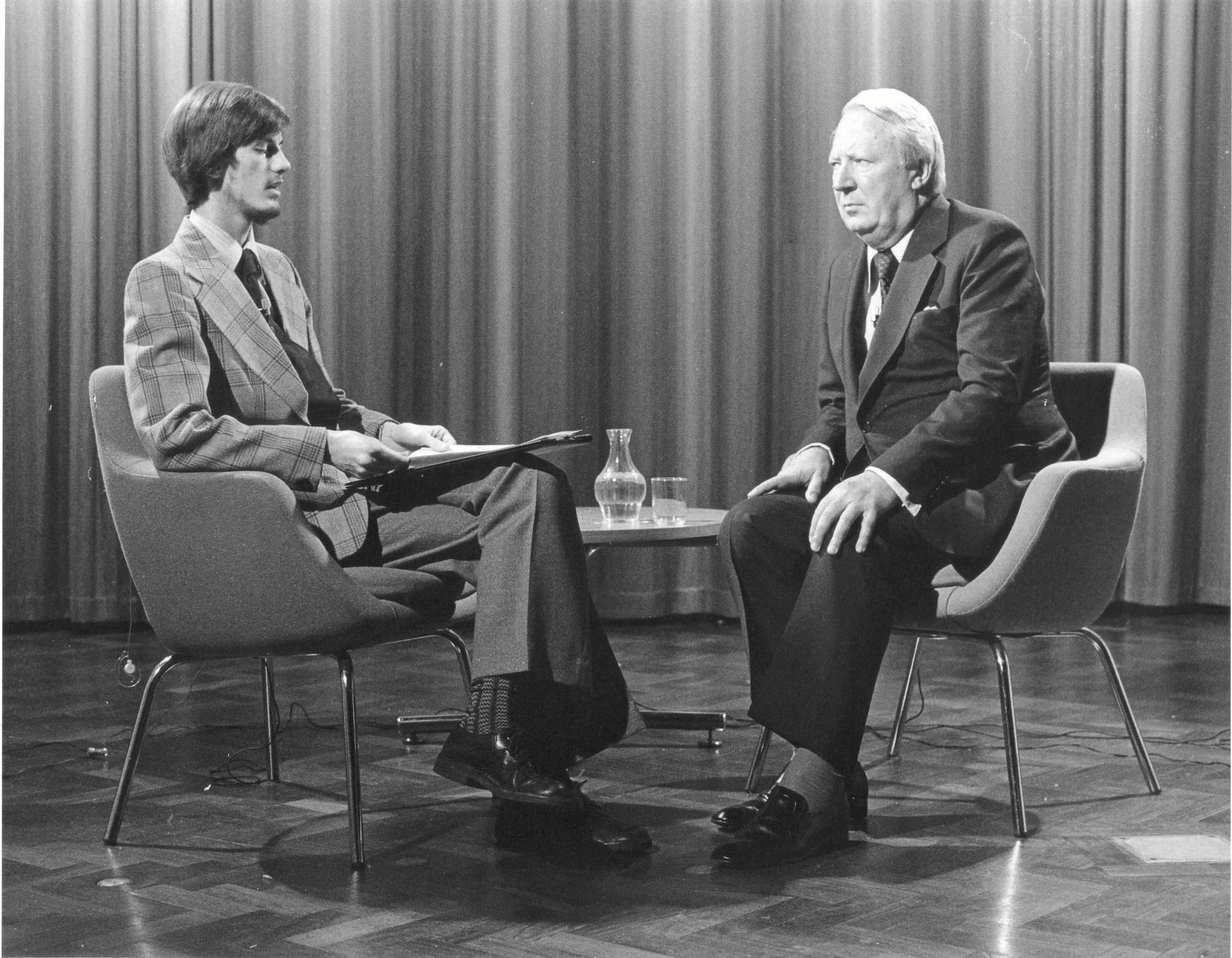
Today’s clip is rather fun because it’s part of a series that were made for candidates to promote themselves in the forthcoming student elections. These were shown leading right up to the day of elections and this particular video was from Lunchbreak on 2 March 1978. This was not a pre-recorded programme but rather it was put out live from both the TV Studio and also from the Great Hall during the actual hustings. We won’t be seeing the hustings today, although we do have them on videotape in the archive. Chris Drage was on presenters duty for this programme and if you listen carefully you’ll hear me on continuity at the very start over the STOIC logo caption.
Well, I’ve now worked my way through 90 videotapes that have been digitised. That’s 90 more occasions where I might find something very interesting or have something of historical significance to Imperial College. As you might well know, I’m doing all of this from home since I retired early, some 13 years ago. It can, at times, be a long process to capture content from even just a single videotape. Sticky-shed, as previously discussed, can make it impossible to play a tape back without heat treatment. But once completed (which can take a full day) a videotape might yield some interesting discoveries. Also, as discussed many times, the archive of STOIC is providing some incredible material with both interviews and also their coverage of college events. A recent discovery being that very short clip of Nobel Prize winner Abdus Salam in the Great Hall. I have also discovered a fascinating interview with previous College Secretary John Smith talking about his time as Governor of the Gilbert Islands. I’ll add this new video to my previous blog about him.
During the final few transfers, I found a very early clip of Pallab Ghosh who was standing for Felix Editor. My previous blog post included his 1981 interview about Wells Soc, but that was shot in black and white. This 1983 interview is in colour and is about him standing for Felix editor (which he became), it includes his election speech during the Hustings. He is now Science Correspondent for BBC News.
Simon Singh was elected as RCS President back in March 1983. He came into the TV Studio along with the rest of the executive and we now have those interviews digitised. He has gone on to be an author of many books and has presented several science TV programmes, so maybe his visits to our TV Studio helped him along that route. He was awarded an MBE in 2003.