Tag: Royal Family

VIP’s visiting the TV Studio
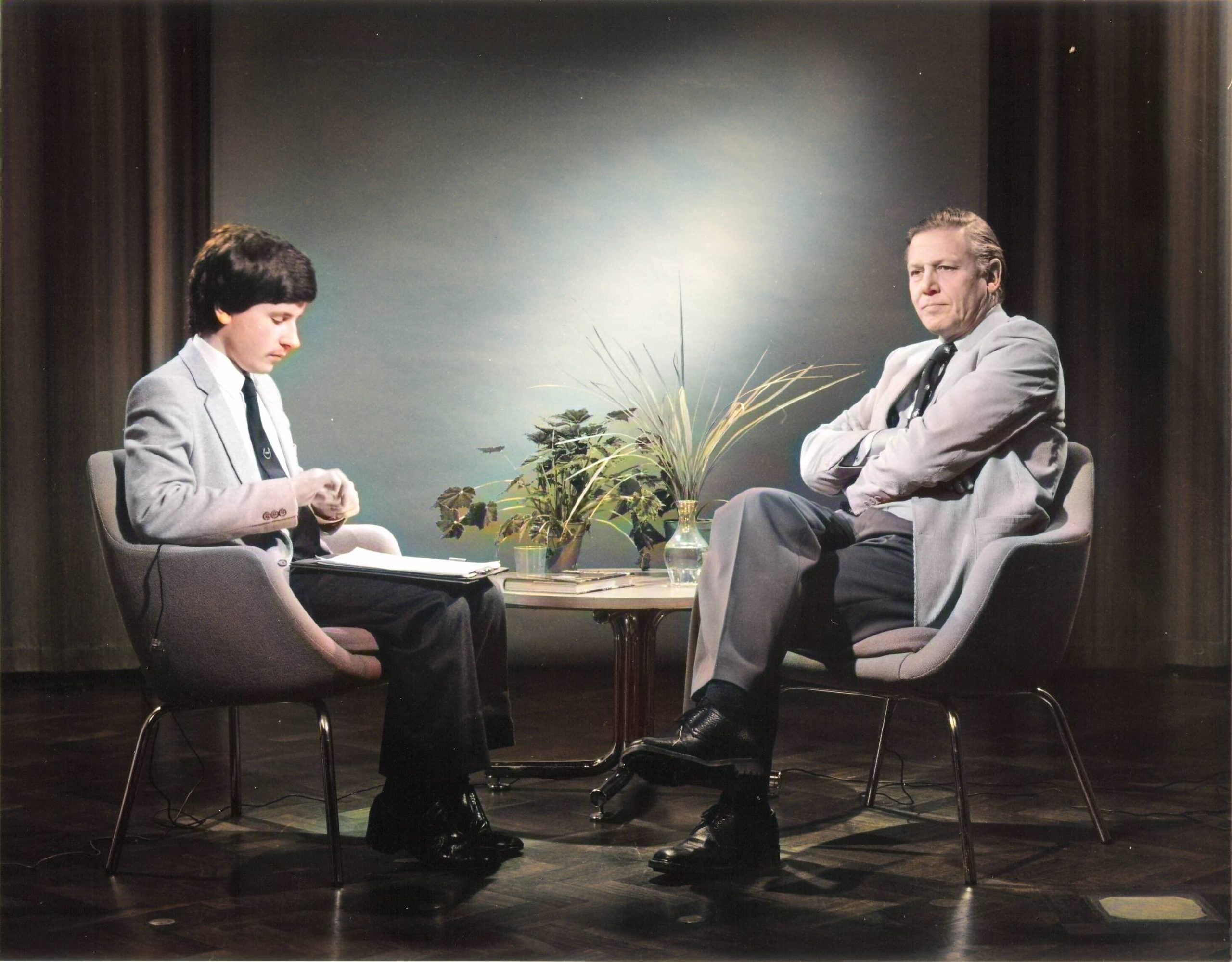
I was going through some of the many photos that we took in the TV Studio and realised that a great number have never been seen.

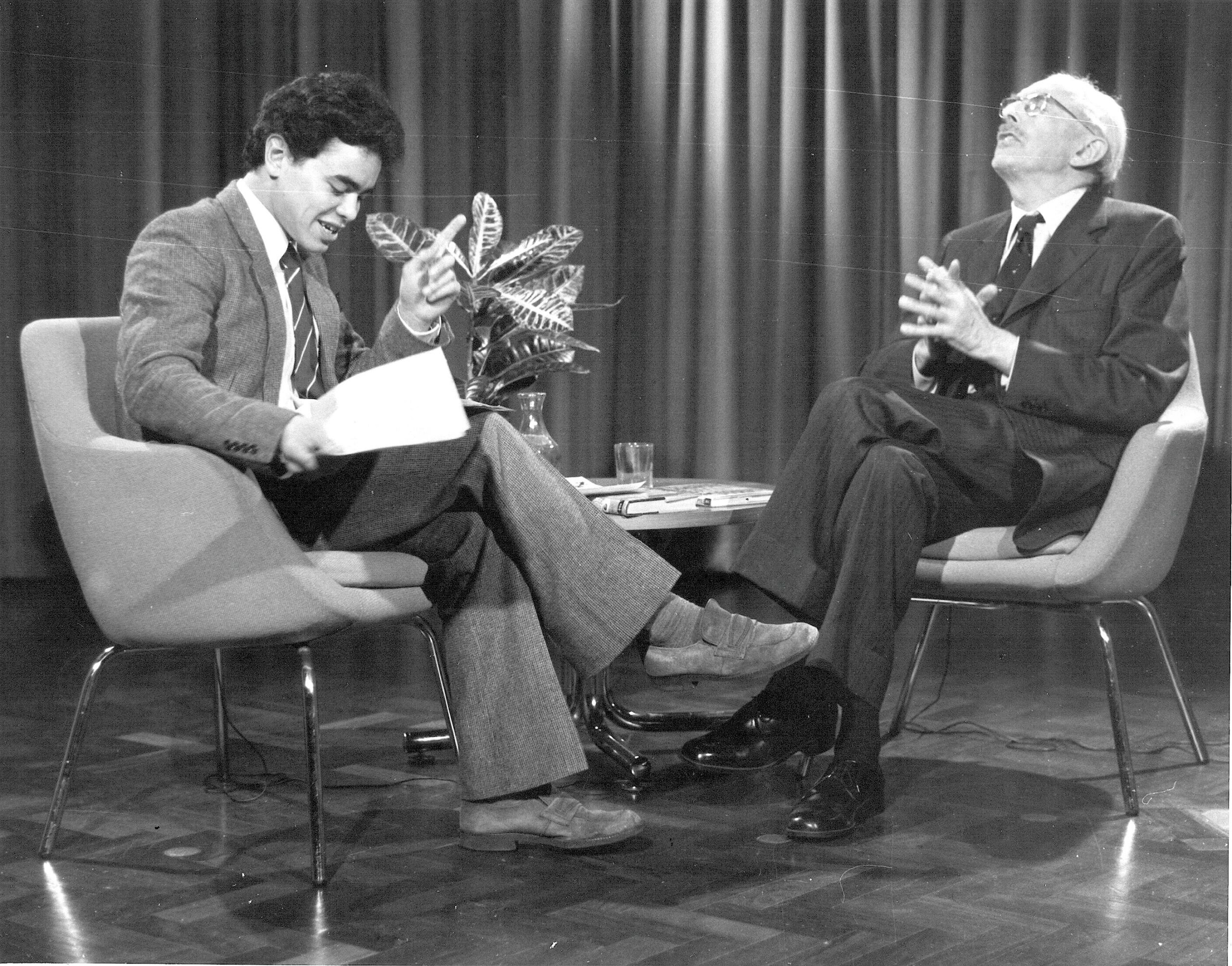
Because of the use that STOIC made of the studio, a great number of film and TV stars came to be interviewed. In 1982 Sir David Attenborough visited and is seen here with Lawrence Windley. We very appropriately added some plants into the set! It was also fitting that STOIC had, like the TV Studio had already done in 1980, moved into full colour only the year before. Sir David was controller of BBC2 when he moved the channel into colour in 1967 (this was discussed in the interview).
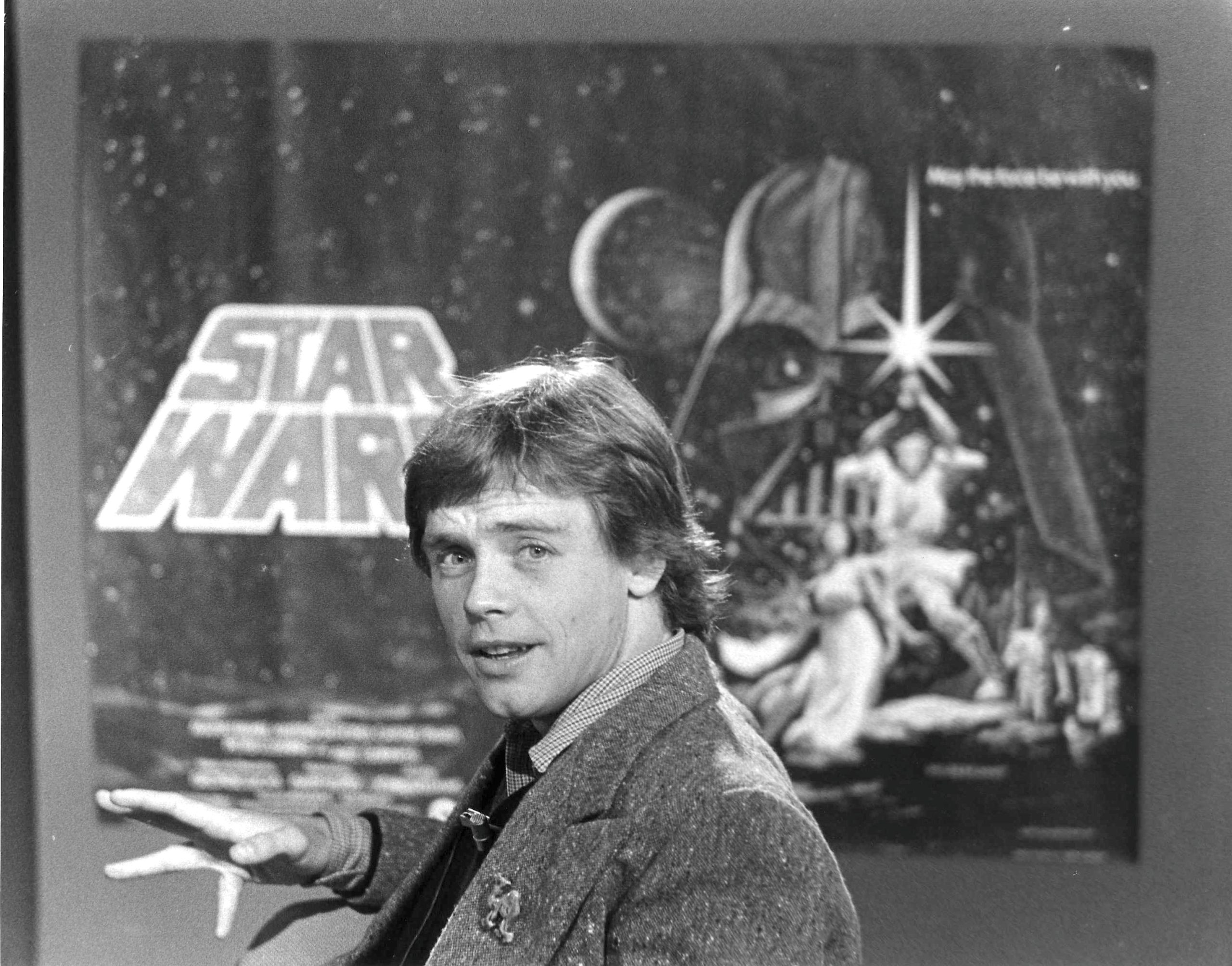
One of the big hits for STOIC in 1977 was a visit by two people associated with the then “new” film Star Wars, Gary Kurtz was a producer and Mark Hamill the main lead. No one realised what this film was going to start in terms of franchises. He signed my autograph book with “Galactically yours…”
This was also one of the many interviews that were transmitted over the old ILEA cable TV network.
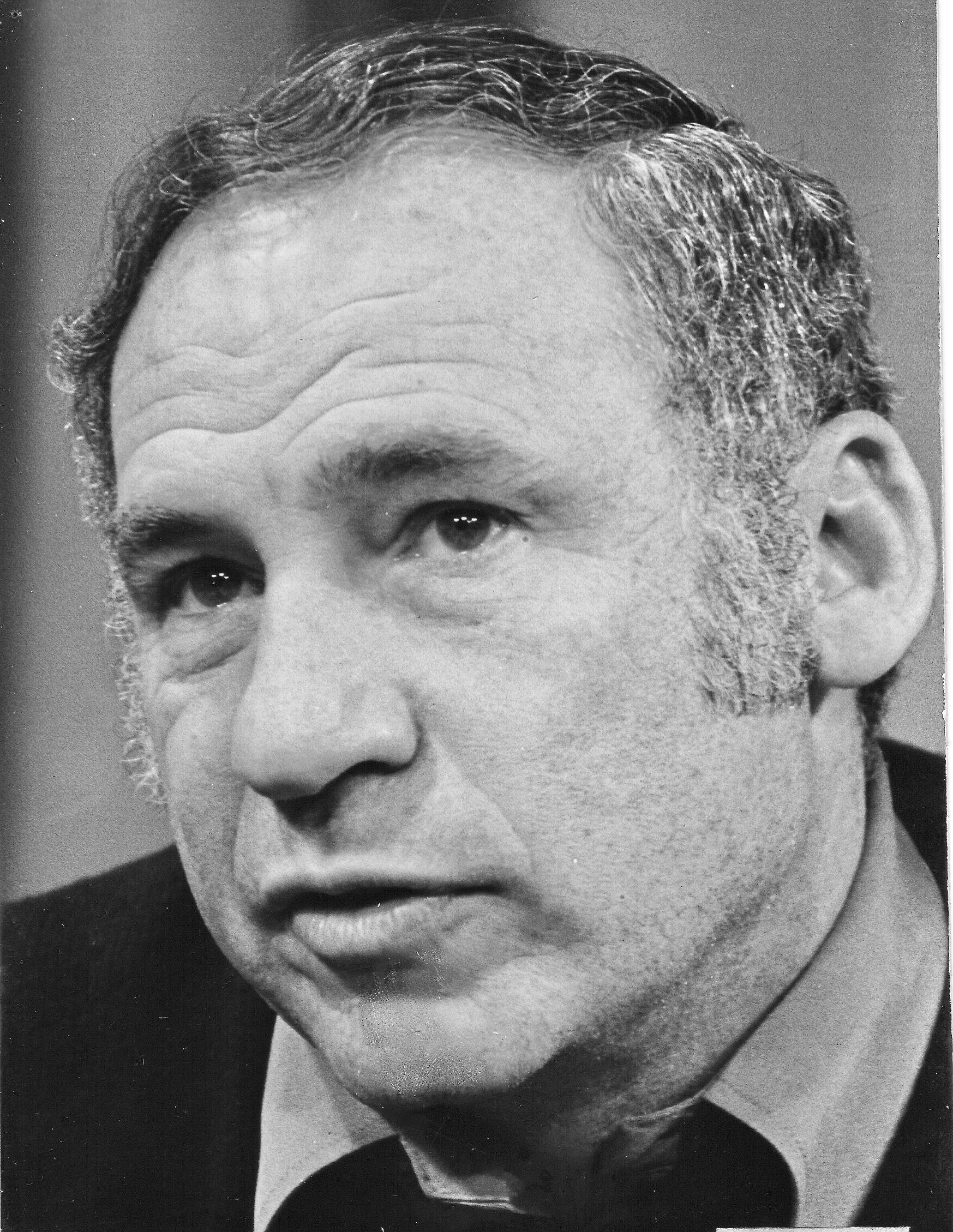
Very fitting in this year of 2026 is Mel Brooks, who visited the studio in 1976. He, like David Attenborough, has just turned 100 this year. So that’s two visitors who are now in their 100th year.
Mel was in the UK to promote his then new film Young Frankenstein. Prior to this I suspect that most people in the UK would have known him for Blazing Saddles….although we didn’t and had to find out who he was (no internet back then of course). In fact none of us knew anyone who’d seen his previous film. Looking back to that time now, it’s rather embarrassing. We now have a lot to thank the internet for.
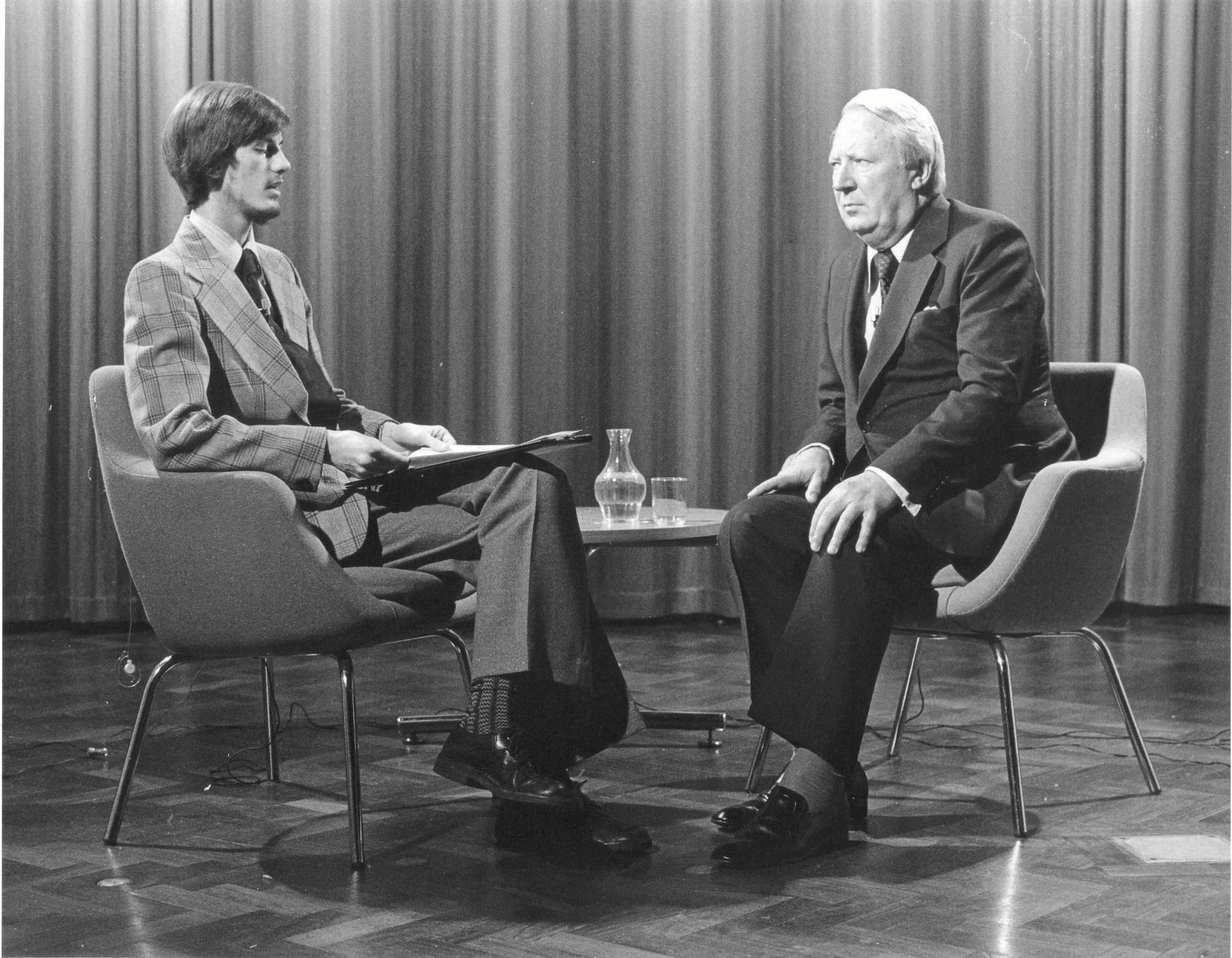
Even former Prime Ministers graced the studio with their presence, like Sir Edward Heath. Here he is speaking with former STOIC Chairman Mike Prosser. Sir Edward was PM of the United Kingdom from 1970 to 1974. While at Imperial in 1980, to speak at the student’s conservative society STOIC managed to get him to agree to walk along to the studio to be interviewed by the student television for their news programme. I’m not sure whether he had former PM protection officers with him but we certainly did with the next visitor.
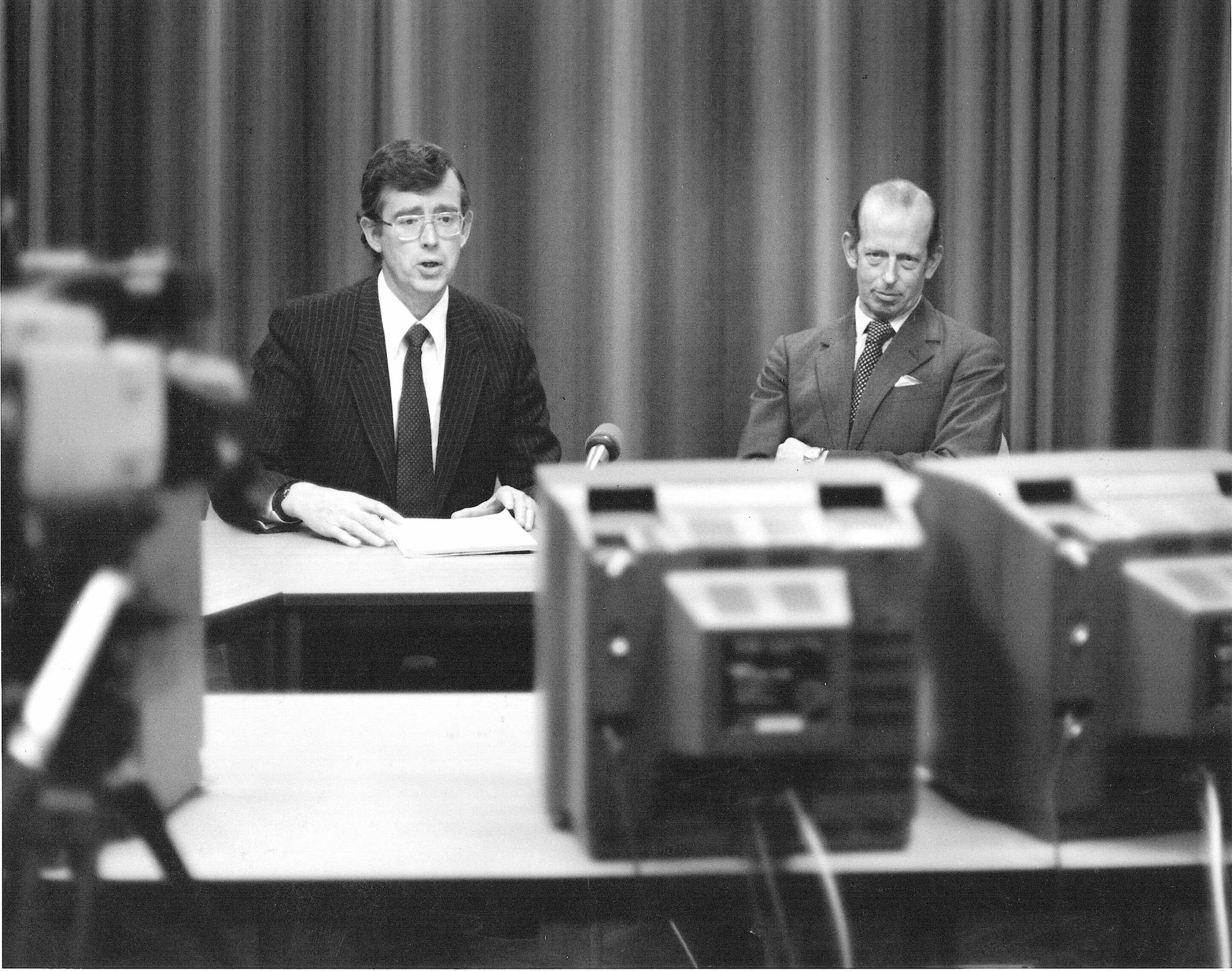
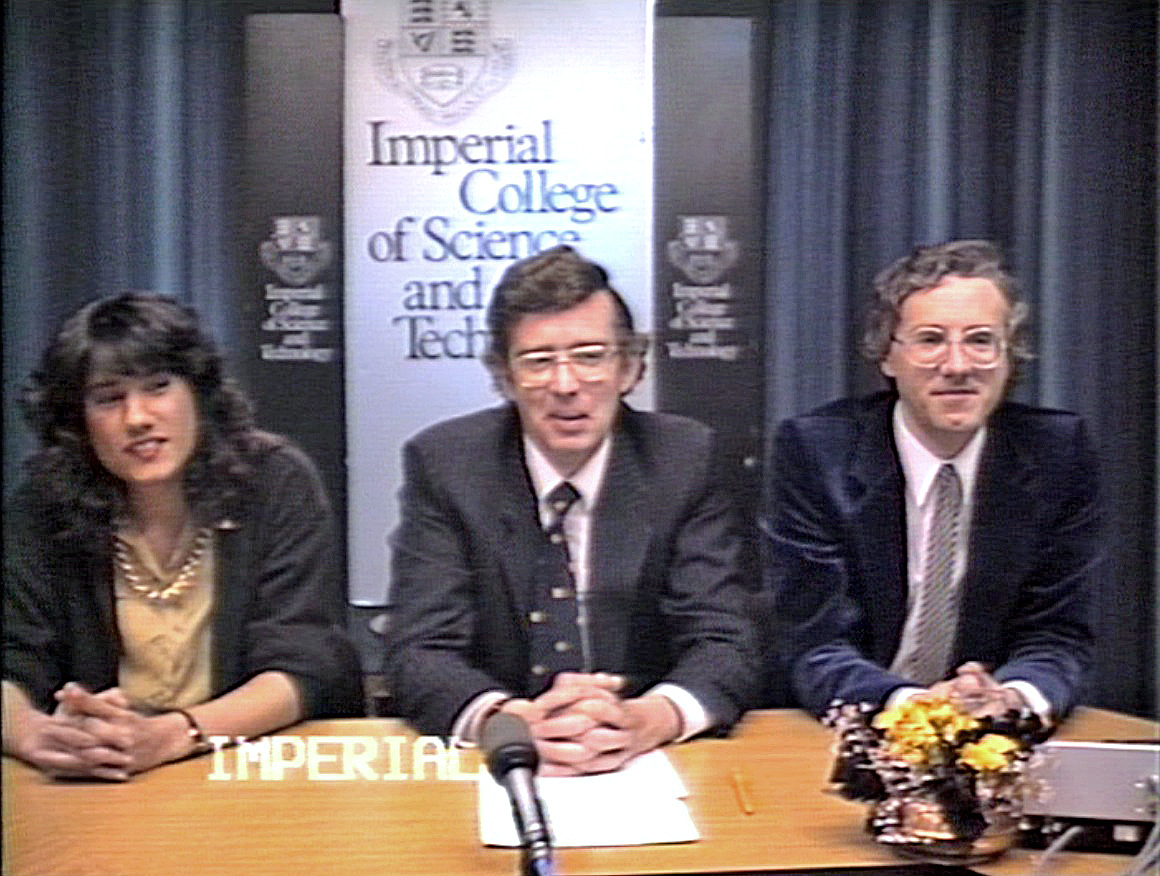
Separate from STOIC  and as a part of the opening period for the new University of London fibre optic system, many people were calling in to see this new wonder of communications which linked all of the major colleges in London. In 1987, the Duke of Kent was then President of the Institution of Electronic and Radio Engineers. He was at Imperial for an official visit with various members of the IERE and a special presentation of what became called Live-Net was arranged in the studio. In this photo the Duke is seen with Professor Ernie Freeman who had the task of overseeing the installation of Live-Net at Imperial.
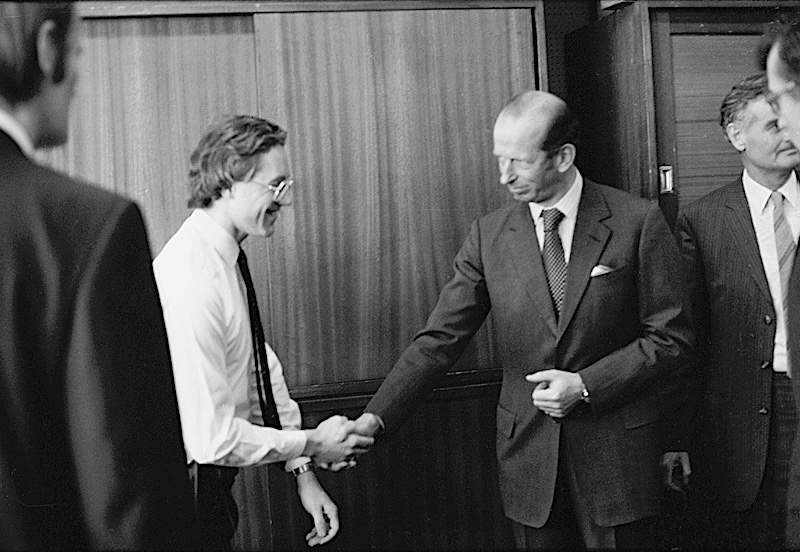
For  the official welcome to the TV Studio, I’m seen here greeting the Duke upon arrival. Later on, after the presentation which is seen in the photograph above, I showed the Duke and other members of the IERE around the equipment that had been installed by British Telecom to facilitate the operation of the Live-Net system. I explained how we might be using the system to connect to other colleges like UCL, Kings or Royal Holloway etc. I also showed them the computer controlled booking system which allowed switching of the network for which a central switch system was installed at Senate House in central London.
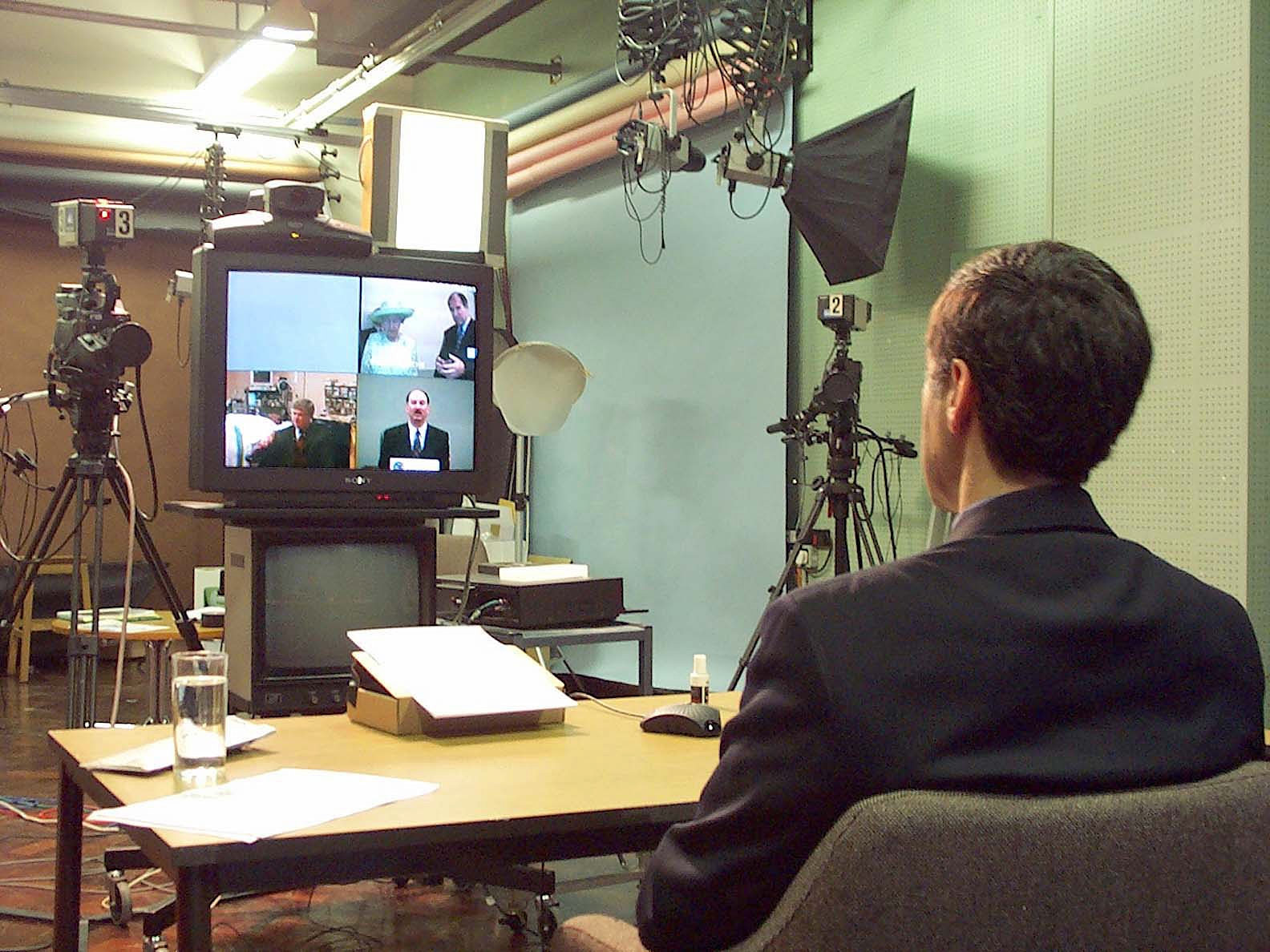
The last member of the Royal Family to appear live in the TV Studio was actually HM the Queen. At 3:30am in the morning on Saturday April 1st 2000 HM the Queen made a ‘virtual visit’ to Imperial College TV Studio. Her Majesty appeared on a video conferencing link during the Royal opening of the Centre for Surgical & Medical Skills which is located in Perth at the University of Western Australia. Prof Mervyn Maze from the Chelsea and Westminster Hospital was participating in a multinational effort to validate Medical Simulation as a tool for training, education and performance evaluation. As such, Prof. Maze addressed the Queen on the subject of medical simulation and it’s potential in the world of medicine. If you look closely at the photograph the Queen can be seen on the screen in the top right quadrant wearing both a light blue dress and matching hat.

Other famous visitors (and there were many) included:
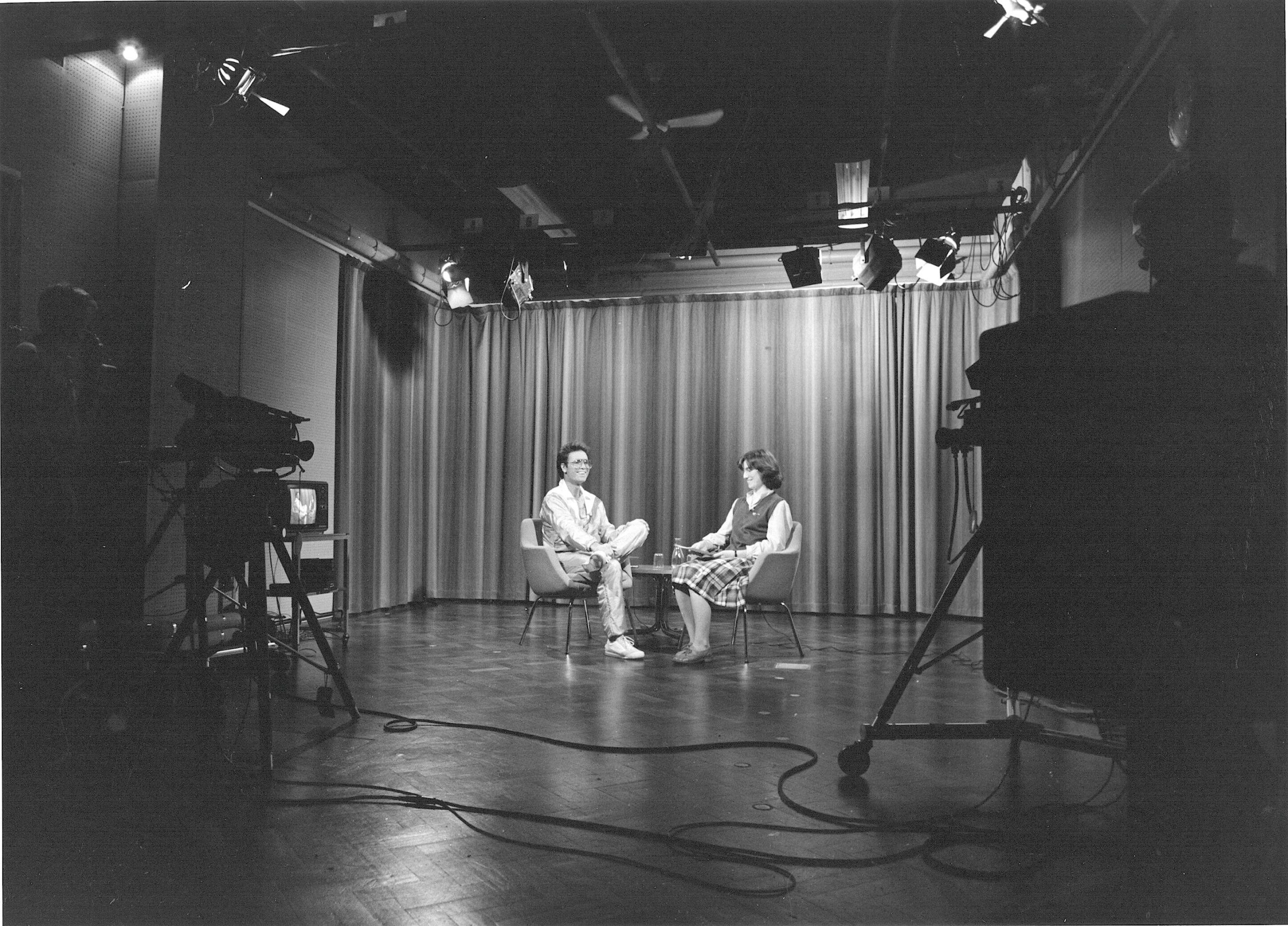
Sir Cliff Richard (Singer)


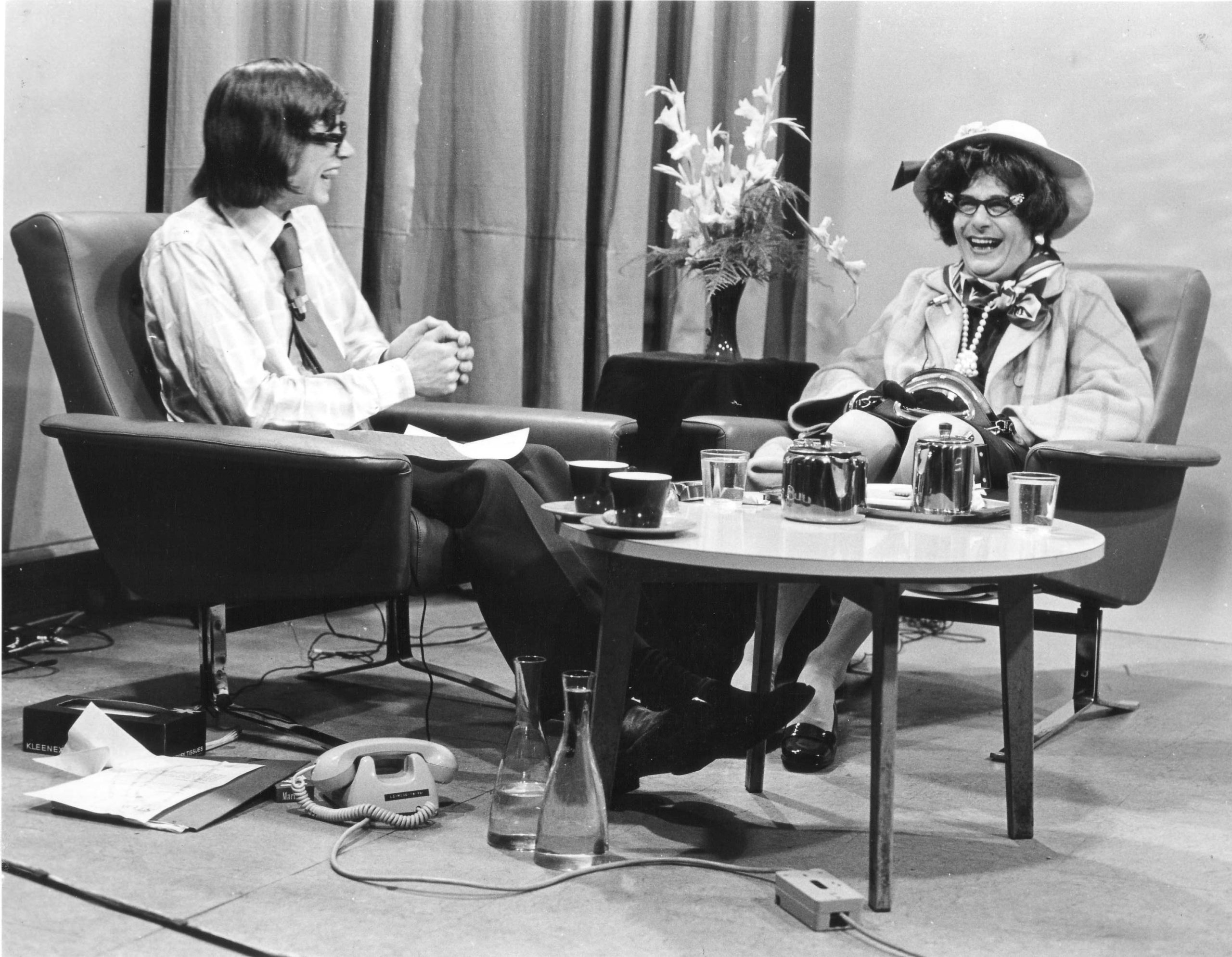
Barry Humphries as Dame Edna Everage


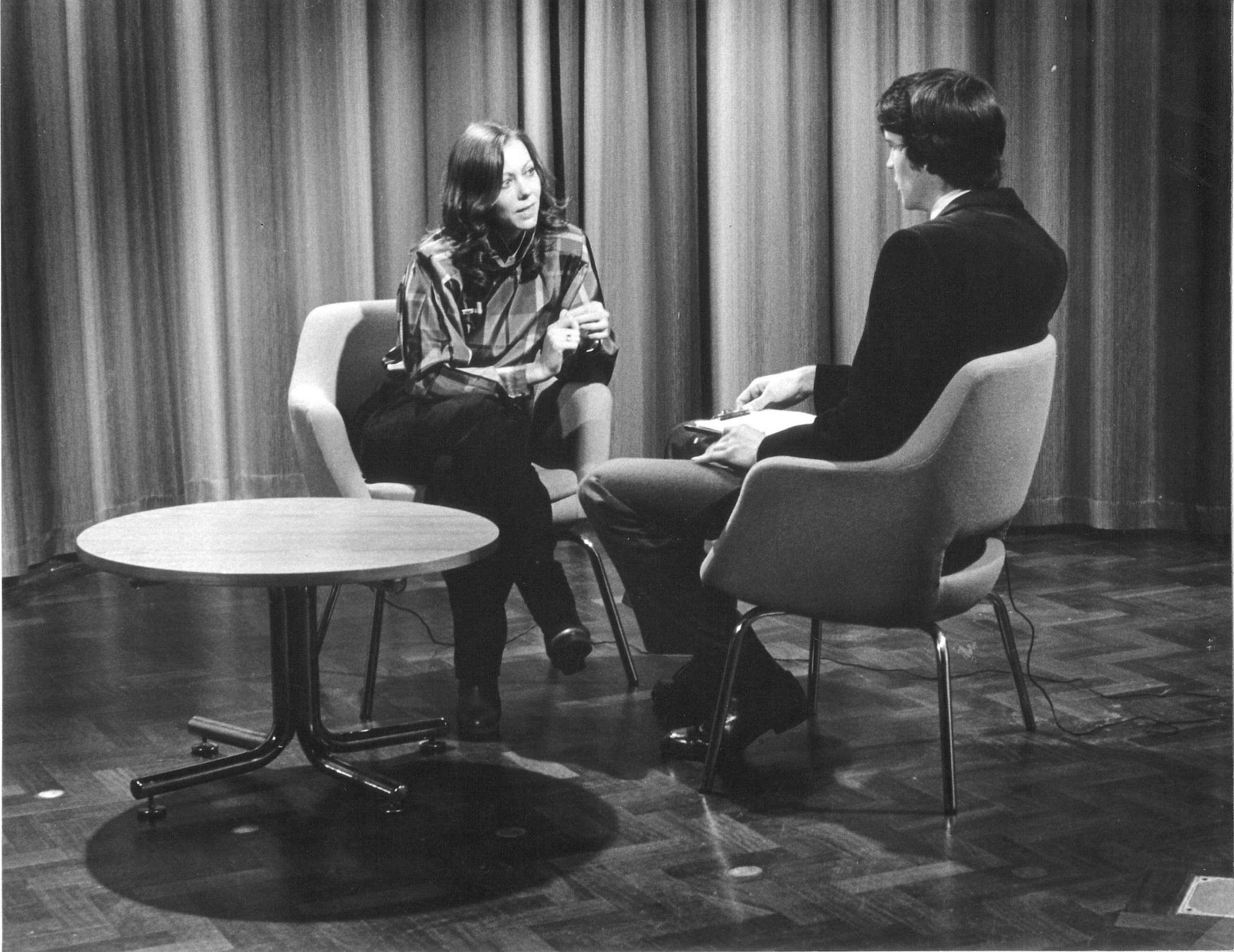
Jenny Agutter (Actress)


Magnus Pike (Scientist and TV Personality)
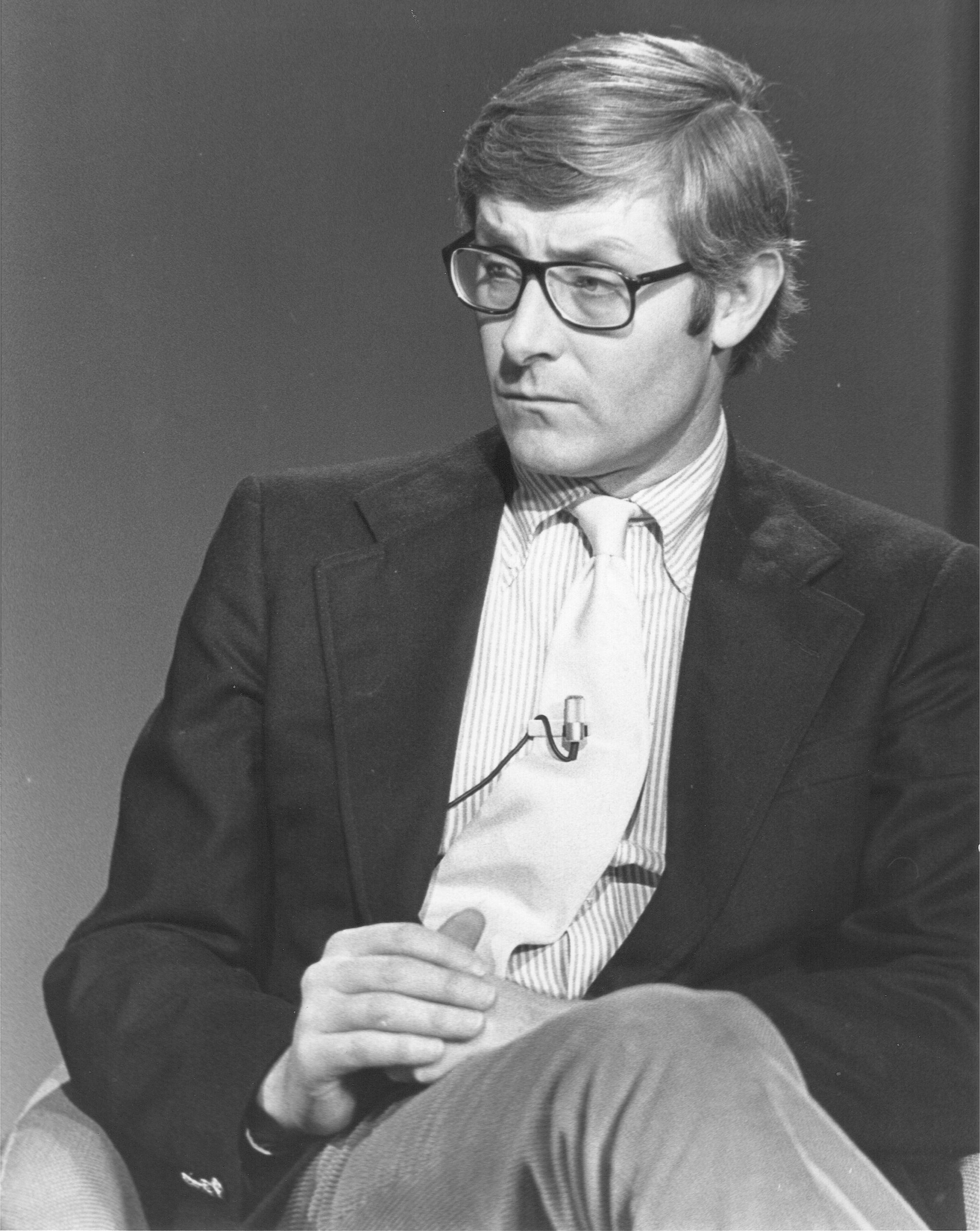
 

Peter Benchley (who wrote Jaws)


Colin Grimshaw July 2026
Queen’s Anniversary Prize: 2008

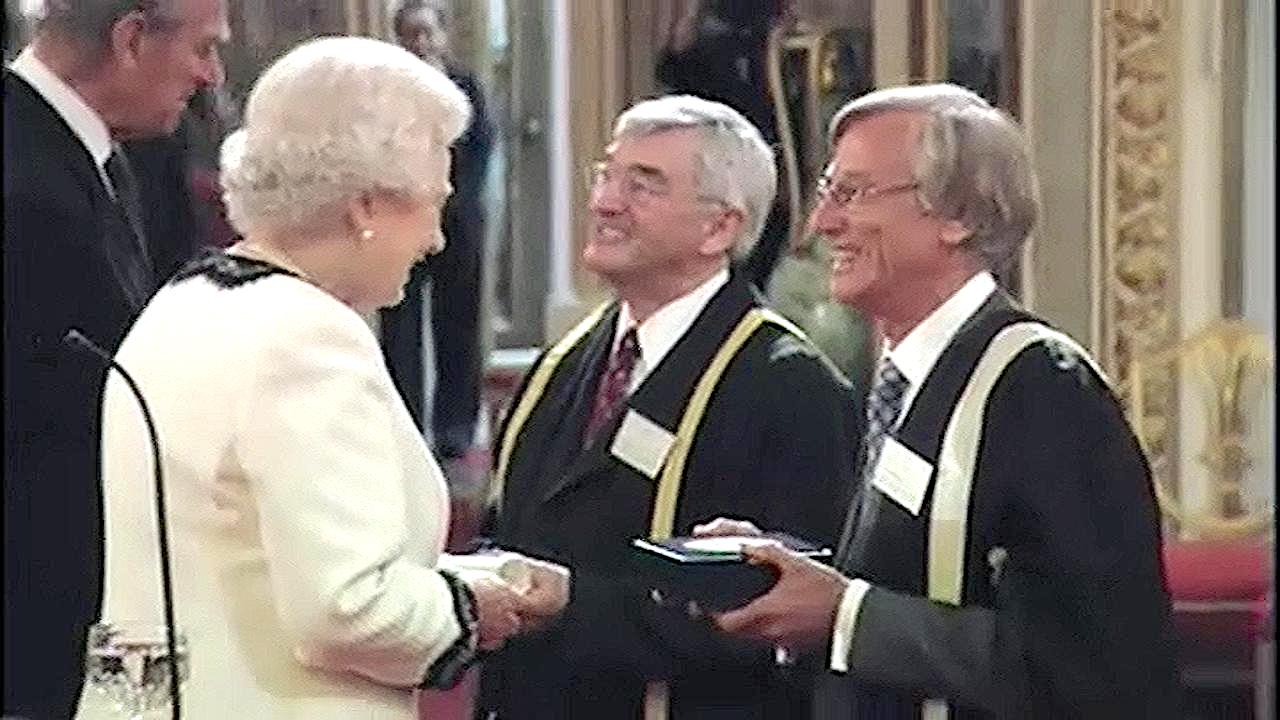
Back in 2006 the Schistosomiasis Control Initiative (SCI), directed by Professor Alan Fenwick of the Department of Infectious Disease Epidemiology, received the Prize for its work tackling schistosomiasis in countries across sub-Saharan Africa, where approximately 200 million people are at risk of the disease that can impair development and cause liver and kidney damage.

The Rector, at the time, Sir Richard Sykes and Professor Fenwick visited Buckingham Palace on 14 February 2008 to collect the Prize from The Queen and the Duke of Edinburgh. The Rector and Professor Fenwick were accompanied by team members from the Department of Infectious Disease Epidemiology.

Colin Grimshaw June 2023

Opening of College Block: 1969

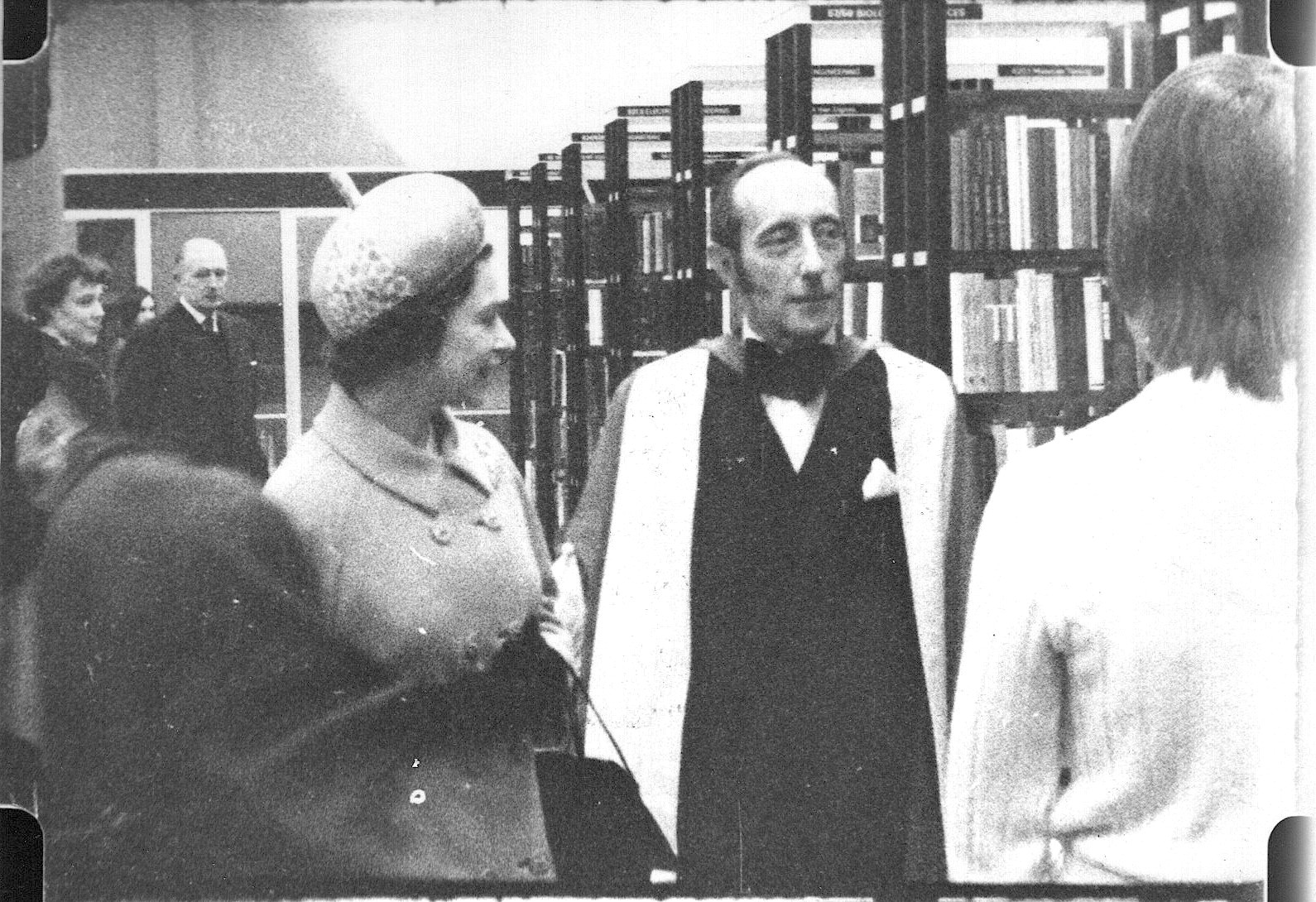
In this blog we are going to hear the 1969 opening ceremony of the new College Block, later renamed as the Sherfield Building (1975). Until now, only extracts have been heard, but here is the full recording with Lord Sherfield the Chairman of the Governing Body, HM Queen and Lord Penney Rector of the college. The full ceremony only exists as an audio recording, with a few segments filmed on 16mm film, but without synchronised sound. Strangely, we could have very easily set up video cameras and recorded the entire proceedings on videotape, but we were never asked. I guess we are just lucky that an audio recording was made.

The images are frame grabs from the 16mm film because I have never seen photos taken in the Great Hall during the ceremony. There is a front page about the event in the edition of Felix from 4 December 1969. Interestingly, there is a ‘typo’ in the Hannah Gay book on the history of Imperial College. In the index, under Sherfield Building it refers to it as formerly “Centre” Block, this typo only appears once!

Colin Grimshaw August 2021

The Queen Mother visits St Mary’s: 1954

This post is a rare exception because the moving images, (in this case on 35mm film) are not held by Imperial College. The clips are from a British Pathé News item that would have been seen only in cinemas.

The Queen Mother visited St Mary’s Medical School for the 1954 Centenary Celebrations and I assume, is seen putting items into the second foundation stone (time capsule?) for the new buildings. Both of the reels do look as if they were never actually used and appear more like original rushes. An end result for Pathé would have had a commentary etc, on it. So don’t be concerned that the segments seem to stop and start a lot.

Colin Grimshaw July 2021

Meet Imperial College (Archives): 1981

I’ve rediscovered this video compilation that I made for the Imperial College Archives in 1981. I had forgotten that the reason it was made was to show-case the college archives during the Meet Imperial College event that was held in the Sherfield Building. You can see another blog about the 1979 Meet Imperial College event that includes actual video taken on the day by STOIC.

This compilation is useful because it actually now helps to correctly identify one college member in the 1928 sports film. Jimmy Peacock is seen driving on the tug-of-war team and not Ted Coulson as previously assumed. Also, there is a short clip from the 1969 opening of what was then called College Block (later Sherfield Building) by the Queen. This clip is extremely important because it does include some of the sound track that we are now missing, because of technical issues extracting the film’s magnetic audio track. Included too is the audio of the Queen Mother in 1957 opening the Roderick Hill Building and the extension to the Students Union. And, from 1949 a sound recording on 78rpm disc of the college choir.

Mike Hackett from STOIC fronted the video for me.

Colin Grimshaw May 2020

Constructionarium: 2006

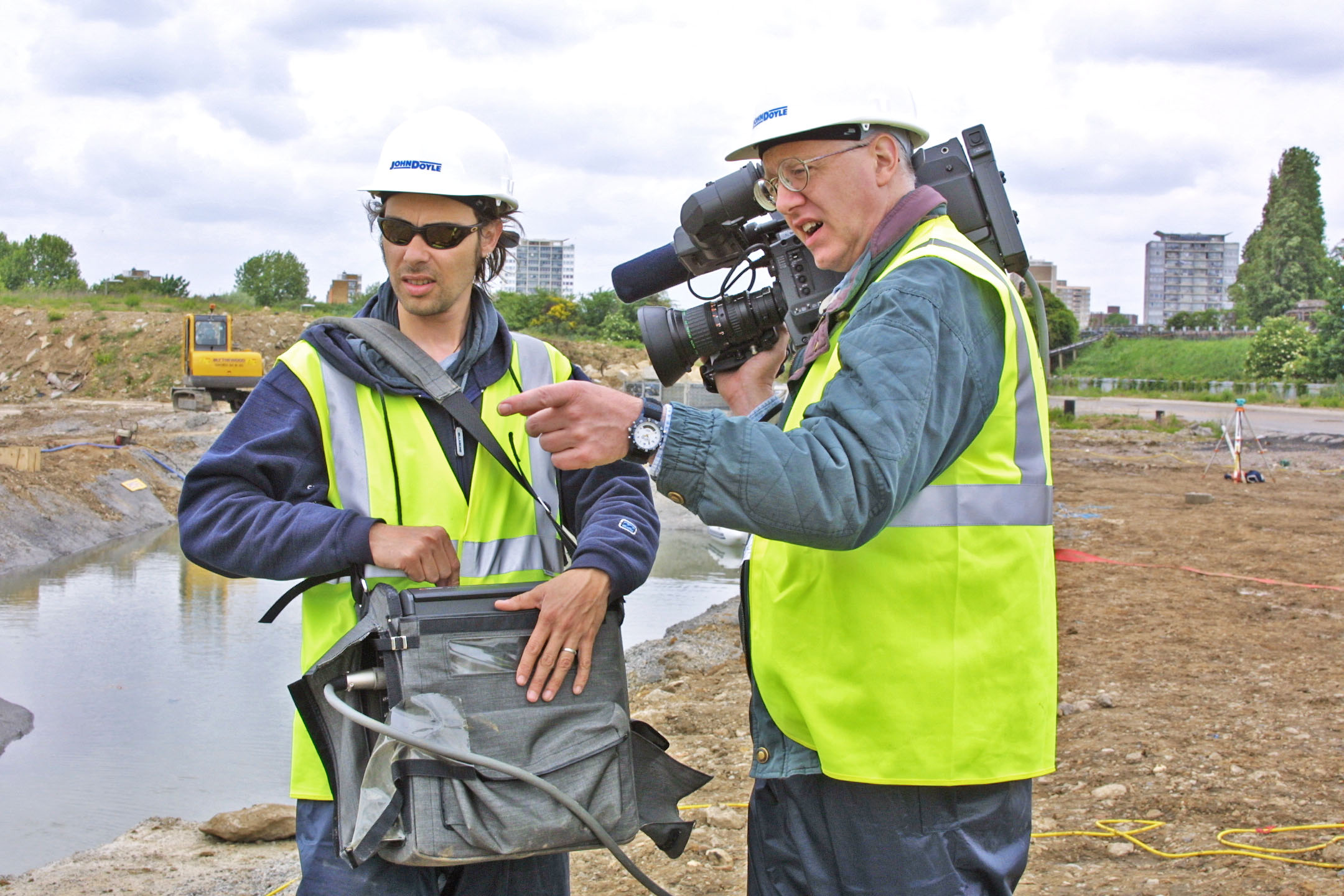
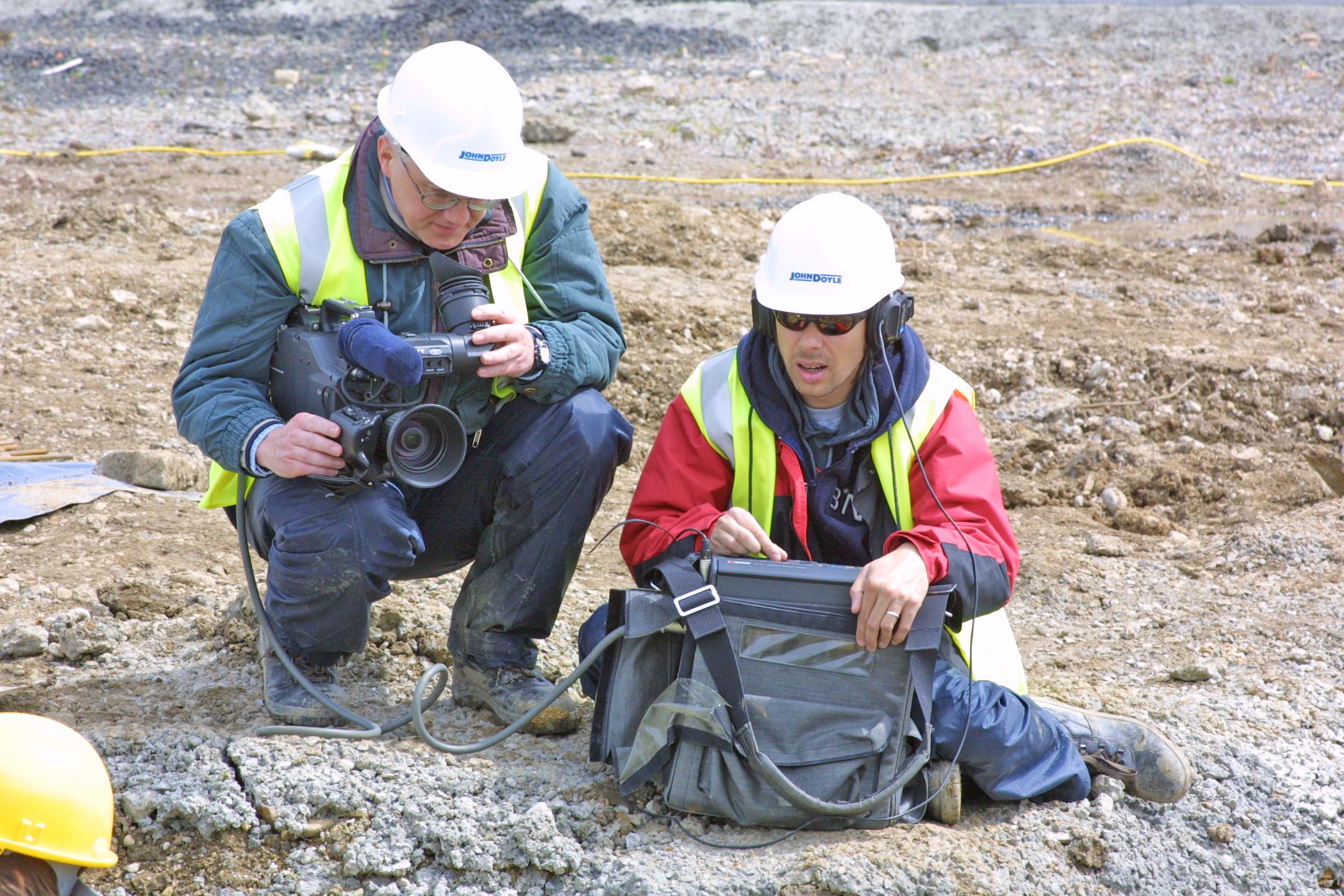
In June 2006 The Duke of Edinburgh put on a hard hat and boots to watch students building their own versions of engineering landmarks.

The engineering students from Civil Engineering were taking part in Constructionarium, an annual event in which groups had just five days to tackle a challenging project, such as creating a seven metre high version of the world’s tallest vehicular bridge, the Millau viaduct in Southern France.

The event was designed to give students hands-on experience of engineering in a realistic environment. The projects took place on a two hectare section of a Norfolk site which is used for training specialist construction trade workers such as scaffolders and steeplejacks. The site, in Bircham Newton, was owned by the National Construction College.

Prince Philip visited on the students’ last day and saw the projects in their final stages. He was given a tour of the different projects underway, and watched as students pulled a replica oil rig to the middle of a lake and stabilised it. The TV Studio (by then called Media Services) was on hand to capture the event.

Colin Grimshaw April 2019

Live-Net & Westminster Cable TV: 1987

Previously, I’ve mentioned the University of London’s Live-Net fibre optic cable system that once connected London’s Universities, from a central BT switching system at Senate House. Recently I’ve discovered the Thames Television news item that covered the official opening on 28 May 1987 and this can be seen below. During the opening event three sites were initially seen on screens in Senate House: Royal Holloway; Imperial and Queen Mary.

Strangely enough I don’t recall us taking any photos during this event and therefore this is the only record of the day. And if you look closely at the central screen with Imperial on it you’ll see me over on the right hand side. My academic colleague Prof Ernie Freeman (1937-2022) was sitting in the middle and played host for our site. The image on the right is an off-screen grab of that central screen’s video feed.

Closely linked to the Live-Net technology was Westminster Cable TV. This was also a BT technology and Live-Net borrowed and improved upon that domestic system. In fact it’s closely related to our current Broadband FTTC where optical fibre brings the internet to a local street cabinet and from there it arrives at your home via copper phone lines. In Live-Net’s case it arrived directly with us as a fibre feed termination.

So what is my connection with Westminster Cable TV? Well, because of the on-going BT involvement with both Live-Net and Westminster Cable TV I got to know everyone on both projects. I was approached to sound out how an experiment might be operated to utilise a unique option that existed for the cable TV customers. That was the ‘theoretical’ ability to run video FROM the customer backwards to the Westminster Cable TV hub. Indeed the local equipment in the TV Studio had those sockets on the box, but BT had never pursued the idea. It did work when we tried it, but the image quality at the other end was apparently dreadful and unusable. In September 1990 we’d already agreed to run an experimental computer training ‘at home’ series, that was sponsored by the Training Agency. Everyone was on board, but the ‘reverse line video feed’ technology had, by then, failed us. My BT research labs colleague stepped in and had the ability to order a direct point-to-point microwave link from the top of the Electrical Engineering Building and by using this, our studio feed hopped across Hyde Park to Westminster Cable TV in Paddington.

We took live incoming phone questions too via the earpiece that was worn by Kevin Hamilton. I ran the pre-recorded opening sequence that included the Westminster Cable TV animation logo. The engineers at the other end had to switch a regular channel (A7) to accept my studio feed. Thus you’ll see my instructions on the countdown clock to remind them what to do and when. And yes, this might remind you of the 1977 STOIC News series that I also did live, using the ILEA cable TV system that fed all of the London Schools and Colleges.

Soon, I’ll go on to talk about the Olympus Satellite project, the Live-Net uplink ground station at Silwood Park and yes, you guessed it, more live TV from the TV Studio, but this time to Europe! So, yet more educational ‘firsts’ that have, so far, gone unmentioned (until now).

Colin Grimshaw September 2018

History of the RSM: 1957

In 1957 Imperial College was celebrating its 50 year half century. Many events took place that year, none of them were recorded visually and only some recorded onto audio tape or disc. One item that does survive is a presentation given by Dr S.W. Smith on the History of the Royal School of Mines up to that time. When I digitised the tape a few years ago I heard one or two things that stood out.

There is mention of attending a lecture in 1897 and the astonishing thing that he heard suggested. And on 13th March 1901 he was present at the RSM half-century celebrations, the formal dinner for which, was delayed due to the death of Queen Victoria. Fascinating to hear a college alumni talking about what was happening in the 19th and early 20th centuries.

Imperial Institute @ 125: 1893

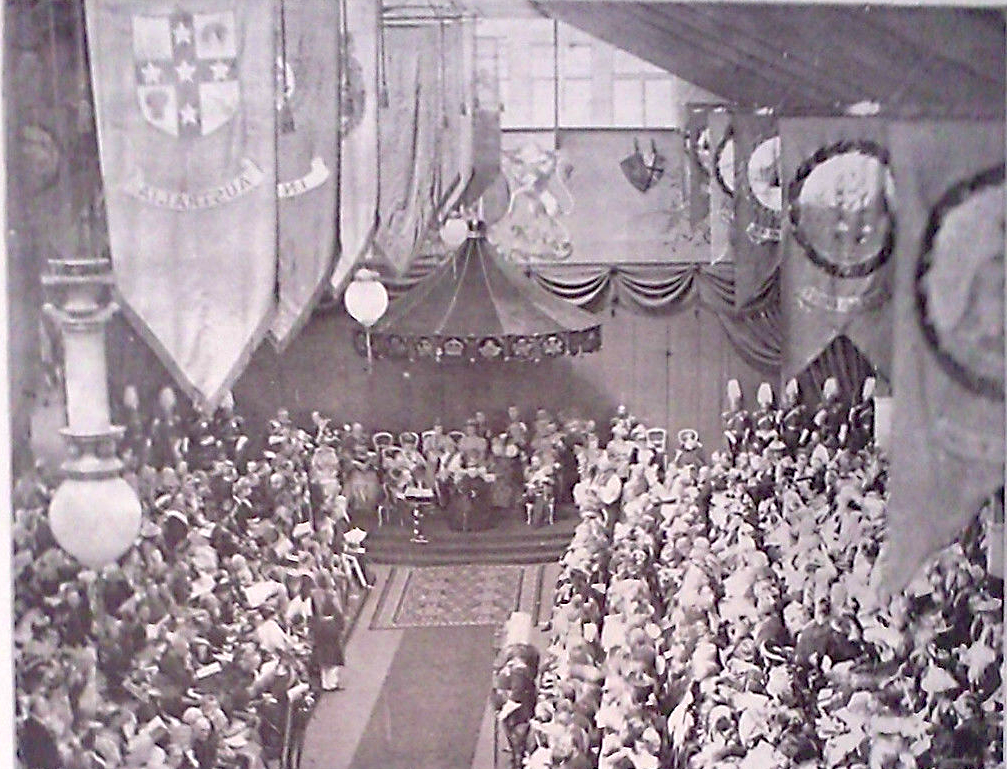
This is a quick and extra post to celebrate the 125 years of the Imperial Institute. There are many references within the blog to both the Imperial Institute and the Queen’s Tower, some of which I have linked here. However, today in 1893 is when Queen Victoria attended the official opening ceremony. These actual photos show the scene just prior to her arrival with all the flags and bunting displayed around the building’s entrance.

A special piece of music was written for the day by Sir Arthur Sullivan and was entitled Imperial March which is not to be confused with anything relating to Star Wars for which there is music of the same name. Below is a YouTube link to that piece of music, which was first performed 125 years ago this very day. In the photo over on the left you can see Queen Victoria. If you click the image you can see it full size. Look below the canopy and you will see her, still dressed all in black and sitting on a chair.

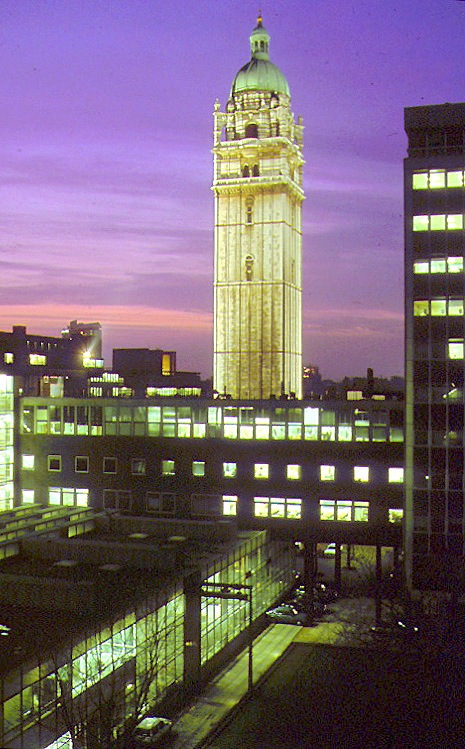
Of course, all that remains of the buildings is what we now call the Queen’s Tower. The bells of the now free-standing tower are still rung on special occasions. Even while the building was slowly going into disuse it was made famous in a brief sequence in an Ealing Comedy,  The Titfield Thunderbolt (1953), where a shot is clearly seen of the steps from the building’s main entrance. The building was not actually featured as the institute but rather as a ‘museum’.

Colin Grimshaw May 2018

Queen’s Tower at 125 years old

Back in April 2010 I devoted a whole blog to the Queen’s Tower and all of the audio-visual material we had available. Now here on 17 November 2017 it’s time to celebrate the tower’s 125th (quasquicentennial) completion date or more correctly ‘topping out’ (17 November 1892). In fact the true celebration should really be next May 2018 when it will be 125 years since Queen Victoria opened the Imperial Institute that the tower was originally part of on 10 May 1893.  But I guess that’s yet another blog opportunity for me next year.

One item that escaped in that previous 2010 blog was this sound recording that I made of the tower’s bells being run. I placed microphones in the actual the bell chamber to exclude all external noises like cars and so on. Needless to say I was not that silly to stay anywhere near the bells when they were rung. So, in the short video below you’ll hear that recording for the first time.

Watch out next May 2018 for more on the Queen’s Tower when we’ll look at the opening of the main Imperial Institute buildings.

Colin Grimshaw November 2017